Small Dog Survival In Freezing 24 Hours
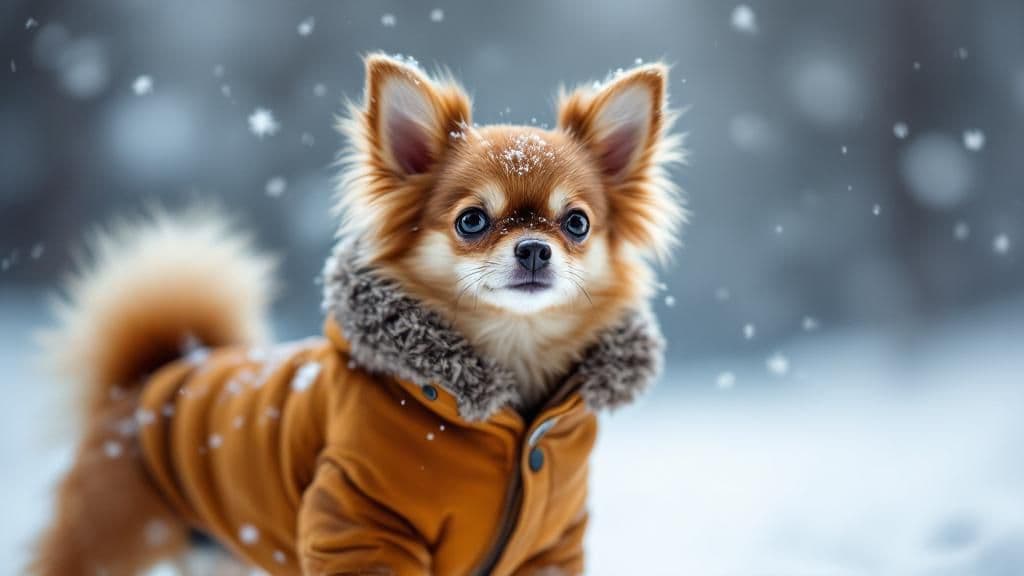
A small dog's survival after 24 hours in freezing cold is a desperate race against hypothermia and exposure.
A small breed dog like a Chihuahua or Yorkie can survive below-freezing temperatures for only a few hours without shelter, and hypothermia can set in within 30-60 minutes in extreme cold. Their small body mass, thin coats, and low ground clearance make them especially vulnerable — never leave a small dog outdoors in freezing weather.
Imagine a crisp winter morning, the kind where the air feels sharp and every breath is visible. You bundle up in your warmest coat, but what about your small dog, waiting by the door with a wagging tail? For a Chihuahua, a Shih Tzu, or a Yorkie, a day in below freezing temperatures isn't just uncomfortable, it's a serious gamble with their health. The question of whether a small breed can make it 24 hours in such conditions isn't about toughness, it's about physiology, preparation, and a stark understanding of the risks. Based on veterinary guidelines and the hard science of how dogs retain heat, the odds are not in their favor, and understanding why is the first step in being a responsible pet parent.
Why Small Dogs Are at a Severe Disadvantage in the Cold
To understand the risk, you have to look at a basic principle of biology that affects all creatures, including us. It's called surface area to volume ratio, and it's the core reason why a tiny dog shivers while a larger one seems unbothered.
Dr. Stokes, as referenced by the MSPCA, explains it perfectly: smaller dogs have a bigger surface area relative to their volume. Think of a small cube versus a large one. The small cube has less overall mass (volume) to generate and hold heat, but a lot of exterior (surface area) from which to lose it. A Great Dane has a massive internal engine to produce warmth and a comparatively smaller surface through which to leak it. A five pound Pomeranian is essentially all surface, losing its internal heat rapidly to the environment.
This is compounded by other factors common in small breeds:
* Less Body Fat: Body fat acts as insulation. Many small breeds are lean, offering little natural protection against the cold.
* Proximity to the Ground: Small dogs are closer to the cold ground, whether it's frozen earth, snow, or ice. This conductive heat loss is constant.
* Lower Body Mass: Simply put, they have less "fuel in the tank" to burn for warmth over a sustained period.
The research is unanimous on this point. The AVMA, AAHA, and sources like Small Door Veterinary all classify small breed dogs as being especially vulnerable to cold, getting cold more quickly than their larger counterparts. They don't have the physical reserve to last 24 hours.
The Critical Temperature Thresholds for Small Breeds
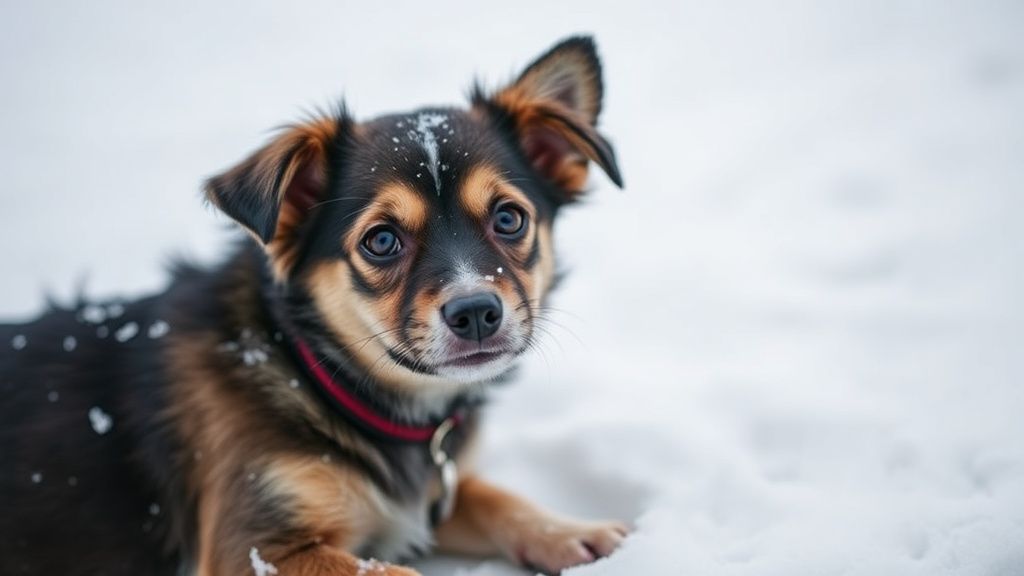
Veterinary organizations provide clear guidelines, and they paint a concerning picture for small dogs as temperatures plummet. It's not a single number, but a sliding scale of increasing danger.
Most experts agree that cold becomes a potential problem for *some* dogs once the thermometer reads 45°F (7°C). This is when cold averse dogs might start to feel uncomfortable. But the real caution begins at 40°F (4°C). As noted by WTHR.com, for small breeds, hazards are possible starting at this temperature. This means a leisurely walk requires vigilance.
The consensus across multiple sources, including Embarkvet and PetMD, is that below 32°F (0°C), the danger becomes acute. At this true freezing mark, small breed dogs, along with those who have thin coats, or are very young, old, or sick, "could be in danger if they spend too much time outdoors." The phrase "too much time" is key, and 24 hours is far, far beyond that limit.
It's crucial to remember that these are air temperatures. Wind chill is a force multiplier for cold. A 30°F day with a 15 mph wind can feel like 15°F, accelerating heat loss dramatically. Similarly, wet conditions from rain, sleet, or melting snow can destroy whatever insulating properties a dog's coat has, leading to hypothermia at temperatures well above freezing.
What 24 Hours of Freezing Cold Does to a Dog's Body
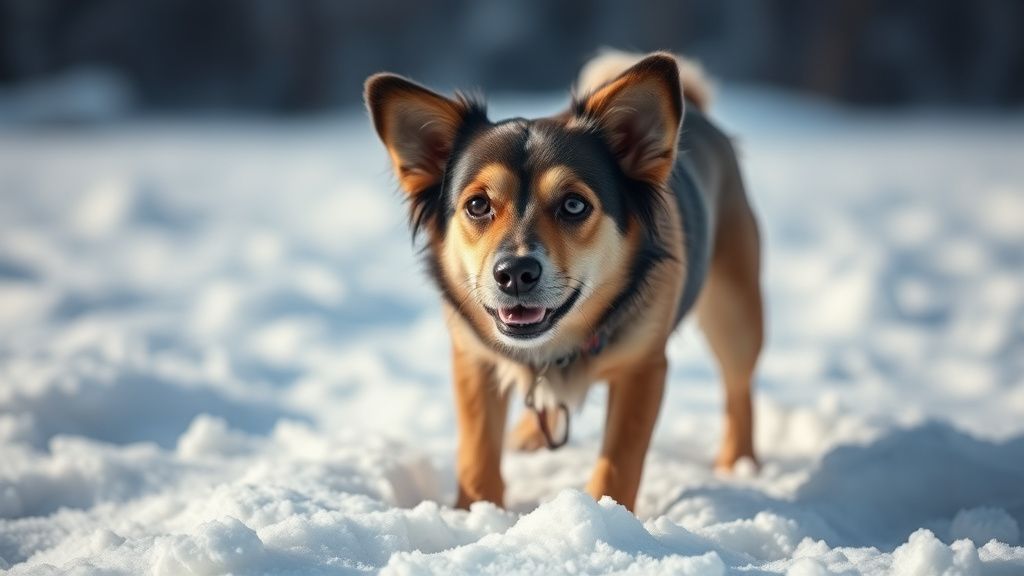
A day is a very long time in freezing conditions. Survival isn't just about feeling chilly, it's about the body's systems beginning to fail. Two major life threatening conditions set in: hypothermia and frostbite.
Hypothermia occurs when a dog's core body temperature drops below normal. Mills Animal Hospital notes it happens due to prolonged exposure to cold. The body, in a desperate attempt to preserve core warmth for vital organs, diverts blood away from the extremities. This leads to frostbite. Shivering is the first sign, but as hypothermia progresses, shivering stops, movement becomes sluggish, muscles stiffen, and the dog may become lethargic or unresponsive. For a small dog with minimal reserves, this progression can happen frighteningly fast. Frostbite is the freezing of body tissue. Ears, tails, paw pads, and scrotums are most at risk. The skin may become pale, gray, or blue, and feel cold or brittle to the touch. As tissue thaws, it can become red, swollen, and extremely painful, potentially leading to permanent damage or the need for amputation.The research from the National Wildlife Federation, while about salamanders, offers a stark parallel about the mechanics of freezing: "The second [they] get below freezing, ice crystals form inside them, and they die." While mammals have advanced mechanisms to prevent this, the principle remains. Prolonged exposure pushes a body beyond its ability to compensate.
Furthermore, as the AVMA points out, battling the cold requires a huge expenditure of calories. A small dog left outside for 24 hours would burn through its energy stores trying to stay warm, leading to weakness and a drastically reduced ability to generate more heat. They would face starvation and dehydration, as water sources freeze solid. The combination is fatal.
How Wild Animals Survive (And Why Your Dog Can't)
You might wonder how wild animals, some of them quite small, make it through harsh winters. This is a fair question, and the research highlights specific, evolved adaptations that your domestic small dog simply does not possess.
As discussed on Reddit and by wildlife resources, animals like foxes or rabbits survive through a combination of strategies:
* Specialized Coats: They have dense, layered fur with waterproof oils. As the Reddit thread notes, this "keeps them warm even when wet." Most small dog breeds have been selectively bred for appearance, not a functional double coat.
* Behavioral Adaptations: They build insulated dens underground, where temperatures remain stable. The research mentions that during a fire, temperatures were survivable just 8 inches underground. Wild animals use snow as an insulator, something a lost pet dog does not know how to do.
* Seasonal Physiology: Some can slightly lower their metabolic rate or enter short periods of torpor. Your dog's metabolism is constant.
* Fat Reserves: They build up significant body fat specifically for winter. Our pets are typically fed a consistent diet year round.
The Providence Journal article makes a critical distinction: "Some breeds do benefit from putting on their own winter coat." This refers to northern breeds with double coats. A small, short haired breed does not have this capability. They are biologically unprepared, akin to a small songbird. Tama County, Iowa, notes that small birds are at high risk in cold snaps because they can't store enough fat while staying light for flight. Your small dog faces a similar metabolic trap.
Protecting Your Small Dog: Practical Winter Safety Steps
Knowing the risks empowers you to take effective action. Your goal is to minimize exposure and maximize warmth. Here is your actionable plan for winter safety.
Limit Outdoor Time Drastically. When temperatures are below 40°F, keep potty breaks brief and supervised. Below freezing, make them very quick. Always watch your dog for signs of discomfort like lifting paws, shivering, or whining. If you're unsure how long is safe, Mills Animal Hospital advises simply calling your veterinarian for tailored advice. Invest in Proper Canine Winter Gear. For small dogs, this is non negotiable.* A Well Fitted Coat or Sweater: Choose one that covers from the neck to the base of the tail and the belly.
* Paw Protection: Booties protect from ice, salt, and chemical de icers, which can burn pads and be toxic if licked. If your dog won't tolerate boots, use a pet safe paw wax and wipe their paws clean after every walk.
* Visibility Gear: With fewer daylight hours, reflective collars, leashes, or LED lights are essential.
Create a Warm Indoor Environment. Your dog should live indoors with you. Provide warm, draft free sleeping spots with extra blankets or a heated dog bed (designed for pet safety). After a walk, thoroughly dry your dog, especially their paws, legs, and belly. Adjust Care Routines. Consider their overall wellness during colder months.* Nutrition: They may burn a few more calories to stay warm. Discuss with your vet if a slight food adjustment is needed. A reliable dog food delivery service can ensure you never run out of their balanced and complete diet during bad weather.
* dog water calculator: Ensure fresh, unfrozen water is always available.
* Mental Stimulation: On days it's too cold to go out, keep their mind active with puzzle toys, training sessions, or a new selection of the best dog treats used for enrichment games. A monthly dog best dog subscription boxes can be a great way to have a rotation of novel, indoor friendly toys and treats on hand.
* Grooming: Keep their coat clean and mat free, as mats compromise insulation. Don't shave them down in winter.
Never Leave Them in a Car. A car acts like a refrigerator in winter, rapidly trapping cold air and putting your dog at risk for hypothermia. Prepare for the Unthinkable. Ensure your dog's microchip and ID tags are current. A lost dog in winter faces exponentially worse odds. If you see a dog left out in the cold, especially a small one, don't hesitate to contact animal control.Final Thoughts
The odds of a small breed dog surviving 24 hours in below freezing temperatures are tragically low. This isn't a matter of willpower, it's a matter of physics and biology stacked against them. From their high surface area to volume ratio to their lack of wild adaptations, small dogs are exquisitely vulnerable to hypothermia and frostbite. The veterinary guidelines are clear: freezing temperatures demand increased caution and drastically limited exposure for our littlest companions.
Our job as pet parents is to be their protectors and advocates. By recognizing their limits, dressing them appropriately, and keeping them safely indoors, we can ensure winter remains a season of cozy snuggles and playful snow flurries, not a time of suffering. Pay attention to the temperature, watch your dog closely, and when in doubt, err on the side of warmth. Their comfort and safety are a direct reflection of our care.
Recommended Products


Find the Perfect Box for Your Dog
Compare top-rated dog subscription boxes and find the best fit for your pup.
Compare Boxes