Natural Flea Control With Diatomaceous Earth

Ditch chemical flea treatments for good. Diatomaceous earth offers a safe, natural solution to control fleas in your home.
Diatomaceous earth is a natural powder that can help reduce flea populations in your home and yard when used correctly. It is considered low toxicity for pets, but it is only effective on direct contact with insects and must be the food grade variety. For a full infestation, it is often recommended as part of a broader strategy alongside veterinarian approved treatments for your pet.
If you're searching for a way to tackle fleas without resorting to harsh chemicals, you've likely come across diatomaceous earth. This fine, powdery substance has gained a passionate following among natural minded pet parents. It promises a non toxic solution to a very itchy problem. But does it really work, and is it truly safe for your dog and your family? The answer isn't a simple yes or no. As someone who has tried countless methods over the years, I understand the appeal of a natural fix. Let's look at what the experts and research say about using diatomaceous earth for flea control, so you can make an informed decision for your furry friend.
What Exactly is Diatomaceous Earth?
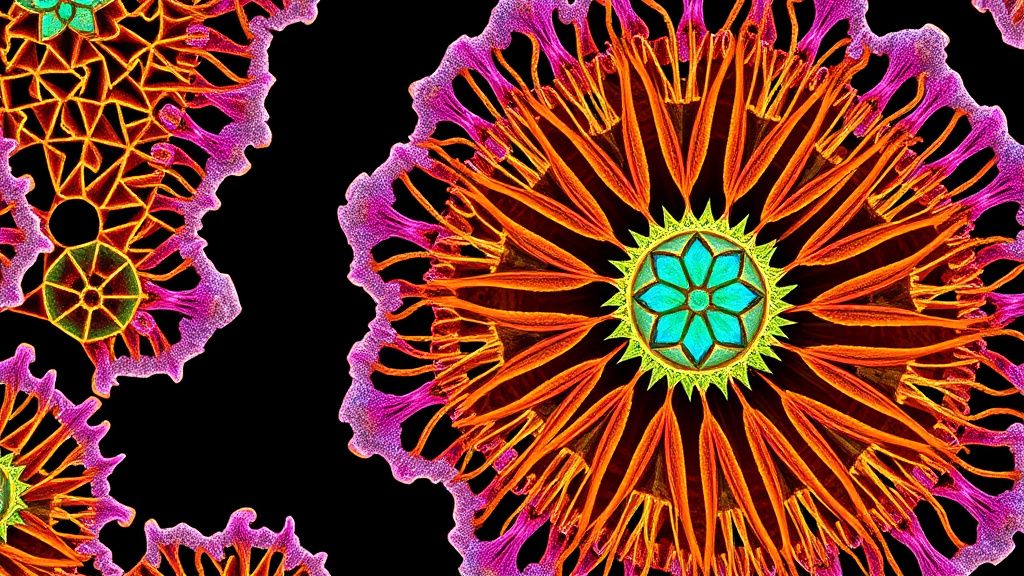
Imagine the fossilized remains of tiny, aquatic organisms called diatoms. Over millennia, their silica based skeletons accumulated on the bottoms of ancient water bodies. These are mined and ground into a fine, white powder that feels much like talc to the touch. This is diatomaceous earth, or DE.
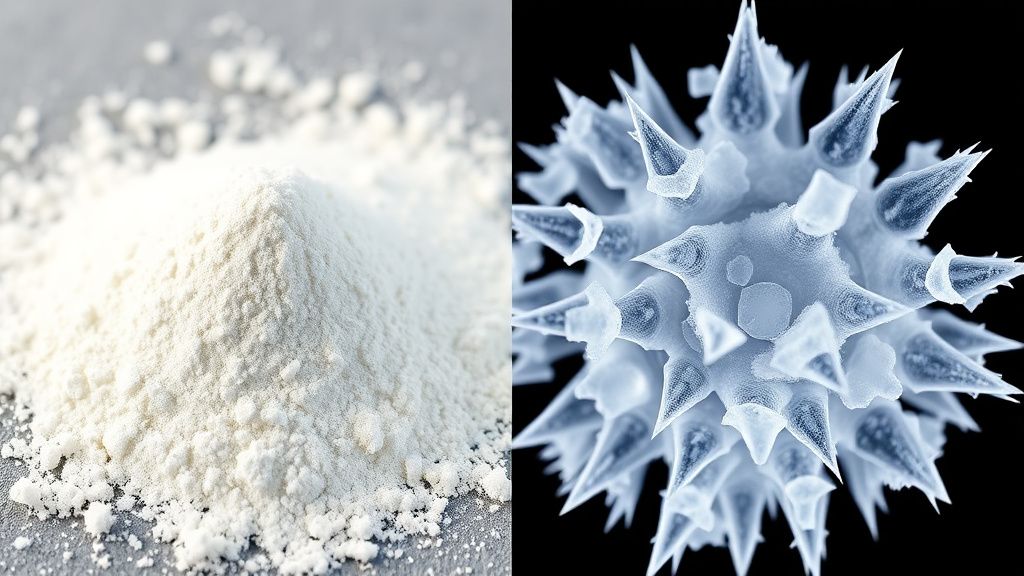
The magic, and the mechanism, is in its structure. Under a microscope, each particle looks like a tiny piece of glass with sharp, jagged edges. These edges are harmless to mammals but lethal to insects with exoskeletons, like fleas. When a flea crawls through the powder, the sharp particles scratch and penetrate its waxy outer layer. This causes the insect to dehydrate and die. It's a purely physical mode of action, which is why insects cannot develop a resistance to it. The key takeaway from sources like PetMD and The Spruce Pets is that DE products are made from natural substances and can be used in places where pets spend time to control fleas. However, as Chewy emphasizes, it is only effective at killing insects and parasites when it comes into direct contact with them.
Is Diatomaceous Earth Safe for Dogs and Cats?
This is the most critical question. The term "natural" can sometimes be mistaken for "completely harmless," but that's not always the case. The safety of DE depends entirely on the grade you use.
* Food Grade DE: This is the only type you should ever consider using around your pets and home. It has been purified and contains very low levels of crystalline silica, making it the low toxicity option referenced by sources like Itch Pet. It is generally considered safe for consumption by animals and is even used in some grain storage applications.
* Filter Grade/Pool Grade DE: This type is processed differently and contains high levels of crystalline silica. It is extremely dangerous if inhaled by pets or people and should never be used for pest control in a home environment.
Even with food grade DE, the main risk is respiratory irritation. The powder is very fine and dusty. Inhaling large amounts can irritate the lungs of both you and your pet. This is why proper application is so vital. Always apply it in a well ventilated area and try to minimize airborne dust. As the PetFriendly Box resource wisely points out, although DE is a natural substance, it doesn't automatically mean it is safe for you, your dog, or your cat. Caution is required.
How to Use Diatomaceous Earth for Flea Control Effectively
If you decide to use DE, doing it correctly makes all the difference between a helpful step and a frustrating, messy endeavor. Remember, it only works on contact, so coverage and patience are key.
1. Treating Your Home EnvironmentThe American Kennel Club article makes a crucial point: "Dog owners should treat all pets and the home, as up to 95% of any flea burden live off the pet." Your battle is primarily in your environment.
* Target Areas: Lightly sprinkle a thin, barely visible layer of food grade DE on carpets, rugs, pet bedding, and along baseboards and floor cracks. Pay special attention to areas where your dog sleeps and rests.
* Let it Sit: Allow the powder to sit for at least 12 to 48 hours. This gives fleas time to crawl through it.
* Vacuum Thoroughly: After waiting, vacuum all treated areas meticulously. Here’s a pro tip from Today's Homeowner: to safely dispose of the vacuum contents and keep the dust down, lightly mist the contents with water before emptying the bin or bag. Repeat this process weekly for at least a month to break the flea life cycle, as new eggs will hatch.
2. Treating Your YardDE can also be used outdoors in dry areas. Lightly dust it around dog houses, kennels, and along fence lines. Be aware that it loses effectiveness when wet, so you will need to reapply after rain or watering.
3. Using DE Directly on Your Dog (With Extreme Caution)Some guides recommend applying DE directly to your dog's coat. I approach this with significant caution. While food grade DE is low toxicity, creating a dust cloud around your dog's face is a real inhalation hazard. If you choose to do this:
* Apply the powder outdoors.
* Wear a mask and gently rub a small amount into your dog's fur, starting from the back and avoiding the head and face entirely.
* Do not let your dog inhale the dust. Brush it through the coat and leave it for a short period before brushing it out completely. Never leave large amounts caked on the skin.
The Limitations and Expert Cautions
Diatomaceous earth is not a silver bullet. Understanding its limitations will save you time and frustration.
* It Requires Direct Contact: Fleas must physically crawl through the powder. If they are nestled deep in your carpet or on your pet, they may avoid it.
* It is Not Instantaneous: It can take hours or even a full day for fleas to dehydrate and die after contact. This is not a fast acting knockdown treatment.
* It is Messy: The fine powder can be difficult to clean and can leave a slight film on surfaces.
* Expert Reservations: Not all veterinarians are proponents. One expert opinion on JustAnswer stated clearly, "personally I do not recommend the use of this product for fleas in the home and with pets." This highlights that for severe infestations, many professionals believe more reliable, proven methods are necessary.
What Are the Alternatives?
For a mild flea problem, DE can be a useful tool in your arsenal. For a moderate to severe infestation, you will likely need a more aggressive plan. A truly effective flea control program almost always involves treating your pet directly with a veterinarian recommended product. These modern treatments are highly effective and safe when used as directed. They work systemically or topically to kill fleas quickly and often break the reproductive cycle.
You can also support your dog's skin health from the inside out. A diet that promotes a healthy skin barrier can make your dog less appealing to pests. Consider a fresh dog food or a freeze-dried dog food option that is rich in nutrients like omega fatty acids. Pair this with regular grooming and washing of bedding in hot water. For dogs that get stressed during baths or flea treatments, which can exacerbate skin issues, our dog anxiety guide has some helpful calming tips.
Sometimes, the best approach is a combination. You might use a vet approved monthly preventative on your dog and use DE as an occasional environmental booster in between best dog subscription boxes deliveries that bring you new treats and toys.
Final Thoughts
So, is diatomaceous earth a safe, natural treatment for flea control? The evidence suggests it can be a helpful *component* of a plan, but it is rarely a complete solution on its own. Food grade diatomaceous earth is a non toxic, long lasting physical insect killer that can reduce flea populations in your home and yard. Its safety profile is good when used meticulously, with the primary caution being around inhalation of the dust.
I view it best as a preventive measure or for tackling very light problems. If you are dealing with a full blown flea infestation, your fastest path to relief for you and your dog will almost certainly involve consulting your veterinarian. They can recommend the most effective and safe treatment for your specific pet. Combining professional grade solutions for your dog with natural, diligent environmental control like DE often provides the comprehensive, layered defense needed to win the war on fleas. The goal is a happy, itch free home, and sometimes that requires a multi pronged strategy.
Find the Perfect Box for Your Dog
Compare top-rated dog subscription boxes and find the best fit for your pup.
Compare Boxes