New Freedom In Alone Time 2026

Redefine solitude in 2026: discover how new tools and mindset shifts transform alone time from a source of anxiety into empowered, peaceful independence.
The most effective separation anxiety solutions in 2026 focus on permanently changing a dog's emotional perception of alone time through systematic desensitization and counterconditioning, blending gradual training with potential medication, and deliberately upsetting the predictable patterns of your leaving routine.
Does your dog turn your departure into a scene of pure distress? The torn cushions, the frantic barking, the puddle of worry by the door. It's heartbreaking, and for many guardians, it feels like an unsolvable puzzle. But the landscape of understanding canine separation anxiety has evolved dramatically, especially since the pandemic era brought a wave of dogs who never learned to cope with solitude. The old advice of "just let them cry it out" is not only cruel but ineffective. Today's approach, championed by experts like Malena DeMartini, isn't about forcing tolerance. It's about a fundamental rewiring of emotion. It's about changing what being alone *means* to your dog, from a terrifying event to a neutral, or even pleasant, experience. This journey requires patience, science, and a shift in our own perceptions.
What Is Separation Anxiety Really?
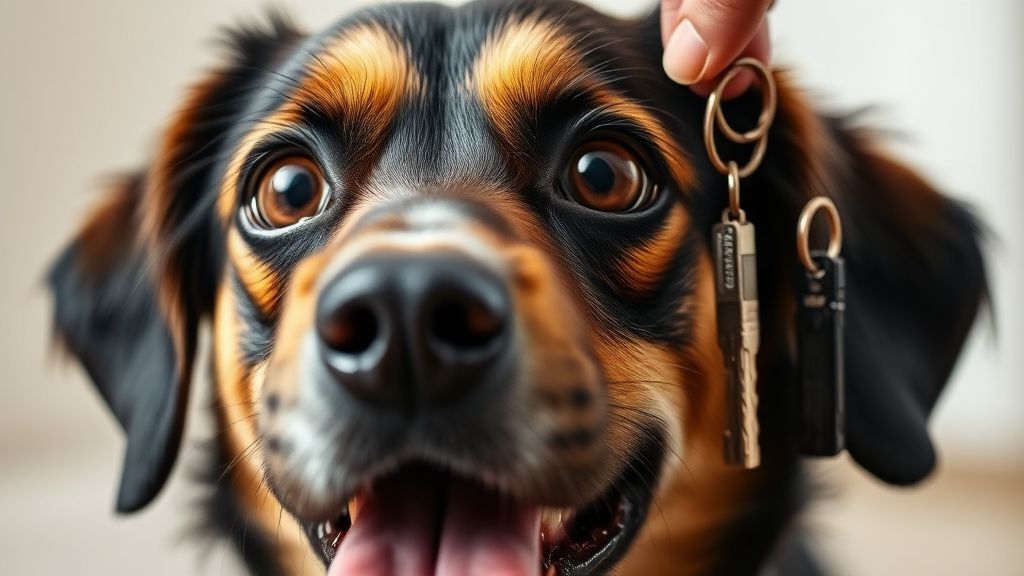
Separation anxiety is more than just a bit of whining when you grab your keys. It's a state of intense fear and panic triggered by the absence of a specific person or persons. According to veterinary behavior resources, anxiety is an uncomfortable emotional state of inner turmoil and dread over anticipated future events. For dogs, this future event is you leaving. Their world becomes unsafe, and their response is profound distress.
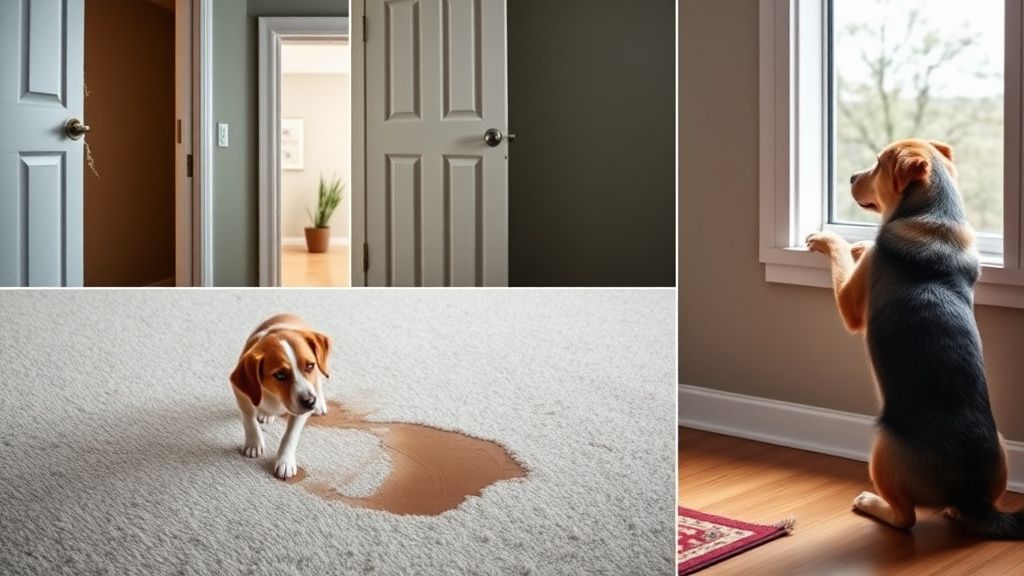
The behaviors are the symptoms of this panic:
* Destructive chewing, often focused on doorframes or items that smell like you
* Persistent barking, whining, or howling
* Attempted escapes that can result in injury
* Pacing in a fixed pattern
* Excessive salivation or drooling
* Urination or defecation, even in otherwise housetrained dogs
It's crucial to understand this isn't disobedience or spite. It's a flood of stress hormones and genuine terror. As noted in our research, many dogs with separation anxiety have more than one behavior problem, which can complicate diagnosis. The first, and perhaps most important step, is to get a clear view of what happens when you're gone. Setting up a video recording of your dog when home alone is a powerful tool that will help your veterinarian with diagnosis and monitoring treatment. You might see patterns you never knew existed.
The Modern Gold Standard: DS/CC (Desensitization & Counterconditioning)
If you've searched for solutions, you've likely seen the terms "desensitization" and "counterconditioning." Together, they form DS/CC, the systematic, evidence based method experts agree is most effective. Think of it as a gentle, psychological reprogramming.
* Systematic Desensitization: This is the "gradual" part. You start by exposing your dog to the very first trigger of your departure routine at a level so low it doesn't cause anxiety. Maybe you just pick up your keys and immediately put them down. You then very slowly increase the intensity or duration, only moving forward when your dog remains completely calm. The goal is to build a new, neutral association with each step. The SPCA of Wake County guide brilliantly points out that we have a "Leaving the House Ceremony" with at least 25 tiny, predictable steps. Your dog is profoundly sensitive to these patterns. Upsetting the patterns deliberately helps your dog learn that each step means less and less, reducing the pre alone time anxiety buildup. Put your shoes on after your coat. Leave through the back door sometimes. Break the script.
* Counterconditioning: This is the "changing the emotion" part. While you perform these tiny departure steps, you pair them with something overwhelmingly positive. The goal is to teach the dog that "keys in hand" predicts "amazing treat," not "despair." This is where high value, long lasting treats and puzzles shine. The AKC suggests teaching them to associate their crate or alone space with wonderful things like chew toys and food releasing puzzle toys so they are happy to spend time inside. A monthly dog subscription box can be a fantastic resource here, providing a rotating supply of novel, engaging toys and treats to use specifically during these training sessions.
The mantra, as PetMD puts it, is to permanently change their perception of what being alone means, one second at a time. You are not building tolerance; you are building a new positive emotional response.
The Role of Medication and Professional Help
For moderate to severe cases, training alone may not be enough. The brain is in a state of hyper arousal, and sometimes it needs help to reach a calm baseline where learning can even occur. The Los Angeles Times article on pandemic pets states clearly, "The best results come from blending desensitization and counterconditioning training with appropriate anxiety medication."
Medication is not a sedative. It's not about drugging your dog into submission. Modern anxiolytics can lower the overall anxiety threshold, making the dog more receptive to the new associations you're trying to build through DS/CC. It's a partnership between pharmacology and behavior modification. Always consult with your veterinarian or a veterinary behaviorist before giving your dog any type of medication for a behavior problem. They can assess if medication is appropriate for your dog's specific situation.
Finding a qualified professional is also key. Look for a Certified Professional Dog Trainer (CPDT) with specific experience in separation anxiety, or a veterinary behaviorist. They can create a tailored plan and support you through the often slow process. The ASPCA also recommends getting involved in dog sports, such as agility or freestyle, to build confidence and mental engagement, which can support overall anxiety reduction.
Breeds Prone to Anxiety and Creating a Safe Space
While any dog can develop separation anxiety, some breeds are genetically predisposed to forming incredibly strong bonds with their people, making solitude harder. A 2026 list highlighted the loving Labrador Retriever, but also a less expected breed: the Affenpinscher. This small, terrier like breed simply loves its owner so much that it hates to see them go. It's not about size; it's about attachment style.
For these dogs, and all dogs with anxiety, creating a designated safe space is vital. This could be a crate, a specific room, or a cozy corner with their bed.
* Make this area associated only with calm and good things. Feed them there with their favorite fresh dog food. Give them their best chews there.
* Use calming aids like pressure wraps (if they find them comfortable) or pheromone diffusers in that space.
* Never use the safe space as punishment. Its emotional charge must remain positive.
Remember, the crate is not a jail. For some dogs, as the AKC notes, they feel safer and more comfortable in their crate when left alone. It becomes a predictable, secure den.
Practical Steps You Can Start Today
This process isn't abstract. Here is a concrete plan to begin, based on expert guidelines from Cobb & Co Veterinary Clinic and others.
1. Video Record: Set up a camera. Know exactly what you're dealing with.
2. Identify Your Ceremony: List every tiny step from thinking about leaving to driving away. Putting on socks, checking your phone, jingling keys, putting on coat, saying "be good," etc.
3. Start at Zero: Choose the first, mildest trigger. For many, it's standing up from the couch. Stand up, then immediately sit back down and give your dog a piece of a fantastic treat, like a freeze dried liver morsel from a freeze dried dog food line. Repeat until your dog looks at you with anticipation when you stand, not worry.
4. Progress by Seconds: Only add duration or intensity when the current step produces zero anxiety. Next, maybe walk to the door and touch the handle, then return and reward. Then, open the door and close it. Then, step out and back in within one second. The increments are microscopic.
5. Build Positive Associations: During all these steps, provide a "alone time only" super toy or puzzle filled with the best dog treats. A stuffed Kong, a challenging puzzle feeder. This special item appears only when you practice departures.
6. Mentally Tire Them Out: Before a real departure, engage their brain. Practice a quick training session of "sit" and "down," or play a fast game of hide and seek with treats. A mentally tired dog is often a calmer dog.
7. Manage Expectations: This takes weeks, often months. There will be plateaus. Celebrate microscopic victories. Changing a deep seated emotional response is slow, but permanent.
If you feel overwhelmed, our dog anxiety guide offers more foundational strategies for creating a calmer lifestyle.
Final Thoughts
Solving separation anxiety is a journey of empathy and patience. It asks us to see our dog's destructive panic not as a problem to be suppressed, but as a cry for help to be answered with understanding and science. The 2026 approach is clear: we must move away from demanding our dogs "just deal with it" and move towards helping them fundamentally change how they feel. By blending systematic training, potential medical support, and a deep commitment to breaking our own predictable patterns, we can offer our dogs true relief. The goal is not a dog who silently suffers your absence. The goal is a dog who learns that your departure might just lead to a delicious puzzle toy, and that you will always, reliably, return. That security, built one second at a time, is the greatest gift we can give a dog who loves us too much to be alone.
Find the Perfect Box for Your Dog
Compare top-rated dog subscription boxes and find the best fit for your pup.
Compare Boxes