Soothe Dog Skin Allergies With Home Remedies

Soothe your dog's itchy skin with simple oatmeal baths or Epsom salt soaks for natural allergy relief at home.
Oatmeal baths and Epsom salt soaks can provide safe, temporary relief for a dog's itchy, allergic skin. Colloidal oatmeal soothes irritation without drying the skin, while Epsom salt's magnesium and sulfate can reduce itchiness and inflammation. These home remedies are best used as a stopgap for comfort until you can consult your veterinarian for a diagnosis and long term treatment plan.
Watching your dog scratch, lick, and chew themselves raw is heartbreaking. Skin allergies are a common and frustrating struggle for many pet parents, turning simple pleasures like a walk in the grass into a source of misery. The constant itching disrupts your dog's sleep, their play, and their overall happiness. While a trip to the vet is the most important step for any persistent issue, there are ways to offer your pup some comfort while you wait for that appointment. In my years of working with dogs, I've found that two of the simplest, most accessible home remedies are oatmeal baths and Epsom salt soaks. They're not cure-alls, but they can be incredibly soothing.
This guide will walk you through exactly how to use these remedies safely and effectively, based on veterinary advice and trusted sources. We'll also look at how they fit into a bigger picture of managing your dog's skin health.
Why Oatmeal and Epsom Salt Work for Itchy Dogs
Before we get to the "how," it helps to understand the "why." Both of these pantry staples have properties that directly address the symptoms of allergic dermatitis, which is the medical term for skin irritation caused by an allergy.
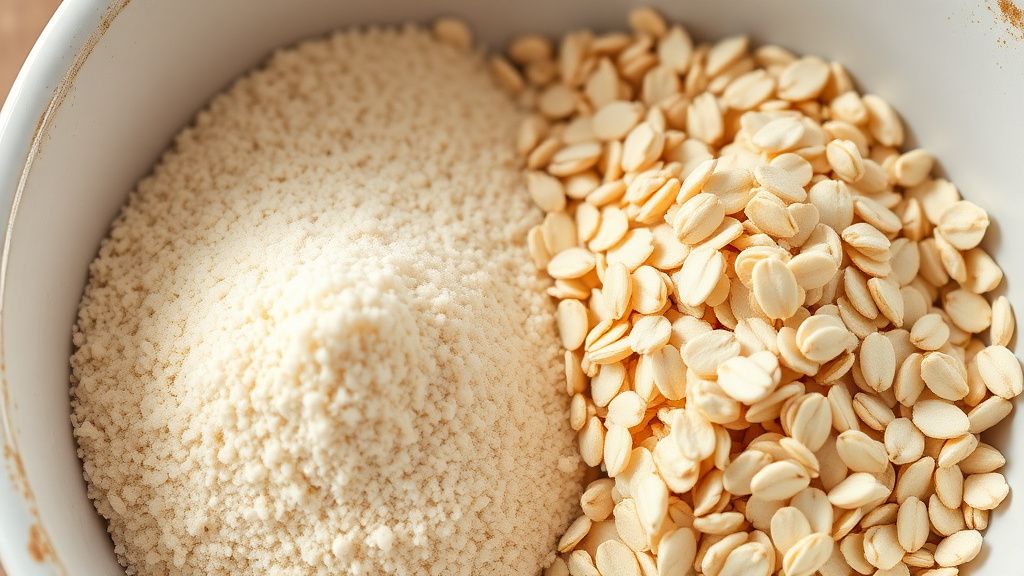
Colloidal oatmeal is simply oatmeal that has been ground into an extremely fine powder. When mixed with water, it creates a milky, colloidal suspension that coats the skin. This coating has a proven soothing effect. It forms a protective barrier that helps hold moisture against the skin, relieving dryness and calming the frantic itch signals. As noted by veterinarians, colloidal oatmeal is excellent because it achieves this soothing effect without being drying, which is a common problem with some medicated shampoos.
Epsom salt is not actually a salt but a pure mineral compound of magnesium and sulfate. For dogs, its primary benefit lies in its ability to relieve itching and reduce inflammation associated with allergic dermatitis. The minerals are thought to be absorbed through the skin, helping to calm the irritated area. The act of soaking in a warm bath itself can also soften the skin and wash away surface allergens, like pollen or dust, that might be stuck in your dog's fur and making things worse.
How to Give Your Dog a Soothing Oatmeal Bath
An oatmeal bath is more than just dumping cereal into your tub. Doing it correctly maximizes the relief for your pup.
Choosing and Preparing Your Oatmeal
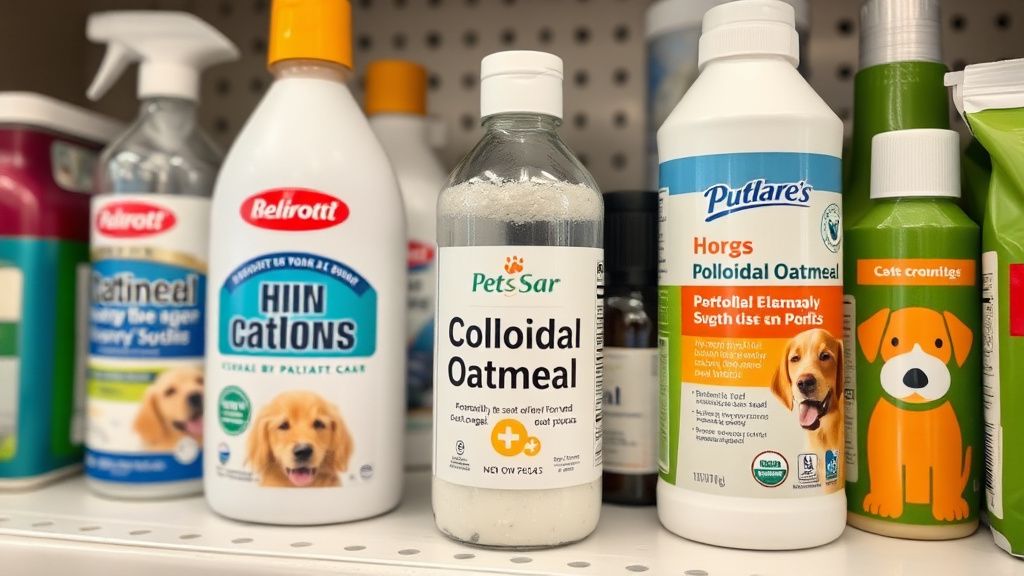
For the best results, look for a product specifically labeled "colloidal oatmeal" at the pharmacy or pet store. These are finely ground for optimal skin contact. If you're in a pinch, you can make your own. Take plain, unflavored oatmeal (not instant) and grind it in a clean coffee grinder or food processor until it becomes a very fine powder. The goal is a consistency that will dissolve and suspend in the water, not just sink to the bottom.
The Step by Step Bath Process
1. Prepare the Bath: Fill your tub or a large basin with a few inches of lukewarm water. Water that is too hot can worsen inflammation. Slowly sprinkle and stir in your colloidal oatmeal powder. You'll know you have enough when the water turns a cloudy, milky white.
2. Gently Place Your Dog: Help your dog into the bath calmly. Use a non-slip mat for safety. Soak them for 10 to 15 minutes. This gives the oatmeal time to work its magic.
3. Massage Gently: While they soak, use your hands to gently massage the oatmeal water into their skin, paying special attention to the itchy areas like the paws, belly, and armpits. Avoid vigorous scrubbing.
4. Rinse and Dry: After the soak, rinse your dog thoroughly with clean, lukewarm water to remove any oatmeal residue that could dry on the skin. Pat them dry with a soft towel. Avoid rubbing, as this can irritate sensitive skin.
For ongoing maintenance, many vets recommend using an oatmeal-based, fragrance-free shampoo. As PetMD advises, these products offer the best results for regular use. The shampoo will not only soothe sore skin but can also help wash away environmental allergens trapped in the coat. For a convenient way to always have a gentle, approved by veterinarians shampoo on hand, consider a monthly dog subscription box. These often include high quality grooming products tailored to your dog's needs.
Using Epsom Salt Soaks for Targeted Relief
Epsom salt soaks are particularly useful for localized problems, like itchy paws, hot spots, or a sore joint. A full-body bath is also an option, but a foot soak or compress is often more practical.
Creating an Effective Epsom Salt Solution
The general recommendation from sources like KingKanine is to mix Epsom salts with hot water to dissolve them, then let the solution cool to a comfortable, warm temperature before use. For a foot soak, a bowl or small basin works perfectly. For a larger area, you can soak a clean washcloth in the solution to use as a compress.
Application and Safety
Apply the soak or compress to the affected area for 5 to 10 minutes. Some guides suggest doing this up to three times a day for severe itchiness. It is crucial that your dog does not drink the Epsom salt water, as ingesting it can cause digestive upset. Always supervise the soak closely, and offer a favorite chew toy or a lick mat smeared with best dog treats to keep them occupied and happy. After the soak, rinse the area with clean water and pat it dry thoroughly.
Important Precautions and When to See the Vet
Home remedies are a tool for temporary comfort, not a substitute for professional veterinary care.
* Do Not Diagnose Yourself: Itchy skin can be caused by allergies (to food, pollen, or fleas), infections, parasites, or other medical conditions. Only your vet can determine the root cause.
* Watch for Worsening Symptoms: If your dog's skin becomes more red, swollen, or develops a foul odor or pus, stop the home treatment and call your vet immediately. These are signs of a possible infection.
* Never Use Human Medications: As stressed by AllerDogs, human creams, pills, or lotions can be toxic to dogs. Stick to pet-specific products.
* The Vet is Essential: If your dog's itchy skin is more severe, your veterinarian will likely recommend a stronger treatment, such as an antiseptic shampoo with an ingredient like chlorhexidine, prescription medication, or a specialized diet.
Think of oatmeal and Epsom salt as a way to hit the "pause" button on the itch-scratch cycle, giving your dog some peace and preventing further self-injury until you get professional help. For dogs with anxiety that worsens their scratching, addressing the root cause of their stress is also key. Our dog anxiety guide offers strategies to help create a calmer environment.
Supporting Skin Health from the Inside Out
Truly managing skin allergies often requires a multi-pronged approach. What your dog eats plays a massive role in their skin's health and resilience.
A balanced diet rich in omega-3 fatty acids (found in fish oil) can help calm inflammation and support the skin's natural barrier from within. As research indicates, better and healthier carbohydrates can also contribute to overall skin health. For many dogs with food sensitivities, recovering fully involves switching to a veterinary allergy diet or a novel protein source.
Exploring different dietary options can be a breakthrough. You might consider fresh dog food for its whole-food ingredients and lack of preservatives, or freeze-dried dog food for a convenient, nutrient-dense alternative. The goal is to find a complete and balanced diet that eliminates your dog's specific triggers.
Final Thoughts
Dealing with dog skin allergies tests a pet parent's patience, but seeing your dog find relief makes every effort worthwhile. Oatmeal baths and Epsom salt soaks are time-tested, approved by veterinarians methods to offer that relief. They are simple, affordable, and can make a noticeable difference in your dog's comfort level.
Remember, these remedies are part of a supportive care team, not the head coach. Your veterinarian is the MVP who will call the plays for long term management. By combining their expert diagnosis and treatment plan with gentle home care and a thoughtful diet, you can help your best friend feel more comfortable in their own skin. Here's to fewer scratches and more tail wags.
Find the Perfect Box for Your Dog
Compare top-rated dog subscription boxes and find the best fit for your pup.
Compare Boxes