DIY Essential Oil Flea And Tick Blends

Ditch harsh chemicals with these easy DIY essential oil blends for safe, natural flea and tick protection on your pets.
A safe, effective DIY essential oil blend for flea and tick protection can be made by mixing 5 drops each of cedarwood, geranium, and lavender essential oils into a dark glass bottle. Always dilute these oils in a carrier oil like fractionated coconut oil before applying topically to your dog's neck, legs, and base of the tail, or adding to a cotton collar. Remember, these natural repellents are not foolproof and require consistent, cautious application.

As the weather warms up and we spend more time outdoors with our dogs, the threat of fleas and ticks becomes a real concern. Many pet parents are looking for alternatives to chemical preventatives, turning to the power of nature with essential oils. I've seen this shift firsthand among the community of dog lovers we serve at Best Dog Box. While the promise of a natural solution is appealing, it's crucial to approach it with both knowledge and caution. This guide will walk you through the practical steps of creating your own DIY essential oil blends, grounded in recipes from experts and holistic animal aromatherapy texts. We'll cover which oils are most effective, how to use them safely, and the realistic expectations you should have. Because keeping your dog safe from pests is part of a complete approach to their health, right alongside feeding them a balanced and complete diet and providing mental enrichment from a dog subscription box.
How Do Essential Oils Repel Fleas and Ticks?
Essential oils work as repellents, not killers. Their strong, aromatic compounds create a scent barrier that fleas, ticks, and other biting insects find unpleasant, encouraging them to hop off or avoid your dog altogether. This is different from many pesticide treatments which are designed to kill parasites on contact or after they bite.
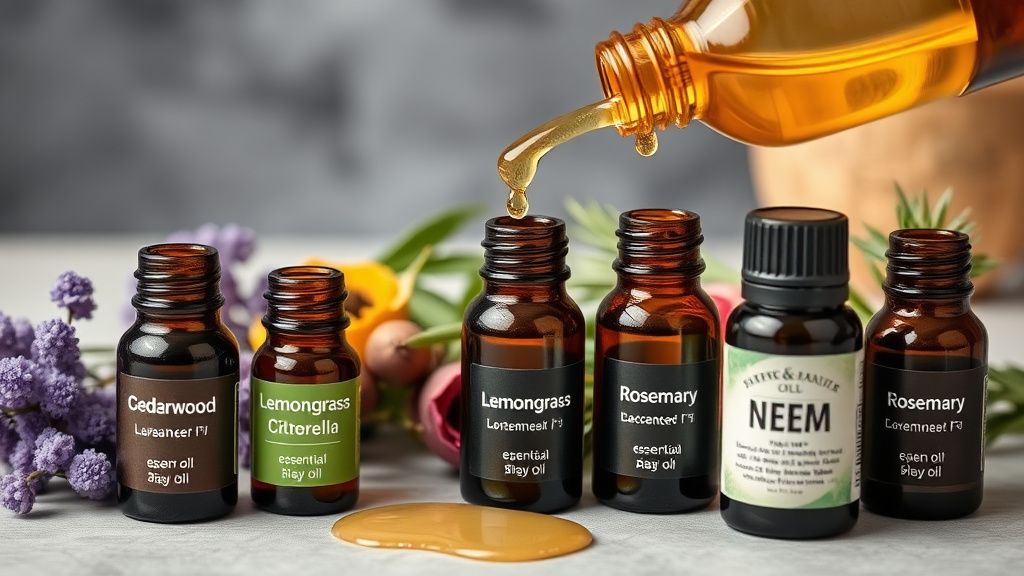
Certain oils have proven particularly effective for this purpose. According to research, oils like lavender, lemongrass, cedarwood, citronella, and rosemary are commonly used to deter these pests. Cedarwood oil, for instance, is a standout for its insecticidal properties. Another powerful player is neem oil, derived from the neem tree in Asia, which is known for its impressive anti insecticidal properties. When diluted properly, neem oil is safe and effective for dogs. A popular blend combines Cedarwood Texas oil, Lemongrass, and Neem Oils to create a strong natural barrier.
It's vital to understand that efficacy can vary. The strength of the oil, your dog's individual scent, the local pest population, and even the weather can affect how well a blend works. These oils repel but do not kill fleas and ticks outright. This means your dog is protected primarily by making them less attractive, which is a good first line of defense but may not be sufficient in high risk areas.
What Are the Safest Essential Oils and Carrier Oils for Dogs?
Safety is the non negotiable first step. Essential oils are highly concentrated plant extracts and can be harmful if used incorrectly. Never apply undiluted ("neat") essential oils directly to your dog's skin. Always, always dilute them in a carrier oil.
Safe Essential Oils for Flea & Tick Repellent:* Cedarwood: A top choice for its repellent qualities.
* Lavender: Known for its calming and repellent properties.
* Geranium: Often used in combination with other oils.
* Lemongrass: A strong insect repellent.
* Citronella: Famous for keeping mosquitoes away.
* Rosemary: Helps repel pests and can support coat health.
* Neem Oil: Technically a carrier oil with strong insecticidal properties, it's often included in blends.
Best Carrier Oils:A carrier oil dilutes the essential oils to a safe concentration for topical application. Good options include fractionated coconut oil (FCO), which is lightweight and odorless, sweet almond oil, or jojoba oil. For a simple spray recipe, you would add 1 tablespoon of your chosen carrier oil to an empty glass spray bottle along with the essential oils.
The general rule for dilution is to keep the concentration very low for dogs. One expert recipe suggests a 1% concentration for a dog friendly blend. For a 1 ounce (30 ml) bottle, this means you would fill the bottle almost entirely with your carrier oil and add only about 6-9 total drops of essential oil. Less is more, especially when you are starting out.
Can You Share Some Proven DIY Essential Oil Recipes?
Here are a few specific recipes gathered from holistic pet care sources, including one from the book *Holistic Aromatherapy for Animals* by Kristen Leigh Bell. Always store your blends in dark glass bottles to protect the oils from light degradation.
Recipe 1: The Simple Bandana or Collar BlendThis is perfect for creating a lasting scent barrier on a fabric item your dog wears.
* Ingredients: 5 drops Cedarwood essential oil, 5 drops Geranium essential oil, 5 drops Lavender essential oil.
* Instructions: Mix the 15 drops of oil into a small dark glass bottle. You can then add this mixture to about a tablespoon of carrier oil. Soak a cotton collar or bandana in the diluted blend, let it dry completely, and then put it on your dog. Re apply every week or when the scent fades.
Recipe 2: The All Over Topical Application BlendThis blend is designed for direct, diluted application to your dog's skin.
* Ingredients: 20 drops Citronella, 20 drops Lemongrass, 20 drops Rosemary, 10 drops Cedarwood.
* Instructions: Blend all oils in a dark glass dropper bottle. To use, first dilute further by adding 2 to 4 drops of this blend to a small amount of carrier oil in your palm. Apply to the neck, chest, legs, and base of the tail, key entry points for pests. Avoid the face, eyes, and genitals.
Recipe 3: The Neem-Enhanced Protective SprayThis recipe incorporates neem oil for added insecticidal power.
* Ingredients: 1 tablespoon carrier oil (like FCO), 10 drops Cedarwood essential oil, 7 drops Lemongrass essential oil, 1 teaspoon neem oil.
* Instructions: Add the carrier oil and neem oil to a 2-4 ounce glass spray bottle. Add the essential oils. Shake vigorously before each use. Mist your hands and rub onto your dog's coat, or spray lightly onto the coat while avoiding the face. Do a patch test on a small area of skin first to check for any reaction.
How Do You Apply These Blends Correctly and Safely?
Correct application ensures safety and maximizes effectiveness. A haphazard approach can lead to skin irritation or ineffective protection.
Step by Step Application Guide:1. The Patch Test: Before using any new blend all over your dog, apply a small amount of the diluted mixture to a patch of skin, like on their inner leg. Wait 24 hours to check for any redness, itching, or irritation.
2. Dilution is Mandatory: Never skip the carrier oil. As one source clearly states, "DILUTE the oil with a carrier oil first."
3. Application Areas: Focus on where pests are most likely to latch on. Apply to the neck, belly, back, and legs. The base of the tail is a common flea hotspot.
4. Avoid Sensitive Areas: Keep oils away from your dog's eyes, nose, inner ears, mouth, and any private areas.
5. Frequency: Natural oils evaporate and wear off more quickly than chemical preventatives. Reapplication is typically needed every day or every other day, especially after swimming or bathing.
6. Method: You can apply by misting your hands and rubbing the oil into the coat, using a dropper, or using a spray bottle. For a continuous effect, the cotton collar method mentioned earlier is excellent.
Watch your dog closely after the first few applications. If you notice any signs of discomfort, lethargy, drooling, or scratching, stop use immediately and wash the area with a mild dog shampoo. Remember, what works for one dog may not work for another. Their individual health, age, and even breed can influence tolerance.
What Are the Realistic Limits of Natural Prevention?
It's crucial to balance optimism with realism. While essential oils have their place in flea and tick prevention, they are not foolproof. Animal Wellness Magazine points out several limitations: their efficacy can be unpredictable, they don't last as long as some treatments, they only repel (not kill), and improper use can lead to potential toxicity.
The effectiveness of natural remedies can vary widely. Factors include the specific batch of oil, your dog's unique chemistry, the severity of the pest problem in your environment, and how diligently you reapply. In a high risk area like a wooded trail or a region with a high incidence of Lyme disease, relying solely on essential oils may not provide adequate protection. They are best thought of as a component of a broader strategy.
This strategy should include regular grooming with a flea comb, keeping your yard trimmed, and checking your dog thoroughly after every outdoor adventure. Pairing natural repellents with consistent monitoring is a smart approach. For dogs with a history of severe anxiety about grooming or handling, making pest checks a positive experience with the best dog treats is key.
Final Thoughts
Creating your own DIY essential oil blends for flea and tick prevention can be a rewarding and aromatic part of your dog care routine. It empowers you to know exactly what's going on your dog's skin and aligns with a more natural lifestyle. Starting with simple, proven recipes like the cedarwood, geranium, and lavender blend for a bandana is a great way to begin.
Always prioritize safety through proper dilution and patch testing. Manage your expectations by understanding that these are repellents best used as part of a comprehensive plan, especially in high risk situations. The goal is a happy, healthy dog, free from the irritation and disease risks these pests carry. Whether you're using these blends, serving a nutritious fresh dog food, or enjoying the monthly surprise of a new toy, every choice you make contributes to your dog's well being. Here's to a season of safe, fun filled adventures with your best friend.
Find the Perfect Box for Your Dog
Compare top-rated dog subscription boxes and find the best fit for your pup.
Compare Boxes