Essential Brushes For Double Coat Breeds
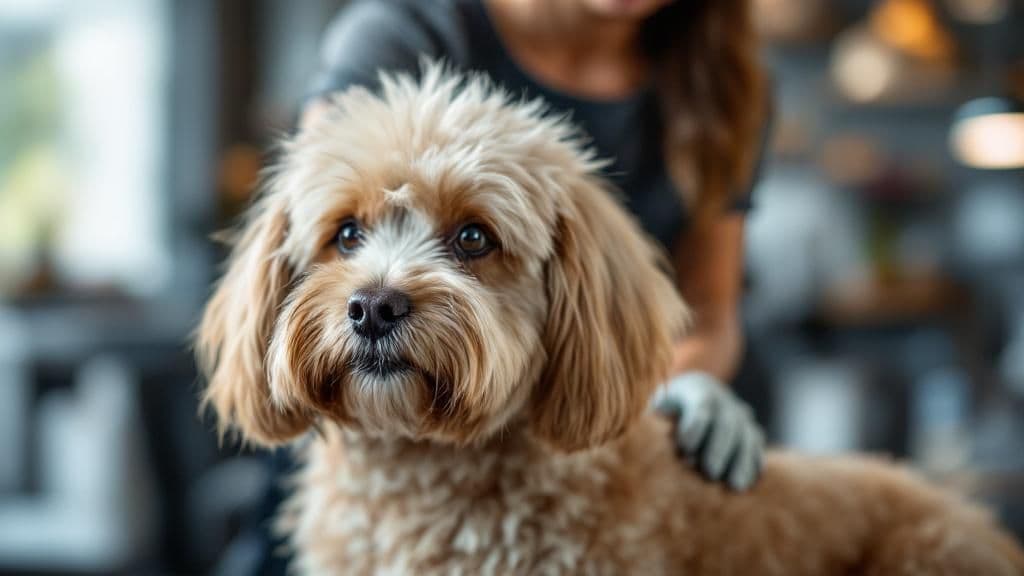
Unlock a tangle free, healthy coat with essential brushes designed for heavy-shedding double-coated breeds.
The essential toolkit for deshedding a double coated dog includes an undercoat rake to remove loose undercoat, a slicker brush for detangling and smoothing the topcoat, a pin brush for daily gentle grooming, and a metal comb for final detailing. For breeds like Huskies and German Shepherds, using these tools in the right order is key to managing heavy shedding and maintaining a healthy coat.
If you share your life with a Siberian Husky, a German Shepherd, or any of the other magnificent double coated breeds, you're intimately familiar with two things: their breathtaking beauty and the relentless tumbleweeds of fur that decorate your home. As an expert dog care writer, I've spoken with countless owners who feel overwhelmed by the shedding. But here's the truth: that glorious double coat is a masterpiece of natural engineering, providing crucial temperature regulation against both heat and cold. When clogged with dead fur, this system becomes less effective. The goal isn't to stop the shed it's impossible but to manage it proactively with the right tools. A proper brushing routine is the single most effective way to keep your dog comfortable, your home (somewhat) fur free, and your bond strong. It also gives you a chance to check for any unusual skin issues or sore spots. Let's build your ultimate deshedding toolkit.
What Exactly Is a Double Coat and Why Does It Shed So Much?
Before we talk tools, it helps to understand what you're working with. A double coat isn't just a lot of hair, it's a two layer system. The top layer, or guard hairs, is made of longer, coarser hairs that repel water and dirt. The layer beneath is the undercoat: a dense, woolly, and incredibly soft layer of fur that acts as insulation.
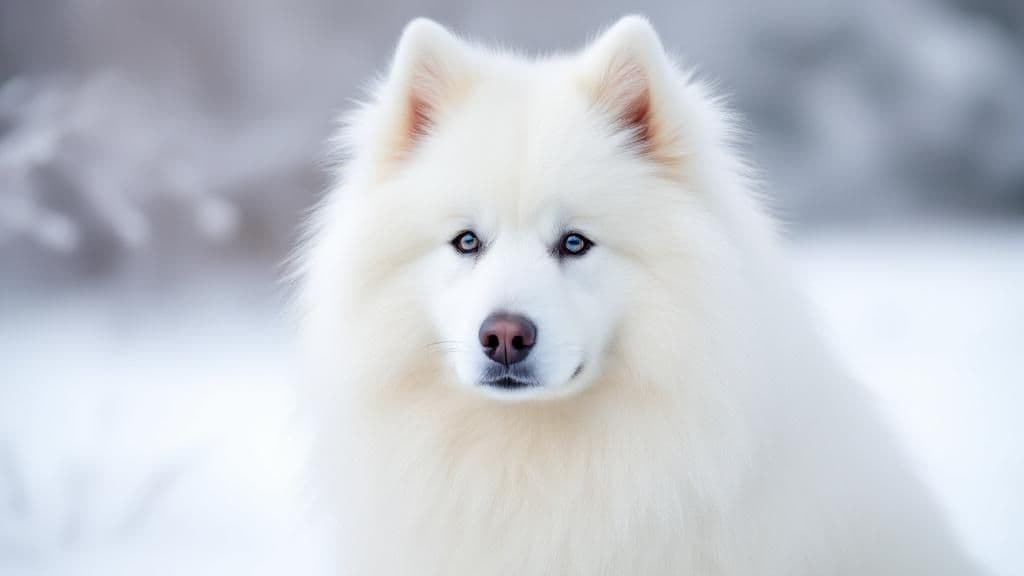
These breeds shed heavily, especially during seasonal changes in spring and fall, because they are literally "blowing" their undercoat to adjust to the coming temperatures. An Australian Shepherd will shed its dense undercoat to prepare for summer, while a Samoyed will grow a thicker one for winter. This is normal and healthy. The problem arises when that loose undercoat doesn't get removed. It mats, traps heat, and can lead to skin irritation. A matted undercoat is also a perfect environment for parasites. Regular brushing with the correct tools is not vanity, it's a core part of their health care, much like choosing a balanced and complete dog food delivery for their diet.
The Core Four: Essential Brushes for Your Double Coat Toolkit
You don't need a cabinet full of gadgets. Based on groomer and vet recommendations, these four tools form the foundation of an effective routine.
Undercoat Rake
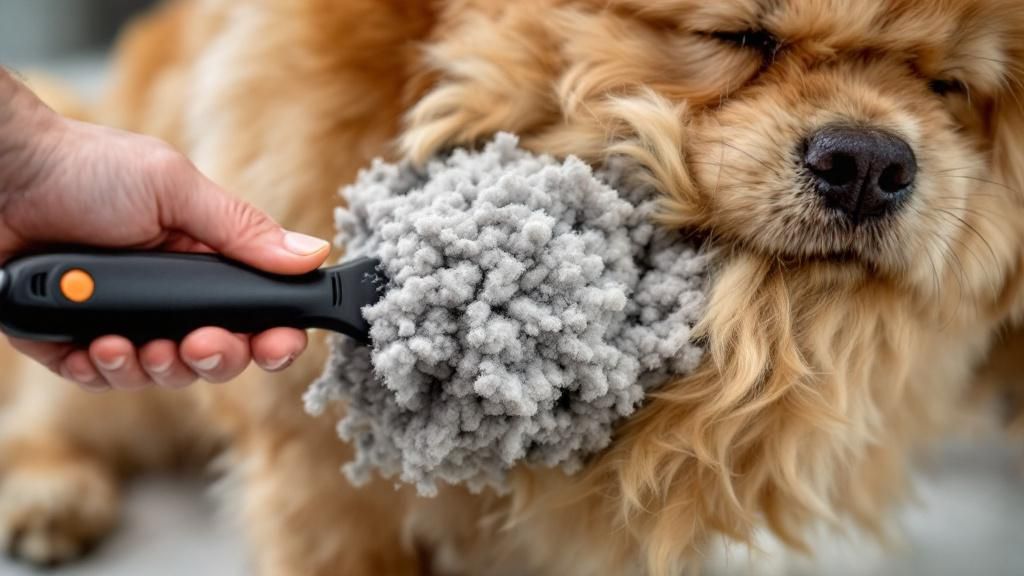
This is your heavy lifter for deshedding. An undercoat rake has long, widely spaced teeth designed to penetrate the topcoat and reach the dense undercoat to pull out loose fur without cutting or damaging the healthy guard hairs. Look for models with rounded tips to protect your dog's skin. The Maxpower Planet Double Sided Undercoat Rake, noted by experts, is a great example with two sides: one with wider spaced teeth for initial detangling and another with more teeth for fine deshedding. This tool is non negotiable for breeds like Golden Retrievers, Collies, and Bernese Mountain Dogs.
Slicker Brush
With very thin, closely set wire bristles, a slicker brush is your go to for general brushing and removing loose fur from the topcoat. It's excellent for breaking up minor tangles and mats and for giving the coat a smooth, finished look. Veterinarians and groomers recommend them specifically for double coated shedders. Use it after the undercoat rake to catch any remaining loose hairs and polish the guard hairs. A flexible head, like on the Les Poochs brush, allows you to apply firm pressure comfortably because the bristles are therapeutically rounded.
Pin Brush
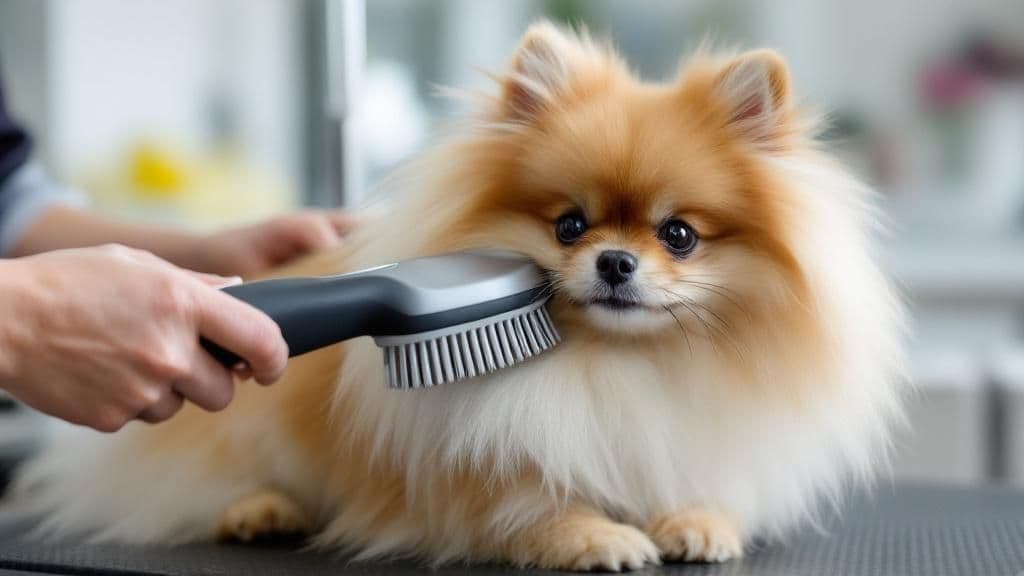
A pin brush has bristles set on a flexible rubber cushion, making it ideal for daily, gentle grooming sessions. It's perfect for distributing natural oils, smoothing the coat, and removing surface level dirt and loose hairs without being too aggressive. The AKC highlights its role in bonding, and the PDGA guide specifically calls out a pin brush with flexible bristles as ideal for daily grooming on Huskies. It's a great tool for maintenance between heavier deshedding sessions.
Metal Comb
A sturdy metal comb, often with both wide and fine spaced teeth, is your final inspector. After using the rake and brushes, run the comb through the coat. It will find any small tangles you missed, especially behind the ears, under the legs, and around the tail. It ensures the job is truly done and the coat is tangle free. Grooming guides for breeds like Border Collies and German Shepherds recommend finishing with a metal comb to eliminate remaining tangles.
How to Build Your Deshedding Routine: A Step by Step Guide
Having the tools is one thing. Using them in the right order is what makes the process efficient and effective for both you and your dog.
1. Start with the Undercoat Rake. On a dry coat, begin at the neck and use long, smooth strokes toward the tail, following the direction of hair growth. Focus on one section at a time. The wide spaced teeth will glide through, pulling out clumps of soft undercoat. Be gentle but firm. You'll be amazed at the amount of fur that comes out. Do this over a towel or outside if possible.
2. Follow with the Slicker Brush. Go over the same areas with your slicker brush. Use gentle pressure and short strokes to catch any leftover loose undercoat and smooth the topcoat. This brush is excellent for areas like the fluffy pantaloons on an Australian Shepherd or the chest ruff of a Husky.
3. Smooth with the Pin Brush. This is the soothing phase. Use long, loving strokes from head to tail. This helps remove any final loose hairs, distributes skin oils for a healthy shine, and turns the session into a calming massage. It's a perfect time to offer a few of the best dog treats as a reward for patience.
4. Inspect with the Metal Comb. Take your comb and check all the high friction areas: behind the ears, under the armpits, around the neck, and at the base of the tail. The comb will find any sneaky little knots the brushes might have missed. Gently work them out.
Frequency depends on the season. During peak shedding seasons, you may need this full routine 2 3 times a week. In off seasons, once a week might suffice, with a quick daily once over with the pin brush to keep things tidy.
Common Mistakes to Avoid When Brushing Double Coats
Even with the best intentions, it's easy to make errors that can hurt your dog or damage their coat.
* Brushing a Dirty or Wet Coat: Always brush a clean, completely dry coat. Dirt and moisture can cause mats to form and tighten, and brushing can tear the hair or irritate the skin.
* Not Reaching the Skin: The goal is to brush all the way down to the skin, not just skim the surface. Part the hair with one hand and brush the lower layers with the other to ensure you're reaching the undercoat.
* Using the Wrong Tool for the Job: A standard human hairbrush or a furminator style blade tool can actually cut and damage the precious guard hairs of a double coat. Stick with the tools designed for the purpose: rakes, slickers, pins, and combs.
* Neglecting Problem Areas: It's easy to brush the easy to reach back and skip the sensitive belly, armpits, and behind the legs. These areas are prime spots for matting and need careful attention.
* Rushing or Being Rough: This should be a positive experience. If you're frustrated or rough, your dog will learn to dread brush time. Be patient, use positive reinforcement, and keep sessions short if needed.
Supporting Your Dog's Coat Health From the Inside Out
Brushing is external maintenance, but a healthy coat starts from within. Nutrition plays a massive role. A diet rich in essential fatty acids, like Omega 3 and Omega 6, supports skin health and a strong, shiny coat. Think of it like this: you can brush a dry, brittle coat, but you'll be fighting a losing battle if the hair isn't healthy at the follicle.
This is where the convenience of a tailored dog best dog subscription boxes can be a game saver for busy owners. These services often include supplements like fish oil, shampoos formulated for double coats, and even tools, taking the guesswork out of selecting products that complement your dog grooming schedule. Pairing excellent external care with top quality internal nutrition is the true secret to managing shedding.
Final Thoughts
Living with a double coated dog is a commitment, and the fur is part of the package. But it doesn't have to control your life. By assembling this simple toolkit an undercoat rake, a slicker brush, a pin brush, and a metal comb and committing to a consistent, gentle routine, you transform a chore into an act of care. You'll not only reduce the amount of loose fur in your environment, but you'll also ensure your dog's natural insulation system works perfectly, keeping them comfortable in all seasons. Most importantly, you'll be strengthening your bond through regular, positive touch. The sight of a happy, healthy Husky or Shepherd with a gleaming, well maintained coat is a reward that far outweighs the effort of filling up another brush full of fur.
Find the Perfect Box for Your Dog
Compare top-rated dog subscription boxes and find the best fit for your pup.
Compare Boxes