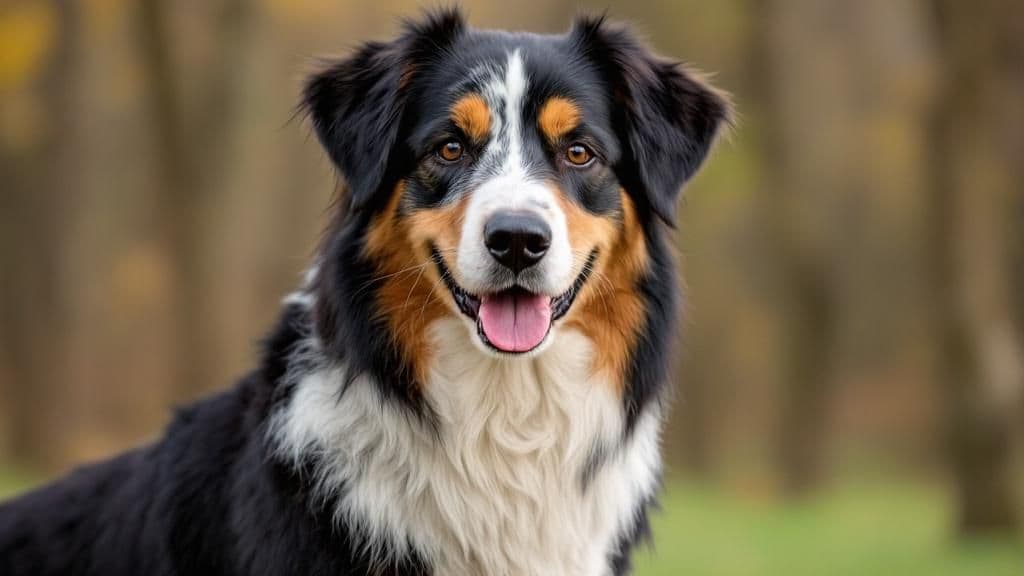
Master Double Coat Dog Grooming Tips
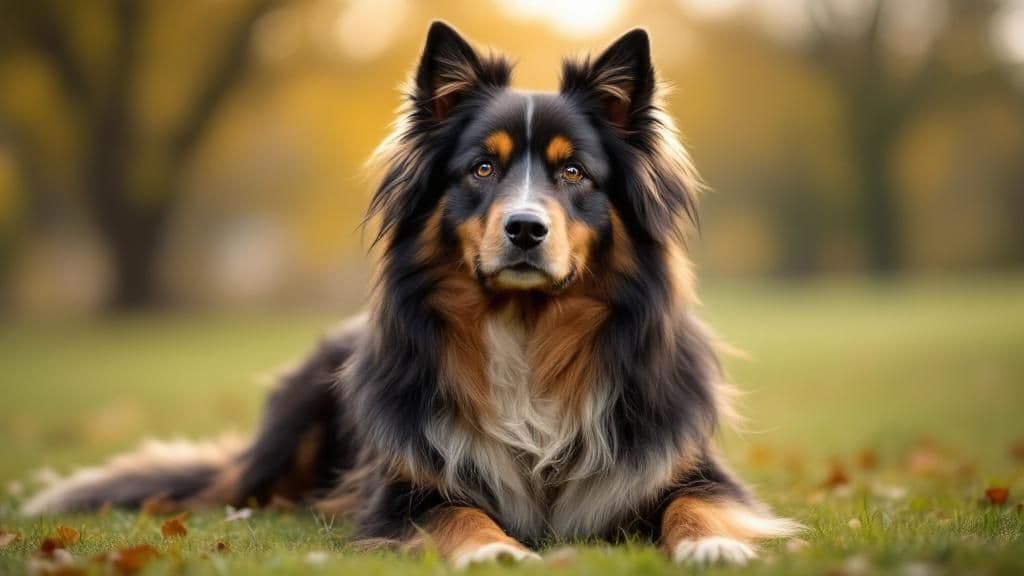
Master double coat grooming for breeds like Labradors and Corgis with our essential brushing techniques for a healthy, shiny coat.
Grooming a double coated dog requires a focus on removing the loose undercoat with the right tools, like a slicker brush and undercoat rake, several times a week. Daily brushing is often needed during heavy shedding seasons to prevent mats and control fur around your home. You should never shave a double coated dog, as it damages their natural temperature regulation and protection.
If you share your life with a fluffy Husky, a loyal Labrador, or a charming Corgi, you're intimately familiar with the magical appearance of tumbleweeds of fur drifting across your floor. That's the calling card of the double coated dog, a marvel of canine engineering that keeps them warm, cool, and protected. But that incredible coat requires a specific grooming strategy. As a dog care writer, I've spoken to countless owners who feel overwhelmed by the shedding. They often wonder if shaving is the answer (it absolutely is not) or if they're simply doomed to a life of fur covered clothing. The good news is that with the right knowledge and a consistent routine, you can manage the fluff, keep your dog incredibly comfortable, and even strengthen your bond through grooming sessions. This guide will walk you through everything from the science of that double layer to breed specific brushing tips that actually work.
What Exactly is a Double Coat?
Before we pick up a single brush, it's crucial to understand what we're working with. A double coat is exactly what it sounds like: two distinct layers of fur that work together as a sophisticated environmental suit for your dog.
The undercoat is the soft, fluffy, dense layer closest to the skin. Its primary job is insulation. Think of it as your dog's built in thermal underwear. It traps a layer of air to keep them warm in winter and, importantly, also helps keep them cooler in summer by insulating against external heat.
The topcoat (or guard coat) is made up of longer, coarser, and water resistant hairs. This layer protects your dog from the elements: sun, rain, dirt, and dense brush. It's their durable outer shell.
This incredible system is why organizations like the American Kennel Club strongly advise against shaving double coated breeds. As they explain, shaving can damage the coat permanently, removing protection and ruining its ability to regulate temperature. Your goal in grooming is not to eliminate the coat, but to maintain it by regularly removing the loose, dead undercoat that is ready to shed.
The Essential Toolkit for Double Coat Grooming
Using the wrong brush on a double coat is like trying to mow your lawn with scissors. It's frustrating and ineffective. Based on groomer recommendations and my own testing, here is the toolkit you need to assemble.
* Slicker Brush: This is your go to for initial work. Its fine, short wires are perfect for gently breaking up loose undercoat and removing surface tangles. The Otaki Vets guide recommends starting with a slicker brush for the soft undercoat to remove the initial layer of loose hairs.
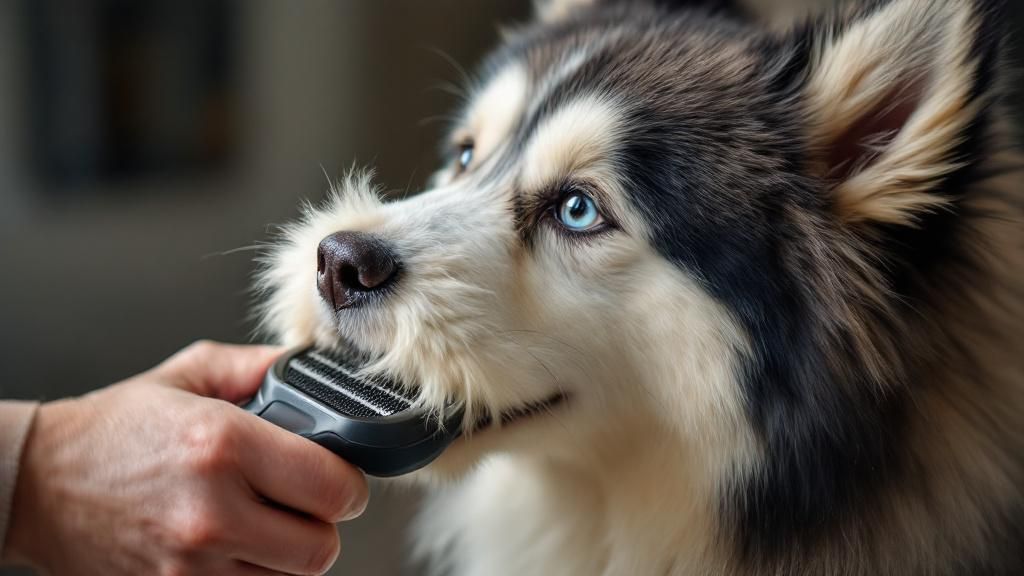
* Undercoat Rake: This is the heavy hitter for shedding season. It has longer, rounded teeth designed to penetrate the topcoat and pull out large clumps of the soft, dead undercoat without cutting or harming the healthy guard hairs. Following the slicker brush with an undercoat rake, as the vets suggest, is a powerhouse combination.
* De shedding Tool (like a Furminator-style tool): These are specialized tools with a blade that safely grabs and removes loose undercoat. They are incredibly effective but should be used with care and not overused in one spot to avoid thinning the coat.
* Bristle Brush: Ideal for short haired double coated breeds like Labradors and Corgis, a bristle brush is excellent for a final polish. It removes any last bits of loose hair and distributes natural skin oils through the coat, giving it a healthy shine.
* De matting Comb: For longer haired double coated dogs like Golden Retrievers or Collies, a sturdy comb with rotating teeth is invaluable for working through small tangles before they become severe mats. For large, tight mats, always seek a professional groomer to avoid hurting your dog.
* High Velocity Dryer: While an investment, a dryer designed for dogs is a game changer for blowing out the loose undercoat, especially during seasonal sheds. It's faster and more thorough than brushing alone.
Having these tools on hand makes the job manageable. I often recommend that owners of heavy shedders look for a dog best dog subscription boxes that includes grooming tools; it's a great way to try out professional grade products and keep your toolkit fresh.
Your Step by Step Brushing Routine
Consistency is everything. Here’s how to structure an effective grooming session that your dog may even come to enjoy.
1. Prep and Positive Vibes: Never groom a dirty coat. If needed, give your dog a bath with a de shedding shampoo and conditioner first, as a clean coat sheds loose hair more easily. Always pair grooming with positivity. Have some of the best dog treats on hand to reward calm behavior.
2. Start with the Slicker: Begin with gentle strokes using your slicker brush. Work in the direction of hair growth, section by section. Pay extra attention to high friction areas: behind the ears, under the legs, and around the collar. For long haired breeds, these areas tangle easily and need careful daily attention.
3. Go Deep with the Rake or De shedding Tool: Once you've lifted the initial layer, take your undercoat rake or de shedding tool. Use long, smooth strokes, again following the hair growth. You'll be amazed at the soft tufts that come out. Remember, you're removing hair that was already loose and ready to go.
4. Check Your Work with a Comb: For dogs with longer topcoats, run a medium tooth comb through the coat. This ensures you've caught all tangles and leaves the coat smooth.
5. Finish with a Bristle Brush: A final once over with a bristle brush removes any last loose hairs and leaves the coat looking sleek and polished.
6. Pamper the Paws and Ears: Grooming isn't just about fur. Use this time to handle their paws, check their nails, and look in their ears. The AKC suggests getting dogs used to this kind of handling from a young age, using a soft toothbrush on their gums and gently examining them all over. It builds trust and makes vet visits easier.
Breed Specific Brushing Tips and Schedules
While the core principles are the same, your approach should be fine tuned for your dog's specific coat type and lifestyle.
For Long-Haired Double Coated Breeds (Golden Retrievers, Australian Shepherds, Border Collies, Siberian Huskies)These glamorous coats require the most diligent upkeep. Matting is a real concern.
* Frequency: Aim for brushing every other day, and daily during shedding seasons. The Pooches at Play guide emphasizes that breeds with long outer coats should be brushed every day to prevent tangles.
* Technique: Be meticulous. Work in small sections, holding the hair at the base to avoid pulling the skin. The slicker brush and undercoat rake are your best friends. Always follow with a comb to ensure no hidden knots are lurking near the skin.
* Bathing: Regular baths with a good conditioner help keep the long topcoat smooth and less prone to matting.
For Short-Haired Double Coated Breeds (Labrador Retrievers, Pembroke & Cardigan Welsh Corgis, Greater Swiss Mountain Dog)Don't let the shorter hair fool you. These dogs are prolific shedders. The AKC lists these breeds as having short double coats that originally protected them during work in cold weather and brush.
* Frequency: Brushing 2-3 times a week is sufficient for maintenance, but expect to brush daily when they "blow" their coat seasonally. As noted in our research, while they don't mat like long haired dogs, they shed just as heavily.
* Technique: A rubber curry brush or a bristle brush is excellent for a quick daily pass to grab loose hairs. For deeper sessions, use a de shedding tool or undercoat rake followed by the bristle brush for a shiny finish. For my own Corgi, I find a five minute daily brush with a de shedding tool keeps 90% of the fur off my furniture.
The Heavy Shedders (Huskies, Malamutes, German Shepherds)These breeds are in a league of their own when they blow their undercoat, typically in spring and fall.
* Frequency: Daily brushing is non-negotiable during shedding season. Outside of those periods, 3-4 times a week is ideal.
* Technique: This is where your undercoat rake and high velocity dryer earn their keep. Brushing outside is highly recommended. You'll remove such vast quantities of fur that it can look like you're creating a whole new dog. Be patient and systematic.
What NOT to Do: Common Double Coat Mistakes
Even with the best intentions, it's easy to make errors that can affect your dog's coat health.
* Never Shave Your Double Coated Dog. This cannot be stressed enough. Shaving ruins the coat's ability to insulate and protect. It can lead to permanent coat damage, sunburn, and skin issues. A well groomed undercoat is what regulates their temperature, even in summer.
* Don't Brush a Dry, Dirty Coat. This can cause breakage and isn't as effective. A spritz of conditioning spray or a bath before a big brush out makes the process smoother.
* Avoid Neglecting "Problem Areas." The armpits, behind the ears, the breeches (back of the thighs), and under the collar are mat magnets. Give these spots extra attention every time you brush.
* Don't Rush. Hasty, aggressive brushing is painful and will make your dog hate grooming. Turn it into a calm, positive ritual.
Making Grooming a Positive Experience
Start grooming routines when your dog is young. The AKC experts advise getting puppies used to gentle brushing, having their feet handled, and having their mouths touched. If you have an older dog who is skeptical, go slow. Pair every session with praise, treats, and patience. Keep early sessions very short and positive. The goal is to build a lifetime of cooperation, not win a battle.
Good overall health supports a healthy coat. A diet that is balanced and complete, like that from a reliable dog food delivery service tailored to your breed's needs, provides the nutrients for strong skin and fur. Omega 3 fatty acids are particularly beneficial.
Final Thoughts
Grooming your double coated dog is far more than a chore to control shedding. It's an essential part of their healthcare and a wonderful opportunity for connection. By understanding the purpose of their amazing two layer coat, investing in the right tools, and establishing a consistent, breed appropriate routine, you transform a potentially hairy nightmare into a manageable and even enjoyable part of dog ownership. You'll have a healthier, happier dog and, I promise, slightly less fur in your coffee. The bond you build during those quiet brushing sessions, with your dog relaxed and trusting you to care for them, is worth every single hair you collect in your brush.
Recommended Products



Find the Perfect Box for Your Dog
Compare top-rated dog subscription boxes and find the best fit for your pup.
Compare Boxes