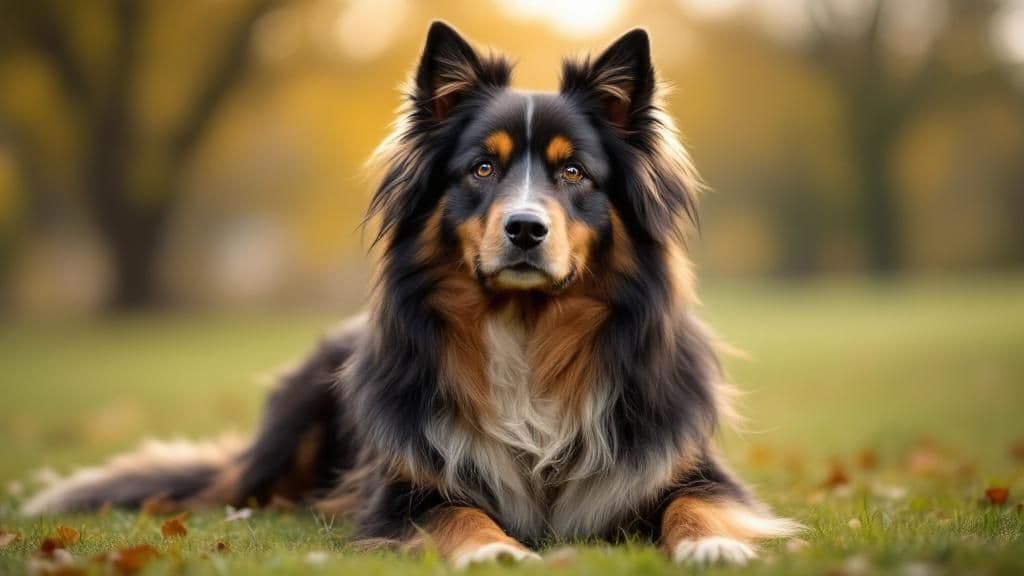
Detect Double Coat Grooming Crisis Signs
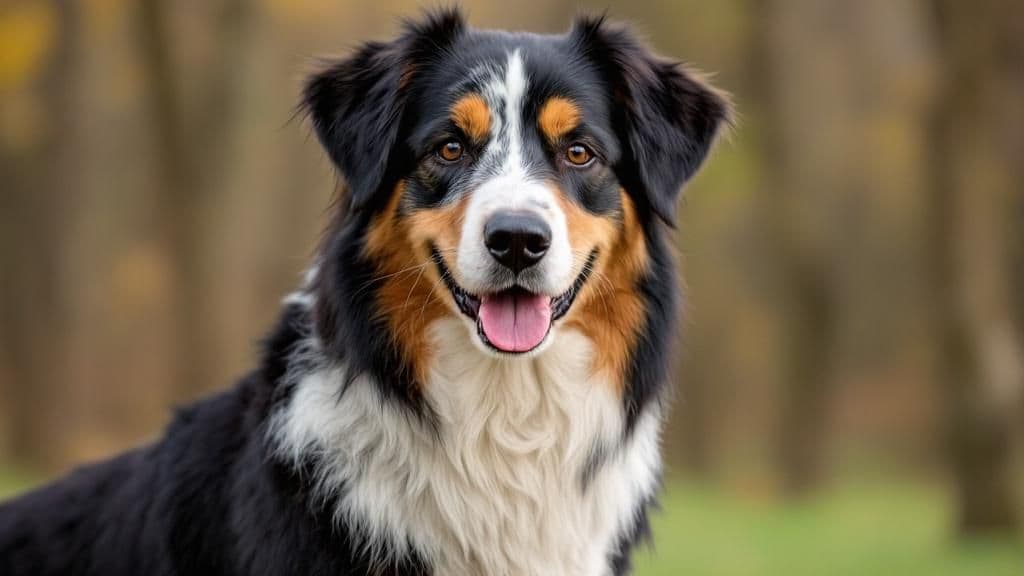
Spot the difference: matting signals urgent grooming, while shedding is normal.
Matting and shedding are two different issues in double coated dogs. Matting is the painful tangling of hair, often in specific spots like behind the legs, which pulls on the skin and traps moisture. Shedding, especially the seasonal "coat blow," is a natural process where the undercoat releases loose fur. A grooming crisis is happening if you find solid patches of fur (mats), your dog shows skin irritation, or if normal shedding is accompanied by excessive lethargy or panting.
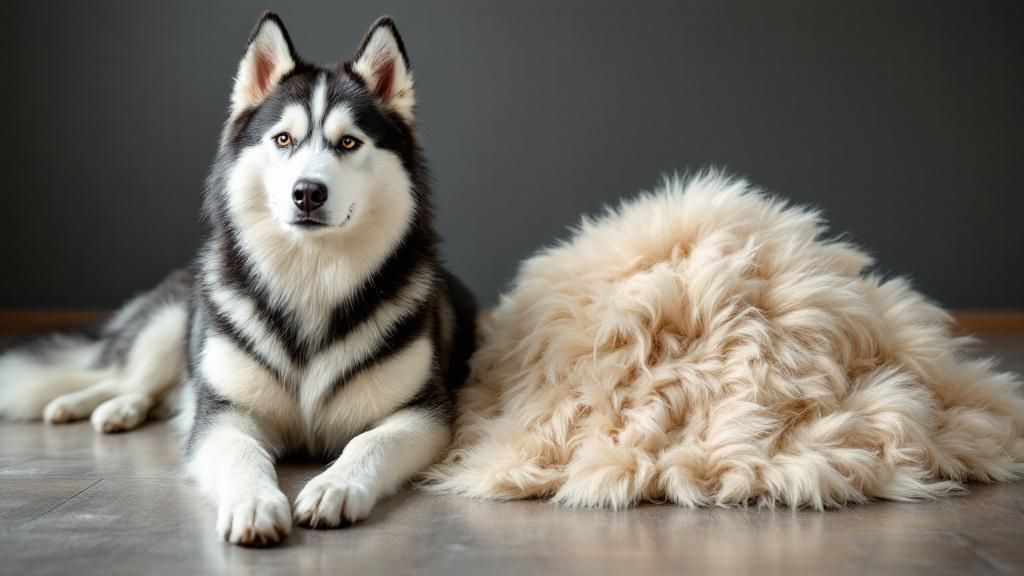
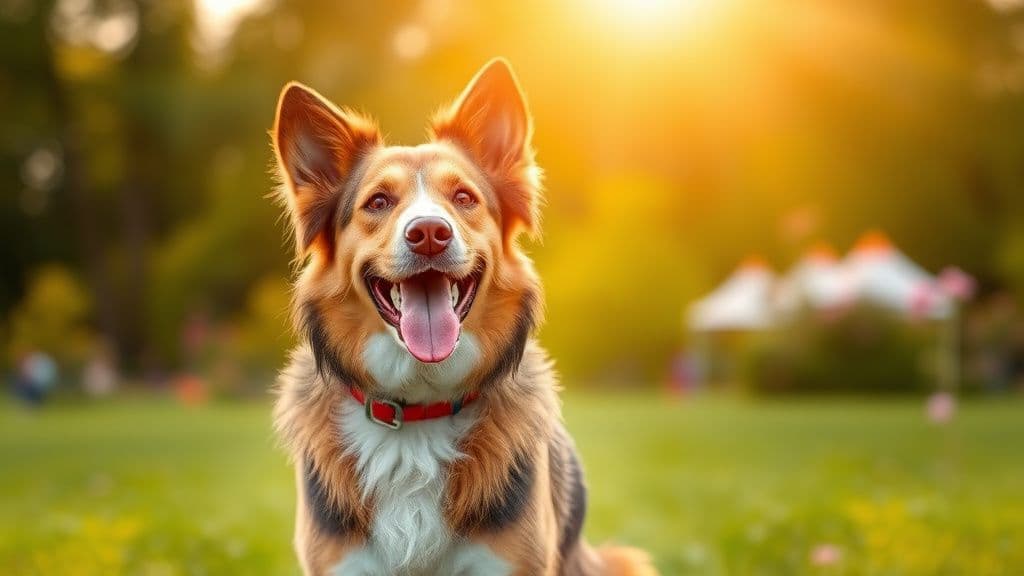
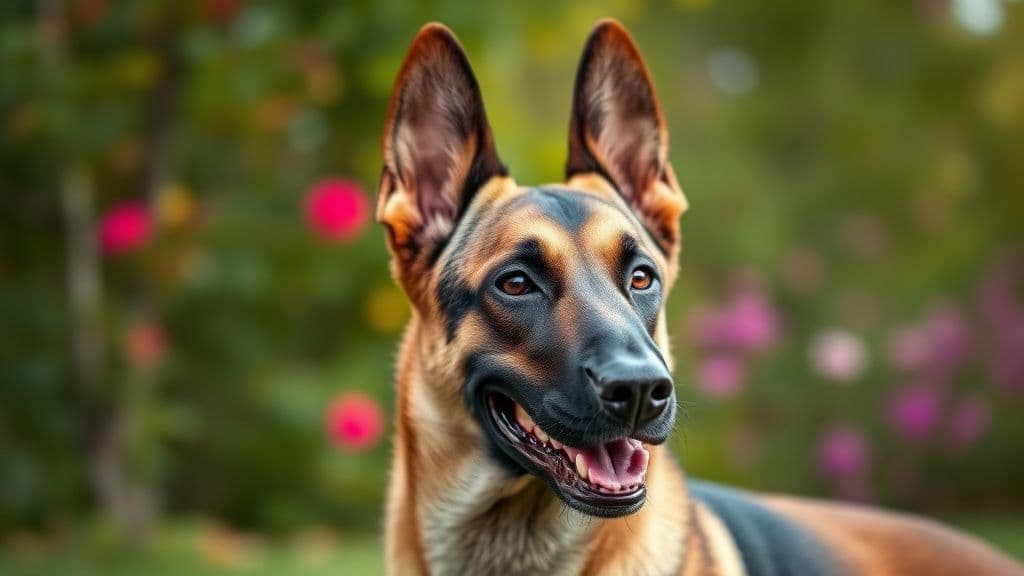
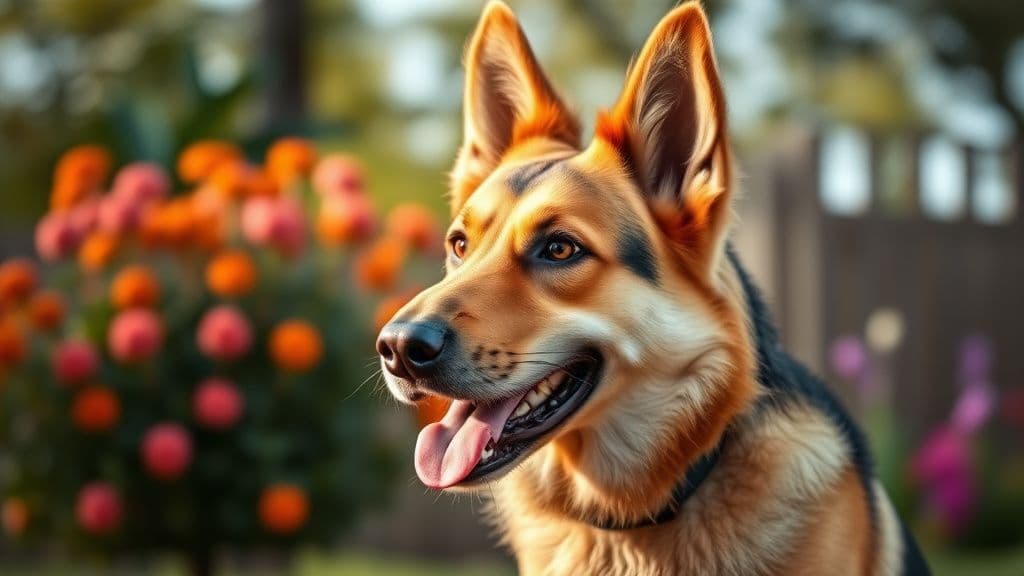
If you share your life with a fluffy Husky, a majestic German Shepherd, or a charming Golden Retriever, you're familiar with the magical appearance of tumbleweeds of fur drifting across your floor. That double coat, a marvel of natural engineering for insulation and protection, also comes with a unique set of grooming responsibilities. Many owners lump all fur issues under "shedding," but understanding the critical difference between normal shedding and dangerous matting can spare your dog significant discomfort and prevent a full blown grooming emergency. I've seen too many dogs come in for a routine bath only for us to discover hidden mats causing real pain.
This isn't just about keeping your house clean or your dog looking pretty. It's about their health and comfort. Let's clear up the confusion and equip you with the knowledge to spot the warning signs before a simple brush session turns into a vet visit.
What Exactly is a Double Coat, and Why Does it Matter?
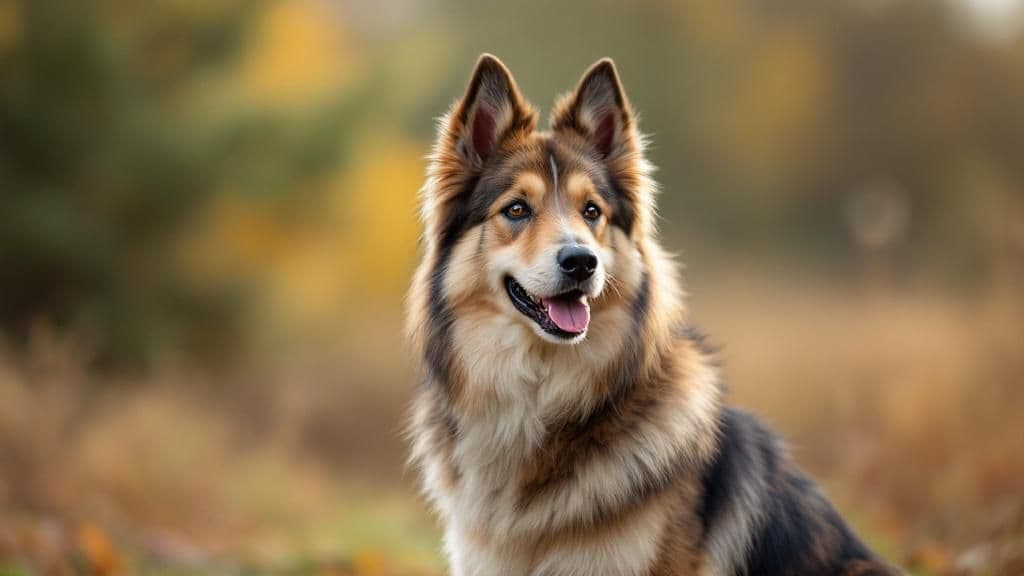
Before we tackle the crisis signs, let's understand what we're working with. A double coat is exactly what it sounds like: two distinct layers of fur working together as a system. The topcoat, or guard hairs, is made of longer, tougher strands that repel water, block UV rays, and protect from dirt and debris. Beneath that lies the undercoat, a dense, soft, woolly layer that acts as incredible insulation, keeping your dog warm in winter and, crucially, cool in summer.
This insulating property is why the common advice to shave a double coated dog in summer is so harmful. As explained by experts, a well groomed undercoat helps regulate your dog's body temperature year round. Shaving it away doesn't help them cool down. In fact, it removes their natural cooling and heating system, exposes their skin to sunburn, and can permanently damage the coat. Research confirms that shaving disrupts the natural shedding cycle, often causing the coat to grow back irregularly with a different texture that is more prone to matting and offers less protection.
The undercoat is the star player in the shedding drama. It doesn't shed gradually year round. Instead, it undergoes a dramatic seasonal shed, typically in the spring and fall, known as "blowing the coat." This is when you'll find clumps of soft, downy fur coming out in handfuls. The rest of the shedding you see is normal hair turnover from the topcoat, much like humans lose hair daily.
Shedding vs. Matting: Knowing the Difference is Key
This is the core of the issue. Confusing one for the other can lead to inaction when you need to act, or unnecessary worry over a natural process.
Normal Shedding (The "Coat Blow"):This is a healthy, natural process. You'll notice a massive increase in loose fur, particularly from the undercoat. The fur comes out easily when brushed or even pet. It's fluffy, often lighter in color than the topcoat, and doesn't pull on the skin. During this time, your dog is simply making room for a new season-appropriate undercoat. While it can be overwhelming, it's not a crisis. It's a signal to ramp up your grooming routine.
Dangerous Matting: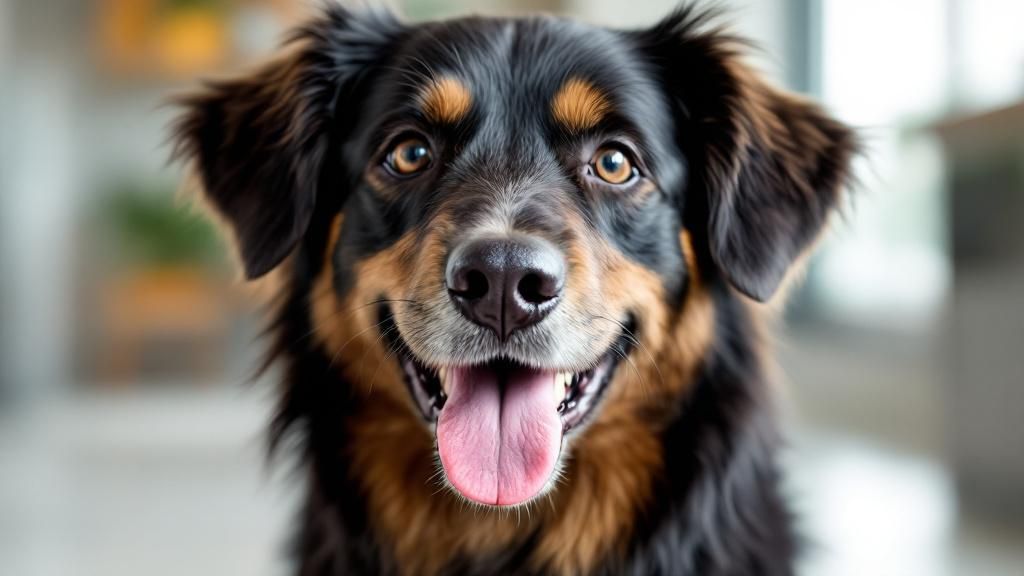
Matting is where loose, dead undercoat hair gets trapped and tangled with the live topcoat hairs. Instead of falling out, it forms tight knots that progressively tighten, winding closer and closer to the skin. Unlike shedding, mats are not loose. They form solid, often flat, patches of felt-like fur. They pull incessantly on the skin, causing irritation, pain, and restricting movement. They also trap moisture, dirt, and bacteria against the skin, creating a perfect environment for hot spots, infections, and making it impossible to spot parasites like fleas and ticks.
An insightful point from grooming professionals notes that severe matting doesn't usually happen uniformly. It often occurs in specific friction-prone areas with less undercoat, like behind the ears, in the armpits, the groin, and around the hind legs. Evolutionarily, these are spots where wolves would have constantly matted without human help, so they naturally have more topcoat. This is precisely where you need to check regularly.
Red Flags: Signs Your Dog's Grooming Needs are a Crisis
How do you know when typical shedding has crossed the line into a problem requiring immediate attention? Look for these signs, compiled from veterinary and grooming experts.
Physical Signs on the Coat and Skin:* Patches of Solid Fur: You can't run a comb through it. The fur in a specific area feels like a solid, dense pad, not individual hairs.
* Skin Redness and Odor: Mats trap moisture, creating a damp, warm environment. This leads to yeast or bacterial growth, causing a foul smell and red, inflamed skin underneath.
* Visible Discomfort: Your dog licks, bites, or scratches one area obsessively. They may flinch or yelp when you touch a matted spot.
* Hidden Mats: Run your fingers down to the skin, especially in those high risk areas (armpits, behind ears). A healthy coat will feel thin at the skin. If you feel a thick, tangled layer, you've found a hidden mat.
Behavioral and Health Signs:* Excessive Panting and Lethargy dog heat cycle calculator: While some panting is normal, experts warn that excessive panting, drooling, or unusual lethargy in warm weather should never be ignored. This could be a sign of overheating, which can be exacerbated by a severely impacted, un-brushed undercoat that isn't allowing proper air circulation to the skin.
* Changes in Gait or Posture: A large mat in the armpit or groin can pull skin taut with every step, causing your dog to move stiffly or oddly.
* Sudden "Shedding" in One Spot: Sometimes, what looks like a bald patch is actually the result of a mat so tight it has ripped out from the roots.
If you notice any of these signs, it's time to move from routine maintenance to intervention.
Your Action Plan: From Prevention to Intervention
Prevention is Always Best:Your goal is to never let mats form. This means a consistent, coat-appropriate grooming routine.
* Brush Correctly and Often: During non shedding seasons, a thorough brush once or twice a week may suffice. When your dog is blowing their coat, this may need to increase to daily sessions. Don't just brush the surface. Use an undercoat rake or deshedding tool to reach the dense undercoat, followed by a slicker brush or steel comb to smooth the topcoat. As one source advises, focusing only on the visible topcoat while neglecting the undercoat is a direct path to matting and overheating.
* Bathe with Purpose: Baths help loosen and wash away dead undercoat. During heavy sheds, increasing baths from monthly to weekly can be a game changer. Always completely dry and brush out your dog after a bath. Wet hair mats much more easily.
* High Risk Zone Checks: Make a habit of checking behind the ears, under the collar, in the armpits, and around the hindquarters every few days. A quick pass with a comb in these areas can catch a small tangle before it becomes a mat.
* Support Coat Health from Within: A healthy coat starts with good nutrition. A balanced and complete diet, rich in omega fatty acids, supports skin and fur health. This is where services like tailored dog food delivery can ensure your dog gets the right nutrients without the guesswork. I often recommend incorporating a high value, skin supporting treat into your grooming routine as a positive reinforcement.
When You Find a Mat:* Small Tangles: If caught early, you can carefully work it out with your fingers or a steel comb. Spritz the mat with a detangling spray or a bit of conditioner diluted with water. Hold the fur at the base of the mat, near the skin, to avoid pulling, and gently tease the knot apart with the comb.
* Severe Matting: This is a job for a professional. Do not try to cut mats out with scissors. It's incredibly easy to cut the skin, which is often pulled up into the mat. Professional groomers have the tools (like clippers with safety guards) and expertise to remove mats safely and with minimal stress to your dog. In cases of severe pelt-like matting, shaving may be the only humane option to relieve the dog's pain, which grooming authorities acknowledge as a potential benefit in such extreme scenarios.
Tools and Professional Help: Building Your Grooming Arsenal
Having the right tools makes all the difference.
* Undercoat Rake or Deshedding Tool: Essential for reaching and removing the soft, loose undercoat during a shed.
* Slicker Brush: Great for removing smaller tangles and smoothing the topcoat.
* Steel Comb: The ultimate test. If you can run a fine toothed steel comb from the skin all the way to the end of the hair without resistance, your dog is tangle free.
* Mat Splitter: For carefully breaking apart smaller mats, though caution is required.
* High Velocity Dryer: While an investment, a dryer designed for dogs can blow out a huge amount of loose undercoat after a bath, dramatically reducing shedding and drying time.
Don't underestimate the value of a professional groomer, even for a double coated breed that doesn't get haircuts. They can provide a deep deshedding treatment, handle nail trims and gland expressions, and spot potential skin issues you might miss. They are, as the American Kennel Club notes, adept at removing matted hair gently and can safely cut down the coat if necessary to remove severe tangles.
Final Thoughts
Living with a double coated dog is a commitment to understanding their unique fur ecosystem. By learning to distinguish between the natural, cyclical event of shedding and the painful, dangerous condition of matting, you become your dog's first line of defense against discomfort. Remember, that beautiful coat is there for a reason. Our job isn't to fight its nature, but to care for it through consistent, informed grooming.
Keep those brushes moving, pay special attention to those friction prone areas, and don't hesitate to call in a professional groomer at the first sign of a problem you can't handle. A little vigilance goes a long way in ensuring your fluffy friend stays happy, healthy, and comfortable in their own fabulous fur coat all year round. And when the seasonal fur storm hits, just remember it's temporary. A good brush session, maybe with a special treat from your favorite dog best dog subscription boxes as a reward, will get you both through it.
Recommended Products



Find the Perfect Box for Your Dog
Compare top-rated dog subscription boxes and find the best fit for your pup.
Compare Boxes