Spring Deshedding Baths For Double-Coated Dogs
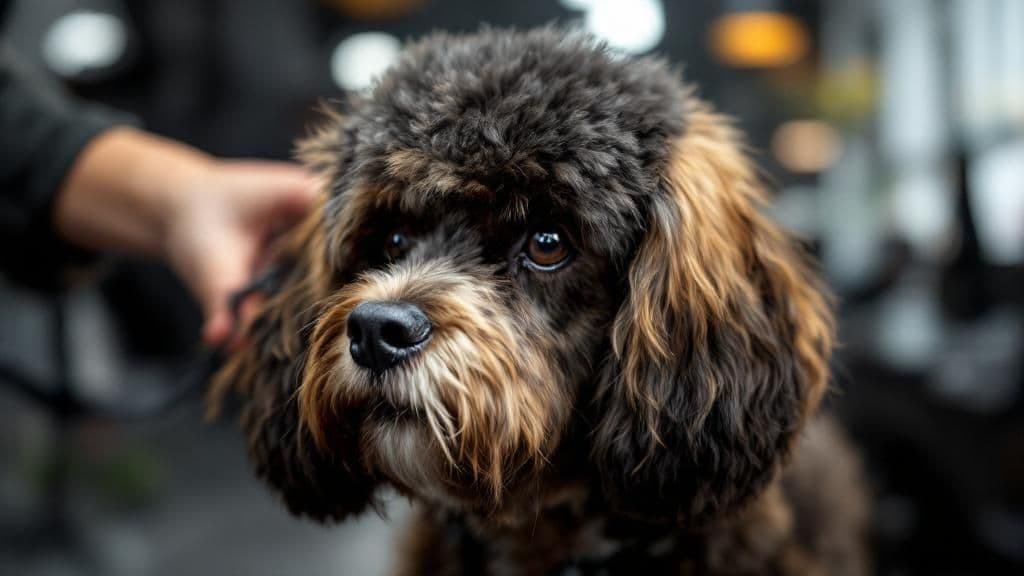
Spring's here! Master the double-coat deshedding bath for a happier, healthier pup and a fur free home.
The most effective way to manage your double-coated dog's spring shedding is not by shaving, but by giving them a strategic bath with a deshedding shampoo to loosen dead fur, followed by a thorough blow-out and brushing with the right tools, like an undercoat rake and slicker brush, to remove the released undercoat and leave behind their naturally insulating summer coat.
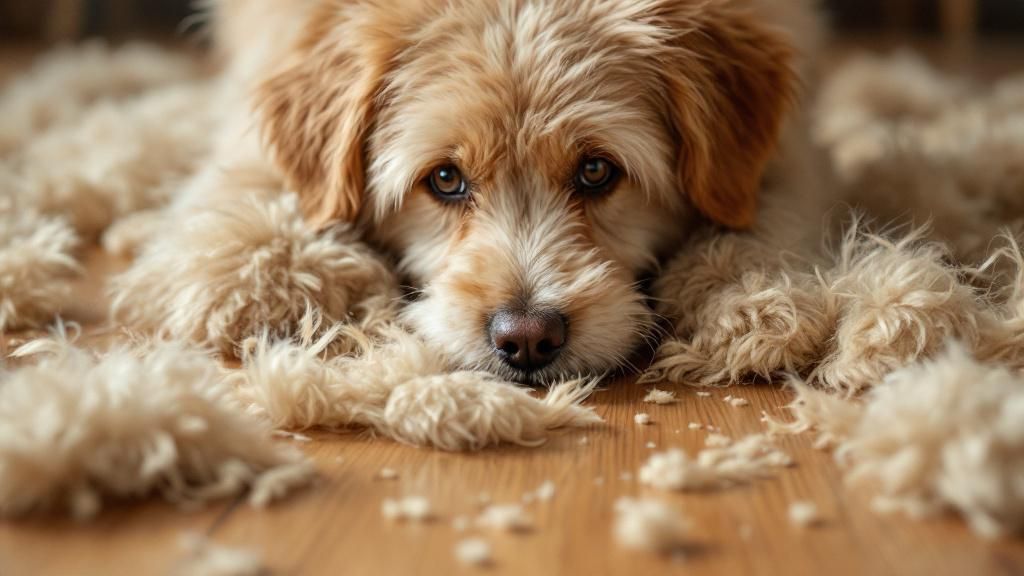
You know the signs. The tumbleweeds of fur rolling across your floor, the extra layer of "dog glitter" on your dark clothes, and that one spot on the couch that seems to be a fur factory. Spring is here, and for owners of double-coated breeds, that means the great coat blow is upon us. It can feel overwhelming, like you'll never see the end of the fluff. I've been there with my own dogs, and I know the temptation to consider a quick fix like shaving. But before you reach for those clippers, take a deep breath. There's a better, healthier way to handle this natural process. A properly executed spring deshedding bath is not just about cleaning your dog; it's the single most effective grooming event to accelerate the shedding in a controlled way, keep your dog comfortable, and protect the vital integrity of their coat. This guide will walk you through every step, using expert advice and proven techniques to turn a furry ordeal into a bonding ritual that leaves your pup looking and feeling fantastic.
Why Is My Double-Coated Dog Shedding So Much in Spring?
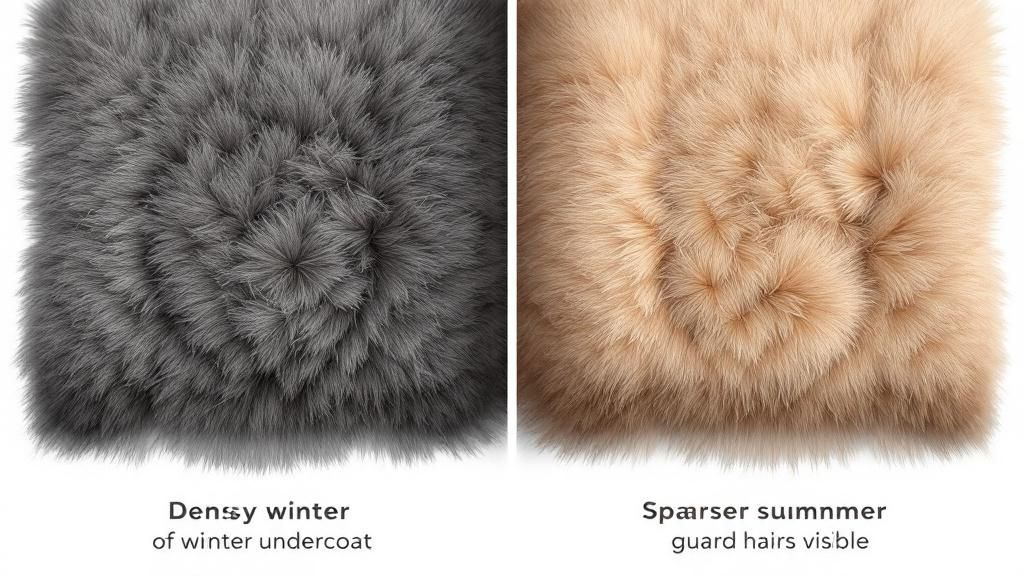
It's not your imagination, and your dog isn't falling apart. This massive seasonal shed, often called "blowing coat," is a completely natural and healthy process. Double-coated breeds descend from cold, wet climates where they worked and lived outdoors. Their incredible coat is their built-in climate control system. The dense, soft undercoat acts as insulation, trapping warm air in the winter. The longer, tougher guard hairs on top repel water and protect from sun and debris.
As daylight hours increase in spring, your dog's body gets the signal to ditch that heavy winter insulation. The undercoat loosens up and pushes out in what can seem like alarming quantities. This makes room for a thinner, sparser summer undercoat that still provides insulation but allows for better air circulation to keep them cool. Contrary to popular belief, it's this intact, natural coat that keeps them cooler in the summer, not shaving it off. As the experts at Beast 2 Beauty Grooming state, a bath and blow-out removes the shed-ready winter coat, leaving behind the summer coat that does the real work of temperature regulation.
The Golden Rule: Never Shave a Double-Coated Dog
This point cannot be overstated, and it's echoed by every reputable source from veterinarians to professional groomers. Shaving your double-coated dog to "help them stay cool" or "reduce shedding" is one of the most damaging grooming mistakes you can make.
Shaving does not reduce future shedding; the hair will still grow back and shed, often in a more problematic way. More critically, it can permanently damage the coat's regrowth cycle. The guard hairs and undercoat grow at different rates, and shaving can disrupt this, causing the undercoat to grow back thicker and faster while the protective guard hairs come in patchy or not at all. This ruins the coat's ability to insulate and protect your dog from both heat and cold, sunburn, and skin injuries. It can also lead to skin issues like alopecia. As Bubbly Paws summarizes, as long as you brush and bathe your dog the right way, that undercoat will thin out naturally for the summer months. Shaving is a shortcut that leads to a long-term problem.
Preparing for the Big Bath: Brushing First
Jumping straight into the tub with a mountain of loose undercoat is a recipe for clogged drains and frustration. Preparation is key. A thorough pre-bath brushing removes a significant amount of the already-loose hair and makes the bathing process infinitely more effective.
The tool you use matters immensely. For this initial dry brushing, you'll want your heavy hitters:
* An Undercoat Rake: This is your MVP for spring shedding. As praised by a Reddit user in the r/dogs community, an undercoat rake is amazing for big clumps. Its long, widely spaced teeth are designed to glide through the topcoat and grab onto the dense, loose undercoat without damaging the skin or cutting the healthy guard hairs. Work in sections, brushing in the direction of hair growth, and you'll be amazed at the pillows of undercoat that come out.
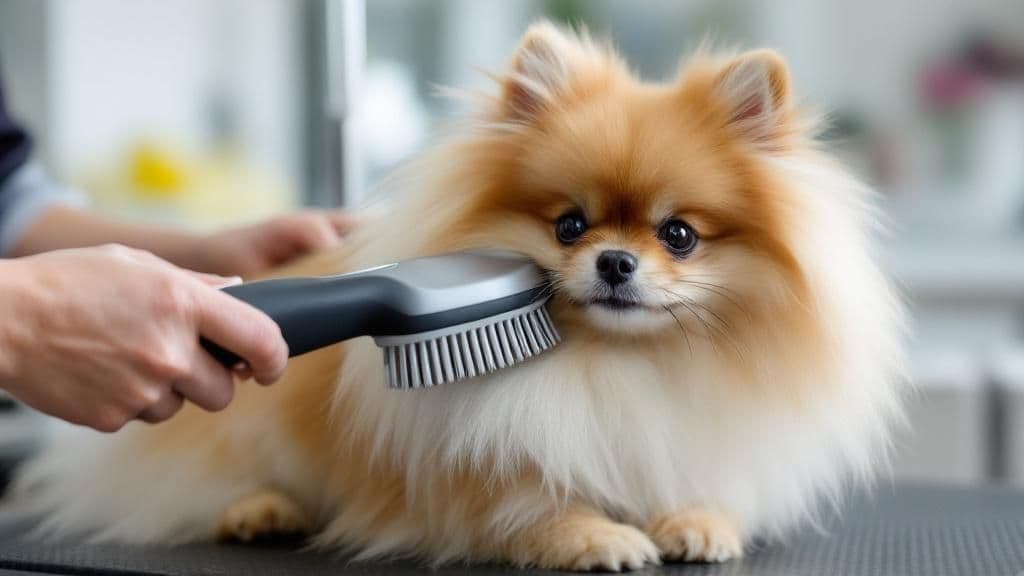
* A Slicker Brush: After using the rake, follow up with a slicker brush. The Fish & Bone notes that dogs with double coats benefit from slicker brushes that can reach the undercoat. Use it to smooth the topcoat, pick up any remaining loose undercoat the rake missed, and ensure there are no mats or tangles, especially behind the ears, in the armpits, and around the hindquarters.
This pre-bath brush-out might feel like you're done, but you're just getting started. You've removed the hair that was ready to go, but the bath will loosen the next layer that's still clinging on.
The Spring Deshedding Bath: A Step-by-Step Guide
Now that you've prepped the coat, it's time for the main event. This bath is strategic. We're not just cleaning; we're using water, product, and technique to accelerate the shedding process in a controlled environment.
Choosing the Right Shampoo
Skip the generic cleaning shampoos. For this seasonal shed, you want a shampoo formulated specifically for the task. Look for a deshedding shampoo or a moisturizing shampoo. Partners Animal Hospital Asheville recommends using a deshedding shampoo designed to loosen and remove excess fur. These shampoos often contain conditioners like omega fatty acids or oatmeal that help hydrate the skin and coat, making the loose hair slip out more easily. Earthrated's Deshedding 3-in-1 Shampoo is an example of a product designed to loosen, strengthen, and nourish during this process.
The Bathing Process
1. Water Temperature: Always use lukewarm water. Hot water can dry out and irritate their skin, while cold water won't effectively open the hair follicles and loosen the coat. Lukewarm is comfortable and effective.
2. Thorough Wetting: Completely saturate your dog's coat, right down to the skin. This can take longer than you think with a dense double coat. Use your fingers to part the fur and ensure the water penetrates the undercoat.
3. Shampoo Application: Apply the deshedding shampoo and work it into a rich lather. Don't just glide over the top; massage it deep into the undercoat with your fingertips, using circular motions. This massage action is crucial for breaking up dead skin cells and loosening the hair follicles. Let the shampoo sit for 5-10 minutes as per the product instructions to allow the conditioning agents to work.
4. The Power of Rinsing: Rinsing is arguably as important as shampooing. Rinse, rinse, and then rinse some more. Any leftover shampoo residue will attract dirt and can cause skin irritation. Rinse until the water runs completely clear from the skin outward. Squeeze the coat gently to help push water out.
The Critical Dry & Brush-Out Phase
Here is where the magic truly happens. Simply letting a double-coated dog air dry after a deshedding bath will result in a compacted, matted mess as the loose hair tangles back into the coat. You must actively dry and brush simultaneously.
1. Towel Dry First: Use a highly absorbent towel (or two) to blot and squeeze out as much water as possible. Avoid vigorous rubbing, which can cause tangling.
2. High-Velocity Blow-Out: If you have access to a high-velocity pet dryer, this is the time to use it. If not, a human hair dryer on a cool, low setting can work, but it will take much longer. The goal is to blow the coat in the opposite direction of growth, lifting the hairs and allowing the loose undercoat to fly free. As you blow, use your other hand to fluff and separate the coat. You will literally see clouds of undercoat being blown away. This step, combined with the bath, is what Beast 2 Beauty Grooming credits for successfully removing the winter coat.
3. The Final Brush-Out: Once your dog is about 90% dry, take your tools for one last pass. Use your undercoat rake and slicker brush again. With the coat clean, blown, and nearly dry, you will remove another astonishing amount of loose hair that the bath loosened. This leaves you with a clean, manageable, and healthy summer coat.
How Often Should You Bathe a Double-Coated Dog?
This is a common point of confusion, and the research shows a range of recommendations, largely dependent on lifestyle. The general consensus for double-coated breeds is less is more.
* For Maintenance: Most sources, like The Animal Sound and Earthrated, recommend bathing only a few times a year, perhaps every 3-4 months, unless the dog gets seriously dirty. The AKC warns that bathing too often can deplete your dog’s natural oils and dry out their skin and coat.
* During Shedding Season: However, for active dogs or during the intense spring (and fall) shed, more frequent bathing may be beneficial. Spencer Springs Animal Hospital suggests baths might be necessary every six to twelve weeks depending on shedding and activity level. Dosty and Partners Animal Hospital recommend a bath every 4–6 weeks during these periods to help manage the coat blow.
The best approach is to let your dog's condition and your nose be your guide. The spring deshedding bath is a targeted treatment, not your regular schedule. For maintenance between these big sheds, regular brushing is far more important than frequent bathing. And remember, a monthly grooming check-in is a perfect time to trim nails, brush teeth, and inspect ears, as Barkbus Ruff Draft reminds us.
Building a Year-Round Grooming Routine
The spring bath is a major event, but managing a double coat is a year-round commitment. Consistent care prevents the shed from becoming a crisis.
* Weekly Brushing: Outside of shedding season, a good brushing session once a week with a slicker brush and an undercoat maintenance tool like an EquiGroomer (as mentioned on Reddit) will keep loose hair under control and distribute natural skin oils.
* The Right Diet: A healthy coat starts from the inside. A balanced and complete diet rich in omega fatty acids supports skin and coat health. If you use a dog food delivery service, look for formulas that promote skin health. This, paired with the best dog treats that are free from irritating fillers, makes a noticeable difference.
* Professional Help: Don't hesitate to seek a professional groomer, especially for the spring blow-out. They have the powerful dryers and expertise to do a deep deshedding treatment efficiently. It's an investment in your dog's comfort and your sanity.
Final Thoughts
Watching your double-coated dog blow their spring coat can be a daunting experience, but it's a sign of a healthy, natural cycle. By resisting the urge to shave and instead embracing a strategic deshedding bath and blow-out, you are working with your dog's biology, not against it. You're not just removing hair; you're safeguarding their built-in thermostat, their sunscreen, and their raincoat. The process requires the right tools, a bit of time, and some patience, but the result, a happy, comfortable dog with a beautiful, functional coat and a lot less fur on your furniture, is utterly worth it. So, gather your undercoat rake, your deshedding shampoo, and maybe some earplugs for the dryer, and give your best furry friend the spring refresh they deserve.
Find the Perfect Box for Your Dog
Compare top-rated dog subscription boxes and find the best fit for your pup.
Compare Boxes