Never Shave Your Double-Coated Dog
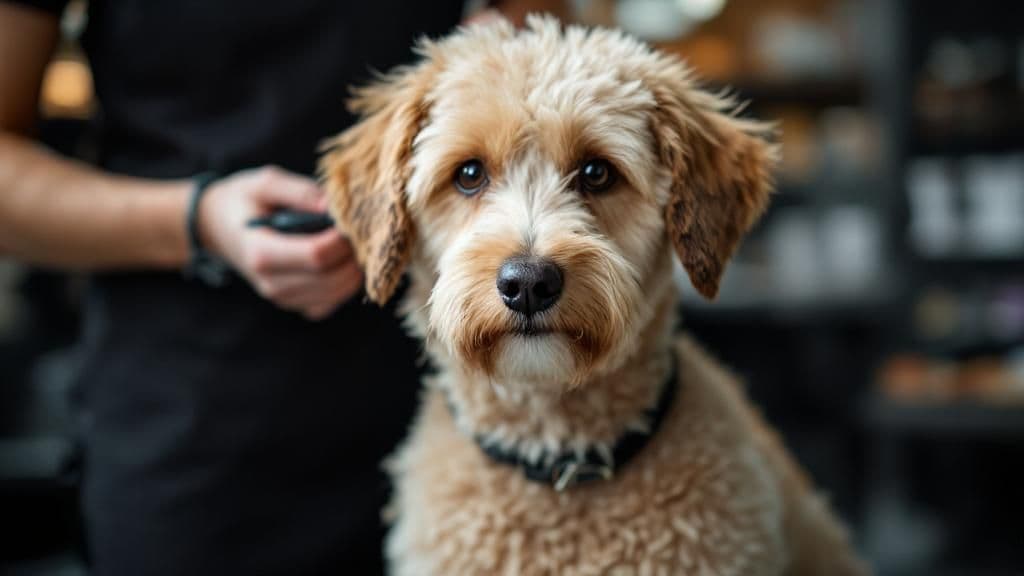
Never shave a double-coated dog; it ruins their natural insulation and cooling system, risking serious health issues.
You should never shave a double coated dog because it strips them of their natural insulation and cooling system, leading to poor temperature regulation and potential skin damage. The only acceptable exceptions are severe medical necessity, pelted matting that cannot be brushed out, or extreme old age where grooming becomes impossible. Instead, manage shedding and heat with professional deshedding treatments, regular brushing, and proper hydration.
As a dog care writer and lifelong dog lover, I've had countless conversations with worried owners in the park or at the vet. One warm summer day, the topic always seems to surface: "Should I shave my Husky to help him cool down?" I've seen the relief on a person's face when I explain that the fluffy coat they're considering removing is actually their dog's best defense against the heat. The desire to help our pets is natural and good, but in the case of double coated breeds, shaving is one of the most counterproductive things we can do. This misconception persists, often fueled by well meaning but misinformed advice. From the perspective of professional groomers and veterinarians in 2026, the consensus is clearer and more evidence based than ever. Let's explore why that fluffy coat is a marvel of natural engineering and how to care for it properly.
What Makes a Double Coat a Canine Masterpiece?
To understand why shaving is so damaging, you first need to appreciate what a double coat is and what it does. It's not just a lot of hair, it's a sophisticated, two layer system that functions like a built in, smart climate control suit.
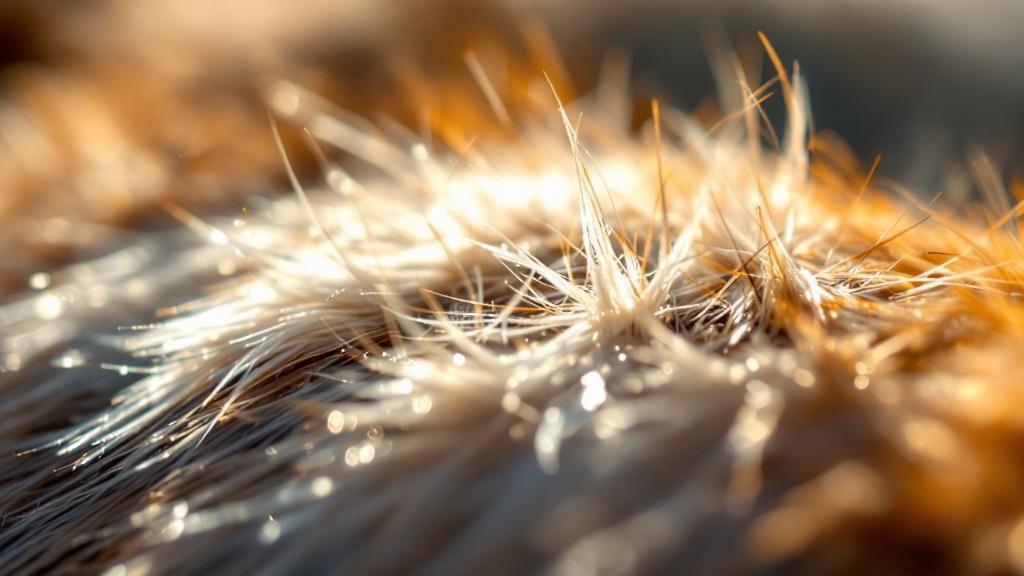
The top layer consists of guard hairs. These are the longer, coarser hairs you see on the surface. According to experts at Paws & Relax Mobile Spa, these guard hairs have a critical job, they reflect sunlight and heat away from the dog's body. Think of them as a reflective sun shield. They also repel water and dirt, keeping the undercoat and skin drier and cleaner.
Beneath the guard hairs lies the soft, dense undercoat. This layer is all about insulation. It traps a layer of air close to the dog's skin. In the winter, this air pocket is warmed by the dog's body heat, creating a cozy buffer against the cold. In the summer, that same insulating air pocket works in reverse, it helps keep the cooler air near the skin and blocks out external heat. Shaving this system removes both the reflective shield and the insulating buffer. You're essentially stripping your dog of their natural, year round temperature regulation. A shaved double coated dog actually has to work harder to stay cool, as noted by Smoochie Pooch, because you've destroyed their efficient cooling mechanism.
The Real and Lasting Damage of the Shave
Many owners request a shave thinking it's a harmless shortcut for summer or a solution to shedding. The research from groomers and vets paints a very different picture, one of potential long term harm.
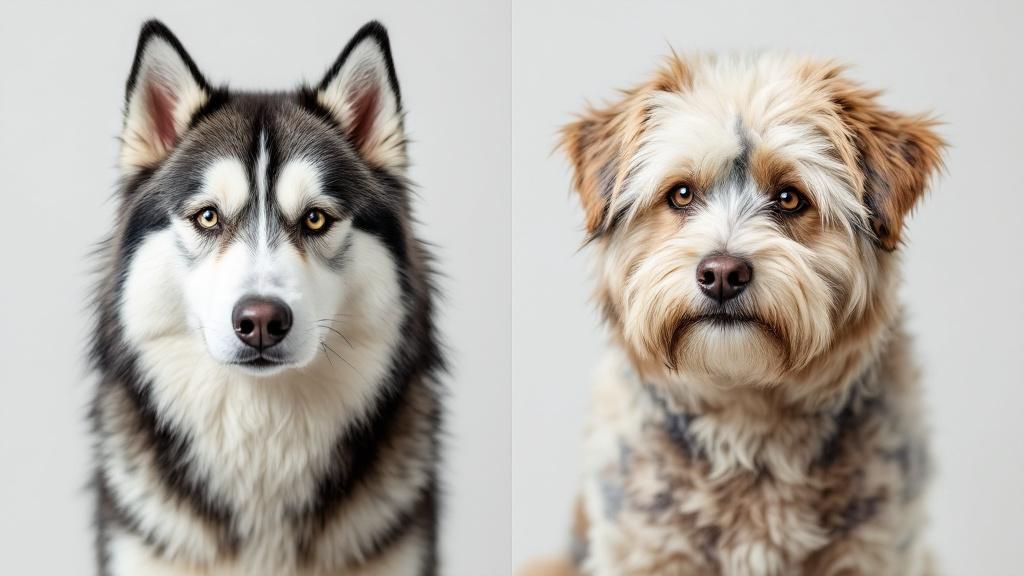
This is one of the most serious risks. Dr. Brian Collins, a veterinarian with the Cornell Riney Canine Health Center, explains that shaving can damage the delicate hair follicles. When you shave, you're cutting the hair at a blunt angle it wasn't designed for, and the regrowth process can be disrupted. The undercoat, which grows faster, often comes back first, choking out the slower growing guard hairs. The result can be a patchy, woolly, and discolored coat that never truly regains its original texture or appearance. In severe cases, this can lead to alopecia, a condition of permanent hair loss, as highlighted by Mutt Hutt Dog & Cat Grooming.
Increased Health RisksWithout its protective coat, a dog's skin is directly exposed to new dangers.
* Sunburn and Skin Cancer: A dog's skin, especially on breeds with light skin under dark fur, is not prepared for direct UV exposure. Shaving dramatically increases the risk of painful sunburn and, over time, skin cancer.
* Temperature Dysregulation: As discussed, the coat is a thermostat. Without it, dogs are more susceptible to both heatstroke and hypothermia. They can overheat faster because their cooling system is gone, and they can get chilled more easily in air conditioning or cool evenings.
* Skin Irritation and Disease: The exposed skin can become dry, itchy, and prone to allergies, insect bites, and scratches. The lack of protection can also lead to a higher incidence of skin diseases.
It Doesn't Even Solve the Problems You Think It Does* Heat Relief: It creates the opposite effect. A shaved dog loses its insulating buffer and is more likely to absorb heat directly from the sun.
* Less Shedding: Shedding is managed at the follicle, not at the hair tip. The dead undercoat will still shed, but now it will be tiny, prickly stubble that embeds itself in your furniture and carpets even more stubbornly than loose fur.
* Easier Grooming: This is a temporary illusion. Once you shave a double coat, you often commit to a lifetime of repeat shaves because the damaged regrowth becomes unmanageable with normal brushing.
When *Should* a Double Coat Be Shaved? The Only Three Exceptions
The professional grooming community, like the voices on the r/doggrooming subreddit, agrees there are very limited, valid reasons to shave. These are exceptions, not recommendations.
1. Severe Medical Necessity: This is at a veterinarian's direct instruction, usually for surgery or to treat a specific skin condition that requires direct access or topical medication.
2. Pelted, Irreversible Matting: When a coat is so severely neglected that it forms a solid, felt like pelt against the skin, brushing is impossible and painful. Shaving is a mercy in these cases to relieve the dog's suffering, as the mats pull on the skin, restrict movement, and trap moisture leading to sores and infection. This is a last resort.
3. Extreme Seniority or Debilitation: For a very old or infirm dog where the stress of regular brushing and grooming has become too much, a shave may be considered the most humane option for maintenance. The priority becomes comfort and hygiene over coat preservation.
In any of these cases, the shave should be done by a professional groomer who understands the risks and can perform the procedure as safely as possible.
The Right Way to Care for a Double Coat: A 2026 Grooming Guide
So if shaving is off the table, what should you do? Proper care is proactive, not reactive. It's about working *with* the coat's natural cycle.
Professional Deshedding Treatments Are KeyThis is the single most effective thing you can do. A professional groomer doesn't just give a bath, they perform a detailed process:
* A high velocity dryer is used to blast out vast amounts of loose, dead undercoat *before* the bath.
* A deshedding shampoo and conditioner are applied to loosen more hair and hydrate the skin.
* The coat is thoroughly dried, and specialized tools like undercoat rakes and deshedding blades are used to gently remove the remaining dead undercoat without harming the vital guard hairs.
Gordon's Grooming points out that double coated breeds have major shedding cycles in spring and fall. Scheduling a professional deshedding treatment just before these cycles peak can reduce the hair in your home by an astounding amount.
Your At Home Maintenance RoutineBetween professional visits, your job is maintenance.
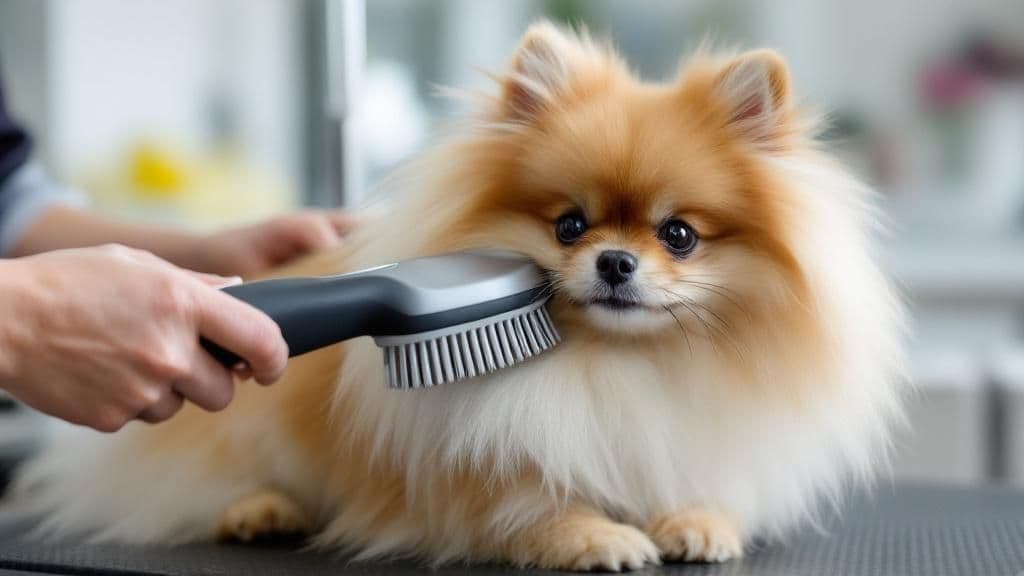
* Brush Correctly and Often: Invest in the right tools a slicker brush for top layer tangles and an undercoat rake for the dense underlayer. During peak shedding, you may need to brush for 10 15 minutes every other day. Outside of shedding season, once or twice a week is sufficient.
* Bathe with Purpose: Don't over bathe, as it can dry out the skin and coat. Every 4 8 weeks is typically plenty. Use a high quality, dog specific shampoo that won't strip natural oils. A good conditioner helps keep the guard hairs smooth and tangle free.
* Focus on Overall Health: A healthy coat starts from within. Nutrition is paramount. Feeding a balanced and complete diet, rich in nutrients like omega fatty acids, promotes strong hair follicles and reduces excessive shedding. This is where services like a tailored dog food delivery can make a real difference, ensuring your dog gets consistent, high grade nutrition. You can even find excellent, skin supporting supplements and treats in a curated dog best dog subscription boxes.
Keeping Them Cool (The Right Way)* Always Provide Shade and Water: This is non negotiable. Fresh, cool water should be available at all times, both indoors and out.
* Use Cooling Mats or Damp Towels: Let your dog lie on a cooling mat or a damp towel for a gentle, conductive cool down.
* Time Your Walks: Walk in the early morning or late evening when the sun and pavement are cool.
* Consider a Trim: Note, a *trim* is not a *shave*. A groomer can neatly trim feathering on the legs, belly, and around the rear for cleanliness without touching the primary insulating coat on the back and sides.
Final Thoughts
Looking after a double coated dog is a commitment, but it's one that pays off in a healthy, happy, and naturally beautiful companion. That magnificent coat is not a burden to be removed, it's a functional part of your dog's identity and well being. The perspective from groomers and veterinarians in 2026 reinforces what the best professionals have always known, shaving is a shortcut that leads to a dead end of potential health problems and a ruined coat.
Your job as a pet parent is to be your dog's advocate. If a groomer suggests a full shave for convenience, ask about deshedding options instead. If you're struggling with the hair at home, invest in the right tools and schedule a professional grooming session. The path to a cooler, cleaner, and more comfortable dog isn't found in the buzz of clippers, but in the regular rhythm of thoughtful care, proper nutrition with the best dog treats and food, and a deep appreciation for the incredible biological suit your dog was born wearing. Trust the coat, and work with it. Your dog will thank you with every comfortable, playful, and fluffy day you share together.
Find the Perfect Box for Your Dog
Compare top-rated dog subscription boxes and find the best fit for your pup.
Compare Boxes