Detect Canine Heart Disease Early Warning Signs
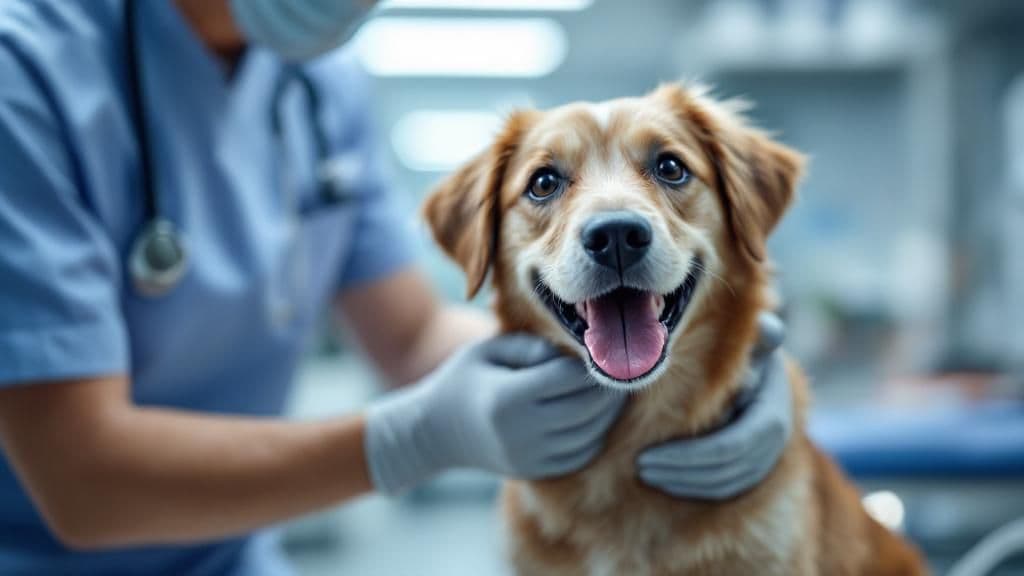
Spot the subtle signs: Coughing, fatigue, and more can reveal your dog's hidden heart trouble.
The five early warning signs of heart disease in dogs are a persistent cough, increased breathing effort or panting, reduced stamina and lethargy, changes in behavior like restlessness or loss of appetite, and fainting or collapse. A cough that lasts more than a few days, especially at rest, warrants a vet visit, and fainting is a serious sign that the brain may be deprived of oxygen.
Our dogs fill our lives with joyful chaos, from the thunder of paws on hardwood to the gentle weight of a head on our lap at the end of a long day. Their hearts are the engines of that boundless love and energy. So, when that engine starts to falter, the signs can be subtle, easy to mistake for simple aging or a passing bug. Canine heart disease is a serious but manageable condition, and catching it early makes all the difference. It moves from a quiet cough to a terrifying moment of collapse, but there is a roadmap in between. By learning to decode your dog's body language and recognizing the early warnings, you become their most powerful advocate. This knowledge isn't meant to frighten you, but to empower you. As someone who has spent years writing about dog care and speaking with veterinarians, I've seen how proactive observation can truly change outcomes. Let's learn what to watch for.
What Are the Five Key Warning Signs of Heart Trouble?
Heart disease in dogs doesn't announce itself with a single, dramatic symptom. Instead, it whispers through a series of changes that, pieced together, tell a clear story. These five signs are your cues to pay closer attention and consider a veterinary checkup.
1. The Persistent, Concerning Cough
This is often the first and most common red flag. It's not the quick "ahem" of a tickle in the throat, but a deeper, persistent cough that lingers for days. According to the Morris Animal Foundation, any cough lasting more than a few days should be evaluated. Specifically, watch for a cough that seems worse when your dog is resting or sleeping, or one that sounds wet or hacking. This often happens because an enlarged heart can put pressure on the airways, or because fluid is beginning to build up in the lungs, a condition known as congestive heart failure.
2. Increased Effort to Breathe
Look beyond the panting after a game of fetch. Be concerned if you notice an increased resting respiratory rate (count how many breaths they take in 15 seconds while deeply asleep, then multiply by four for breaths per minute; consistent rates over 30-35 warrant a call to your vet), excessive panting without exertion, or a change in how they breathe. Dogs with heart issues may stand with their elbows spread wide and neck extended, or they may keep their mouth hanging open, struggling to get enough air. They might even seem distressed and resist lying down to relax, as noted by CVC Avets, because certain positions can make breathing more difficult.
3. Lethargy and Reduced StaminaYour once energetic hiking partner now tires after a short walk around the block. They might stop initiating play, sleep more than usual, or seem generally uninterested in activities they used to love. This isn't just "slowing down" with age; it's a sign that their heart can't pump oxygen rich blood to their muscles effectively. Their body is conserving energy for vital functions.
4. Changes in Behavior and AppearanceHeart disease affects the whole body. You might notice a loss of appetite, which can stem from nausea or general malaise. Their belly may appear swollen or distended due to fluid accumulation. Perhaps they seem restless, pacing and unable to get comfortable. One critical visual cue is a change in gum color. Healthy gums are a bubblegum pink. Pale or bluish gums can indicate poor oxygenation, a serious sign that requires immediate veterinary attention.
5. Fainting or Collapse (Syncope)This is the most alarming and urgent sign on the spectrum. Fainting episodes occur when the brain is temporarily deprived of oxygen because the heart isn't pumping effectively. As multiple sources, including Morris Animal Foundation and Wedgewood Pharmacy, state, when heart function is less than optimal, vital organs like the brain become deprived of essential nutrients, particularly oxygen. A collapse might look like a sudden weakness, a stumble, or a complete loss of consciousness for a few seconds to a minute. This is a medical emergency.
Why Does Early Detection Matter So Much?
Think of your dog's heart health like a seesaw. On one side, you have the disease process. On the other, you have their quality of life and your management tools. Early detection allows you and your vet to put weight on the management side before the disease side gets too heavy. Catching heart disease in its initial stages often means we can manage it with medication and lifestyle changes for months or even years. Your dog can continue to enjoy comfortable, happy days.
Waiting until symptoms are severe, like frequent collapse or extreme breathing difficulty, means the disease has a significant head start. Treatment becomes more about crisis management and less about preserving long term vitality. The goal shifts. Early intervention is the key to maintaining that tail wagging, treat chasing, sofa cuddling quality of life we all cherish. It also gives you time to prepare, to learn, and to make the necessary adjustments to your routine without panic.
What Should You Do If You Notice a Warning Sign?
First, don't panic. Your calm response is what your dog needs. Your immediate action depends on the severity of the symptom.
* For a persistent cough, increased breathing rate, or lethargy: Schedule a non emergency appointment with your regular veterinarian. Before you go, prepare some notes. As the experts at GSVS advise, be ready to describe your dog's breathing rate, gum color, coughing frequency, and any behavior changes. This detailed history is invaluable.
* For multiple mild signs or any loss of appetite: Call your vet for guidance. They may want to see your dog sooner.
* For fainting, collapse, severe difficulty breathing, or pale/blue gums: This is an emergency. Contact your nearest emergency veterinary hospital immediately. Do not wait to see if it passes.
At the vet, expect a thorough physical exam where the vet will listen intently to your dog's heart and lungs. They will likely recommend diagnostic tests such as chest X rays to see the heart's size and look for fluid in the lungs, an echocardiogram (an ultrasound of the heart) to see how it's functioning, and possibly an ECG to check the electrical rhythm. This information forms the blueprint for your dog's treatment plan.
How Can You Support a Dog with Heart Disease?
A diagnosis of heart disease is not an end; it's the beginning of a new, carefully managed chapter. Your vet will prescribe medications designed to help the heart work more efficiently, remove excess fluid, or regulate rhythm. Your job at home is just as crucial.
Nutrition and Diet ManagementWhat your dog eats becomes foundational. Your vet may recommend a therapeutic diet formulated for cardiac health, often lower in sodium to help prevent fluid retention. This is where the convenience of a trusted dog food delivery service can be a lifesaver, ensuring you never run out of the specific food your dog needs. Always consult your vet before adding any supplements or changing foods.
Managing Exercise and StressYour dog still needs activity, but it must be moderated. Shorter, more frequent walks are better than one long, exhausting one. Let your dog set the pace. On bad days, mental stimulation can replace physical exertion. A puzzle toy or a short, gentle training session with their favorite best dog treats can keep their mind engaged without straining their body. Avoid extreme heat or cold and stressful situations.
Monitoring at HomeYou become your dog's chief health monitor. Learn how to take their resting respiratory rate at home. Get in the habit of checking their gum color daily. Keep a simple log of their cough, energy levels, and appetite. This record helps your vet make precise adjustments to medications. Notice little things. Does your dog seem more comfortable sleeping propped up? A cozy orthopedic bed can make a world of difference.
The Role of Consistency and ComfortRoutine is comforting. Consistent meal times, medication times, and quiet, predictable days reduce stress on their system. Shower them with gentle affection. Brushing, soft talking, and simply being present are powerful medicines. I've seen how a stable, loving environment can visibly improve a dog's overall demeanor and resilience.
Are Certain Dogs More at Risk?
While heart disease can affect any dog, some factors increase the risk. Being aware of these can help you and your vet be more proactive.
* Breed: Certain breeds are predisposed to specific heart conditions. For example, Cavalier King Charles Spaniels are prone to mitral valve disease, while Doberman Pinschers have a higher incidence of dilated cardiomyopathy.
* Age: Heart disease is more common in middle aged and senior dogs.
* Size: Some conditions are more prevalent in large and giant breeds, while others affect smaller dogs.
* Weight: Obesity puts significant extra strain on the heart.
* Heartworm Disease: This is a preventable but serious cause of heart and lung damage, underscoring the critical importance of year round prevention.
If your dog falls into a higher risk category, it doesn't mean they will definitely get heart disease. It means regular wellness checks, including listening to the heart, are even more important. These checkups are the perfect time to discuss prevention and early screening options with your vet.
Final Thoughts
The journey from a simple cough to the fear of collapse is a path no dog owner wants to walk. But armed with knowledge, you don't have to walk it blindly. You can be the one who spots the subtle shift in breathing, who takes that lingering cough seriously, who knows that a sudden loss of interest in play is a message worth hearing. Your vigilance is the first and best line of defense.
Remember the five signs: the persistent cough, the labored breathing, the draining energy, the behavioral shifts, and the serious sign of collapse. Use this knowledge not as a source of anxiety, but as a tool for connection. It deepens your bond, because you are learning to listen to your dog in a whole new way. Partner with your veterinarian, commit to the management plan, and focus on filling your dog's days with comfort, good nutrition from reliable sources like your dog food delivery, and quiet joy. Our time with them is always a gift. By protecting their heart, we are honoring every single beat of it.
Recommended Products


Find the Perfect Box for Your Dog
Compare top-rated dog subscription boxes and find the best fit for your pup.
Compare Boxes