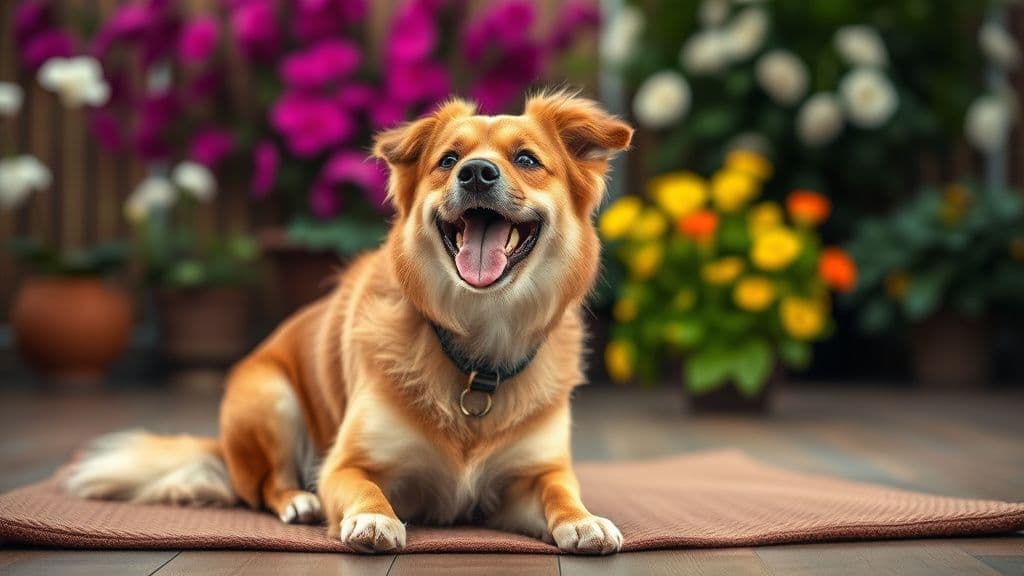
Distraction-Proof Hand Signals For Reliable Recall
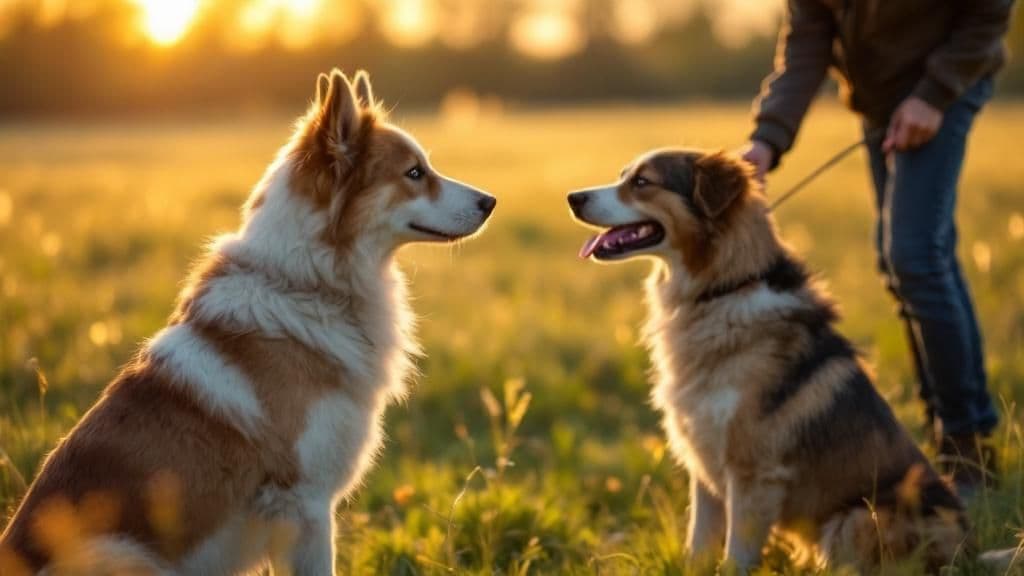
Master distraction proof hand signals for flawless recall that works in any environment.
Building distraction-proof hand signal recall requires pairing a clear, unique gesture (like a sweeping arm motion) with an irresistible reward, then systematically proofing in increasingly distracting environments. Start in a quiet room, then yard, then park, then busy street — each level needs 50+ successful repetitions before advancing.
Imagine a moment you have both dreamed of. Your dog is off leash, maybe on a beach or a hiking trail, completely free. You see a potential distraction in the distance. You give a subtle, silent signal, and without hesitation, your dog turns and sprints back to you, all focus and wagging tail. This isn't just a fantasy. It's the result of building a reliable recall, specifically one reinforced with distraction proof hand signals.
This level of communication goes beyond just calling your dog's name. It's about creating a non negotiable response, a lifeline command that works even when your dog's brain is flooded with the instinct to chase, play, or explore. I've seen too many owners struggle with a dog who listens perfectly in the backyard but becomes selectively deaf the moment a squirrel appears. The key is to build a recall so strong it cuts through that instinctual fog. This post will guide you through creating that bond, using the silent power of hand signals to achieve a truly reliable recall.
The Foundation: Why a Silent Signal is Your Secret Weapon

Before we train the behavior, we need to understand the goal. A reliable recall is more than a trick; it's a critical safety behavior. The American Kennel Club emphasizes that learning to come when called is one of the most important skills for your dog. But why add a hand signal to a verbal cue?
The research points to several powerful reasons. First, as noted in discussions from expert trainers, a distinct visual cue combined with a verbal command helps avoid confusion. Your dog learns to associate two clear signals with one action, strengthening the neural pathway. More importantly, a hand signal can become incredibly impactful in high stress situations. As one trainer on Reddit explained, when there is an "Oh crap" moment, having a visual cue you can use with confidence is crucial. You might yell, but your dog might be too far or too distracted to hear. A clear, large gesture can bridge that gap.
There is a caveat, of course. As Preventive Vet points out, a hand signal requires your dog to be looking at you to see it. This is precisely why we build it in tandem with a verbal cue and often introduce a tool like a whistle for long distance work. The hand signal becomes your primary tool for medium range, high distraction scenarios where you have your dog's fleeting visual attention.
Crafting Your Recall Cue: The First Steps
You cannot build a distraction proof recall on a shaky foundation. This stage is all about creating a powerful, positive association with your chosen cue. Do not rush it.
Choose and Commit to Your SignalStart by selecting your signals. For the verbal cue, pick a single, distinct word. "Here" or "Come" are common, but you can use anything short and clear. Avoid using your dog's name as the recall command; their name should mean "look at me," not necessarily "sprint to me."
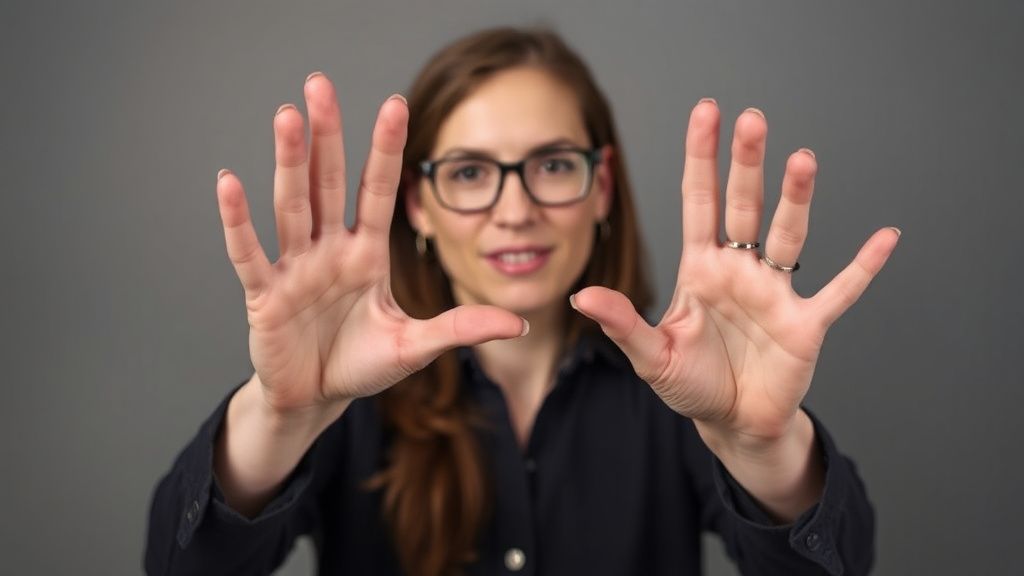
For the hand signal, consistency is king. A common and effective signal, as described in training guides, is raising your arm straight out to the side and then sweeping it in towards your chest. It's a big, clear motion. Commit to this exact motion every single time.
The Initial Pairing and RewardBegin in a quiet, familiar room with no distractions. Have a pouch full of your dog's absolute favorite rewards. Think of the treats that make their eyes light up, perhaps those premium, soft treats you get in a monthly dog best dog subscription boxes. You want this to be a celebration.
1. Say your verbal cue ("Here!") in a happy, excited tone.
2. Immediately follow it with your full hand signal.
3. The moment your dog takes a step toward you, mark the behavior with a "Yes!" or a clicker.
4. When they reach you, reward lavishly. Give multiple treats, pair it with enthusiastic praise, or offer a quick game with a favorite toy.
Repeat this short session multiple times a day. The goal is for your dog to think, "That word and arm movement mean the best party in the world happens at my person's feet."
Introduce the Release CueA brilliant tip from professional dog trainers is to teach a release cue like "okay" or "free." This signals to your dog that they can stop focusing on you and go about their business. This is vital because it teaches your dog that a recall is not a trap that always ends fun or leads to the leash going on. It builds trust. Practice calling your dog, rewarding them, then releasing them to go sniff or play again.
Proofing the Behavior: Introducing Distractions with Strategy
Now comes the real work. "Proofing" means teaching your dog to perform the behavior around increasingly difficult distractions. The biggest mistake owners make is moving too fast. If your dog fails, it's not their fault; it means the distraction level is too high.
The Systematic Approach to DistractionsStart small. The AKC suggests beginning with minor distractions like another pet lounging in the room, someone quietly cooking in the kitchen, or you casually tossing a ball in your hand. Work on a long leash (a 15 to 30 foot line is perfect) so your dog has freedom but you still have gentle control.
1. Let your dog notice the distraction.
2. Use your paired verbal and hand signal cue.
3. If they respond, throw the biggest party of their life. Use the highest value reward you have.
4. If they don't respond, do not repeat the cue. Instead, use the long leash to gently guide them toward you, then reward them when they arrive. This prevents them from learning they can ignore you.
Managing SetbacksIf your dog consistently fails at a certain level, you need to take a step back. As Whole Dog Journal advises, go back to work with a less challenging distraction. Ask your distraction helpers to stand farther away, or be much less interesting. The process is not linear. Some days will be better than others. The goal is to build a history of success.
The Role of Impulse ControlRecall is fundamentally an exercise in impulse control. Your dog is choosing to leave something exciting to return to you. To build this neurological skill, practice impulse games in other contexts. Ask for a "sit" or "wait" before throwing a ball, or before you put down their bowl of food from your dog food delivery service. This strengthens their overall ability to listen despite temptation.
Advanced Distraction Scenarios and Tools
Once your dog is reliable with indoor and mild outdoor distractions, you can carefully introduce more exciting scenarios. This is where your hand signal will start to shine.
Working with High Arousal DistractionsThink squirrels, other dogs playing at a distance, or interesting smells. At this stage, the dog's nervous system is in a higher state of arousal. As one trainer explains, their brain is in a survival mode, driven by instinct. Your cue must cut through that fog. This is why the consistency of your hand signal is so powerful; it's a visual anchor.
Practice in controlled settings first. Find a park where you can see a squirrel high in a tree (not one about to run). Use your leash. Get your dog's attention, give your cue, and reward massively for any check in with you. The instant they look away from the distraction and toward you, mark and reward. You're rewarding the *choice* to disengage.
Incorporating Distance and the WhistleAs you build reliability, start adding distance. Begin in a safe, enclosed area. Call your dog from 10 feet away, then 20. Remember the limitation of the hand signal: your dog needs to see it. For true long distance recall, many experts recommend training a whistle. The distinct, sharp sound carries farther and cuts through wind and ambient noise. Train your dog to associate a specific whistle pattern with the "come" command, rewarding them generously when they respond. You now have a three part system: a verbal cue for everyday use, a hand signal for visual emphasis, and a whistle for long range.
Understanding the Role of Tools Like E-CollarsSome trainers, particularly for dogs with high prey drive or in need of rehabilitation, incorporate remote training collars (e-collars). As seen in case studies, these tools can provide a gentle, consistent signal (like a vibration) that gets a dog's attention when they are over threshold. The key, as emphasized, is that the tool's signal must be meticulously associated with positive rewards to build responsiveness and trust. This method requires professional guidance to implement correctly and humanely. It is not a shortcut, but for some dogs, it can be part of a comprehensive plan to build reliability in extreme scenarios.
Maintaining a Reliable Recall for Life
Training a recall is not a project with an end date. It is a behavior you must maintain throughout your dog's life. Complacency is the enemy of reliability.
Make it a Game, Not a ChoreIncorporate recall practice into your daily routine in fun ways.
* Play hide and seek in the house. Call your dog and reward them when they find you.
* During a leashed walk, randomly call your dog to you for a treat, then release them to keep dog walking calculator.
* Use their daily meal for practice. Call them to you, reward with a handful of kibble from their bowl, then release them. Repeat until the bowl is empty.
The Power of Variable RewardsOnce the behavior is learned, switch to a variable reward schedule. Sometimes reward with an absolute jackpot (like a piece of chicken). Sometimes reward with just praise and a pat. Sometimes reward with a game of tug. This unpredictability makes the behavior more persistent, as your dog never knows which amazing reward is coming next.
Never Sabotage the CueThis is the golden rule. Never call your dog to you for something they perceive as negative. Do not call them to give a bath, trim nails, or end a play session at the dog park if they love it there. If you must do these things, go and get them instead. You must protect the association that your recall cue always leads to something good. If you need to leash them after a recall, always reward first, then clip the leash, then reward again.
Final Thoughts
Building a distraction proof recall with hand signals is a journey of communication and trust. It requires patience, consistency, and a commitment to positive reinforcement. Very few dog owners, as one journal article candidly states, use this method consistently and long enough to get a 100 percent reliable recall for total off leash freedom everywhere. But that's okay. Perfection is not the goal. The goal is creating a stronger and safer bond with your dog.
The silent power of a well timed hand signal can be the difference in a critical moment. It represents a level of understanding that transcends noise and distance. Start small, celebrate every success, and never stop reinforcing this vital behavior. The peace of mind you gain when you see your dog respond to your silent signal amidst chaos is worth every bit of effort. It turns those dreamy off leash moments into a regular, joyful reality.
Recommended Products



Find the Perfect Box for Your Dog
Compare top-rated dog subscription boxes and find the best fit for your pup.
Compare Boxes