Build Your Backyard Agility Course
Transform your backyard into a canine adventure zone with this easy-to-build flat grassy agility course.
To build a flat grassy DIY agility course in your backyard, start by selecting a large, open area that is flat and grassy for safety and ease of setup. Use common materials like PVC pipes, pool noodles, and cardboard boxes to create obstacles such as jumps, weave poles, and tunnels. The key is to start with simple, safe designs and use positive reinforcement to train your dog step by step.
Imagine the pure joy on your dog's face as they sprint through a tunnel, nimbly weave between poles, and leap over a hurdle right in your own backyard. Building a DIY agility course isn't just for competitive handlers; it's a fantastic way to bond with your pup, provide essential mental and physical exercise, and transform your outdoor space into a canine adventure zone. I've seen firsthand how a simple homemade course can turn a lazy afternoon into an engaging training session that tires out even the most energetic dogs. The best part? You don't need a professional budget or fancy equipment. With a little creativity and some guidance, you can create a safe, fun, and challenging course that will keep your dog happily learning for years to come. It's about creating a shared activity that strengthens your connection and makes your dog happier, healthier, and smarter.
Why a Flat, Grassy Spot is Your Best Foundation
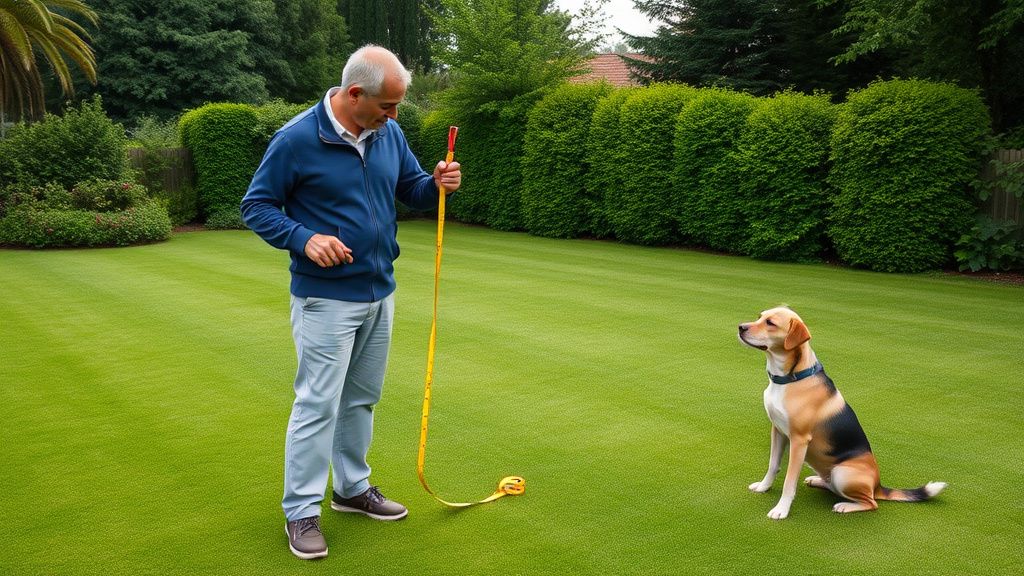
Before you start gathering materials, the single most important step is choosing the right location. Your research consistently points to one ideal setup: a flat, grassy area. This isn't just an aesthetic preference; it's a critical safety and practicality choice.
A flat surface prevents your dog from tripping on uneven ground, especially when they're running at speed or making sharp turns. Grass provides a natural, forgiving landing pad for jumps, which is much gentler on your dog's joints than concrete, decking, or even packed dirt. As noted in the research, you should aim for areas that are flat and grassy, and simple to fence off if your yard is not already secured. A fenced yard is ideal for off-leash training, but you can absolutely create a course in an open space using a long leash for control during initial training phases.
Measure the area where you plan to set up your agility course. Check that you have enough room for your dog to move freely between obstacles. You don't need a vast field; even a moderate-sized backyard can accommodate a cleverly arranged course. If space is limited, the advice is to focus on versatile equipment that you can easily rearrange or store when not in use. This modular approach lets you set up a new course layout every time, keeping the challenge fresh for your dog.
Essential DIY Obstacles You Can Build This Weekend
Now for the fun part: building the obstacles. The core idea is to build or set up a series of obstacles, such as hurdles, weave poles and tunnels, and train your dog to maneuver in, on and around these obstacles in specific ways. Let's break down how to make the most popular ones safely and simply.
The Classic Jump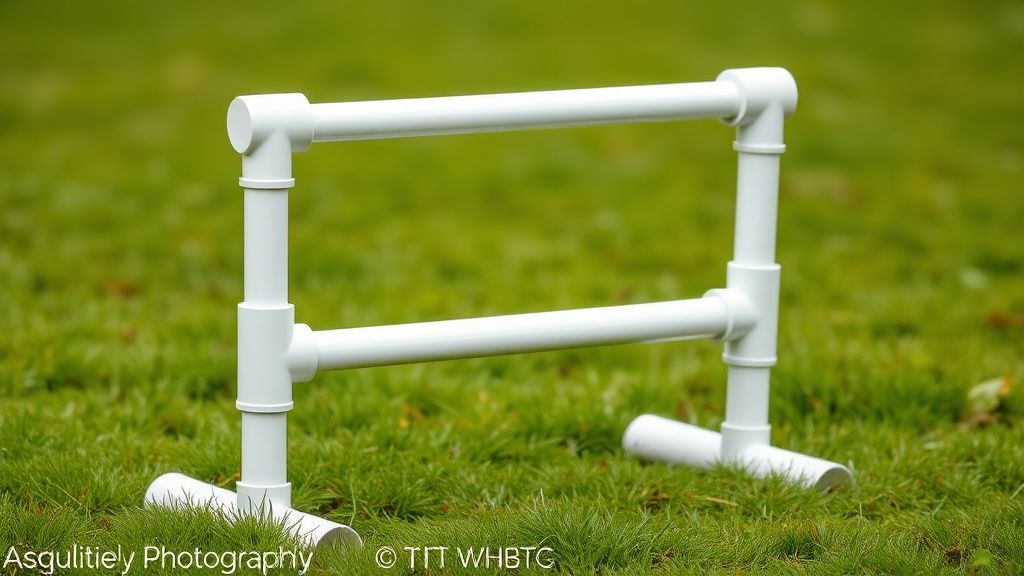
Jumps are a great starting point. You can make a simple bar jump using PVC pipes. The crucial safety tip from dog owners is this: make sure that the bars on the jumps fall off of the dog clips them, so they don’t hurt themselves by jumping. Don't secure the bar rigidly. Instead, set it on cups or holders so it dislodges easily if your dog misjudges the leap. For tiny or beginner dogs, start with the bar on the ground, a simple "hop over" cue. You can even use a painted pool noodle balanced on two traffic cones for an ultra safe, beginner friendly version.
The Challenging Weave PolesWeave poles are often the most impressive obstacle to watch, and they're also one of the most challenging to learn. Luckily, they’re easy to put together. The Reddit DIY suggestion is to use pipes with stakes to stick them into the grass. PVC pipes with rebar or wooden stakes attached work perfectly. Space them about 24 inches apart for a medium sized dog to start. This obstacle will require patience with your pooch, but it is excellent for helping their overall agility and balance. Start with just two or three poles in a straight line and use a lure (like a top quality treat) to guide your dog through slowly.
The Fun TunnelYou don't need a purchased agility chute. A large, sturdy cardboard box with both ends cut out makes a perfect starter tunnel. Secure it with weights so it doesn't move. For an outdoor, more permanent option, you can use a length of flexible drainage tubing anchored with stakes. Always ensure the tunnel is rigid and won't collapse on your dog. The joy of zooming through a tunnel is immediate for most dogs, making it a high reward obstacle.
The Balancing ActA balance board, or "dog walk," teaches coordination. A simple DIY version is a wide, sturdy plank laid flat on the grass. Once your dog is comfortable walking its length, you can carefully raise it a few inches off the ground using cement blocks at each end. Always supervise this activity closely. You can also use a low, wide wooden bench or even a stable, overturned storage tub.
Training Your Dog: Patience, Praise, and High Value Treats
Building the course is only half the battle. The real magic happens when you introduce your dog to it. Remember, this is entirely new to them. Never force your dog onto or over an obstacle. The entire process should be driven by positive reinforcement.
Start with one obstacle at a time. Use a leash to guide them if needed, and lavish them with praise and their favorite rewards. Those best dog treats you save for special occasions? This is the time to use them. Break each obstacle down into tiny steps. For a jump, start with the bar on the ground and reward for walking over it. For weave poles, reward for just walking between two poles that are spaced far apart.
Keep sessions short, fun, and positive, five to ten minutes is plenty. If your dog seems stressed or confused, take a step back and make the task easier. The goal is to build confidence. This kind of focused, rewarding training can also be a wonderful tool for dogs who need a confidence boost in other areas of life; the skills translate directly to our dog anxiety guide.
As your dog masters individual obstacles, begin linking two together. Use a clear command for each one ("jump!", "weave!", "tunnel!"). Soon, you'll be able to run a short sequence. This mental workout is as tiring as the physical one, leading to a wonderfully content and calm dog afterward. Pairing this training with a balanced and complete diet can support their energy and recovery.
Maintaining Safety and Fun for the Long Haul
A DIY course requires ongoing attention to keep it a source of joy, not mishaps.
* Inspect Obstacles Regularly: Check PVC joints for cracks, ensure weave poles are firmly staked, and confirm that jump bars still fall away easily. Weather can warp materials over time.
* Consider the Surface: Even grassy areas can develop holes or muddy patches. Keep the running path clear and fill in any divots promptly.
* Hydration is Key: Always have fresh water available during and after play sessions. For dogs that train hard, integrating a hydration rich fresh dog food into their diet can be beneficial.
* Know Your Dog's Limits: Not every obstacle is right for every dog. Puppies, seniors, and dogs with joint issues should avoid high jumps. Focus on tunnels, low walks, and weave poles at a slow pace. The course should adapt to your dog's life stage.
* Mix It Up: Prevent boredom by rearranging your course layout weekly. This changes the sequence and challenges your dog's mind anew. It's like getting a new dog subscription box of fun delivered right to your yard!
Final Thoughts
Creating a flat grassy DIY agility course in your backyard is one of the most rewarding projects you can undertake for your dog. It transforms your outdoor space into a dynamic training ground that nurtures your dog's body, sharpens their mind, and deepens your mutual trust. You don't need professional gear; you just need a little space, some basic materials, and a lot of enthusiasm. Start simple, celebrate every small success with plenty of praise and treats, and always prioritize your dog's safety and comfort. Watch as your canine companion discovers the thrill of the course, and enjoy the incredible bond that forms when you learn and play together, right at home.
Find the Perfect Box for Your Dog
Compare top-rated dog subscription boxes and find the best fit for your pup.
Compare Boxes