Master The 12 Intermediate Trick Dog Skills

Master 12 impressive tricks to earn your dog's Intermediate Trick Title and strengthen your bond through playful training.
To earn the Intermediate Trick Dog (ITD) title, you and your dog must successfully perform 12 tricks from the intermediate skill level or higher. You can reuse a trick from your Novice title, and you may use a food or toy lure on no more than 3 of the 12 tricks (25%). Advanced or Expert level tricks count as two tricks each if they are performed without a lure, helping you reach the required total faster.
So, you and your clever pup have conquered the Novice Trick Dog title. The joy of mastering those first ten tricks is still fresh, but now you're both ready for more. The Intermediate Trick Dog (ITD) title is the perfect next step, designed to deepen your bond and challenge your dog's mind in exciting new ways. This title moves beyond the basics, asking for greater focus, coordination, and understanding from your dog while you, as the handler, refine your training skills by fading out lures. It's a rewarding journey that provides fantastic mental and physical stimulation for your dog, laying a solid foundation for even more impressive advanced titles. Let's break down exactly what it takes to earn this fun and prestigious title.
What Are the Official Rules for the Intermediate Trick Dog Title?
The path to the ITD title is clearly mapped out by organizations like Do More With Your Dog and the American Kennel Club (AKC). While the specific tricks on their lists may vary slightly, the core requirements are consistent. First and foremost, your dog must already have their Novice Trick Dog (NTD) title. Titles must be earned in order, so this is a non-negotiable prerequisite.
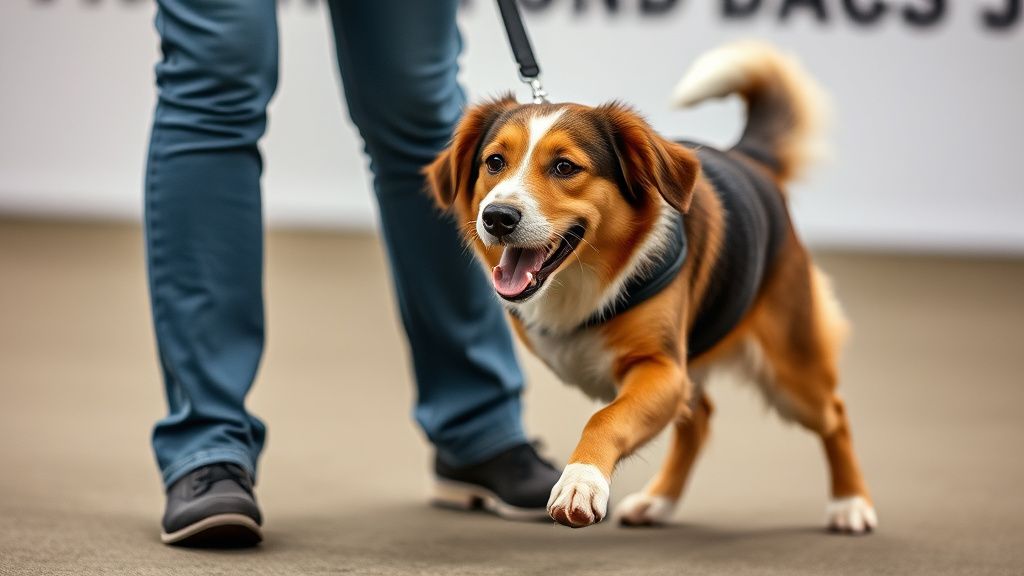
The central requirement is performing 12 tricks. These cannot be just any tricks; they must be from the intermediate skill level or higher. This is where a key strategy comes into play. According to the rules, "Advanced and Expert tricks count as two tricks if not lured." This means if you teach your dog a particularly challenging trick from the Advanced list and they can perform it without following a cookie in your hand, that single trick can check off two of your required twelve slots. It is a fantastic way to accelerate your progress if your dog is ready for a bigger challenge.
You are also allowed to reuse a trick from your Novice title. This is helpful for building a routine and showcasing how polished a previously learned behavior has become. The rules around lures are crucial at this level. For the ITD title, you may use a food or toy lure on no more than 25% of the tricks you perform. Since you need 12 tricks, 25% means you can lure no more than three of them. For the remaining nine (or more), your dog must respond to a verbal cue, a hand signal, or both, without needing to follow a treat to get into position. This shift encourages true understanding and reliability.
How Do You Train for Intermediate Tricks Without Relying on Lures?
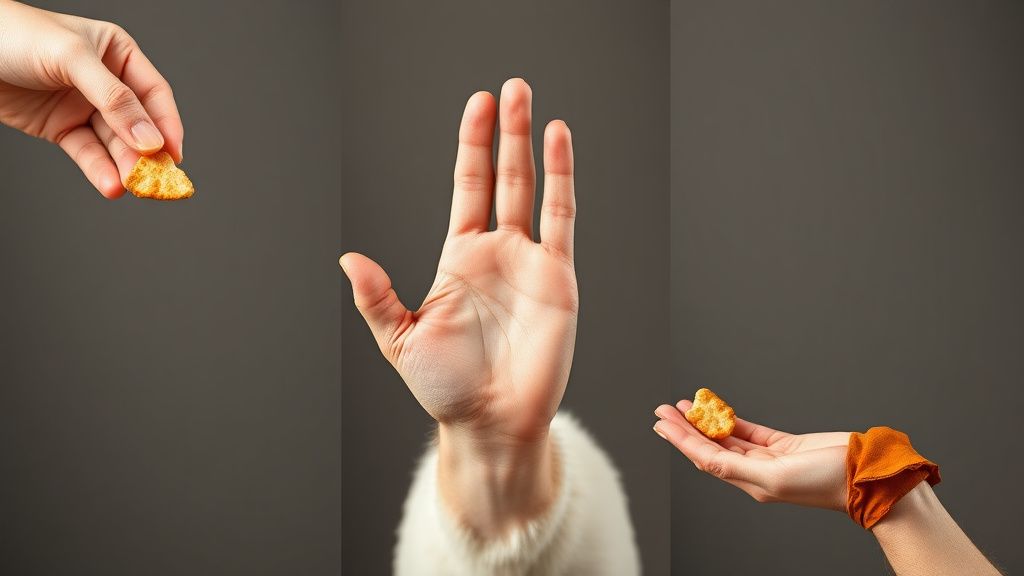
Moving away from lures is the biggest training leap between the Novice and Intermediate levels. In Novice, lures are a common and accepted teaching tool. For Intermediate, the AKC Trick Dog Participant and Evaluator Guide states that "handlers may not use lures unless specified, but may use food rewards or clickers." This is a vital distinction. You cannot *guide* your dog with food, but you can absolutely *reward* them with it after they perform the trick correctly.
The fade-out process is a gradual one. Start by using a lure to teach the initial behavior. Once your dog is consistently following the lure, begin to make your hand motion look more like a clear hand signal without the treat visible. Then, give the signal and reward from your other hand. Slowly, you will add the verbal cue just before the hand signal. With practice, your dog will begin to respond to the verbal cue alone. This process requires patience. If you find yourself stuck, using a high value reward from a dog food delivery service can be a great motivator during these training sessions.
Remember, the 25% lure rule is your safety net. If you have a trick that your dog simply struggles with off-lure, you can choose to use a lure for it, as long as you keep those lured tricks to three or fewer in your final title performance. I have found that tricks involving complex sequences or new props sometimes need that extra bit of guidance during the evaluation to ensure success.
What Are Some Great Trick Ideas for the ITD Title?
The official trick lists are your best resource, and both AKC and Do More With Your Dog provide them. These lists include a wide range of behaviors that test different skills. Based on the research, here are some excellent categories and examples of intermediate level tricks to consider for your title.
Object Interaction Tricks: These involve your dog manipulating items with purpose. "Put your toys away" is a crowd favorite, where the dog picks up toys and drops them into a basket. "Close a door" or "open a cupboard" (with a rope handle) are also fantastic options that are not only cute but useful. Agility-Inspired Tricks: These provide great physical stimulation. "Jump through your handler's circled arms" is a classic intermediate trick that requires good timing and trust. "Crawl" (a low belly crawl) is another excellent one that offers mental and physical engagement, as noted by training experts. You can even start introducing a low hoop jump. Precision and Impulse Control Tricks: "Go to your place" (a specific mat or bed) and stay there until released is a cornerstone behavior that translates to real world manners. "Catch" a treat or toy in the air builds coordination. "Wave hello" is a charming trick that requires the dog to offer a specific paw movement on cue. Handler's Choice: Don't forget about this option. The rules allow for up to 2 Handler’s Choice tricks at this level. This is your chance to showcase something unique your dog loves to do, as long as it's safe and positive. Maybe it's a special spin, a "play dead" with a dramatic flair, or balancing a treat on their nose. I have seen some incredibly creative Handler’s Choice tricks that truly capture a dog's personality.When training these, keep sessions short and positive. Using the best dog treats, like small, soft training morsels, will keep your dog eager to work. For dogs that are toy motivated, a quick game of tug can be an equally powerful reward.
How Should You Prepare for and Film Your Title Evaluation?
Earning your title requires an evaluation, which can often be done via video submission for convenience. Preparation is key to a smooth process. First, ensure you have all your paperwork in order, including proof of your dog's Novice title. Carefully review the specific application for the organization you are titling through, such as the Do More With Your Dog ITD application.
When planning your video, think about flow and environment. Choose a quiet, familiar space with good lighting and minimal distractions. Have all your props ready and out of sight until needed. Film a test run to check your camera angles; the evaluator needs to see both you and your dog clearly at all times.
Perform your tricks in a logical order. Start with a few of your dog's most solid tricks to build confidence. Sandwich any trick that is slightly less reliable between two rock solid ones. If you are using a lure for up to three tricks, make a note of which ones they are for your own tracking. Remember, the rules state that for Advanced tricks to count as two, they must be performed without a lure, so be extra sure of those.
Most importantly, keep it fun. Your energy sets the tone. If you are stressed, your dog will sense it. Smile, use an upbeat voice, and celebrate with your dog after each trick. This positive atmosphere will result in a better performance and a happier dog. For dogs that get a little nervous, working on these fun tricks can actually help build confidence, which you can learn more about in our dog anxiety guide.
Final Thoughts
The Intermediate Trick Dog title is so much more than a certificate or a patch. It is a testament to the communication and partnership you are building with your dog. The process of moving from lure based prompts to clear cues deepens your mutual understanding in a profound way. Each of those twelve tricks represents a small victory, a moment of connection, and a boost to your dog's cognitive health.
This journey provides the kind of enrichment that goes beyond a daily walk. It tackles boredom, builds confidence, and strengthens the bond you share. Whether your goal is to eventually reach the Advanced and Expert titles or you simply want to enjoy a fun, structured activity with your best friend, the ITD title is a milestone worth celebrating. So grab your clicker, a pouch full of your dog's favorite rewards, and that official trick list. Your next great adventure in training starts now.
Find the Perfect Box for Your Dog
Compare top-rated dog subscription boxes and find the best fit for your pup.
Compare Boxes