Distraction Proof Hand Signals For Recall
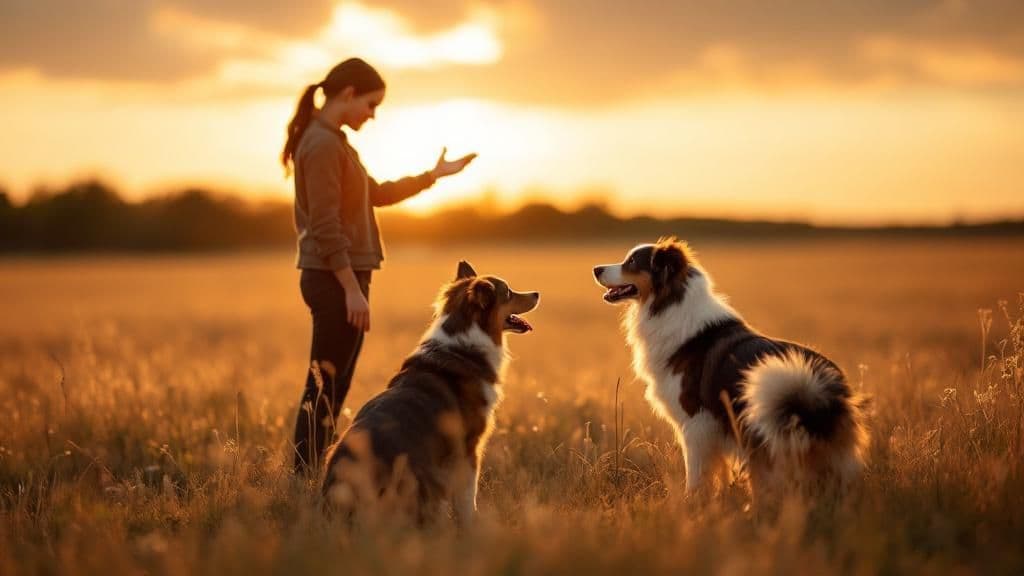
Master hand signals to ensure your dog’s recall is solid, even in the most distracting environments.
Distraction-proof hand signals for recall work by pairing a consistent visual gesture with high-value rewards, building reliability even when your dog can't hear verbal commands. The key progression is: master the signal indoors → practice in a quiet yard → add controlled distractions → proof in real-world environments over 6-8 weeks.
There is a moment every dog owner dreads. You’re at the park, the sun is shining, and your dog is happily exploring. Then, a squirrel darts across the path. Your dog’s ears perk up, their body tenses, and in a flash, they are gone, chasing instinct with a singular focus. You call their name, your voice rising with urgency, but it’s as if the sound is swallowed by the wind. They are in another world, a world of pure distraction-signals-1772892203519). This is where verbal commands often fail us, lost in the noise of the environment or the louder call of instinct. But what if you had a silent, powerful tool that could cut through that mental fog? That tool is a distraction proof hand signal for recall.
I have trained dogs for years, and I can tell you that a visual cue, built correctly, can be more reliable than your voice in chaotic situations. It becomes a beacon. The key is not just teaching a hand signal, but proofing it against the very things that make our dogs ignore us. This is about building a silent language so clear and so rewarding that coming to you is always the best choice your dog can make, squirrel or no squirrel.
Why Hand Signals Win in a Noisy World
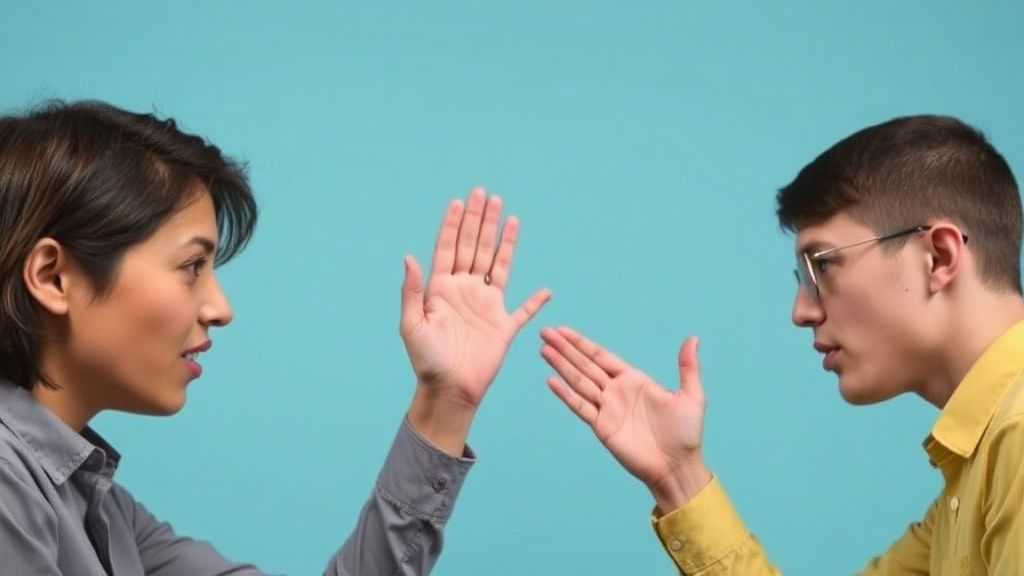
We rely heavily on talking to our dogs. We tell them to sit, stay, and come. But dogs are visual creatures by nature. They read our body language constantly, often better than they understand our words. Formalizing this with deliberate hand signals taps directly into their natural strengths.
Think about a crowded dog park. There are barks, shouts from other owners, kids playing, and the rustle of leaves. Your verbal “come” has to compete with all that auditory clutter. A distinct, large hand movement, however, creates a visual anchor. As noted by trainers on Reddit, the bigger the signal and the farther it is from your body, the easier it is for your dog to distinguish from a distance. This is crucial for safety.
There are practical benefits for us, too. Maybe you’re on a phone call, talking to a friend, or your voice is tired. A hand signal allows you to communicate silently and effectively. It’s also invaluable for dogs who may lose hearing as they age. You’re building a lifelong communication system.
Most importantly, hand signals promote enhanced focus. As communication experts point out, using visual cues helps maintain attention on the task without the distraction of verbal chatter. When you pair a clear, consistent motion with a high value reward, you teach your dog that watching you is incredibly profitable. This foundational focus is what we will build our distraction proof recall upon.
Choosing and Teaching Your Core Recall Signal
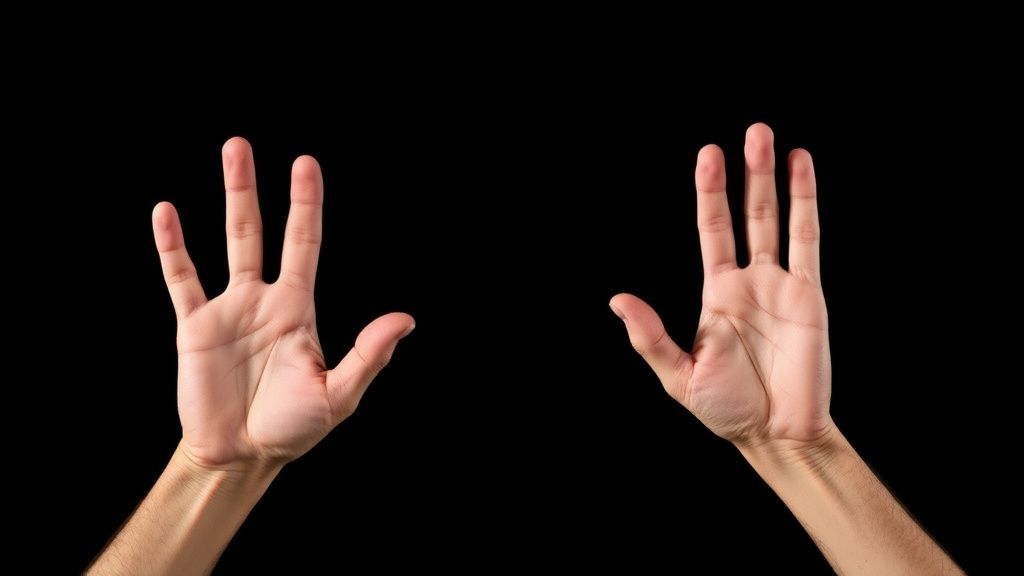
You don’t need a complex dictionary of signs. For a reliable recall, we want one primary visual cue that is unmistakable. Based on expert advice from trainers and organizations, there are two highly effective options. You can choose one, or even teach both for different contexts.
The Overhead Arm Sweep: This is a classic and highly visible signal. As described by OLK9MD, you start by holding your arm straight out to the side at shoulder height. Then, in one smooth, deliberate motion, you sweep it across your body and in toward your chest. Imagine you’re drawing your dog to you with your whole arm. The large, sweeping movement is easy to see from far away. The Hand Target: This method is brilliant because it leverages a dog’s natural curiosity about our hands. You simply present your flat hand, palm facing your dog, at a distance. The goal is for your dog to move toward that hand and touch their nose to your palm. As Zigzag explains, dogs are already inclined to sniff and lick our hands, making this an easy behavior to capture. Once they understand that touching the hand earns a fantastic reward, you can use that presented hand as your recall signal from increasing distances. How to Teach It (The Foundation):All reputable sources, from Pupford to Dog Academy, agree on the first step. You must begin in a distraction free environment. This means a quiet room in your house with no other pets, people, or toys vying for attention. You need their undivided focus.
1. Pair with the Known Verbal Cue: Start with your dog just a few feet away. Say your clear verbal cue, “Come!” and immediately follow it with your chosen hand signal.
2. Mark and Reward the Movement: The second they take a step toward you, use a marker word like “Yes!” or a clicker. When they reach you, give them an amazing treat. For this, I often use something from my monthly dog best dog subscription boxes that I reserve for special training. It might be a freeze dried liver treat or a soft, smelly morsel they never get otherwise.
3. Repeat and Fade the Verbal: Practice this pairing dozens of times over short sessions. The goal is for your dog to see the hand signal and immediately think, “If I go to that, I get the best thing ever.” Over time, as Dog Academy outlines, you can begin to fade out the verbal cue. Try giving just the hand signal. If they respond, throw a party! If they hesitate, go back to pairing them for a few more repetitions.
4. Add Distance Gradually: Once they are rock solid in your quiet space, start adding tiny bits of distance. Take one step back and give the signal. Then two. Work your way across the room, then into a hallway.
The entire goal of this phase is to make the hand signal itself the most exciting cue your dog knows. The reward must be consistent and top quality. This isn’t the time for their everyday kibble. Use what they truly love.
The Art of Proofing Against Distractions
This is where most recall training falls apart. We teach it perfectly indoors, then expect it to work immediately at the park. That’s not proofing. That’s setting your dog up to fail. Proofing is the systematic process of adding challenges so the behavior holds strong under any condition. As Outleash.com wisely states, effective trainers proof each cue type independently across distance, distraction, and context.
The Distraction Ladder:You must add distractions in a controlled, incremental way. The American Kennel Club suggests starting small inside your home. Have another person quietly sit in the room. Practice your recall. Then, have that person gently toss a ball in their hand while you call your dog. The key is to start with distractions so mild that your dog can still succeed about 90% of the time.
Whole Dog Journal provides a fantastic blueprint for a distraction ladder you can use with helpers.
* Level 1 (Mild): A helper simply stands between you and your dog.
* Level 2 (Medium): The helper walks across the path between you and your dog as you signal.
* Level 3 (High): The helper sits on the ground with a treat in their closed hand.
* Level 4 (Very High): The helper tosses a toy in the air and catches it as you call.
* Level 5 (Extreme): The helper runs across the recall path or walks another leashed dog nearby.
The “Oh Crap” Moment and Emergency Recalls:There is a neurological reason this is so hard. As explained by A Peaceful Pack, when a dog is in high arousal, their brain enters a survival mode. Instinct takes over. A regular cue might not penetrate that mental fog. This is why we need a signal that cuts through.
This is the concept behind an emergency recall. It’s a separate, special cue and signal that means “come now, no matter what, and the reward will be beyond your wildest dreams.” Train it the same way as your core recall, but use an even higher tier of reward. Some people use a special whistle sound, as suggested on the Poodle Forum, because it’s distinct and carries far. You can pair a specific, dramatic hand signal with it. The goal, as one Reddit user training with an e collar noted, is to have a cue so powerful that you know your dog can hear and see it even when distracted. You build confidence that in a true emergency, you have a way through to them.
The Critical Release Cue:An often overlooked part of proofing is teaching your dog that the recall is not a trap. If every time they come to you, you immediately leash them and go home, they will start to hesitate. Tip Tree Dog Training emphasizes teaching a clear release cue like “Okay” or “Free.” When they come to you, reward them lavishly, then give the release cue so they understand their job is done and they can return to exploring. This maintains the joy and willingness in the behavior.
Integrating Signals into Real World Adventures
Training in your yard or with helpers is essential, but the final exam is the real world. This transition must be handled with care and management.
Start in the least stimulating public area you can find. An empty school yard on the weekend, a quiet corner of a park at dawn, or a friend’s large, fenced property are ideal. Keep your dog on a long line, a lightweight leash that is 20 to 30 feet long. This gives them freedom but keeps them safe and gives you a gentle way to guide them if they don’t respond.
The Setup for Success:Use the environment to your advantage. The technique from Retrieving for All Occasions is perfect here. Have a training partner act as a “distraction assistant.” They can gently try to get your dog’s attention. The moment your dog chooses to disengage from them and turn toward you, you add your recall signal and reward them massively for that brilliant choice. You’re teaching them that turning away from distractions and toward you is the winning move.
What to Do When It Fails:You will have failures. It’s part of the process. If you give your recall signal and your dog is completely locked onto a bird, do not repeat the signal. Do not shout. As Preventive Vet advises, don’t call your dog when you know you haven’t proofed for that level of distraction. In this case, use your long line to gently guide them back to you, then reward them for arriving. This preserves the meaning of the signal. If you repeat a cue that is ignored, you teach your dog that it’s optional. Go back a few steps in your distraction ladder at the next session.
Maintaining the Behavior:Reliable recall is not a “trick” you teach once. It is a behavior you maintain for life. Keep it fresh and rewarding.
* Practice randomly, not just at the end of playtime.
* Vary the rewards. Sometimes use a jackpot of treats, sometimes an epic game of tug with their favorite toy from last month’s dog food delivery box.
* Occasionally recall them, reward them, and immediately release them back to play. This is the ultimate proof that coming to you is always a good deal.
Final Thoughts
Building a distraction proof recall with hand signals is an exercise in patience, consistency, and understanding. It’s about communicating with your dog in a language they are naturally gifted at understanding. That sweeping arm motion or presented palm becomes more than a command. It becomes a promise. A promise that focus on you leads to the best things in life.
Remember, the journey is built in tiny steps. Start in that quiet room. Master the signal. Then, with the deliberate care of a scientist, introduce the world one distraction at a time. Celebrate every success, no matter how small. The payoff is more than just safety, though that is paramount. The payoff is a profound and silent connection, a trust that when you signal, your dog will find their way back to you through any chaos. That is the foundation of true freedom and partnership.
Recommended Products



Find the Perfect Box for Your Dog
Compare top-rated dog subscription boxes and find the best fit for your pup.
Compare Boxes