Ace The AKC Virtual Agility Test

Get your pup ready for AKC's virtual agility test with these essential training tips and setup tricks.
To prepare your dog for the AKC Virtual Agility Course Test, focus on building proficiency on all required obstacles, practicing the specific ACT 1 or ACT 2 course, and filming a successful run in a distraction-free space. You'll need to submit your video via YouTube along with the AKC entry form and fee. This program is designed as a perfect introduction to agility, teaching both dog and handler the basics of competition from home.
You've seen the incredible speed and teamwork of agility dogs and thought, "My dog could do that!" Maybe you've even started practicing jumps and tunnels in your backyard. The dream of earning an official title with your best friend is closer than you think, and you can start right from your own home. The American Kennel Club's Virtual Agility Course Test (ACT) program is a brilliant entry point, designed to welcome beginners into the sport. It takes the pressure off by letting you film your run on your own schedule. I've seen firsthand how this virtual format builds confidence in both dogs and handlers before they ever step paw in a formal trial setting. Preparing for this test is an exciting project that strengthens your bond and provides fantastic mental and physical exercise for your pup. Let's walk through exactly how to get you both ready for success.
What is the AKC Virtual Agility Course Test?
Before you start training, it's crucial to understand what you're working toward. The Agility Course Test is not a full agility trial. Think of it as a pre-novice assessment, a stepping stone created by the AKC to introduce dogs and handlers to the sport in a low-stress environment. The program breaks down into two levels, ACT 1 and ACT 2, and each level has two variations: Standard (which includes contact obstacles like the A-frame and dog walk) and Jumpers (which is just jumps, tunnels, and weave poles).
The "virtual" part is what makes it so accessible. Instead of performing in front of a judge at a specific time, you follow the official course map, set up your equipment in a safe space, and film your run. You then upload that video to YouTube and submit the link with your entry form and fee to the AKC for review. This means you can practice the course as many times as you need to get it right before submitting your final video. It's a fantastic way to learn the ropes, from handling your dog off-leash to understanding how to fill out an AKC entry form, all from the comfort of your familiar training area.
Foundational Skills Your Dog Needs
The research is clear: dogs need to be proficient with the obstacles for the ACT. This doesn't mean perfection, but your dog should understand and perform each piece of equipment safely and willingly. For ACT 1 and 2, this includes jumps, tunnels, weave poles, and for the Standard tests, the pause table and contact obstacles (A-frame, dog walk).
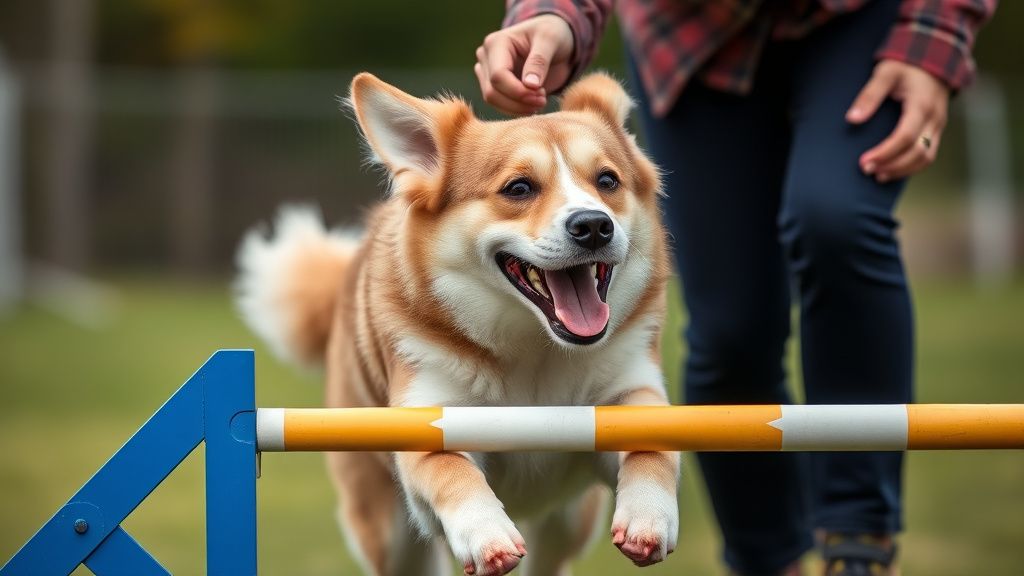
Start by ensuring each obstacle is a positive, fun experience. Use high value treats or a favorite toy to build drive and confidence. Self-control is a skill highlighted by the AKC as essential, even for those fast dogs flying across the course. Practice a solid "start line" wait and the ability to focus on you amid mild distractions. Remember, your dog will be running off-leash, so a reliable recall and engagement with you are non-negotiable. If your dog struggles with focus or nervousness, building confidence through foundational games can help. Our dog anxiety guide has tips that can be surprisingly useful for building a calm, confident agility partner.
Setting Up Your Training Space and Equipment
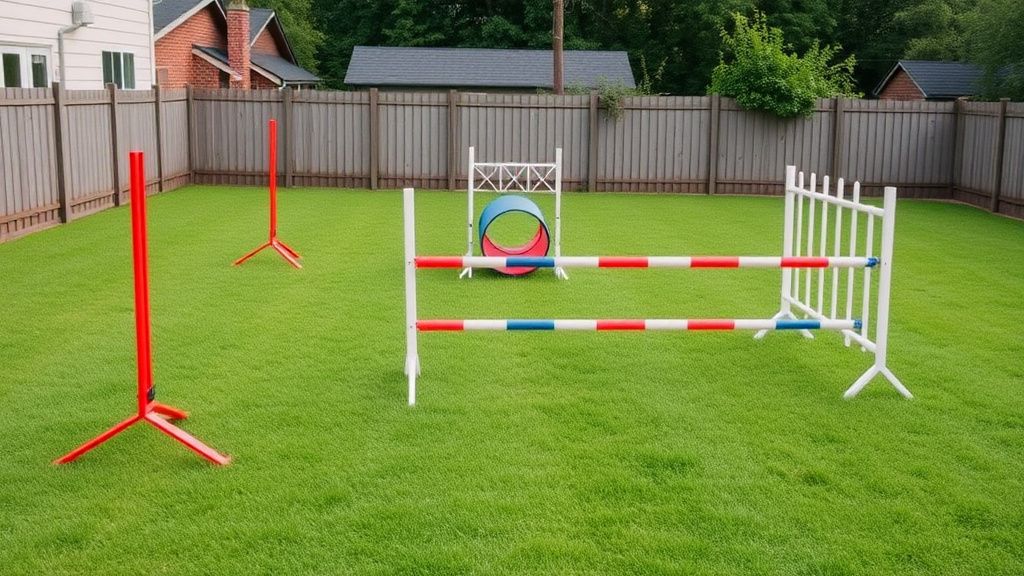
Creating an effective practice area is half the battle. The space should be free from distractions and obstacles, with ample room for agility equipment and maneuvering. A flat, grassy yard or a clean, non-slip indoor area is ideal. Safety is paramount. Never practice on slippery or hard flooring. Use a grassy yard or a soft, non-slip surface. The space should be free from distractions and obstacles, with ample room for setting up equipment and maneuvering safely is key.
You don't need a full professional setup. For jump practice, you can create a simple jump using a stack of books and a broomstick to work on technical skills like jump wraps. Use cones or markers to outline your course and guide your runs, simulating the real test environment. The goal is to create a space where your dog can succeed without fear or risk of injury. This preparation mirrors the AKC's advice to ensure your practice area is safe and conducive to learning. Investing time in a proper setup pays off in your dog's confidence and performance.
The Step-by-Step Preparation Plan
A haphazard practice schedule won't cut it. The AKC suggests spending at least 15 to 20 minutes a day practicing the moves you learned. Consistency is more valuable than long, sporadic sessions. Break your preparation into a clear, actionable plan.
Master Each Obstacle Individually
Before stringing obstacles together, ensure your dog is joyful and confident on each one. For contact equipment, the target is a solid "touch" at the bottom for their safety. For the pause table, your dog must stay on the table for 5 seconds. Practice this duration separately. Weave poles require a dedicated training method. Don't rush this step.
Practice the Official Course
Once skills are solid, obtain the official ACT 1 or ACT 2 course map from the AKC. Practice the exact sequence. Initially, walk the course without your dog, planning your handling path. Then, guide your dog through slowly, using plenty of rewards. The AKC's Virtual ACT program allows you to book time slots at some facilities just to practice the course, which is a great option if you lack space.
Simulate the Test Environment
Do several full practice runs as if filming the final video. This includes having someone film you, checking the camera angle captures the entire course. Practice your check-in routine, taking your dog in and out of the "ring." This simulation helps you both get comfortable with the final performance pressure.
Filming and Submitting Your Virtual Entry
This is where your preparation meets the official requirements. Following the AKC's instructions precisely is critical for your submission to be accepted.
First, review the official "AKC ACT Virtual Entry Instructions" document. It details everything from jump height specifications (for example, a dog may jump 16 inches) to the exact video requirements. Your filming space must be clear and the entire course visible in the frame. You'll need to state your name, dog's name, and the test level at the start of the video.
After filming, upload your video to YouTube. You can set it to "Unlisted" if you prefer. Then, complete the online entry form, pay the fee, and submit your YouTube link. The judging will be based on the same standards as an in-person test. To earn a qualifying score, your dog must complete the course with the minimum defined standards for time, faults, and points and without receiving any non qualifying deductions. A clean, well practiced run is your ticket to that first title.
Fueling Your Agility Partner
Training at this level requires energy. The right nutrition fuels your dog's physical exertion and mental focus. Think of your dog's diet as part of their training regimen. A balanced and complete diet supports muscle recovery and sustained energy. Whether you use a premium kibble, fresh dog food, or a raw dog food diet, ensure it's appropriate for your dog's activity level.
Training treats are your primary communication tool. They should be small, smelly, and irresistible. I often use tiny pieces of freeze dried liver or chicken. Rotating treats keeps your dog guessing and eager. For a fun way to discover new, high value rewards, consider a monthly best dog subscription boxes that delivers novel toys and treats. It turns training into a celebration. Always have a variety on hand to maintain that sparkle in your dog's eye during practice.
Final Thoughts
Preparing for the AKC Virtual Agility Course Test is a journey that does far more than teach your dog to navigate obstacles. It builds a language of trust and teamwork between you. You learn to read each other's movements and intentions. The virtual format is a gift, removing the initial stress of a crowded trial and letting you both learn at your own pace. Celebrate every small victory in your training, from mastering a tricky tunnel entrance to finally nailing that 5 second table stay. The confidence your dog gains from this experience is a testament to your partnership. When you finally film that qualifying run, you've got this. The skills you build now lay the groundwork for a potential future in the exciting world of agility competition. The bond you forge is unbreakable. For more ideas on engaging your dog's mind with new challenges, check out our post on fun mental games for dogs to keep that brilliant mind sharp. Remember, the goal is a happy, confident team. That title is the cherry on top of an already fantastic experience you've created together.
Find the Perfect Box for Your Dog
Compare top-rated dog subscription boxes and find the best fit for your pup.
Compare Boxes