Master Memory With Distraction Proof Hand Signals
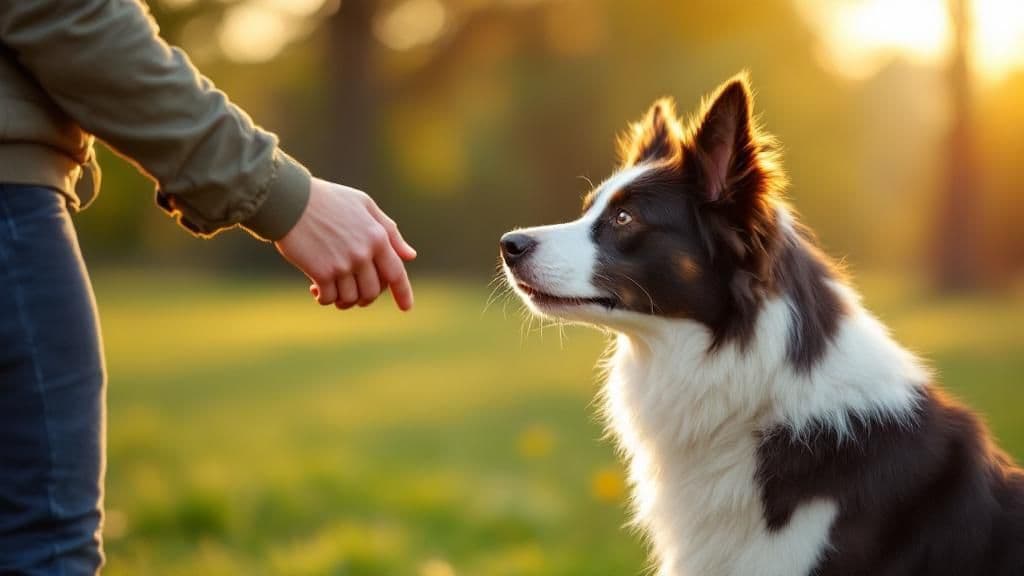
Master memory with hand signals: simple gestures to lock in focus and boost recall effortlessly.
Combining hand signals with verbal recall creates a distraction-proof system that works even in noisy environments like dog parks and busy streets. Start with a clear, consistent gesture (raised open palm sweeping toward your body), pair it with treats at close range, and progressively add distractions over 4-6 weeks of daily practice.
There’s a special kind of panic that sets in when your dog is sprinting toward a busy street, completely deaf to your frantic shouts. You realize in that moment that a verbal command alone can get lost in the wind, the traffic noise, or the sheer thrill of the chase your dog is locked onto. What if you had a secret weapon, a silent signal that could cut through that distraction-signals-for-reliable-recall-1772841803478) and bring your dog back to you? This is the power of a distraction proof recall built with hand signals. It’s not about replacing your voice, but about creating a layered, failsafe system where a visual cue can succeed where sound fails. Based on discussions from trainers and behaviorists, the most effective systems proof both verbal and visual cues independently, ensuring each one works across distance, distraction, and context. Let’s build that system for your dog.
Why Hand Signals Are a Recall Superpower
We often default to our voice when training our dogs. It feels natural. But dogs are masters of body language, and a clear visual signal can be more salient to them than a word, especially in chaotic environments. Think about trying to have a conversation in a loud, crowded room; you might start relying on gestures to be understood. The same principle applies to your dog.
A hand signal for recall is incredibly versatile. It can be seen from a distance where your voice might not carry. It works in noisy places like parades or near construction. It’s perfect for dogs who are hard of hearing, and as one trainer specializing in deaf dogs notes, it’s the foundation for creating a rock solid recall without sound. Perhaps most importantly, it becomes a distinct cue. If you only ever say "come" for everything from dinner to vet visits, the word can lose its urgent meaning. A unique, dedicated hand signal reserved for high value recalls cuts through the noise of everyday life.
I’ve seen this in action with my own dogs. When a squirrel appears, my verbal cue might get a flick of an ear. But the specific, practiced hand motion I’ve paired with the best possible rewards often gets a full body turn and a sprint back to me. It’s a clearer, more consistent message.
Laying the Foundation: Teaching the Basic Signal
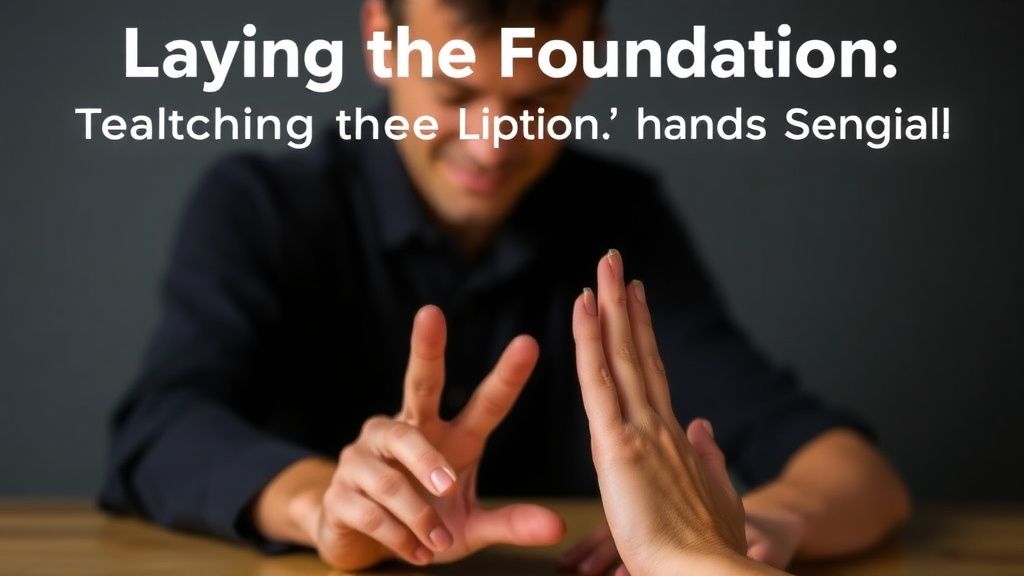
You cannot proof a behavior that doesn’t exist. The first step is to teach a strong, positive association with your chosen hand signal in a place with zero distractions. This is where you build the value. Dog Academy recommends starting in a distraction free environment where you can gain your dog’s undivided attention.
Choose a signal that is clear and easy for you to replicate every time. Many people use a broad, sweeping motion toward their chest or a sharp slap on their thigh. Pick a hand signal your dog can see from a distance, as suggested in emergency recall discussions. Pair this signal with a verbal cue you love, like "Come" or "Here."
Here is a simple process to follow:
1. Start Small: With your dog just a foot or two away, say your cue and immediately show your hand signal. The moment your dog takes a step toward you, mark it with a clicker or a happy "Yes!" and reward. The reward must be irresistible. Think of the treats you get in a premium dog food delivery box, like small pieces of freeze dried liver or a special soft treat.
2. Build the Association: Repeat this multiple times in short, fun sessions. You want your dog to think, "That hand motion means I move toward my person and get the best stuff in the world!"
3. Add Mild Distance: Once your dog is eagerly responding at two feet, try it at five feet. Then eight feet. Keep the environment boring so the only interesting thing is you and your reward.
4. Fade the Verbal Cue: This is a key step. After your dog reliably comes to the paired verbal and hand signal, start giving the hand signal *without* the verbal command. Wait a second. If your dog responds, throw a party! If not, go back a step. Over time, your pup will begin to associate the hand signal directly with the action, as Dog Academy outlines. You now have two separate cues for the same behavior.
The Proofing Process: Systematically Adding Distractions
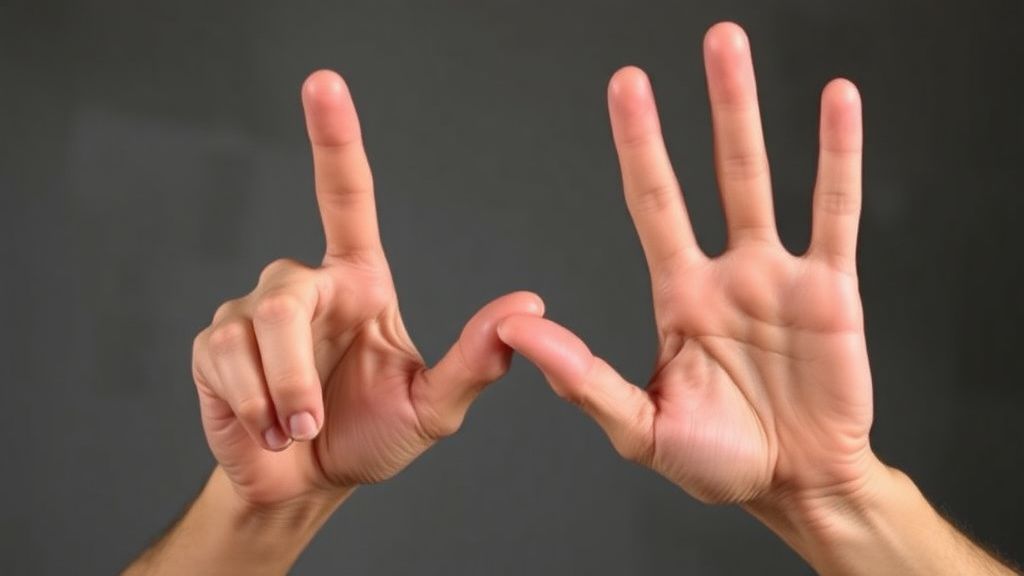
This is where most recall training falls apart. We get a great recall in the living room and assume it will work at the dog park. It won’t. As one Reddit user in a dog training community wisely advises, you have to slowly introduce little distractions and keep training recall almost from scratch with each of them, then over time increase the distractions. The American Kennel Club echoes this, recommending you practice recalls daily and slowly increase the difficulty and level of distraction.
Proofing is not about testing your dog to the point of failure. It’s about setting them up for success at each new level. Think of it like a video game. You don’t start on the final boss.
1. Identify Your Distraction Ladder: Make a list of distractions from mild to extreme. For example:
* Level 1: You move around while giving the signal.
* Level 2: A toy is on the floor in the quiet house.
* Level 3: You’re in the backyard with mild bird sounds.
* Level 4: A family member is quietly sitting in the yard.
* Level 5: A person is playing with another dog 50 feet away.
* Level 6: At a quiet park with squirrel sightings.
2. Work the Ladder: Start at a level where you are 90% sure your dog will succeed. Use your hand signal and be ready with a phenomenal reward. A high value treat from a curated dog best dog subscription boxes can be perfect for these high challenge moments.
3. Use a Helper or "Assistant": The "Retrieving for All Occasions" blog describes a brilliant method. Have a helper provide a mild distraction, like gently waving a toy. The moment your dog disengages from the helper and looks at you, give your recall signal. When the dog runs toward you, add your recall signal. This teaches the dog that ignoring distractions and choosing you is the most rewarding path.
4. Increase Difficulty Gradually: Only move to the next distraction level when your dog is responding with speed and enthusiasm at the current level. If they fail, you moved too fast. Go back down a level and rebuild confidence.
Integrating Hand Signals for Emergency Situations
Your everyday recall is vital. Your emergency recall is non negotiable. This is the cue, verbal or visual, that breaks through absolute panic and high stakes. The principles of hand signals make them ideal for this role.
Many trainers recommend choosing a unique word or phrase you never use in daily life. The same applies to a hand signal. Your emergency visual cue should be distinct from your everyday recall signal. It could be both arms waving overhead, a specific pattern of claps, or touching your head with both hands. The key is that it’s visually striking and reserved only for emergency recalls and the mind blowing rewards that follow.
The training is similar but the rewards are dialed up to eleven. Practice this special signal just a few times a week, always ending the game with something incredible. This could be a jackpot of treats, an entire pouch of wet food, or the immediate presentation of their absolute favorite squeaky toy. You are building a neural pathway that screams, "NOTHING in the world is better than responding to that signal."
In a real "oh crap" moment, as one Redditor described, having this proofed signal means you can use a visual cue with confidence. You know it works because you’ve trained it through distractions. Your dog has a history of being massively rewarded for obeying it, making it more impactful than a yelled command they may have learned to tune out.
Maintaining a Rock Solid Recall for Life
Training is not a one time event. It’s a lifestyle. A reliable recall, especially one based on hand signals, requires ongoing practice and positive association. If the only time you use the hand signal is when you need to leave the park, it will quickly become a negative cue.
Weave recall practice into your daily life.
* Call your dog for dinner with the hand signal.
* Use it to call them for a fun game of tug.
* Practice it once or twice on every walk, always with a happy tone and a good treat.
* Occasionally, call them just to give a loving scratch and send them back to play. This teaches them that a recall doesn’t always mean the fun ends.
Keep the rewards variable and high value. Sometimes a piece of kibble is fine. Other times, it should be a special salmon treat. This unpredictability keeps the behavior strong. Think of it like a slot machine; the possibility of a huge payoff keeps them playing the game.
Final Thoughts
Building a distraction proof recall with hand signals is an investment in your dog’s safety and your own peace of mind. It moves you from hoping your dog will listen to knowing they will, because you’ve built a communication system that works for their canine brain. You’ve created a silent whistle that cuts through chaos. Remember the core principles: start clear and simple in a boring space, proof each cue independently against a ladder of distractions, and maintain the value of the behavior with consistent, joyful rewards. This process strengthens your bond and creates a dog who checks in with you, not because they have to, but because you are the most interesting and rewarding part of any environment. That is the ultimate goal of any training, and it is absolutely within your reach.
Recommended Products



Find the Perfect Box for Your Dog
Compare top-rated dog subscription boxes and find the best fit for your pup.
Compare Boxes