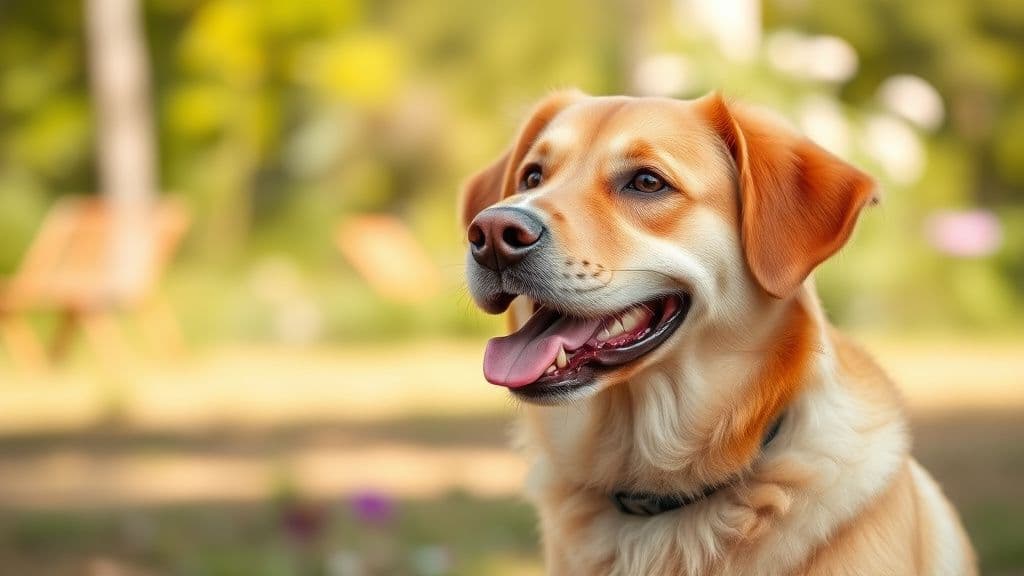
Master The Dog Leg Weave Trick
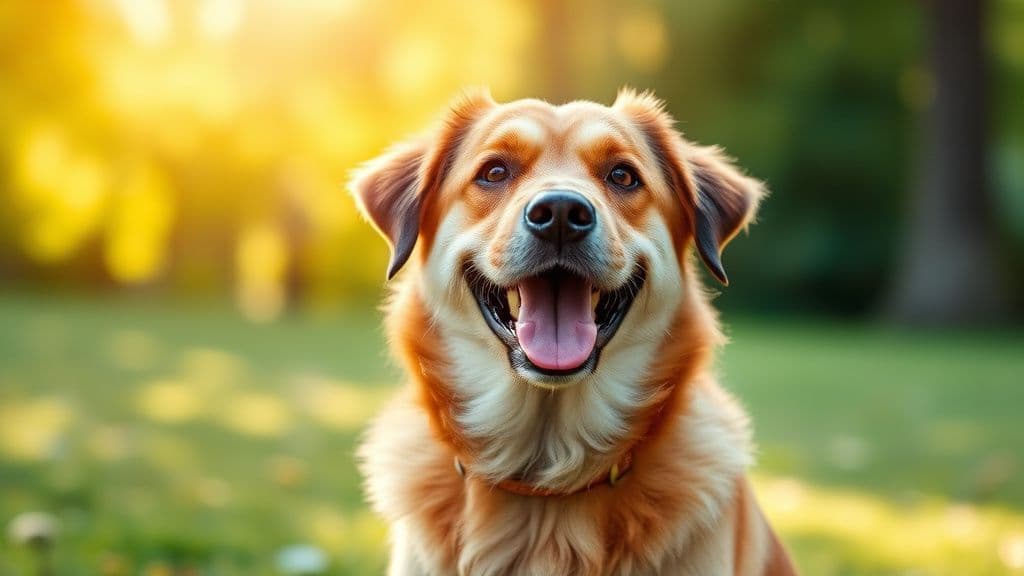
Teaching your dog new tricks is one of the most rewarding parts of being a pet parent. It strengthens your bond, provides mental stimulation, and hone
To teach your dog the figure 8 leg weave, start by luring them with a treat under one bent leg, then reward them for circling that leg. Next, teach the same circling motion around your other leg. Finally, combine the two circles by using a hand signal to guide your dog in a continuous figure eight pattern around and between your legs, rewarding them for completing the full sequence.
Teaching your dog new tricks is one of the most rewarding parts of being a pet parent. It strengthens your bond, provides mental stimulation, and honestly, it’s just plain fun to show off a cool new skill. The figure 8 leg weave is a standout trick that looks incredibly impressive, yet with the right approach, it’s something most dogs can learn. I’ve seen dogs of all sizes master this flowing movement, creating a beautiful dance between handler and hound. It’s a fantastic way to engage your dog’s mind and body, turning training time into a playful and rewarding game for both of you.
This guide will walk you through the process step by step, using proven methods from top training organizations. We will break it down into manageable stages, ensuring you and your dog build confidence and success together. So grab some of your dog’s favorite training treats, and let’s get started.
What You'll Need for Success
Before you begin, setting up for success is key. You do not need any special equipment, but a few things will make the process smoother.
* High value treats: Use small, soft treats your dog loves. Think of something they would work hard for, perhaps something you get in a monthly dog subscription box. These boxes are great for trick training because they often include novel, enticing treats that keep your dog motivated.
* A quiet, familiar space with good footing for both of you.
* A marker signal, like a clicker or a consistent verbal marker like “Yes!” or “Good!”
* Patience and a positive attitude. Keep sessions short, about 5-10 minutes.
How Do You Start Teaching the Leg Weave?
The foundation of the figure eight is teaching your dog to go under your leg. You cannot expect them to weave a complex pattern if they are not comfortable moving through your legs first. The goal here is to build a positive association with being in that space.
Step 1: The Initial Lure
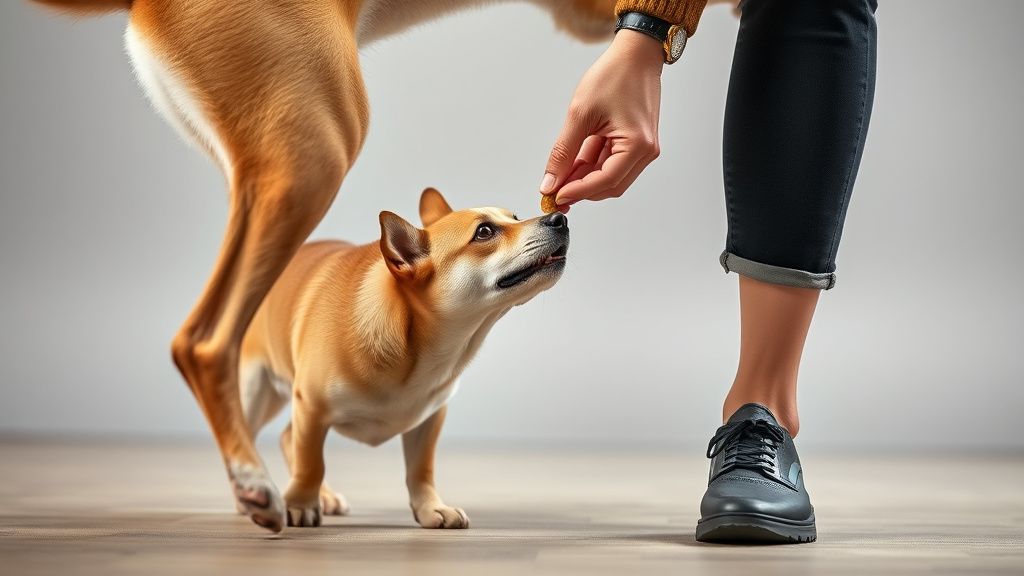
Begin by standing with your feet shoulder-width apart. Hold a treat in your hand. According to trainer advice from Tails with Nicole, you should start by bending and putting your weight on one leg and lure your dog under that leg. This creates a clear, inviting arch for your dog to walk through.
It can help to have your lure hand come from behind and under your bent leg to create a smooth guiding motion. The moment your dog’s head or body passes under your leg, mark the behavior with your clicker or “Yes!” and give them the treat. Repeat this several times until your dog moves under your leg with ease.
Step 2: Building a Circle
Once your dog is confidently going under your leg, you will expand that single pass into a full circle around that leg. This is a crucial building block.
As the AKC explains, you will lure your dog under your right leg, then continue guiding them with the treat in your right hand so they walk around the back of your right leg and come back to a sitting or standing position in front of you. Mark and reward this completed circle. Practice this multiple times on the same leg until it is fluid. Then, teach the exact same circling motion around your left leg, using your left hand to lure. The Karen Pryor Academy method emphasizes shaping each leg the same way, rewarding your dog each time they complete the circle.
How Do You Combine the Circles into a Figure 8?
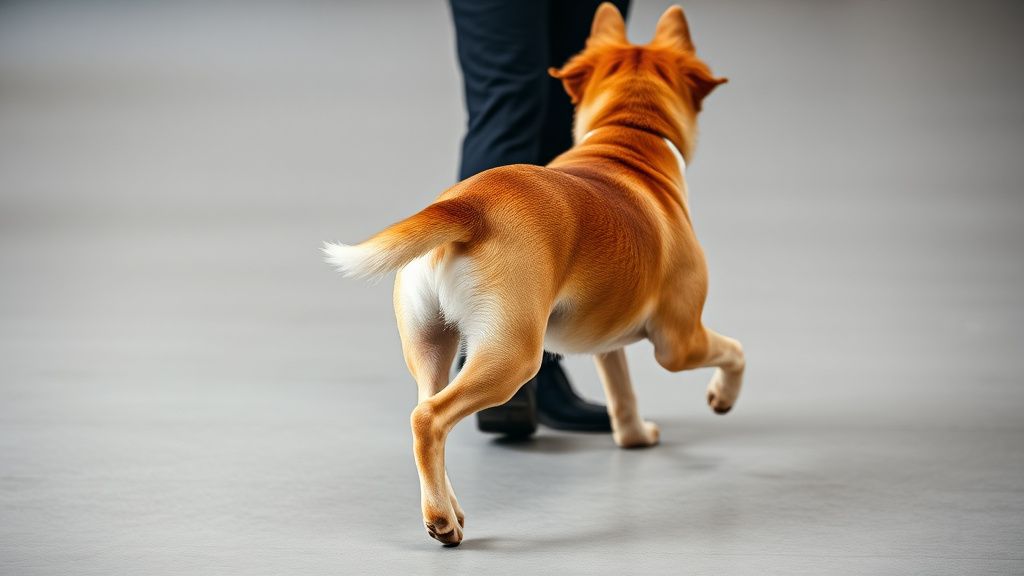
This is where the magic happens. Your dog now understands how to circle each of your legs individually. The next step is to connect those two circles into one fluid, continuous motion.
Step 3: The Hand-Off
The transition from one circle to the next is the trickiest part for most dogs. The key is a smooth hand-off of the lure between your hands. Stand with your feet apart.
1. Start by luring your dog to circle your right leg with a treat in your right hand, just as you have been practicing.
2. As your dog completes the right circle and comes back in front of you, you need to guide them to start the left circle. As noted in the Embrace Pet Insurance guide, the technique is to reach between your legs with your left hand and draw her back between your legs. This motion directs their head back under you to begin the weave on the other side.
3. Use your left hand to now lure them around your left leg and back to the front.
4. The instant they complete this first full figure eight (right circle, then left circle), mark and give a jackpot reward, several treats at once!
This may take many repetitions. Be patient and guide them slowly. The goal, as stated by Partners Dogs, is for your dog to understand the concept of weaving between your legs in a figure 8 pattern.
Step 4: Fading the Lure and Adding a Cue
Once your dog is reliably following your treat hand through the entire pattern, you begin to fade the lure. This means you will use an empty hand to make the same guiding motion. The AKC’s advanced tricks guide confirms this next step: you can fade out the treat lure, and start to lure your dog between and around your legs with an empty hand.
Practice the entire figure eight with an empty hand guiding them. After they complete the pattern, then reach into your treat pouch or pocket to reward them. This teaches them to follow the hand signal itself, not just the food.
As they get good at this, you can add a verbal cue like “Weave” or “Figure eight” just as they begin the movement. Say the cue, then give the hand signal. Over time, your dog will associate the word with the action.
What Are Common Problems and How Do You Fix Them?
It is normal to hit a few snags. Here are solutions to common issues.
My Dog Bumps Into My Legs or Gets Lost
This usually means you are moving too fast or your hand signal is not clear. Slow down. Break the trick back down into smaller pieces. Practice just the single leg circles again to rebuild confidence. Make sure your guiding hand is creating a very obvious path for your dog’s nose to follow.
My Dog Only Does Half the Pattern
If your dog keeps stopping after one circle, you are likely rewarding at the wrong time. You must only mark and treat *after* the full figure eight is complete. If you reward after one circle, you are teaching them that one circle is the goal. Go back to luring them slowly through the entire pattern without stopping, and deliver the reward only at the very end.
My Dog Seems Uninterested or Distracted
Your treats might not be motivating enough, or the training session is too long. Switch to a higher value reward. You might find that a special freeze-dried dog food topper or a bit of fresh food makes all the difference. Also, ensure you are training in a calm environment and end each session on a positive note, even if it means going back to an easier step they can succeed at.
How Can You Make the Trick Look Polished?
Once your dog has the basics down, you can work on style and speed. This turns a learned behavior into a show-stopping trick.
Adding Fluidity and Speed
Start to stand up straighter, relying less on a bent leg and more on your dog’s understanding of the path. Use quicker, more fluid hand signals to encourage a brisker pace. You can also start to walk forward slowly as they weave, which makes the trick look even more dynamic. Always reward the faster, smoother performances more enthusiastically.
Weaving on Both Sides
For true polish, teach your dog to start the figure eight from either side. You have taught them to start by going to your right leg first. Now, teach a separate cue (like “Other way”) to start by going to your left leg first. This involves simply starting the pattern with your other hand and practicing it as a completely new sequence at first. A dog that can weave in both directions is a true pro.
Final Thoughts
Teaching your dog the figure 8 leg weave is a journey that celebrates communication and teamwork. It is not just about the end result, but about the shared moments of learning, the little breakthroughs, and the joy of playing together. This trick provides excellent mental exercise, which can be just as tiring as a physical walk and is a great tool for a dog that needs to burn energy on a rainy day.
Remember, consistency is your best friend. Short, positive daily sessions will yield far better results than one long, frustrating weekly session. If you ever feel stuck, do not hesitate to break the trick down again. The process itself, this focused time with your dog, is a gift. For more ideas on engaging your dog’s brain and managing excitement, our dog anxiety guide has great tips on using training for calmness. Now, go enjoy this wonderful bonding experience with your talented pup.
Find the Perfect Box for Your Dog
Compare top-rated dog subscription boxes and find the best fit for your pup.
Compare Boxes