Tame Your Pet's Spring Matted Coat
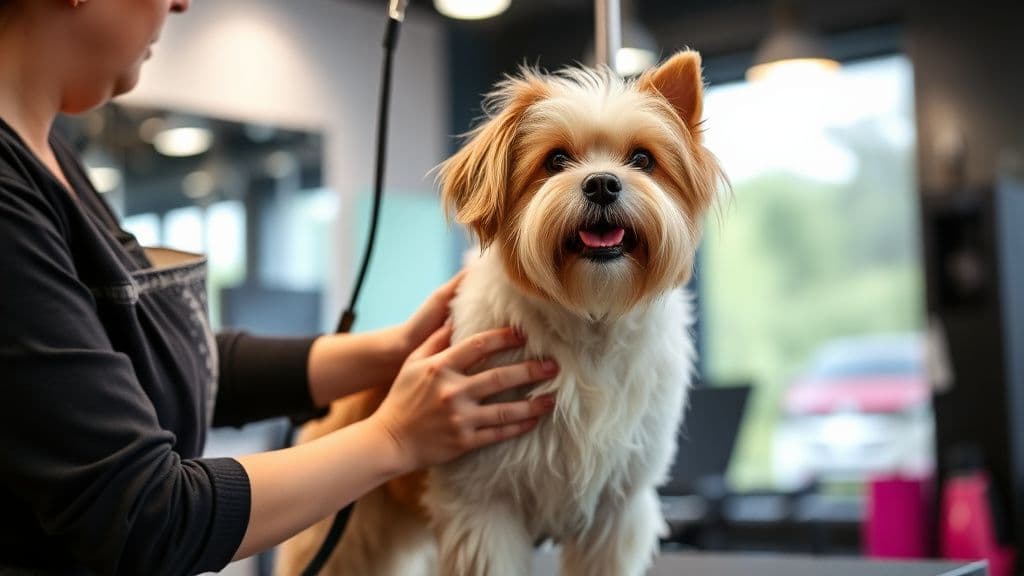
Spring matted coats demand expert care; professional groomers ensure safety and restore your pet's comfort.
Yes, professional groomers are often necessary for spring matted coats. Tight mats close to the skin require a groomer's skill and tools to remove safely without cutting the dog's skin. For severe matting, professional shaving is frequently the safest, most humane option to relieve the dog's discomfort and prevent skin infections.
As winter's chill thaws into the gentle warmth of spring, our dogs often emerge from their cozy indoor months with a coat that tells a story of adventure. That story, however, can sometimes be written in tangled, matted fur. The seasonal shift brings increased outdoor activity, spring rains, and shedding winter undercoats, creating a perfect storm for mats to form. I've seen countless well-meaning owners look at their dog's knotted coat and wonder if they can tackle it themselves with a brush and good intentions. The question of whether to call in a professional isn't just about aesthetics; it's a matter of your dog's health and comfort.
Why Spring is Prime Time for Mats
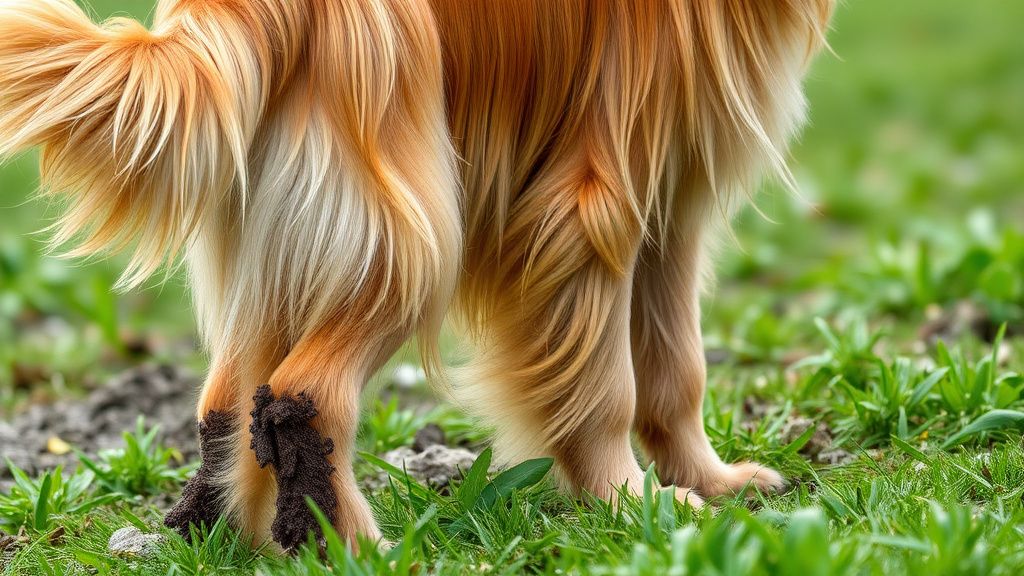 Golden Retriever, with visible clumps of matted fur, s" class="w-full rounded-xl shadow-sm" loading="lazy" />
Spring is a season of renewal, but for your dog's coat, it can be a time of chaos. The research from grooming experts consistently points to a few key factors. Long haired dogs and those with silky or dense coats are especially prone. As the Backyard Pet Services article explains, coat texture, lack of natural shedding ("release"), and friction from collars or simply moving around combine into "a recipe for matting." Spring hikes through muddy trails, rolling in fresh grass, and the natural process of blowing their winter undercoat all contribute. That loose undercoat gets trapped against the skin, intertwining with the topcoat and forming tight knots that can quickly spiral out of control.
What Are the Real Dangers of Matted Fur?
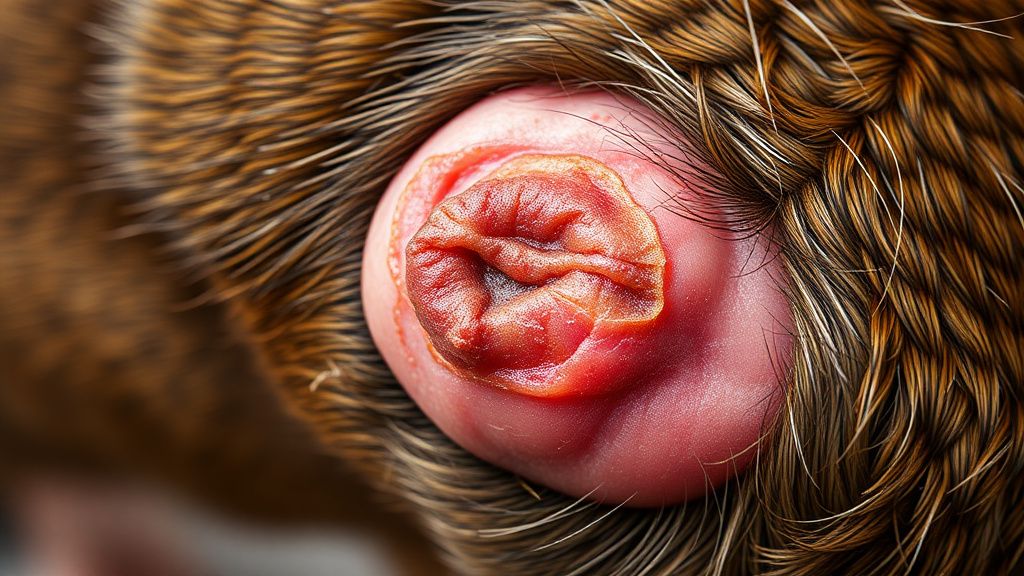
Many owners see mats as merely a cosmetic issue, a bit of unsightly fur. This misconception can lead to serious problems. Mats are not just knots on the surface. They form tight, often skin-tight, pockets that pull on the skin with every movement, causing constant discomfort and even pain.
The Happy Hounds Grooming resource makes a critical point that every owner should understand: severe mats can make it "challenging to distinguish fur from flesh." Imagine trying to cut a knot that is essentially glued to the skin; one slip of the scissors could cause a significant wound. Beyond the immediate injury risk, mats create a hostile environment for the skin itself.
* Skin Infections and Hot Spots: Mats trap moisture, dirt, debris, and bacteria against the skin. This damp, dark environment is ideal for bacterial and fungal growth, leading to painful infections and oozing hot spots. The skin underneath can become raw, inflamed, and incredibly itchy.
* Restricted Blood Flow and Hidden Problems: Tight mats can restrict circulation. They also act as a blanket, hiding parasites like fleas and ticks, as well as lumps, cuts, or skin lesions from your view. A professional groomer, in the process of removing the mats, often uncovers these hidden health issues, allowing for early veterinary intervention.
* Joint and Mobility Issues: For older dogs or those with arthritis, large, heavy mats can literally weigh them down, altering their gait and putting extra strain on their joints.
This is why grooming is a cornerstone of preventative healthcare, not just a beauty treatment. Regular care keeps your dog comfortable and allows you to monitor their skin health closely.
When Can You Handle Mats at Home vs. Calling a Pro?
Not every tangle requires a trip to the salon. Understanding the severity is the first step in making the right call. Based on the guidance from PetSmart and other experts, here’s a simple breakdown.
Mild to Moderate Matting (Home Care May Be Possible)
This category includes loose, isolated tangles that are not directly attached to the skin. You might feel a small knot behind an ear or in the "feathers" on the back of the legs. The matting is not widespread.
Safe Home Approach:1. Gather the Right Tools: A soft slicker brush, a metal comb with wide and narrow teeth, and a quality pet-safe detangling or conditioning spray are essential. The Andes Straley Veterinary Hospital guide recommends spritzing a little spray to help loosen the mat.
2. Work Slowly and Gently: Never pull or yank on the mat. Hold the fur at the base of the mat, close to the skin, to prevent pulling on the skin. Use the comb to gently pick at the outer edges of the mat, working inward.
3. Know When to Stop: If your dog shows signs of stress or pain, or if the mat refuses to budge without pulling the skin, stop immediately. Forcing it will only cause your dog to dread grooming and could injure them.
Severe or Pelted Matting (Professional Help is Necessary)
This is when mats cover large areas of the body, are tight to the skin, or the coat feels like a solid, continuous pelt. You cannot slip a comb between the mat and the skin. This is a clear signal to seek professional help.
Why Professionals are Essential Here:As Barkbus states, "Often, the best way to get matted dog hair untangled is for professional groomers to refresh the coat by carefully and gently shaving the hair." Groomers have the proper tools, professional-grade clippers with safe blades, and the expertise to navigate a wiggly dog and delicate skin. They are trained to identify the safest point of entry for the clipper to remove the pelt without harming the dog. The decision to shave is never taken lightly, but it is the most humane way to relieve the dog's suffering.
The Special Case of Double-Coated Breeds
Breeds like Huskies, German Shepherds, Golden Retrievers, and Samoyeds have a double coat: a dense, soft undercoat for insulation and a longer, protective topcoat. This coat type requires specific knowledge, especially when matting occurs.
A critical warning from the KUSA SuperiorCare guide is vital: "you should not shave a double-coated dog unless recommended by a vet or professional groomer due to a medical or extreme matting issue." Shaving can ruin the coat's natural insulating properties, leading to overheating in summer and poor temperature regulation overall. It can also cause the coat to grow back irregularly or not at all in some cases.
For double-coated dogs, professional groomers use specialized techniques like thorough deshedding treatments and line brushing to remove the dead undercoat without damaging the topcoat. Tools like undercoat rakes, as mentioned in the Fur Town Pet Spa spring guide, are vital for this process. A professional understands how to thin and shape the coat for manageability without resorting to a full shave, preserving its natural function.
How Professional Groomers Prevent and Treat Matted Coats
Choosing a professional groomer is an investment in your dog's long-term well-being. Their role extends far beyond a simple haircut.
The Assessment: A groomer starts with a full assessment of your dog's coat condition, skin health, and temperament. As noted by Golden Paw Pet Services, they identify the severity and location of all mats before formulating a safe plan. Safe Dematting and Shaving: For severe cases, they have the skill to shave the coat safely. For moderate matting, they may use high-velocity dryers, powerful conditioners, and systematic brushing techniques that are more effective and less stressful than what can typically be achieved at home. Health Monitoring: Groomers are often the first to spot emerging skin issues, ear infections, lumps, or parasites. They provide a full-body check that complements your veterinary care. Education for Owners: A great groomer, like those at Olney-Sandy Spring Veterinary Hospital, will provide you with advice for maintaining your pet between appointments. They can recommend the right brushes for your dog's coat type, demonstrate proper brushing techniques, and suggest a grooming schedule. This partnership is key to preventing future matting disasters. Comprehensive Care: Professional grooming includes a thorough bath with appropriate shampoos, a complete blow-dry (critical for preventing mildew and mats under damp fur, as PetSuites points out), nail trimming, ear cleaning, and sanitary trims, all services that contribute to overall hygiene and comfort.Building a Matt-Free Spring Grooming Routine at Home
Prevention is always better than a cure, especially when the cure involves clippers. A consistent home routine is your best defense against spring matting.
* Brush Frequently, Not Furiously: The frequency depends on your dog's coat. A short-haired Dachshund might need a weekly brushing, while a Standard Poodle needs a thorough comb-through every other day. Focus on high-friction areas: behind the ears, under the collar, the armpits, and the back of the legs.
* Invest in the Right Tools: Don't use a human brush. Ask your groomer to recommend a slicker brush, an undercoat rake (for double-coated breeds), and a sturdy metal comb. The comb is your truth-teller; if it doesn't glide smoothly from the skin to the ends of the hair, there's a tangle you missed.
* Make it a Positive Experience: Pair grooming sessions with high-value treats, calm praise, and keep sessions short and sweet for puppies. This builds a positive association. You might even use treats from a dog subscription box as a special grooming reward to keep things interesting.
* Bathe and Dry Properly: Never brush a dry, dirty coat, as this can cause breakage. Before a brush-out, use a moisturizing shampoo and conditioner. Afterwards, dry your dog completely with a towel and then a blow dryer on a cool, low setting. Mats love damp fur.
* Consider Diet and Supplements: A healthy coat starts from within. A diet rich in omega-3 fatty acids supports skin health and a resilient coat. Whether you feed fresh dog food, kibble, or a raw dog food diet, ensure it is nutritionally complete. Shiny, strong fur is more resistant to tangling.
Final Thoughts
As spring invites us and our dogs back into the great outdoors, taking proactive care of their coat is one of the most tangible ways we can ensure their comfort and health. While a diligent home grooming routine is the foundation, recognizing when a situation calls for a professional is a sign of a responsible and caring owner. Severe matting isn't a grooming challenge to be conquered at home; it's a health issue that requires skilled, compassionate intervention.
The value of a professional groomer lies in their trained eye, their safe techniques, and their ability to turn a potentially painful ordeal into a fresh start for your dog. They are partners in your pet's care team. By combining regular professional grooming with consistent home maintenance, you can spend less time battling knots and more time enjoying the spring sunshine with a happy, healthy, and mat-free companion. Remember, a comfortable dog is a happy dog, and that's what we all want at the end of a long day of play.
Find the Perfect Box for Your Dog
Compare top-rated dog subscription boxes and find the best fit for your pup.
Compare Boxes