Short-Haired Dog Bathing Seasonal Guide

Keep your short-haired dog fresh year-round! Learn the ideal bathing schedule for every season.
Most short haired dogs do well with a bath every four to eight weeks. A good general rule is every 6 to 8 weeks, but this should be adjusted for your dog's lifestyle and the season. Active dogs or those who love to roll in outdoor messes will need more frequent baths, especially in warmer months, while a more sedentary indoor dog can often go longer between washes.
You love your short haired dog for that sleek, easy care coat. It seems like dirt just slides right off, and you might wonder if you even need to bathe them all that often. It's a common question, and the answer isn't as simple as a single number on a calendar. I've seen plenty of well meaning owners over bathe their pups, leading to dry, itchy skin, while others wait so long their dog develops a distinct… aroma. Finding the perfect bathing schedule is a balance between cleanliness and skin health, and it changes with the seasons just like our own routines.
This guide will walk you through everything you need to know to create a personalized, seasonal bathing plan for your short haired companion, using expert advice to keep their coat shiny and their skin comfortable all year long.
What’s the Baseline for Short Haired Dogs?
Let's establish the foundation. According to multiple grooming and veterinary sources, short haired breeds like Boxers, Beagles, Dobermans, and Whippets have a natural advantage. Their sleek coats don't trap dirt and debris as easily as longer fur. Because of this, they generally require less frequent bathing than their long haired cousins.
The research points to a consistent range:
* Spencer Springs Animal Hospital suggests baths every four to eight weeks are usually sufficient.
* The Dog Clinic recommends a general rule of every 6-8 weeks.
* The Dog House Pet Salon states every 4-6 weeks is good for most indoor dogs.
* Chewy and Sploot both note that many dogs do well with a bath about once a month.
So, if your dog is a typical, moderately active pet who spends time both indoors and out, starting with a bath every 6 to 8 weeks is a perfect, safe starting point. This frequency helps maintain skin health without stripping away those essential natural oils that keep their coat waterproof and healthy. Over bathing can lead to dryness, itching, and irritation, which is why getting the frequency right is so crucial.
The Role of Brushing Between Baths
Never underestimate the power of a good brush! Regular brushing is your secret weapon for extending the time between baths. For short haired dogs, a weekly once over with a rubber grooming mitt or a bristle brush does wonders. It helps to:
* Distribute natural skin oils along the hair shaft for a healthy shine.
* Remove loose dirt, dander, and dead hair before it ends up on your couch.
* Stimulate blood flow to the skin for better coat health.
* Reduce overall shedding around your home.
Think of brushing as a mini clean up session. It's a great bonding activity and can significantly reduce how often you need to break out the shampoo. Pairing this routine with a dog subscription box that delivers new grooming tools or spa quality shampoos can make maintenance something you both look forward to.
Key Factors That Change Bathing Frequency
The "every 6-8 weeks" rule is just a baseline. Your dog is an individual, and their ideal schedule depends on several personal factors. You need to become a detective of your dog's daily life.
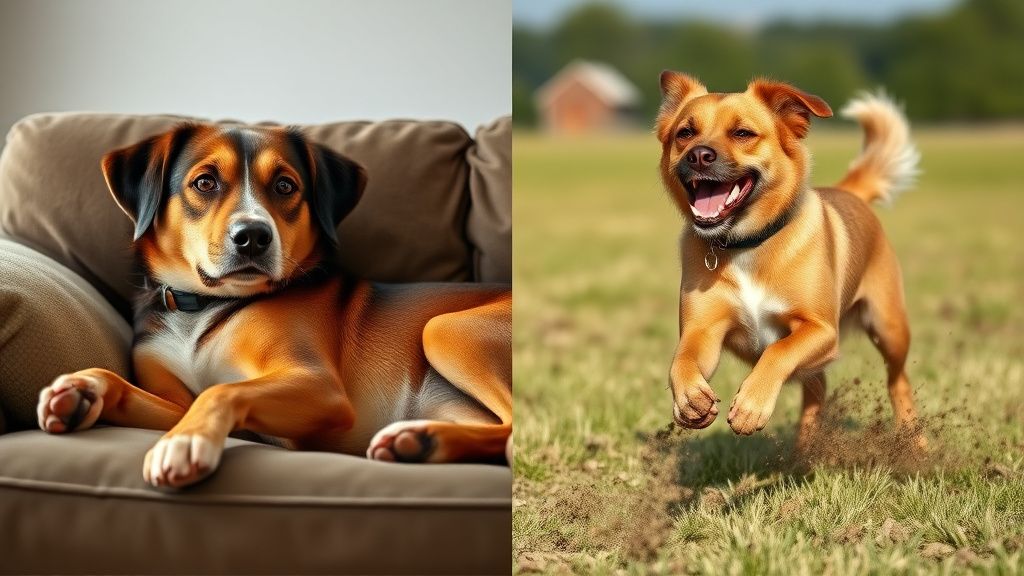
* The Couch Connoisseur: A dog who enjoys short leash walks and spends most of their time lounging indoors can comfortably stay on the longer end of the bathing spectrum, perhaps even every 8-10 weeks.
* The Adventure Hound: A dog who joins you on hikes, swims in lakes, rolls in the grass, and digs in the dirt will need baths much more frequently. You might find yourself bathing them every 2-4 weeks during peak adventure season.
Skin Conditions and Allergies: Dogs with sensitive skin, allergies, or specific medical conditions like seborrhea may require a medicated bathing schedule prescribed by your veterinarian. Bathing can help soothe some conditions, but using the wrong shampoo or bathing too often can make others worse. Always follow your vet's specific advice here. The "Doggy Smell" and Visible Dirt Test: Sometimes, the best indicator is right under your nose. If your dog's coat feels grimy to the touch, they have a persistent oily odor, or you can see visible dirt, it's bath time. Trust your senses. A healthy dog coat should have a mild, inoffensive scent, not a strong, unpleasant smell.A Seasonal Bathing Guide for Your Short Haired Dog
The weather and your shared activities change throughout the year, and your dog's bath schedule should adapt too. Kontota's research specifically highlights that bathing them more frequently during the summer months is a normal practice, while winter may allow for longer intervals.
Spring
Spring means mud, pollen, and renewed energy. As the snow melts and rains fall, your dog is likely to find every puddle and soft patch of earth.
* Frequency: Increase baths to the shorter end of your range (e.g., every 4-5 weeks).
* Focus: Rinsing off pollen that can cause allergies and washing away mud. A thorough rinse after muddy walks can sometimes postpone a full bath.
* Tip: This is a great time for a deep clean of their bedding and a check for any fleas or ticks that become active in warmer weather.
Summer
This is peak get dirty season. Swimming, playing, and higher temperatures lead to more sweat (from their paw pads), more oil production, and more opportunities to get grimy.
* Frequency: This is when you'll likely bathe your dog most often. Every 3-4 weeks is common for active dogs. After a swim in a chlorinated pool or salty ocean, a freshwater rinse or a quick bath with a gentle shampoo is a good idea to protect their skin and coat.
* Focus: Removing chlorine, salt, sand, and algae. Using a soothing shampoo can help with any dry skin from frequent washing or sun exposure.
* Tip: Keep your dog's skin healthy from the inside out during active months with a balanced and complete diet. Proper nutrition supports skin barrier function.
Fall
Cooler temperatures and drier air signal a shift. Your dog may start spending more time indoors as the days get shorter.
* Frequency: Begin to stretch out the time between baths. Move back toward your baseline, around every 6-7 weeks.
* Focus: Removing fallen leaves, dirt, and any debris from outdoor adventures. It's also a good time to check the coat for dryness as indoor heating starts up.
* Tip: Incorporate a moisturizing conditioner if your dog's skin seems dry or flaky after summer. A post bath treat like a best dog treat can make the grooming session a positive experience, especially if they start to associate fall with fewer outdoor baths.
Winter
This is the season for minimal bathing for most dogs. Cold air outside and dry heat indoors can be very drying to a dog's skin.
* Frequency: Extend the interval as much as possible. Every 8-10 weeks, or even longer, may be fine for a primarily indoor dog. Bath only when necessary due to obvious dirt or odor.
* Focus: Preserving natural oils that protect their skin from the harsh, dry winter environment. If they get into something messy, spot clean with a damp cloth or use a dry shampoo formulated for dogs.
* Tip: Ensure your dog is completely dry before going outside in the cold. Consider using a humidifier in your home to combat dry air that affects both of you. If your dog seems stressed by grooming changes or the confinement of winter, our dog anxiety guide has helpful tips.
How to Bathe Your Short Haired Dog Correctly
Doing it right is just as important as doing it at the right time. A proper bath minimizes stress and maximizes the benefits.
1. Brush First: Always brush your dog thoroughly before the bath to remove any loose hair and mats. Wetting a tangled coat will make the tangles worse.
2. Use Lukewarm Water: Water that is comfortably warm to your wrist is perfect. Avoid hot water, which can burn sensitive skin and strip oils.
3. Choose a Dog Specific Shampoo: This point cannot be stressed enough. As advised by A Dog's Life Grooming, always use a dog safe shampoo. Human shampoo has a different pH balance that can disrupt your dog's skin, leading to dryness and irritation. For short haired dogs, a gentle, moisturizing, or oatmeal based shampoo is often an excellent choice.
4. Lather and Rinse Thoroughly: Massage the shampoo into a rich lather, working from neck to tail. Pay attention to the belly, paws, and under the collar. Rinse until the water runs completely clear. Leftover shampoo residue is a common cause of itchiness.
5. Dry Completely: Towel dry your dog vigorously. For dogs who tolerate it, a blow dryer on the lowest, coolest setting can help, especially in colder months. Make sure they are fully dry before they go outside or settle on their bed.
Final Thoughts
Creating the ideal bathing schedule for your short haired dog is an exercise in observation and adaptation. Start with the expert recommended baseline of every 6 to 8 weeks, then let your dog's activities, the season, and the condition of their skin and coat guide you. Remember, more baths are needed in the active, dirty summer months, while winter calls for a minimalist approach to protect their skin's natural defenses.
Your ultimate goals are a clean dog, a healthy coat, and comfortable skin. By combining seasonal adjustments with proper bathing technique and regular brushing, you'll keep your sleek coated friend looking and feeling their best all year round. Pay attention to them, and they'll show you exactly what they need.
Find the Perfect Box for Your Dog
Compare top-rated dog subscription boxes and find the best fit for your pup.
Compare Boxes