Clean Your Dogs Ears For Good Health
Keep your dog happy and healthy by learning the simple signs that signal it's time for an ear cleaning.
There is no universal schedule. For a dog with healthy, normal ears, a routine clean is often only needed every 1 to 2 months, or even less. Many dogs with clean, pink, odorless ears may never need a routine cleaning. Clean based on visible need, not a calendar, and avoid cleaning more than once a week unless your veterinarian specifically instructs you to do so.
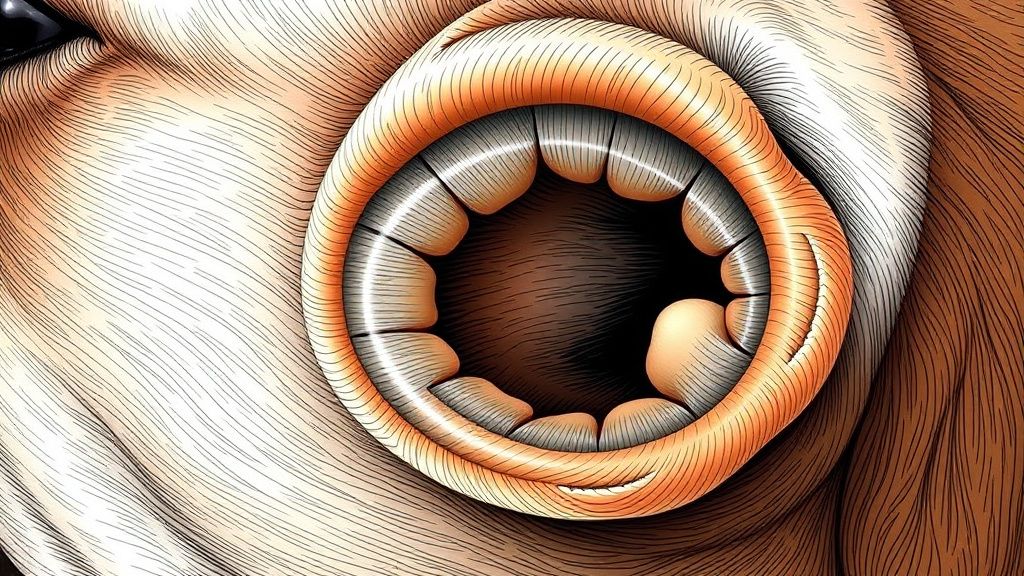
Your dog's ears are a marvel of engineering, capable of capturing the faintest rustle of a treat bag from three rooms away. But those intricate folds and canals also create the perfect environment for moisture, wax, and debris to build up. As a dog owner, you want to provide the best care, and that includes ear health. The big question isn't just *how* to clean them, but *how often*. You might be surprised to learn that the most expert advice often points to cleaning less, not more.
I've seen many well-meaning owners accidentally cause irritation by being a little too enthusiastic with the ear wipes. The goal is maintenance, not sterilization. This guide will help you understand the signs of a healthy ear, recognize when it's truly time for a clean, and provide a clear, veterinarian-backed framework for keeping those ears in perfect shape. It's all about observation and knowing your unique dog.
What Do Healthy Dog Ears Look and Smell Like?
Before you can decide on a cleaning schedule, you need to establish a baseline. What is normal for your dog? This is the single most important step in proactive ear care.
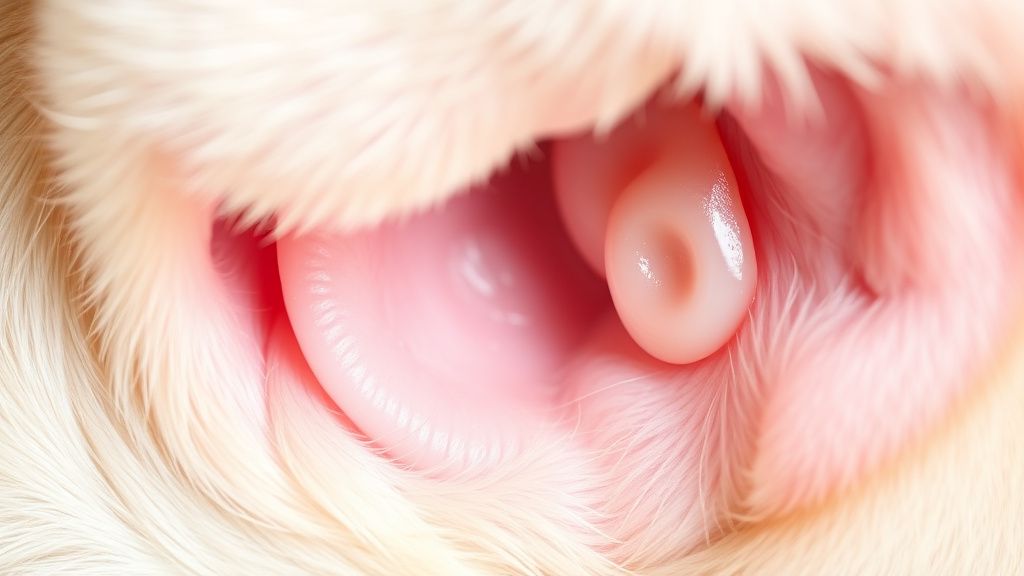
A healthy ear is clean, not sterile. The skin inside the ear flap and the visible part of the ear canal should be a light pink color, similar to the inside of your own lip. You might see a minimal amount of pale yellow or light brown wax; this is normal and protective. The ear should have no strong odor. A healthy ear might have a faint, neutral scent, but it should never smell yeasty, sour, or foul.
According to the American Kennel Club, you should familiarize yourself with what a healthy, clean ear looks like, pink, odorless, and not dirty or inflamed, and smells like. This knowledge is your best tool. During your regular cuddle sessions or grooming routines, make a quick visual check part of the habit. Flip the ear flap and take a peek. This regular inspection is more valuable than a rigid cleaning schedule.
Key signs of a healthy ear:* Light pink skin
* Minimal, light-colored wax
* No redness or swelling
* No persistent scratching or head shaking
* No unusual odor
If your dog's ears consistently match this description, congratulations! You're likely in the "minimal cleaning" camp. As Perry Vets notes, dogs with healthy, clean ears may never require an ear cleaning unless they experience an infection.
So, How Often Should You Actually Clean Them?
This is where the research provides a clear, nuanced answer. The frequency is not universal; it's dictated by your dog's individual biology and lifestyle.
For the dog with those perfect, healthy ears we just described, the consensus from multiple veterinary sources is clear: clean only when needed. Cornell University's College of Veterinary Medicine states that for a dog with healthy, normal ears, a routine ear clean is only needed if dirt or debris is noted. The VETDERM CLINIC suggests that as a rule of thumb, a routine clean shouldn't be needed more than once every 1 to 2 months for such a dog. This aligns with the practical experience shared by many dog owners on forums like Reddit, where users report cleaning "once a month" or only when they notice something that prompts an earlier clean.
However, some dogs are simply more prone to buildup. As one Reddit user wisely pointed out, some dogs are more prone to ear gunk than others based on their ear and coat type. For these dogs, a more regular maintenance schedule might be beneficial. Even then, experts warn against overdoing it. The University Animal Clinic advises avoiding cleaning more than once a week unless directed by your vet, as excessive cleaning can strip away the healthy bacteria that protect the ear canal.
Here’s a simple guideline based on your dog's profile:
* The Low-Maintenance Ear (e.g., many terriers with erect ears): Clean only when you see visible dirt or wax buildup. This could mean every 2-3 months, or even less.
* The Moderate-Maintenance Ear (e.g., typical Labrador): A monthly check and clean is a good preventative habit.
* The High-Maintenance Ear: This category needs more frequent attention, potentially every week or every other week.
Which Dogs Need More Frequent Ear Cleaning?
Certain factors make a dog far more susceptible to ear issues, turning ear care from an occasional task into a crucial part of their weekly routine. If your dog falls into one or more of these categories, your observation needs to be sharper and your cleaning supplies more readily available.
Dogs with Floppy Ears: Breeds like Cocker Spaniels, Basset Hounds, and Golden Retrievers have ear flaps that cover the canal, restricting airflow and creating a warm, moist environment where yeast and bacteria thrive. Cornell University specifically lists floppy ears as a reason for more frequent cleaning. That Reddit thread in the golden retriever community highlighted this perfectly: one owner cleans monthly, while another had a golden that needed weekly cleanings due to constantly filthy ears. Dogs with a History of Allergies or Skin Conditions: Allergies, whether to environmental triggers like pollen or to food ingredients, often manifest in the ears. This can cause inflammation and increased wax production. Cornell also includes a history of allergies as a key indicator for needing more frequent ear care. If your dog has allergy issues, their ear health is directly connected. You might find that managing their diet with a fresh dog food or a carefully selected dog food delivery service helps their overall skin and ear health. Dogs Prone to Infections: Some dogs, often due to the factors above or simply their anatomy, have recurrent ear infections. In these cases, your veterinarian will likely prescribe a specific cleaning schedule, sometimes as often as daily during treatment, to keep the canal clear for medication. Active, Outdoor Dogs: Dogs that love to swim, roll in the grass, or dig are constantly introducing moisture and debris into their ears. For these adventurers, a post-activity check and clean is a smart move to prevent problems from taking hold.If you have a dog in a high-risk category, establishing a calm, positive cleaning routine is essential to prevent stress for both of you. For anxious pups, our dog anxiety guide has tips that can make handling their ears much easier.
The Right Way to Clean Your Dog's Ears
When your inspection tells you it's time for a clean, doing it correctly is vital. The wrong technique can push debris deeper or cause discomfort, making your dog dread the process.
What You'll Need
* A high quality veterinary-recommended ear cleaning solution. Do not use water, hydrogen peroxide, rubbing alcohol, or vinegar, as these can irritate the sensitive skin of the ear canal. A proper cleanser, like those suggested by Virbac, is designed to break up wax, dry the canal, and maintain the correct pH balance.
* Cotton balls or gauze squares. Never use cotton swabs (Q-tips) inside the ear canal. They can compact material against the eardrum and risk causing serious injury.
* Treats, and lots of them. This should be a positive experience. Have your dog's best dog treats on hand for frequent rewards.
Step-by-Step Cleaning Process
1. Get Settled: Choose a calm area. Have your supplies and treats ready. Gently hold your dog's ear flap upright to straighten the L-shaped ear canal.
2. Apply Solution: Fill the ear canal with the cleaning solution until it is almost overflowing. Do not let the bottle tip touch the ear, to avoid contamination.
3. Massage: This is the key step. Keeping the ear flap up, gently massage the base of the ear for 20-30 seconds. You'll hear a squishing sound. This helps the solution break up wax and debris deep in the horizontal canal.
4. Wipe Away: Let your dog shake their head (stand back!). Then, use a cotton ball or gauze to gently wipe out the loosened debris from the outer ear canal and the folds of the ear flap. Wipe only what you can easily see.
5. Reward Generously: Praise your dog and give them a treat throughout and after the process.
Repeat on the other ear if needed. If your dog shows signs of pain, yelping, pulling away aggressively, stop immediately and consult your vet. Pain is not a normal part of cleaning and can indicate an underlying infection or injury.
Warning Signs: When to Skip Cleaning and Call the Vet
Ear cleaning is for maintenance and mild buildup. It is not a treatment for infection. Knowing when to put down the cleaner and pick up the phone is critical.
Do NOT clean your dog's ears if you observe any of the following. These are signs you need a veterinarian:* Intense Redness or Swelling: The ear canal looks angry, inflamed, or thickened.
* A Strong, Foul Odor: A yeasty or pungent smell is a classic sign of infection.
* Excessive, Dark, or Abnormal Discharge: Black, green, or pus-like material is a red flag.
* Signs of Pain: Your dog cries, flinches, or becomes aggressive when you touch their ears or head.
* Persistent Head Shaking or Scratching: This indicates significant irritation.
* Loss of Balance or Hearing: This can signal a deeper, more serious issue affecting the middle or inner ear.
As the AKC advises, if your dog’s ear looks red and inflamed, smells yeasty, or they appear to be in pain, contact your veterinarian. Cleaning an infected ear can sometimes make the problem worse, and the proper medication is required to resolve it. Your vet can show you how to clean while applying prescribed eardrops if that's part of the treatment plan.
Final Thoughts
Caring for your dog's ears is less about adhering to a strict calendar and more about becoming a keen observer. Start by learning what "normal" is for your unique companion. For many dogs, that might mean a simple wipe every few weeks or months when things look a little waxy. For others, especially those with floppy ears or allergies, a consistent, gentle weekly routine may be their key to comfort.
The golden rule from all the experts is to avoid over-cleaning. Your dog's ears are a self-cleaning system to a degree, and our job is to assist, not disrupt. By using the right tools, following a calm technique, and knowing the warning signs of trouble, you can ensure your dog's ears stay as healthy as the rest of them. Pair this attentive care with a balanced and complete diet and plenty of love, and you'll be listening for the happy jingle of their tags for many years to come. For more tips on keeping your pup happy and healthy from nose to tail, explore our other guides on topics like choosing the right grooming tools.
Find the Perfect Box for Your Dog
Compare top-rated dog subscription boxes and find the best fit for your pup.
Compare Boxes