Essential Dog Ear Cleaning By Groomers
Discover if ear cleaning is essential grooming care or better left to your vet's expertise.
Yes, a professional groomer should clean your dog's ears as part of a standard grooming session to remove surface debris and wax, which helps prevent infections. However, a groomer should only perform a basic, safe cleaning and will refer you to a veterinarian if they see signs of a deeper issue, infection, or if your dog needs a more invasive procedure like ear irrigation.
You're at the grooming salon, watching your pup get pampered. The bath is done, the fluff dry is in full swing, and you hear the familiar rustle of a cotton pad. Your groomer gently lifts your dog's ear flap, and you wonder: is this part of their job? Should they be doing that? The simple answer is yes, ear care is a fundamental piece of the professional grooming puzzle. Think of it like getting a haircut that also includes a careful check of your scalp and hairline. A groomer's trained eye and steady hand can spot the early signs of trouble that busy pet parents might miss during a hectic week. This routine maintenance is about so much more than just cleanliness, it's a proactive step in safeguarding your dog's comfort and long term health.
Why Regular Ear Checks Are Non-Negotiable
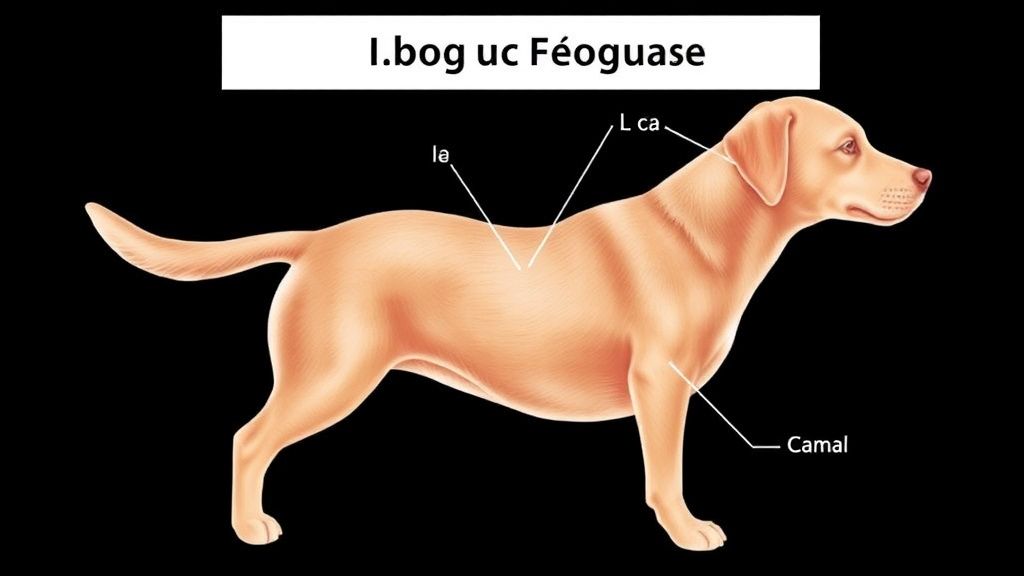
A dog's ear canal is shaped like an "L," a perfect, dark, warm hiding spot for wax, moisture, and debris to accumulate. Left unchecked, this buildup creates an ideal environment for bacteria and yeast to throw a party, leading to painful infections. As noted by groomers and vets alike, regular cleaning helps prevent this bacterial or yeast overgrowth. For some breeds, this is especially critical. Dogs with long, floppy ears like Cocker Spaniels and Basset Hounds have poor air circulation, trapping moisture and heat. Even dogs with upright ears can be prone to issues, especially if they love swimming or have allergies.
The process starts with a simple visual inspection. A qualified groomer will look for the warning signs you should know too: redness, swelling, unusual discharge, or a foul odor. As one source clearly states, these symptoms could indicate issues ranging from allergies to serious infections, all requiring prompt veterinary attention. This initial check is a vital screening. It determines whether a routine cleaning can proceed or if your vet needs to get involved first. It’s a layer of protection, a second set of eyes on your dog's wellbeing.
What a Professional Groomer Actually Does (And Doesn't Do)
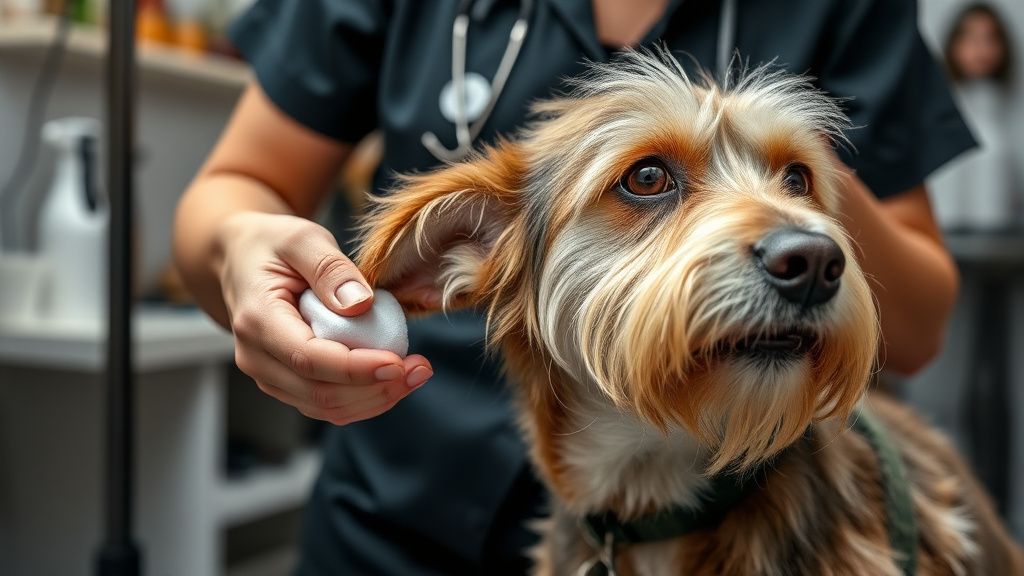
So, what can you expect during a professional ear cleaning? It's a careful, methodical process focused on safety. Most groomers follow a standard procedure. They begin with that visual inspection I mentioned. Then, they apply a veterinarian approved ear cleaning solution into the ear canal. This solution helps break up wax and debris. They'll gently massage the base of the ear, you might hear a squishing sound, which helps the solution work its way down.
After massaging, the groomer will use cotton pads or gauze to wipe out the visible part of the ear canal and the inner ear flap. The key phrase from industry professionals is cleaning "as deep as possible without damaging the dog's ear." They are cleaning the vertical part of the "L" shaped canal that they can safely see and reach. They are not performing a deep irrigation or probing deep into the horizontal canal where the eardrum sits; that is a veterinary procedure.
Their goal is to remove loose wax, dirt, and debris from the accessible area. If they encounter a significant, impacted buildup or see signs of infection, their job is to stop and advise you to see your vet. As one Reddit discussion wisely pointed out, while some groomers could probably safely do more, you'd be gambling unless you know the groomer extremely well. A trustworthy groomer knows the limits of their expertise and prioritizes your dog's safety over providing an extra service.
Groomer vs. Vet: Drawing the Line
Understanding the division of labor between your groomer and your veterinarian is crucial for your dog's health. Think of your groomer as an excellent maintenance technician and your vet as the specialist surgeon. Your groomer handles routine, preventative care. Your vet diagnoses and treats medical conditions.
Here’s a simple guide:
See Your Groomer For:* Routine, preventative cleaning during baths and grooms.
* Removal of light, superficial wax and debris.
* Trimming hair from around the ear canal entrance (for hairy-eared breeds) to improve airflow.
* A professional opinion on whether your dog's ears look healthy or need a vet's attention.
See Your Veterinarian For:* Any signs of infection: redness, swelling, discharge (especially if yellow, brown, or bloody), or a bad smell.
* If your dog is showing pain: scratching ears excessively, shaking its head, whining when ears are touched, or holding its head tilted.
* Deep ear cleaning or irrigation for impacted wax.
* Diagnosis and treatment of ear infections, mites, or polyps.
* Prescription ear medications.
The research is unanimous: if a dog needs deeper cleaning or has an infection, a vet or groomer will recommend a veterinary visit. Never ask a groomer to treat an infection or use medicated drops prescribed for a previous issue unless your vet has cleared it. Using the wrong solution in an infected or compromised ear can cause serious damage.
How to Maintain Clean Ears at Home
Between grooming appointments, maintenance is your domain. Many vets suggest checking your dog's ears once a month. For dogs prone to issues, you might need to do a gentle clean every week or two after baths or swims. It’s handy for dog owners to know how to clean their dog's ears too, as one source notes. Here’s a safe, step-by-step approach you can use:
1. Gather Your Supplies: You'll need a vet approved ear cleaning solution (ask your groomer or vet for a recommendation), cotton balls or gauze squares (never cotton swabs/Q-tips!), and some delicious treats. Having a helper can make the process smoother, especially for your first time.
2. Inspect and Apply: In a well lit area, gently fold back the ear flap. Look for the signs your groomer looks for: is it pink, clean, and odor free? If it looks healthy and just has a little wax, proceed. Hold the ear flap up with one hand and gently fill the ear canal with the cleaning solution until it's almost at the brim. You don't need to force the bottle tip deep inside.
3. Massage and Wipe: Keeping the ear flap up, gently massage the base of the ear for 20-30 seconds. You'll hear that satisfying squish. This is when the solution is breaking up the gunk. Let your dog shake its head (stand back!). Then, use a cotton ball or gauze to wipe out all the loosened debris from the inner ear flap and the visible part of the canal. Wipe until the cotton ball comes out clean.
4. Reward Generously: Praise your dog and give them a high value treat! Making this a positive experience is half the battle. For a steady supply of perfect cleaning rewards, consider a curated selection from the best dog subscription boxes, which often include unique, chewy treats that are ideal for training and positive reinforcement.
If your dog struggles with anxiety during handling, building positive associations is key. Our dog anxiety guide offers helpful tips for calming nervous pups during necessary care routines like this.
Special Considerations for Prone Breeds and Lifestyles
Some dogs need a more vigilant ear care schedule. As mentioned, long eared breeds are the classic candidates, but they aren't alone. Dogs with narrow ear canals (like Shar-Peis), or those with lots of hair growing inside the ear canal (like Poodles or Schnauzers) are also at higher risk. Your groomer plays a special role here by carefully plucking or trimming that inner ear hair to allow for better airflow, a service that should always be done gently and with expertise.
Your dog's lifestyle is a major factor too. The avid swimmer, the dog who loves rolling in the grass, and the pup with environmental or food allergies all need extra attention. For dogs with allergies, which can manifest as chronic ear inflammation, routine cleaning is not just beneficial, it's often a necessary part of managing their comfort. Ensuring their overall health with a balanced and complete diet can sometimes help reduce inflammatory responses that affect the ears.
Always, always dry your dog's ears thoroughly after bathing or swimming. A soft, dry towel or a cotton ball can be used to gently dab moisture from the ear entrance. A groomer will do this after the bath, and you should too.
Final Thoughts
So, should your groomer clean your dog's ears? Absolutely. It is a standard, essential part of professional grooming that serves as a first line of defense for your dog's auditory health. A good groomer is a partner in your dog's care team, offering skilled maintenance and a watchful eye. They provide the consistent, preventative care that keeps minor wax buildup from turning into a painful, vet requiring infection.
Trust is paramount. Choose a groomer who is transparent about their process, uses quality products, and communicates clearly about what they see. If they tell you your dog's ears look great, you can relax. If they suggest a vet visit, take that advice seriously, they’ve likely seen hundreds of ears and can spot a potential problem.
Ultimately, ear care is a shared responsibility. Your groomer handles the professional upkeep every few weeks, and you manage the light maintenance and vigilant observation at home. This partnership, combined with your veterinarian's expert care when needed, ensures your furry friend stays comfortable, healthy, and ready to hear the joyful sound of the treat bag opening for years to come.
Find the Perfect Box for Your Dog
Compare top-rated dog subscription boxes and find the best fit for your pup.
Compare Boxes