Navigate Puppy First Spring Hazards And Joys
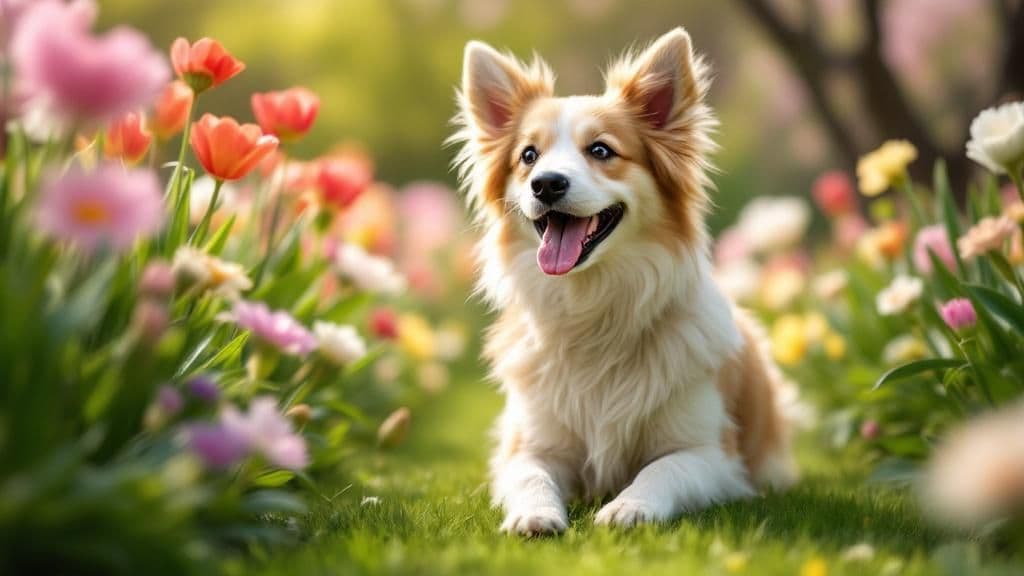
Discover spring's joys with your pup while navigating seasonal hazards like allergies and toxic plants.
Your puppy's first spring brings new joys like outdoor play and sunshine, but also hazards including toxic plants (lilies, tulips, azaleas), fertilizer chemical exposure, bee stings, and increased parasite risk from ticks and fleas. Start preventive flea/tick medication, supervise all outdoor time, and learn to identify the 10 most common toxic spring plants in your region.
That first spring with your new puppy is pure magic. After months of cozy indoor snuggles and short, chilly potty breaks, the world suddenly explodes with new life. Your pup is experiencing it all for the first time: the symphony of birdsong, the warm sun on their fur, the intoxicating buffet of fresh scents on the breeze. It’s a heady mix of excitement for them, and for you, it’s a joy to watch their wonder. Spring, as the experts note, brings longer daylight hours, warmer temperatures, and new smells in the air that can genuinely shift your puppy’s mood and energy. But beneath all that blossoming beauty lurk seasonal hazards that a curious, mouthy puppy is uniquely prone to exploring. My goal is to help you navigate both the immense joys and the potential pitfalls, ensuring your puppy’s inaugural spring is safe, healthy, and absolutely unforgettable.
The Joys of a Puppy’s First Spring
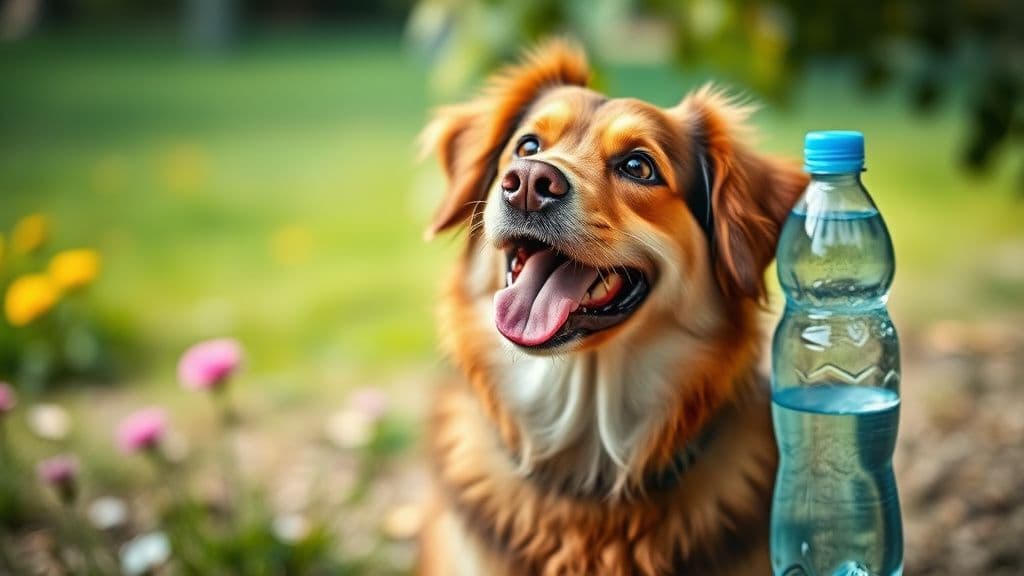
This season is a sensory playground for your young dog. Their behavior might change in delightful ways as they respond to the environmental shift. You might notice a new pep in their step during morning walks or an intense fascination with sniffing every single blade of grass. This is completely normal and wonderful.
Embracing the Extra Energy and Curiosity
Warmer weather often means your puppy has more stamina and enthusiasm for adventure. This is the perfect time to solidify training in new, distracting environments. Practice "come" and "leave it" in your backyard or a quiet park, using the new stimuli as a training challenge. That extra energy also needs a constructive outlet. Consider introducing new forms of enrichment, like a sniffing mat tossed on the fresh grass or a puzzle feeder from a thoughtful dog best dog subscription boxes. These activities engage their brain and satisfy that innate desire to explore new smells, which is a powerful driver for dogs in spring.
The Simple Pleasure of Outdoor Time
For many puppies, this will be their first real experience of consistent outdoor comfort. Use this time to build positive associations. Set up a comfortable spot in a shaded area of your yard where you can relax together with a book while they watch the world go by. Gentle, supervised exploration in a safe space is invaluable for their development. Just remember, their skin is still sensitive. Even on cloudy days, puppies with short or light coats can be susceptible to sunburn on their nose and ear tips, so consult your vet about pet safe sunscreens if you plan on extended outdoor lounging.
The Hidden Dangers in Your Spring Garden
As we rush to beautify our yards, we often introduce risks. Many common spring plants and products are dangerous for pets, and a puppy’s natural curiosity can lead them straight to trouble.
Toxic Blooms and Bulbs
Some of spring’s most iconic flowers are hazardous if ingested. The ASPCA and veterinary clinics like DoveLewis specifically warn about azaleas, rhododendrons, daffodils, tulips, and hyacinths. Bulbs are often the most toxic part. Symptoms of plant poisoning can include vomiting, excessive drooling, diarrhea, or unusual lethargy. Before you plant or bring a bouquet indoors, cross check the list with a reliable source like the ASPCA’s toxic plant database. It’s a simple step that prevents heartache. I’ve seen too many emergency visits that started with a puppy chewing on a fallen daffodil bulb.
Fertilizers, Mulch, and Pesticides
That lush green lawn and weed free garden bed often come at a chemical cost. Products like fertilizers, herbicides, and insecticides can cause severe gastrointestinal upset, chemical burns on paws or in the mouth, or worse. Always store these products securely out of reach. More importantly, follow label instructions for drying time before allowing your puppy back on treated lawns. A surprising hazard is certain types of mulch. Cocoa bean mulch, for example, smells delicious to dogs but contains the same toxic compounds as chocolate. Opt for pet safe alternatives like cedar or pine.
Spring Cleaning and Household Hazards
The urge to freshen up our homes coincides with the new season. This annual purge and polish involves a arsenal of products that pose a real threat to a investigating puppy.
Chemicals and Poisons
The ASPCA explicitly warns that paints, mineral spirits, solvents, and many common cleaning agents can be toxic, causing irritation or chemical burns. During your spring cleaning, the best practice is to isolate your puppy in a safe, well ventilated room away from the activity. Ensure all containers are tightly sealed and stored immediately after use. Pay special attention to open buckets of cleaning solution or mop water, which a thirsty puppy might try to drink. Never, under any circumstances, give your pet human medication like antihistamines that haven’t been prescribed by your vet. As Bow Wow Insurance emphasizes, poisoning from such medications can lead to sedation, agitation, seizures, or even death.
Windows, Screens, and Balconies
Warmer weather means we open our homes to the fresh air. For a puppy, an open window without a secure screen is an invitation to disaster. A squirrel or bird outside can trigger a prey drive chase, leading to a dangerous fall. Before you open any window wide, ensure the screen is sturdy and firmly installed. The same goes for balconies or elevated decks. Supervise your puppy closely in these areas, as railings designed for human safety often have gaps wide enough for a small dog to slip through.
Pesky Parasites and Seasonal Allergies
Spring wakes up more than just the flowers. It’s the start of the most active season for external parasites and a common time for allergies to flare up.
The Tick and Flea Onslaught
This is non negotiable. Warmer weather means a drastic increase in tick and flea activity. Ticks are not just a nuisance; they are parasites that spread serious diseases like Lyme. The experts at the ASPCA and Pride and Groom stress the importance of year round preventive medication, but spring is a critical time to ensure your puppy is protected. Consult your veterinarian for a flea and tick preventive that is appropriate for your puppy’s age, weight, and breed. Remember, never use a dog specific product on a cat if you have one. After every outdoor adventure, make a thorough tick check part of your routine. Feel through their fur, paying close attention to ears, armpits, between toes, and around the collar.
Navigating Pollen and Allergies
Just like people, dogs can suffer from seasonal allergies. Instead of sneezing, they often show signs through their skin. You might notice your puppy itching more, licking their paws obsessively, or getting recurrent ear infections. If you see these signs, a vet visit is in order. They can recommend proper treatment, which may include pet safe antihistamines, special shampoos, or diet adjustments. Never administer human allergy medicine without explicit veterinary instruction. In my experience, a simple wipe down of your puppy’s paws and coat with a damp cloth after coming indoors can help remove pollen and provide some relief.
Grooming and Wellness Adjustments for Spring
The change in season brings about physical changes in your puppy too. A little extra attention in these areas will keep them comfortable as the temperatures rise.
The Great Shed
Many puppies will experience their first major shed as they lose their winter coat. This means more hair around your house and potential matting if they have a longer coat. Increase brushing sessions to daily. This not only manages loose fur and prevents tangles, but it’s also a fantastic bonding activity and a chance to check for any new skin issues, bumps, or hidden ticks. A good deshedding tool and a patient, gentle hand will make this process easier for you both.
Paw Care and Outdoor Adventures
Spring surfaces can be rough. Wet grass, mud, pavement, and rough trails can be tough on tender puppy pads. After walks, get into the habit of wiping or rinsing their paws. This removes potential irritants like pollen, lawn chemicals, or road salt residue. Check the pads for any cracks, cuts, or lodged debris like tiny pebbles or grass seeds. Keeping the fur between their paw pads trimmed can also help prevent painful matting and the accumulation of irritants.
Final Thoughts
Your puppy’s first spring is a chapter you’ll always remember. It’s filled with the comedy of watching them discover butterflies and the heartwarming sight of them napping in a sunbeam. By being mindful of the hidden hazards, from toxic plants in the garden to chemicals in the cleaning cabinet, you create a safe framework for all that joy to happen. Lean into the season’s pleasures. Enjoy longer evening walks, practice training amidst the distractions, and maybe even share a pet safe frozen treat on a warm afternoon. Let this spring be the foundation for a lifetime of happy, safe seasonal changes with your growing dog. Keep your vet’s number and the ASPCA Animal Poison Control Center number (888) 426-4435 handy, just in case. Then, go make some beautiful memories. The world is new for your puppy, and you get to see it all through their eyes.
Recommended Products



Find the Perfect Box for Your Dog
Compare top-rated dog subscription boxes and find the best fit for your pup.
Compare Boxes