Enzyme Cleaners Beat Puppy Pads Hardwood Floors

Ditch the mess and odor of pads. Enzyme cleaners eliminate stains and smells, protecting your beautiful hardwood.
Enzyme cleaners are superior to puppy pads for hardwood floors because they completely break down the urine crystals that cause stains and lingering odors, protecting your floor's finish. Puppy pads can lead to leaks and accidents that seep into the wood grain, causing permanent damage. Using an enzyme cleaner directly on any accident is the most effective way to maintain a hygienic home and preserve your beautiful floors.
Bringing a new puppy home is a whirlwind of joy, chewed slippers, and, let's be honest, a few indoor accidents. If you have hardwood floors, that puddle on the pristine oak can trigger a special kind of panic. Your first instinct might be to lay down puppy pads everywhere, creating a safety net. Many pet parents, like one Reddit user whose dog is on medication, rely on them because "I NEVER have to clean it up." It seems like a convenient solution. However, for the long term health of your hardwood floors and the success of your house training, that convenience can be a costly illusion. The real hero for your floors and your nose isn't a disposable pad; it's a bottle of enzyme cleaner.
This isn't just about cleaning up a mess. It's about understanding what dog urine does to wood and how to stop it for good. I've seen beautiful floors ruined by repeated exposure, even when owners thought they were being diligent. The path to a clean, odor free home with stunning hardwoods is simpler than you think, and it starts with skipping the pad and reaching for the right cleaner.
What Does Dog Urine Actually Do to Hardwood Floors?
To understand why your cleaning choice matters, you need to know what you're fighting. Dog urine isn't just water; it's a complex, acidic liquid full of uric acid crystals, ammonia, and bacteria. When it hits your hardwood floor, two things happen immediately.
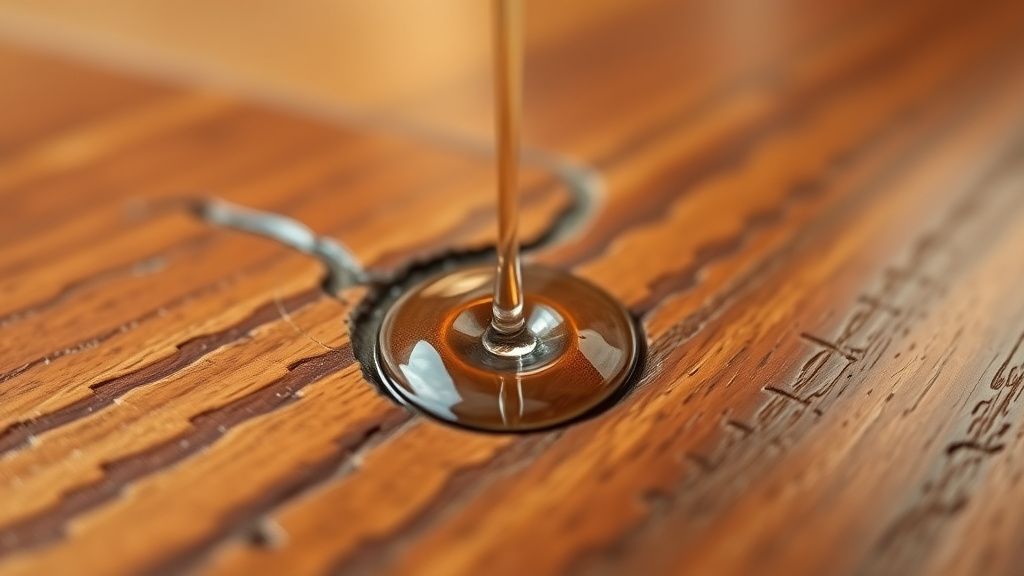
First, the liquid begins to seep into any tiny crack, groove, or unsealed edge in the floor's finish. If you have older floors or floors with a worn polyurethane coat, this seepage happens faster. Once past the sealant, the urine penetrates the wood grain itself. This leads to staining, often a dark black or gray discoloration that sanding alone might not fix.
Second, as the puddle evaporates, it leaves behind those solid uric acid crystals. These crystals are incredibly sticky and bond tightly to the floor's surface and deep within the wood pores. This is the source of that persistent, ammonia like odor that seems to come back every time the humidity rises. Regular cleaners, even strong ones, often just mask the smell temporarily because they don't break these crystals down. They clean the surface but leave the problem buried, ready to resurface.
One common piece of bad advice is to use hydrogen peroxide. As noted by pet insurance experts at Figo Pet Insurance, "It's not recommended to use hydrogen peroxide on a large area of hardwood floor." The reason is that peroxide can bleach and discolor your wood, creating a whole new problem on top of the stain. Your goal is to remove the cause, not just the symptom, without causing additional damage.
The Hidden Problems with Relying on Puppy Pads
Puppy pads feel like a logical solution. They're absorbent, disposable, and contain the mess. For dogs with medical issues that cause frequent, unpredictable accidents, they can be a necessary tool for management. However, for the average puppy in training, they introduce several risks to your hardwood floors.
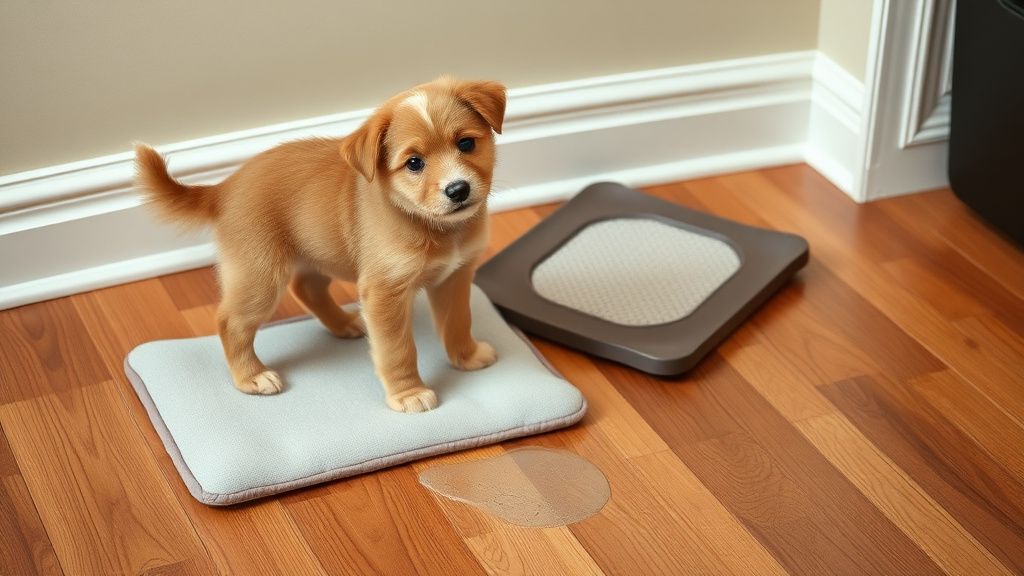
The most obvious issue is the miss. Puppies are not precision machines. They might step on the edge of the pad, tear it, or simply go right beside it. That results in urine hitting your bare floor directly. A less obvious but more insidious problem is leakage. Even the most absorbent pad has a limit. If your puppy has a large pee or if you don't change the pad frequently enough, liquid can soak through the backing and pool underneath, against your hardwood. This creates a slow, steady exposure that you might not notice until a stain or odor has set in permanently.
There's also a behavioral consideration. Using pads indoors can confuse your puppy about where it's acceptable to relieve themselves. It teaches them that going *inside* on a soft, absorbent surface is correct. This can make the transition to going *outside* exclusively much longer and more difficult. You're essentially training for two different locations, which slows the whole process down. Protecting your floors now shouldn't come at the cost of prolonged house training headaches later.
How Enzyme Cleaners Work Their Magic on Wood
So if pads are risky and regular cleaners fail, what's the answer? The science points directly to enzymatic cleaners. These aren't just soaps or disinfectants; they are biological solutions. As explained by the experts at Naturally It's Clean, enzyme based cleaners use specific proteins (enzymes) and beneficial bacteria that literally digest the waste.
Think of it this way: those tough uric acid crystals are like a complex lock. An enzyme is the perfect key. When you apply the cleaner, the enzymes break the crystals down into simpler compounds. Then, the bacteria consume those compounds, eliminating them entirely. This process doesn't just hide the odor; it removes the odor source. The Rover blog confirms this scientific approach, stating these cleaners are safe and effective on a variety of surfaces because they target the organic matter itself.
For hardwood floors, this targeted action is crucial. A good hardwood floor enzyme cleaner is pH balanced, meaning it won't etch or dull your floor's finish like an acidic or alkaline cleaner might. The Family Handyman's testing team emphasizes this point: "For hardwood, use pH balanced formulas to prevent damage." You're not just cleaning; you're using a product formulated to be gentle on your specific surface while being brutally effective on the stain.
An interesting development in this category is powdered enzyme cleaners. Companies like Nature's Pure Edge argue that powders have an advantage. The enzymes in liquid cleaners can degrade over time in the bottle. "Powdered enzyme cleaners keep their biological enzymes inactive until mixed with water, ensuring they are fresh and potent right at the point of application." Whether you choose a trusted liquid like Nature's Miracle or a powder, the enzymatic action is what wins the battle for your floors.
Choosing and Using the Best Enzyme Cleaner for Your Floors
Not all enzyme cleaners are created equal, especially for a sensitive surface like hardwood. Based on professional reviews and real user feedback, here are the key factors to look for and the steps to use it correctly.
What to Look For:* "Safe for Hardwood" Label: This is non-negotiable. Ensure the product specifically states it is safe for use on sealed hardwood, tile, or laminate. Dogster's review highlights Naturally It’s Clean Floor Enzyme Cleaner as a top pick because it's "plant-based, non-caustic" and safe for a wide range of floors including hardwood, bamboo, and stone.
* Enzymatic Formula: The description should mention "enzymatic," "bio enzymatic," or "uses bacteria." This confirms it uses the biological breakdown process.
* pH Balanced: As mentioned, this protects your floor's finish.
* Scent Considerations: Some people find the natural scent of enzyme cleaners unpleasant. The Dogster review of one popular gallon size option notes, "there are quite a few customers that don’t like the smell." You might want to start with a smaller size to see if the scent works for you and your pup.
The Right Way to Clean a Hardwood Floor Accident:1. Blot First: Immediately use paper towels or a clean, absorbent cloth to soak up as much of the fresh urine as possible. Press down firmly; do not wipe, as wiping can spread the liquid.
2. Apply Generously: Soak the stained area with your enzyme cleaner. You want it to penetrate down to where the urine has gone. As the cleaning pros say, "Just spray, wait a few minutes, blot or wipe, and you’re done. For tougher stains, allow the enzymes to dwell longer to work their magic."
3. Let it Dwell: This is the most important step. The enzymes need time to work. Follow the label instructions, but often this means letting the area sit damp for 10-15 minutes, or even longer for old, set in stains.
4. Wipe Clean: After the dwell time, wipe the area clean with a damp cloth and then dry it thoroughly with a towel. This prevents any cleaner residue and protects the wood.
For old, dried stains that you discover later, the process is similar but requires more saturation and a longer dwell time. You may need to apply the cleaner, cover it with plastic wrap to keep it wet, and let it sit for several hours or overnight.
Building a Better Strategy: Floors, Training, and Your Puppy's Health
Your cleaning routine is one part of a larger system that keeps your home and puppy happy. Ditching the puppy pads doesn't mean leaving your floors defenseless. It means building smarter habits.
Start with a consistent and frequent outdoor potty schedule. Take your puppy out first thing in the morning, after every nap, after every meal, and after vigorous play. This minimizes the opportunity for accidents indoors. When you are away or can't supervise, confine your puppy to a safe, puppy proofed area like a crate or exercise pen with a waterproof mat or easily cleaned floor. This is far safer for your hardwoods than free roaming with a pad.
Your puppy's diet plays a role too. The quality of what goes in affects what comes out. Highly processed foods with lots of fillers can lead to more frequent, more acidic urine. Exploring better nutrition options, like fresh dog food or freeze-dried dog food, can contribute to overall health and potentially less aggressive waste. Pairing good food with the best dog treats for training reinforces those good outdoor habits quickly.
And remember, accidents are a sign of a learning puppy, not a bad dog. If you catch your puppy in the act, interrupt calmly, take them outside immediately, and praise them lavishly for finishing there. Never punish for an accident you find later; they won't understand. Clean it up with your enzyme cleaner and move on. If you're struggling with the stress of training, know that many new pet parents face similar challenges. For tips on managing the associated anxiety, for both you and your pup, our dog anxiety guide offers supportive advice.
Final Thoughts
The choice between puppy pads and enzyme cleaners is really a choice between a temporary cover up and a permanent solution. Pads manage a symptom but risk your floors and can delay training. An enzyme cleaner addresses the root cause of stains and odors, preserving the beauty and value of your hardwood for years to come.
I keep a bottle of hardwood safe enzyme cleaner in every bathroom and under the kitchen sink. It's as essential as a leash or a food bowl. It gives me peace of mind, knowing that any accident is just a minor, fixable setback, not a potential disaster. It allows me to enjoy my puppy's chaotic, wonderful journey without fear for my home.
So, stock up on the right cleaner, establish a routine, and be patient. Those beautiful floors can absolutely coexist with your new furry family member. The key is to clean smarter, not just more conveniently. Your nose, your floors, and your perfectly house trained pup will thank you.
Find the Perfect Box for Your Dog
Compare top-rated dog subscription boxes and find the best fit for your pup.
Compare Boxes