Large Breed Puppy To Adult Food Timeline

Discover the optimal time to transition your large breed puppy to adult food for lifelong health in our updated 2026 guide.
You should switch your large breed puppy to adult food when they reach about 80% of their adult size, which typically occurs between 12 and 24 months old. The exact timing depends on your individual dog's growth rate, breed, and activity level.
That moment you lift your Great Dane or Bernese Mountain Dog puppy into your arms and realize they're practically the same size as you is both amazing and a little daunting. As a pet parent, you're constantly wondering if you're doing everything right, especially for nutrition. One of the most common questions I hear from owners of big babies is, "When do I stop the puppy food?" It's a crucial decision. Switching too early can deprive them of essential growth nutrients, while switching too late can lead to excess calories and weight gain once their rapid growth slows down. This 2026 guide pulls together the latest expert advice to help you navigate this important transition confidently.
What's the Difference Between Puppy and Adult Dog Food?
Before we talk about timing, it's helpful to understand why puppy food exists. Puppy formulas are engineered for one primary mission: supporting rapid, healthy growth. They are typically higher in calories, protein, and certain minerals compared to adult maintenance diets.
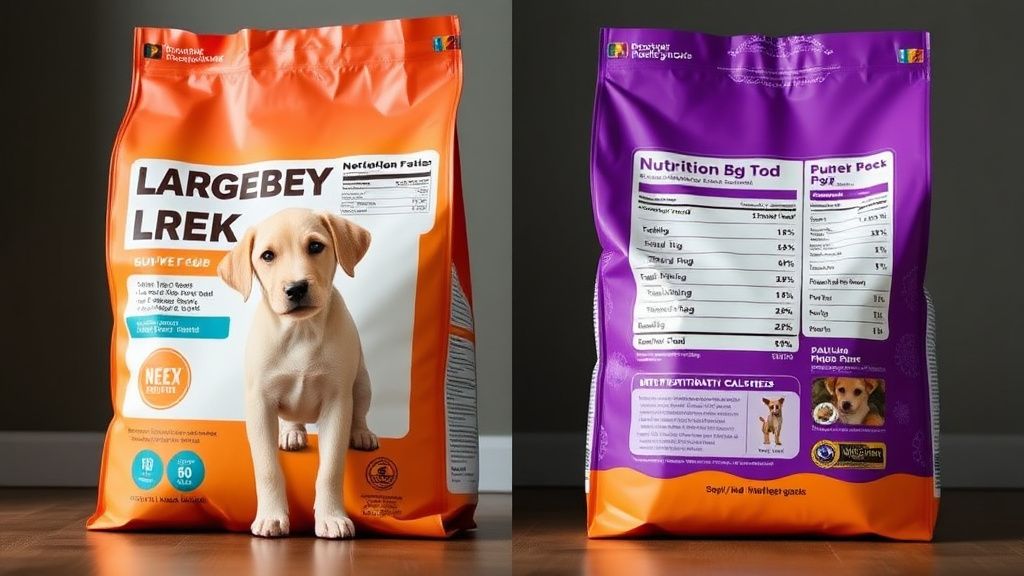
Large breed puppy foods are a special category within this. They are formulated with controlled calcium and phosphorus levels to support steady bone development and reduce the risk of developmental orthopedic diseases. They also have a carefully balanced calorie density to encourage a healthy growth rate, preventing puppies from getting too heavy too fast, which can stress their developing joints.
Adult dog food shifts the focus from growth to maintenance. Its goal is to provide balanced energy for daily activity, maintain ideal body weight, and support overall health throughout adulthood. The protein and fat levels are often adjusted, and the mineral profiles are designed for a mature body. Once your dog reaches adulthood, their nutritional needs evolve, as noted in recent guides.
When Exactly Should I Switch My Large Breed Puppy?
This is the heart of the matter. You'll find a range of ages suggested, and that's because the answer isn't just about a calendar date. It's about your dog's individual development.

The most consistent guideline from veterinarians and nutritionists is to consider switching when your puppy reaches about 80% of their adult size. This is a practical, visual cue. You won't know the exact 80% mark, but you'll notice their growth rate has significantly slowed, and they are filling out rather than shooting upward.
For age, large and giant breed dogs that weigh more than 50 pounds when fully grown might not be ready to switch until they are between 12 and 24 months old. Some sources specify a range of 12 to 16 months for large breeds. Smaller breeds mature much faster, often by 9-12 months, but our big guys need more time.
Here's a simple way to think about it:
* Small Breeds (under 20 lbs adult weight): Often mature by 9-12 months.
* Medium Breeds (20-50 lbs adult weight): Often mature by 12-15 months.
* Large & Giant Breeds (50+ lbs adult weight): Typically mature between 12 and 24 months.
Remember, "maturity" here means skeletal and physical maturity, not just sexual maturity. A dog can be neutered long before they are nutritionally ready for adult food.
What Factors Influence the Switch Timing?
Beyond breed averages, three key factors can shift your timeline.
Spaying or Neutering: This procedure can reduce your dog's metabolic rate and energy requirements. If your large breed puppy is spayed or neutered before reaching full size, you might need to monitor their weight closely on puppy food, as the high calories could lead to excess weight gain. Consult your vet about whether a switch to a lower-calorie adult formula a bit earlier is advisable. Activity Level: Is your puppy a future athlete, a service dog, or just incredibly energetic? Highly active dogs may need the sustained higher calories from puppy food for a longer period to fuel their growth and exercise. A more sedentary pup might be ready for the moderated calories of adult food sooner. Individual Growth Rate: Some dogs simply grow faster or slower than the breed average. Regular weigh-ins and body condition assessments are your best tools. If your puppy seems to have plateaued in weight gain for a few months and looks proportionally like an adult dog, they are likely ready.How Do I Transition the Food Safely?
A sudden switch in diet is a common cause of stomach upset and diarrhea in dogs. To avoid upsetting your dog's intestinal tract, a gradual transition over several days is essential.
Here is a simple, effective 7-day transition plan:
1. Days 1-2: Mix 75% old puppy food with 25% new adult food.
2. Days 3-4: Mix 50% old puppy food with 50% new adult food.
3. Days 5-6: Mix 25% old puppy food with 75% new adult food.
4. Day 7: Feed 100% new adult food.
During this process, keep a close eye on your dog's stool consistency, energy levels, and appetite. If you see signs of digestive trouble, slow the transition down, extending each phase by another day or two. Always ensure fresh water is available.
This transition period is a great time to observe if your dog enjoys the new adult formula. If you're considering a new type of diet, like fresh dog food or freeze-dried dog food, a gradual introduction is even more important.
What Should I Look for in an Adult Dog Food?
Choosing the right adult food is the next step. For your large breed, look for a formula labeled for "large breed adults" or "all life stages." These will often have joint support supplements like glucosamine and chondroitin, which are beneficial for bigger dogs.
A balanced adult diet should provide:
* High quality protein to maintain muscle mass.
* Balanced calories to match your dog's activity level and prevent obesity.
* Omega 3 and omega 6 fatty acids for healthy skin and a shiny coat.
* Good fiber content for digestive health.
Portion control is also key. Most adult dogs thrive on two measured meals a day. Use the feeding guidelines on the bag as a starting point, but always adjust based on your dog's actual body condition. A subscription service like a dog food delivery plan can help ensure you never run out and can maintain consistent, measured feeding.
Final Thoughts
Transitioning your large breed puppy to adult food is a milestone that marks the end of their incredible growth journey. By focusing on the 80% size guideline and the 12-24 month age range, and by considering their individual health status, you can make a well informed decision. The gradual switch method will keep their tummy happy, and selecting a diet formulated for their large adult frame will set them up for a healthy life. Trust your observations, partner with your veterinarian, and enjoy watching your gentle giant step confidently into their adulthood. For more tips on caring for your growing pup, explore our guide on essential puppy training milestones.
Find the Perfect Box for Your Dog
Compare top-rated dog subscription boxes and find the best fit for your pup.
Compare Boxes