Puppy Hydration Bowls Versus Bottles

Discover if a pet water bottle with bowl offers cleaner hydration and less mess than traditional bowls for your furry friend.
A pet water bottle with a bowl can be a very useful tool for travel and outdoor adventures with puppies, as it prevents spills and keeps water clean. However, for everyday home use, a traditional water bowl is generally better because it allows for easier, more natural drinking and encourages proper hydration, which is critical for a puppy's health.
Choosing the right hydration method for your new puppy can feel like a surprisingly big decision. You want to make sure your furry friend is drinking enough, staying healthy, and that you're not constantly cleaning up puddles. I've seen many new puppy parents standing in the pet store aisle, weighing the sleek convenience of a water bottle against the familiar simplicity of a bowl. The truth is, both have their place in a puppy's life, but understanding the pros and cons of each can help you make the best choice for your specific situation. This guide will break down everything you need to know, from travel convenience to daily hydration habits, so you can ensure your puppy stays happily hydrated whether you're at home or on the go.
The Case for Water Bottles with Bowls: Travel and Convenience
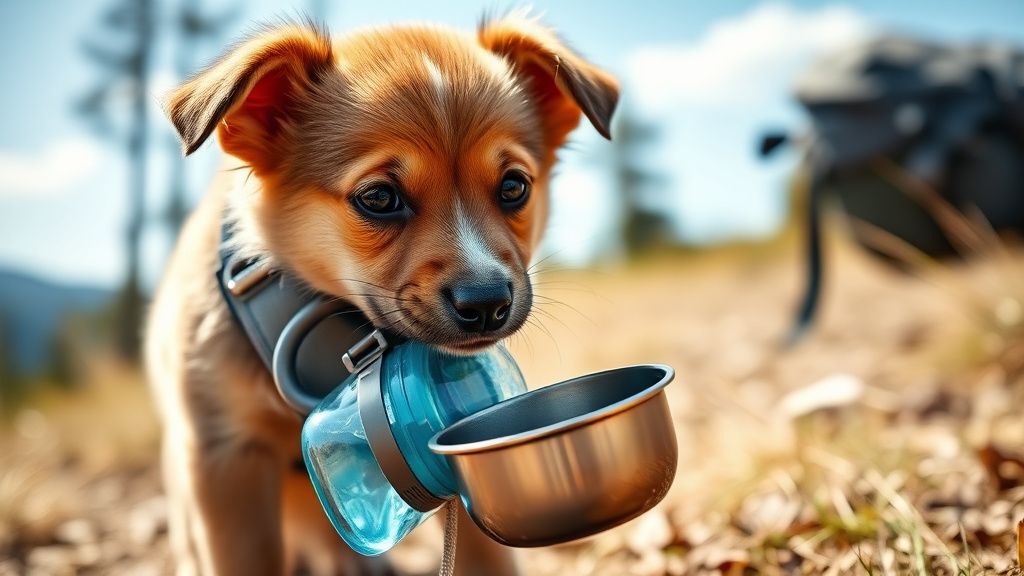
When you're out and about with your energetic pup, a water bottle with an attached bowl becomes a lifesaver. The primary benefit is clear: it eliminates mess. As noted in guides for travel bowls, water spills create a huge hassle during car rides or hikes. A no-spill design keeps water stable and contained, reducing waste and keeping your car or bag dry. This is a major plus for pet owners who are frequently on the move.
Another significant advantage is hygiene. When you use a dedicated bottle and bowl combo, you avoid having your dog drink from questionable public water sources or shared bowls that could harbor bacteria. You have full control over the cleanliness of the water. As one review points out, a key feature of these systems is that the water in the bottle stays clean until it's dispensed into the separate bowl. This means you can even share a drink with your pup from the same bottle if needed, which is a nice perk on a long walk.
For puppies who burn energy quickly, having water instantly available during critical moments is vital. As one source warns, dogs can show dehydration symptoms within hours on hot days, and heat stroke is a real risk when temperatures climb. A portable water system means you're never caught without a clean hydration source, allowing you to respond to your puppy's needs immediately, whether you're at the park or stuck in traffic.
Why Traditional Bowls Often Win for Daily Home Use
Despite the travel benefits, the consensus from many dog owners and forums strongly favors a traditional bowl for regular, at-home hydration. The reason is simple: drinking from a bowl is a more natural and efficient process for dogs.
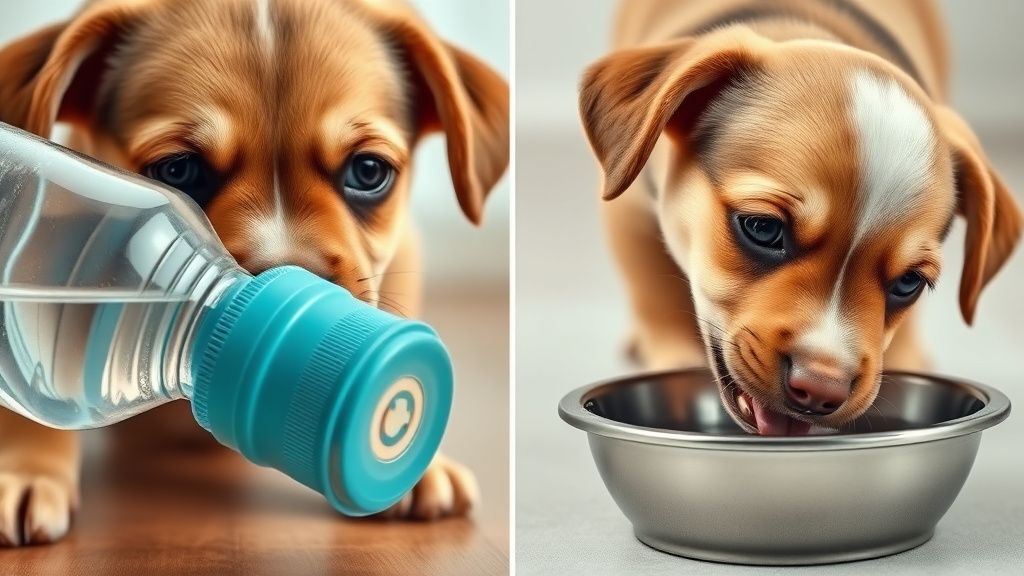
One Havanese owner shared a telling experience with a bottle. They found their puppy had to "work really hard to drink enough of it," and when they poured water into the bowl below instead, the pup drank a lot more. This highlights a potential issue with flow rate in some bottles, which can frustrate a puppy and discourage drinking. Puppies need consistent, easy access to water to support their growth and development, and a bowl typically provides that without any extra effort.
Health and posture are also important factors. A contributor on the Poodle Forum stated plainly that "drinking out of a bowl at ground level is much better for the dog." This ergonomic position is natural and comfortable. Furthermore, a traditional bowl encourages better hydration habits. As one blog explains, using a water bowl generally increases an owner's tendency to change the water regularly. This routine ensures the water is always fresh and clean, free from the biofilm or bad tastes that can develop in bottles or stagnant bowls. For managing all your puppy's daily needs, from fresh water to their meals, consider the convenience of a dog subscription box that can deliver essentials right to your door.
Key Factors to Consider for Your Puppy
Your puppy's breed, size, and personal preferences play a huge role in what hydration method works best. A universal approach doesn't work here.
* Breed and Size: Smaller breeds and brachycephalic (short-nosed) puppies might struggle with certain bottle designs. Conversely, a review of water bottles noted that the attached bowls on some combos "might be too small for some larger dogs over 65 pounds." Always ensure the delivery method, whether bowl or bottle spout, is appropriately sized for your puppy's muzzle.
* The "Puppy Preference" Test: This might be the most important factor. As experts at Rover.com confirm, some pups prefer drinking out of a bowl, while others do well with a bottle. The best choice is whatever keeps your pup happily drinking. Try offering both under supervision and see which one your puppy gravitates toward and uses most effectively.
* Material and Maintenance: Whether you choose a bowl or a bottle, cleanliness is non-negotiable. Bacteria grows quickly. Stainless steel or ceramic bowls are easy to clean daily. For bottles, ensure you can fully disassemble and wash all parts to prevent slime buildup. An interesting tip from a Maltese owner was using a short, wide glass as a water dish, as it prevented their dog from getting as wet as with a typical bowl.
Practical Recommendations for Puppy Parents
So, what's the actionable takeaway? Based on the research and real-world experiences, here is my suggested approach.
1. Make a Standard Bowl Your Home Base.Invest in a good quality, sturdy, tip-proof bowl for your puppy's main water station at home. Place it away from their food bowl if possible, as some dogs prefer this. Wash it with soap and water every single day and refill it with fresh water at least twice daily. This routine guarantees your puppy always has the easiest possible access to the water they need to thrive.
2. Use a Bottle-and-Bowl Combo as Your On-the-Go Kit.For walks, training classes, road trips, or visits to the vet, a portable system is ideal. Look for one with a sealed bottle that attaches to a separate bowl. This setup, as mentioned by a Reddit user, allows you to reuse any water your pup doesn't drink immediately, which is more efficient than pouring water into a collapsible bowl and having to dump the remainder. Some advanced bottles are even insulated to keep water cold for hours, which is great for summer adventures.
3. Always Prioritize Hydration Over Convenience.Monitor your puppy's water intake closely, especially in hot weather or after play. Signs of lethargy, dry gums, or loss of skin elasticity are red flags. If you are using a bottle system at any time, watch to ensure your puppy is actually able to drink enough from it comfortably. If they seem frustrated or are not drinking, switch immediately to a bowl. Their health is always the top priority.
Final Thoughts
There's no single perfect answer to the bottle versus bowl debate for puppies. The most effective strategy is a hybrid one. Embrace the traditional water bowl for its simplicity, natural drinking posture, and proven ability to encourage hydration in your home. Simultaneously, harness the modern convenience of a bottle-with-bowl combo for your adventures outside, where it excels at providing clean, spill-free water on demand.
Think of it as building a complete care toolkit for your puppy. Just as you might choose a fresh dog food diet for optimum nutrition at home and pack high-value best dog treats for training on the road, matching the hydration tool to the environment sets your puppy up for success. By observing your puppy's preferences and ensuring water is always accessible in the right format, you'll build a strong foundation for their health and your shared happiness for years to come.
Find the Perfect Box for Your Dog
Compare top-rated dog subscription boxes and find the best fit for your pup.
Compare Boxes