Designing A Puppy Safe Room For Moving
Ease your puppy's moving day stress with a secure, comforting safe room setup.
To create a safe room for your puppy during a move, designate a quiet area away from the chaos, like a spare room or a securely anchored exercise pen around their crate. Fill this space with their familiar bed, toys, water, and use gates to block escape routes, ensuring they have a calm retreat while the house is in flux.
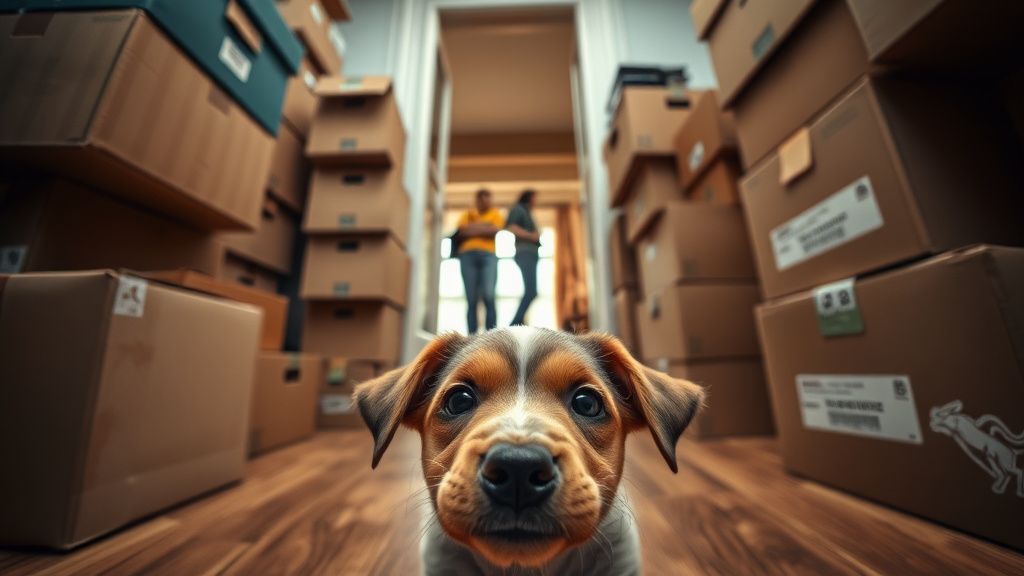
Moving day is a whirlwind of boxes, open doors, and unfamiliar faces. For a puppy, this chaos can be overwhelming and downright scary. Their tiny world is being packed up, and the usual comforting rhythms of home are completely disrupted. This is why creating a designated safe room, or "safe zone," is not just a nice idea, it's a critical piece of your moving plan. It provides your pup with a predictable, secure harbor in the storm, preventing stress, keeping them safe from escape risks or heavy furniture, and giving you peace of mind. I've seen how a simple, well planned space can turn a potentially traumatic day into a manageable one for a young dog.
Based on expert advice from veterinarians and dog behaviorists, here's how to build that perfect puppy safe room for your move.
Why Is a Safe Room So Crucial During a Move?
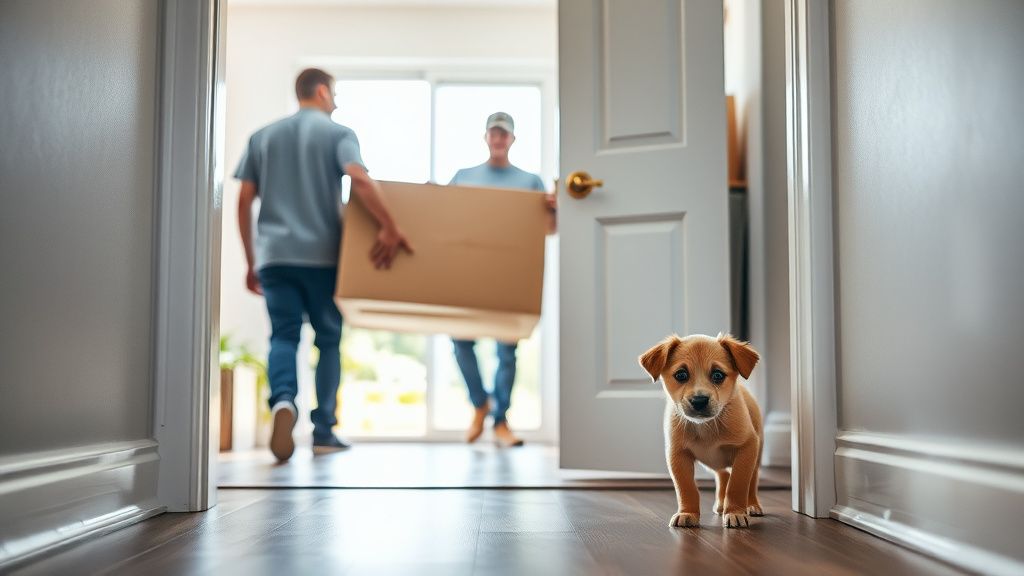
Think about the moving day environment: doors are constantly open, strangers are walking in and out carrying large items, and there's a constant stream of unfamiliar noises. For a curious and potentially nervous puppy, this is a minefield of dangers and stressors.
First, it's a major safety issue. An open front door is an invitation for a pup to bolt into an unfamiliar neighborhood. Heavy boxes and furniture being carried pose a real risk of injury. Movers might not be aware of a small dog darting around. Confining your puppy to a safe room eliminates these physical dangers entirely.
Second, the emotional toll on a puppy is significant. Dogs, especially young ones, thrive on routine and familiar surroundings. The complete upheaval of a move can lead to anxiety, hiding, or even unwanted behaviors. A safe room acts as a portable piece of their old home. It's a consistent place filled with the smells and objects they know, which provides immense comfort. Experts at Tipp City Veterinary Hospital emphasize that this space serves as a retreat during the chaos, a place where they can relax and feel secure.
Finally, it's practical for you. Knowing your puppy is contained, safe, and calm in one room allows you to focus on coordinating the move without constantly worrying about their whereabouts or well being.
How to Choose and Set Up the Perfect Safe Room Location
The ideal location balances quiet isolation with practical accessibility. Your goal is to minimize exposure to the move's hustle and bustle.
In Your Old Home: Choose a room that is naturally away from the main flow of traffic. A spare bedroom, a bathroom, or even a finished basement can work perfectly. The key is that it should be a room that movers will not need to enter frequently to pack or move items from. As Chewy advises, choose a quiet area of your house, away from the movers, to confine your dog. Inform everyone helping you move of this safe zone's location, as Pooch and Mutt recommends, so no one accidentally opens the door. In Your New Home: This is equally important. Before the moving truck arrives, take a few minutes to establish a cozy corner in your new home with your pet's bed, toys, and other familiar items, as Bailey's Allied suggests. This should be the first room you set up. Often, it's best to use the same type of room you used in the old house a quiet bedroom or bathroom. This immediate familiarity helps your puppy start associating the new house with positive feelings of safety. If You Don't Have a Suitable Room: Not every home has a spare room that can be dedicated. In this case, you can create an effective safe area using an exercise pen (ex-pen) or pet gates. Preventive Vet notes that it's easy to set up an exercise pen around your puppy's usual crate area. The crucial detail is to secure it. Make sure the pen is either securely attached to the dog's crate or set up against a wall and other anchor points so your puppy can't knock it over and escape. You can also use dog gates, as recommended in puppy proofing tips, to block off a corner of a room or to keep your pup contained in a safe area away from stairs.What to Put Inside Your Puppy's Safe Space
This isn't about fancy decor. It's about creating a functional, comforting oasis with your puppy's essential belongings and distractions. Rover.com reminds us that creating a dog room doesn't have to be elaborate. All your pup really needs is a bit of space to call their own with a few of their favorite things.
Here is a checklist for what to include:
* Their Crate: The crate is the cornerstone of a safe space, if your puppy is crate trained. As Kasten's Dog Training states, selecting the right crate is the first step. It should be large enough for your puppy to stand up, turn around, and lie down comfortably, but not so big that they have room to create a potty spot. Place the crate in the safe room with the door open, allowing it to become a familiar cave they can retreat into. WoofDoctor on Wheels advises putting the crate in a quiet area where your dog can escape and relax.
* Familiar Bedding: Their usual bed or crate mat provides a huge comfort through smell. This familiar item tells them, "This is your spot."
* Water and Food: Place a bowl of fresh water in the room. You might also include a portion of their regular meal or some of their favorite best dog treats in a puzzle feeder to keep them occupied.
* Favorite Toys: Include a mix of comfort toys (like a soft plush toy they cuddle with) and engaging toys. A long lasting chew toy or a treat dispensing toy can provide a wonderful distraction from the noises outside the door.
* Potty Solution: For young puppies or long confinement periods, plan for bathroom needs. If the room has a hard floor, you might place a puppy pad in a designated corner far from their bed. For a very young pup, you will need to schedule quiet breaks to take them outside to their usual potty spot, leashing them carefully for the trip.
* Calming Items: An item like a blanket you've used or a shirt with your scent can be soothing. Some owners find playing low volume, calming music in the room helpful.
* Safety Checks: Before placing your pup inside, do a quick puppy proofing sweep. Use cord covers or cable management boxes to protect your puppy from chewing on any electrical wires in the room. Ensure there are no small objects, trash, or houseplants they could get into.
Remember, the Online Dog Trainer points out that a crate is a great option, but it's not the only option. Forts, tents, and even an entire room are effective. The principle is the same: a dedicated, positive space.
Managing Your Puppy's Time in the Safe Room
You can't just pop your puppy in the room and forget about them for eight hours. Thoughtful management is key to ensuring the experience remains positive and doesn't create additional stress or dog anxiety.
Pre Move Introduction: Don't wait until moving day to use this setup. A few days before the move, start spending positive time in the safe room with your puppy. Feed them there, play gentle games, and encourage them to nap in their crate. This builds a positive association so that on moving day, the room already feels like a safe haven, not a punishment. On Moving Day: Place your puppy in the safe room before the movers arrive or before the chaos truly begins. Ensure they have everything they need from the checklist. Visit them regularly for quiet, calm check ins. These visits shouldn't be exciting or energizing. Simply sit with them, offer some gentle pets, maybe a small treat, and speak softly. This reassures them you're still there and the world is okay. Use these breaks to also take them out for necessary potty trips. Duration: The length of time they can comfortably stay depends on their age, temperament, and training. A well adjusted, crate trained older puppy might handle a few hours with appropriate distractions. A very young puppy will need more frequent check ins and breaks. Always monitor for signs of stress like excessive whining, panting, or salivation. Transition to the New Home: When you arrive at the new house, bring your puppy directly to the pre set up safe room you created. Let them acclimate there first. After the movers have left and the house is quiet, you can begin the gradual introduction Preventive Vet recommends. Introduce your pet to the new house gradually, one room at a time, starting from the safe room as their home base.Beyond the Move: The Long Term Safe Space
The safe room you create for the move can easily evolve into a permanent safe space in your new home. This dedicated area gives your puppy a place to unwind, feel secure when guests are over, or relax when you're busy.
You might keep the exercise pen setup in a corner of the living room, or you might dedicate a quiet nook under a stairwell. The core elements remain: their crate, bedding, water, and a few toys. This becomes their personal retreat, supporting confidence and calm behavior as they grow.
To keep this space engaging and positive, consider rotating in new toys or chews. A monthly dog subscription box can be a fantastic way to regularly introduce new, safe enrichment items into their space, keeping it fresh and exciting. Likewise, ensuring their safe space is associated with their regular, balanced meals from a reliable fresh dog food delivery service reinforces the area as a core part of their daily happy routine.
Final Thoughts
Moving is stressful for everyone, but with a little preparation, it doesn't have to be traumatic for your puppy. Creating a safe room is a simple, powerful act of care that prioritizes their well being and safety. It transforms a chaotic day into a structured one for your dog, providing them with the predictability they need. By choosing the right location, stocking it with familiar comforts, and managing their time there with empathy, you're not just moving your belongings, you're moving your puppy's sense of home. That foundation of security will make the adjustment to your new life together smoother and happier for every member of your family, including the smallest, furry one.
Find the Perfect Box for Your Dog
Compare top-rated dog subscription boxes and find the best fit for your pup.
Compare Boxes