When Will Your Puppy Finally Calm Down

Your puppy's energy peaks before gradually calming down after adolescence; smaller breeds often settle sooner than large ones.
Puppies typically start to calm down between six months and a year old as they exit the intense puppy phase. However, reaching full behavioral calmness often aligns with when they stop growing. Small breeds (0-20 lbs) may settle sooner, around 10-12 months, while larger breeds can take 1.5 to 3 years to achieve true social maturity and a calmer demeanor.
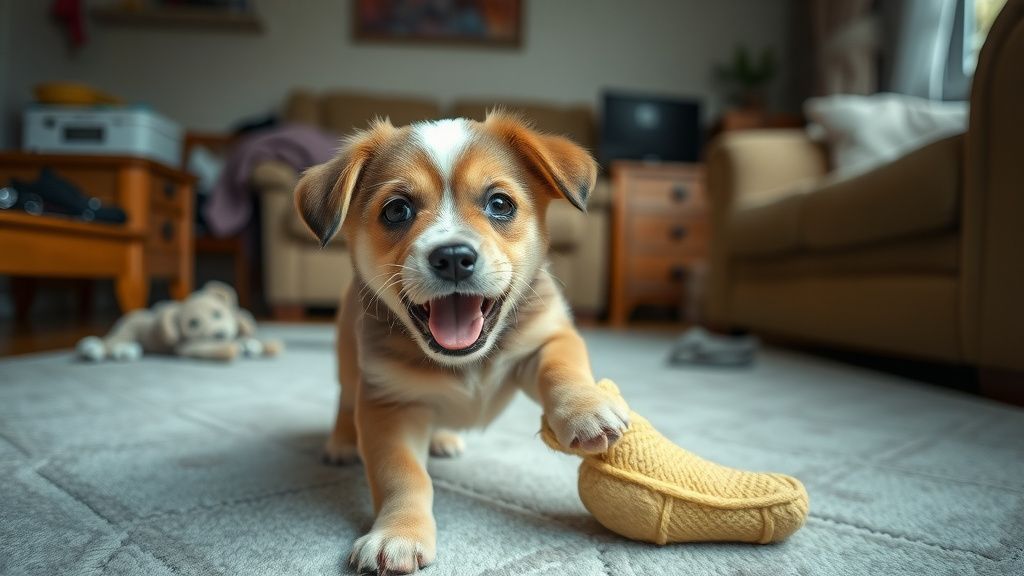
If you're in the thick of puppy parenthood, surrounded by chewed slippers and fueled by seemingly endless zoomies, you're probably asking this question on repeat. I've been there, watching a tiny tornado of fur ricochet off the furniture and wondering if the peaceful dog of my dreams will ever emerge. The good news is, yes, that day will come. The journey from rambunctious puppy to settled companion isn't a straight line, and it varies dramatically depending on one key factor: the size of your dog. Understanding this timeline isn't just about managing your own expectations; it's about providing the right care, training, and patience your unique pup needs to thrive.
When Do Puppies Calm Down? A Timeline by Breed Size
The most consistent piece of wisdom from experts is that puppies often begin to calm down when they stop growing. Physical maturity and behavioral maturity are deeply connected. A puppy whose body is still developing at a rapid pace has a biological engine running at full throttle. Once that growth plateaus, you'll often notice a corresponding plateau in the frantic energy levels. Let's break down what this looks like across different size categories.
Small Breeds (0-20 lbs)
Think: Chihuahuas, Pomeranians, Toy Poodles, Shih Tzus
These little dogs pack a lot of personality into a small package, and their development schedule is on fast-forward. According to research, small breeds usually stop growing by about 10 to 12 months of age. This means you can often expect the first significant calming shift to begin around their first birthday. They move through puppyhood and adolescence quickly. Don't be fooled, though. Many small breeds retain a lively, alert disposition well into adulthood, but the constant, manic puppy energy should start to mellow into more predictable patterns of play and rest.
Medium to Large Breeds (20-80 lbs)
Think: collie" class="text-yellow-600 hover:text-yellow-700 underline">Border Collies, Australian Shepherds, Labradors, German Shepherds
This is where timelines start to stretch. These popular family dogs take longer to physically mature. Their growth typically continues until they are 12 to 18 months old. Consequently, their "puppy brain" energy often persists through this entire period. You might see initial signs of settling around the one-year mark, but many won't reach what trainers call social maturity, a stable, confident adult temperament, until they are between 1.5 and 3 years old. This is a critical period where consistent training and socialization pay off immensely.
Giant Breeds (80+ lbs)
Think: Great Danes, Mastiffs, Saint Bernards, Newfoundlands

Patience is the ultimate virtue with giant breed owners. Some giant dogs may not reach their full adulthood until they're nearly two years old physically. Their behavioral calmness follows suit. The boisterous, clumsy puppy phase can feel like it lasts forever, but it's crucial to remember they are puppies for a much longer proportion of their lives. True behavioral stability for these gentle giants is commonly seen in the 2 to 3-year range. Rushing training or expecting early calmness isn't fair to their natural developmental pace.
What Factors Influence When My Puppy Will Settle?
Breed size provides the framework, but it's not the only actor in this play. Several other elements influence your dog's individual timeline.
Breeding and Genetics: This is a significant factor. A working line Border Collie or a Belgian Malinois is genetically programmed for high drive and energy, which may never fully "calm down" in the way a Bulldog might. Their "calm" is often a focused readiness. Research confirms that breeds like Jack Russell Terriers, Border Collies, and Greyhounds are known for notably high energy levels even in adulthood. Socialization and Training: A puppy whose energy is channeled constructively through training, puzzles, and appropriate exercise will learn how to switch off. Conversely, a puppy with pent-up energy or under stimulation will often act out. The period around 6 months is pivotal. This is when many dogs start to show signs of independence, which can make them seem more challenging and less calm if boundaries aren't consistently reinforced. Health and Nutrition: A puppy fed a complete and balanced diet appropriate for their life stage has the foundation for stable growth and behavior. Nutritional imbalances or low quality food can sometimes manifest as hyperactivity or anxiety. Exploring options like fresh dog food or freeze-dried dog food can be part of a strategy to support overall wellness, which supports behavioral calm.Practical Tips to Help Your Puppy Calm Down
Waiting for nature to take its course is one thing, but you're not powerless. These actionable strategies can help manage the whirlwind and encourage calm behaviors.
1. Master the Art of Mental Exercise. Physical exercise is vital, but a tired mind often leads to a calmer puppy. Use training sessions for 5-10 minutes several times a day. Introduce food puzzles, snuffle mats, or simple games like hiding treats in a muffin tin covered with tennis balls. This engages their brain and fulfills their instinct to work.
2. Create a Consistent Routine. Puppies thrive on predictability. Feed, walk, play, and train at roughly the same times each day. A predictable environment reduces anxiety and helps them understand when it's time to be active and when it's time to rest. This is where services like dog food delivery can remove one variable, ensuring their meals are always on schedule.
3. Teach an "Off-Switch" with Capturing Calm. Reward calm behavior whenever you see it. If your puppy voluntarily lies down and chews a toy or settles on their bed, quietly walk over and drop a treat near them. Don't make a big fuss, or you'll excite them. You're teaching them that being relaxed and calm earns good things. This is one of the most powerful tools for long term peace.
4. Ensure Proper Socialization. The research highlights that the adolescent stage is also when puppies begin to display fear. Positive exposure to various people, dogs, sounds, and environments before this period helps build a confident, less reactive adult dog. A dog that is not fearful is generally a calmer dog. If you notice signs of stress, our dog anxiety guide can offer further support.
5. Meet Their Physical Needs Appropriately. A bored puppy is a destructive puppy. Tailor exercise to their age and breed. Short, frequent walks for young puppies are better than one long marathon. For high energy breeds, incorporate activities that match their instincts, like fetch for retrievers or herding games for shepherds. Remember, a puppy may look full grown but still be very much in their puppy stage developmentally.
The Teenage Phase: Why It Feels Like a Step Backwards
Just when you think you've made progress around the 8-10 month mark, you might hit a patch that feels like regression. Welcome to canine adolescence. This phase, which can start around 6 months and last until 18 months or longer in large breeds, is characterized by increased independence and testing boundaries. They might ignore commands they once knew, seem more easily distracted, or exhibit bursts of renewed chaotic energy.
This is perfectly normal. It doesn't mean your training has failed. Think of it as your dog's final push for independence before settling into adulthood. Consistency is your best friend during this time. Stick to the rules, keep up with training, and continue providing structured outlets for their energy. This phase will pass, leading to the calmer dog you've been working towards.
Final Thoughts
Watching your puppy calm down is a gradual process, a slow sunrise rather than a sudden switch. While the timeline is guided by their breed size, with small dogs settling sooner and giant breeds requiring years of patience, your daily actions shape the dog they become. The chewing, the zoomies, the seemingly bottomless energy are all temporary chapters in your story together.
Embrace this lively phase. Use it to build a bond through play and training. Incorporate tools that make life easier, whether it's a consistent dog food delivery service or a monthly dog subscription box that delivers new, engaging toys and the best dog treats for training. These small supports can help you focus more on your puppy and less on the logistics.
Remember, the goal isn't to have a lethargic dog, but a content one who knows how to be peacefully calm at home and joyfully energetic in the right contexts. That balanced companion is absolutely on the horizon. For more insights on navigating these early years, check out our guide on managing puppy energy levels. Your future calm, loving best friend is worth every single chewed shoe along the way.
Recommended Products



Find the Perfect Box for Your Dog
Compare top-rated dog subscription boxes and find the best fit for your pup.
Compare Boxes