Puppy Potty Problems And UTI Relief

Our puppy's frequent accidents led to a UTI diagnosis. We're on medication and a new potty schedule to get back on track.
Frequent urination in a 5-month-old puppy is often caused by a urinary tract infection (UTI), not a potty training regression. If your puppy suddenly can't hold their pee despite previous progress, see your vet immediately — UTIs are easily treated with antibiotics and your potty training progress will return within days.
You’ve been diligently following a potty training schedule with your five month old puppy. You praise them for going outside, you manage their dog water calculator, and you’ve even perfected the celebratory “good potty” dance. But lately, something feels off. Instead of progressing, your pup seems to be regressing. They’re asking to go out constantly, having accidents inside right after coming back in, and just can’t seem to hold their pee for more than a couple of hours during the day. You’re frustrated, they’re confused, and you’re starting to wonder if this is a training issue or something more. If this sounds familiar, take a deep breath. You’re not alone, and this common struggle is often a sign that your puppy needs help, not more discipline. Frequent urination in a puppy this age is a red flag that warrants a closer look, often pointing directly to a health concern like a urinary tract infection.
Understanding Your Puppy’s Bladder Capacity
First, let’s establish what’s considered normal. A puppy’s ability to “hold it” is directly tied to their physical development and bladder size. The general rule of thumb, supported by experts, is that a puppy can typically control their bladder for about one hour for every month of age. So, a two month old puppy might manage two hours, while a three month old might last three.
By the time a puppy reaches four to six months old, their physical control should be improving significantly. According to veterinary guidance, puppies in this age range should be able to hold their pee for four to six hours. This means your five month old puppy physically has the capacity to last for a decent stretch, especially during quieter periods or overnight when they are asleep and not active. Many owners report their puppies sleeping soundly for 8 hours at night without an accident, which highlights the difference between passive holding and active daytime control.
However, these are general guidelines, not strict promises. Every puppy is an individual. Factors like breed size (a tiny Chihuahua has a much smaller tank than a Labrador), activity level (play stimulates the bladder), and water consumption all play a role. The key is to look for a consistent pattern of *improvement* over time. If your puppy was successfully holding it for three hours at four months but is now struggling to make it to two hours at five months, that’s a backward step that signals a problem.
When Frequent Urination Signals a Health Problem
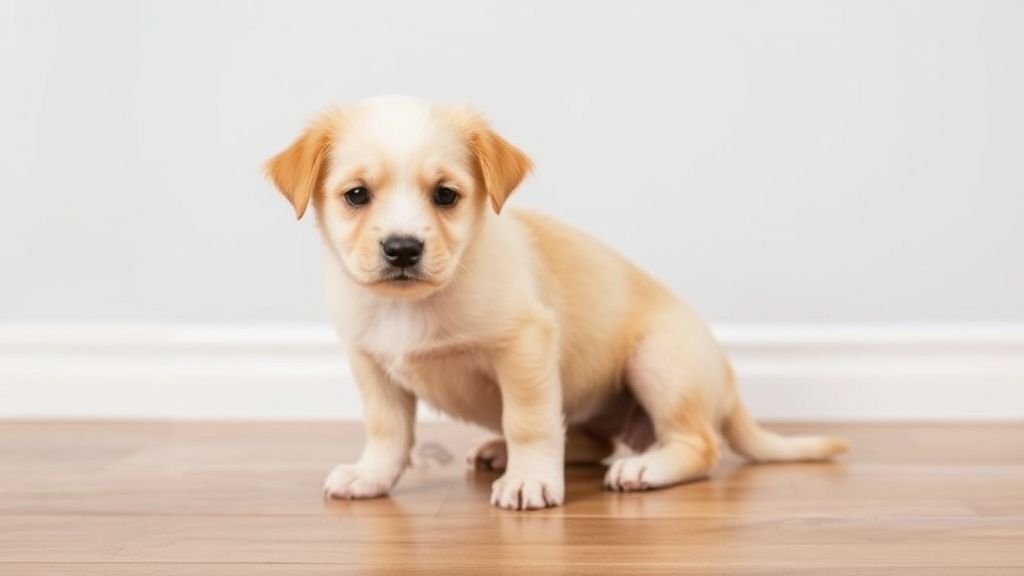
House training challenges are par for the course with a new puppy. But how can you tell the difference between a simple behavioral accident and a symptom of a medical issue? The line can be thin, but several signs point strongly toward a health problem like a urinary tract infection.
The most telling sign is a sudden change in established habits. If your previously reliable puppy starts having frequent accidents, squatting often but producing only small amounts of urine, or seeming distressed while urinating, it’s time to think beyond training. One Reddit user shared a crucial insight from their experience with a puppy UTI: the accidents were completely out of their pup’s control. They noted, “The only times she ever went inside was literally spur of the moment in the middle of playtime, and we could see it in her face that even she didn’t expect it.” This lack of intent is a major clue.
Here are the specific symptoms that suggest a vet visit is necessary:
* Urgency and Frequency: Your puppy needs to go out constantly, perhaps every 30 minutes to an hour, and seems unable to wait even for a short time.
* Straining or Crying: Whimpering or showing signs of pain while trying to urinate is a clear indicator of discomfort.
* Accidents After Recently Going Out: You just brought them in from a successful potty break, and ten minutes later there’s a puddle on the floor.
* Changes in Urine: Look for cloudy urine, blood in the urine (which may appear pinkish), or urine with a strong, unusual odor.
* Accidents During Sleep: As the Reddit user pointed out, noticing your puppy urinate while asleep is a serious sign that warrants immediate veterinary contact. This demonstrates a complete loss of voluntary control.
Other health issues can mimic UTI symptoms, including ectopic ureters (a congenital defect), metabolic diseases like diabetes, or even side effects from certain medications. This is why a professional diagnosis is so critical. As one veterinary resource states, “A veterinary examination becomes necessary when a puppy displays unexplained changes in their bathroom habits.”
The Lowdown on Puppy Urinary Tract Infections
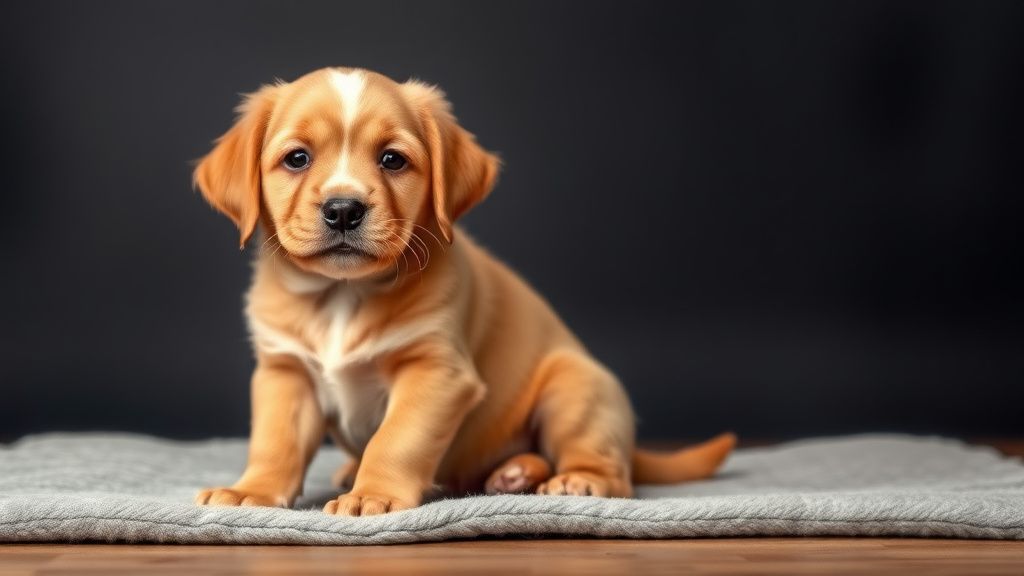
Many people are surprised to learn that puppies can get UTIs. We often associate them with older dogs, but a puppy’s developing immune system and curious nature (which leads them to explore dirty places) make them susceptible. An untreated UTI is more than just an inconvenience; it can worsen, ascend to the kidneys, and become a much more serious health threat.
A UTI occurs when bacteria, often from the environment or the puppy’s own gastrointestinal tract, enter and multiply in the urinary tract. The resulting inflammation causes that constant, urgent, and painful feeling your puppy is experiencing. They aren’t being stubborn or forgetful; they literally cannot hold it because their bladder is screaming at them that it’s full, even when it’s not.
Diagnosis is straightforward. Your veterinarian will need a urine sample, ideally a sterile one collected via cystocentesis (a needle draw from the bladder) to avoid contamination. They will analyze this for the presence of bacteria, white blood cells, and other markers of infection. This step is vital. As one expert source emphasizes, “Diagnosis requires veterinary urine analysis and blood tests.” Guessing or trying home remedies can allow the infection to progress.
Treatment typically involves a course of antibiotics prescribed specifically for your puppy based on the bacteria found. It’s crucial to give the entire course of medication, even if your puppy seems better after a few days, to ensure the infection is completely eradicated. You should see improvement in symptoms within 48 hours of starting antibiotics. During treatment, ensure your puppy has ample access to fresh water to help flush out the bacteria. Offering water rich foods like plain canned pumpkin (check with your vet first) or even using a best dog subscription boxes service that delivers hydration boosting treats can be a helpful way to support their fluid intake.
Practical Steps to Take Right Now
While you are navigating this situation, either before your vet appointment or during treatment, there are practical and supportive actions you can take.
1. Schedule a Vet Visit Immediately.This is the single most important step. Do not delay. A virtual vet appointment is a fantastic option if you need immediate advice or can’t get into your local clinic right away. As one online vet service notes, if your puppy is showing signs of a UTI, you can “schedule a virtual vet appointment at any time to talk to an expert for advice.” They can guide you on whether you need to go to an emergency clinic or can manage it with a next day appointment.
2. Document Everything.Become a detective. Keep a simple log for 24 hours. Note:
* Time of water intake
* Time they ask to go out or you take them out
* Whether they successfully urinated and an estimate of how much
* Time and circumstances of any accidents
This log is gold for your veterinarian. It provides concrete data instead of vague descriptions.
3. Revisit and Relax Your Training.If a UTI is confirmed, you must temporarily suspend any frustration about accidents. Your puppy is not capable of compliance. Focus on management:
* Increase the frequency of potty breaks dramatically. Take them out every hour, or even every 30 minutes if symptoms are severe.
* Use a crate or a small, puppy proofed room when you cannot supervise directly to prevent accidents and reduce their stress.
* When they do succeed outside, praise and reward them enthusiastically with a top value treat. This helps maintain the positive association with pottying outside, even during this medical setback. Having a delivery of special, training sized treats on hand can make this easier.
4. Support Overall Bladder Health.Prevention is always the goal. Support your puppy’s urinary tract health by:
* Ensuring constant access to clean, fresh water to encourage flushing.
* Promoting regular potty breaks so urine doesn’t sit in the bladder for too long.
* Keeping their genital area clean, especially for female puppies or long haired breeds.
* Feeding a complete and balanced diet that supports their immune system. A reliable dog food delivery service can ensure you never run out of their prescribed or recommended food, maintaining consistency.
Managing Setbacks and Moving Forward
Once your puppy has finished their antibiotics and your vet confirms the infection is cleared, you might find yourself facing a house training setback. It’s completely normal. For weeks, your puppy’s body has been telling them to pee *immediately* with no warning. They need to relearn the feeling of a full, healthy bladder and the impulse control that goes with it.
Treat this period as if you are starting potty training from scratch, but with a wiser, slightly older pupil. Go back to basics:
1. Stick to a strict schedule of going out first thing in the morning, after meals, after naps, after play, and right before bed.
2. Supervise, supervise, supervise. Use a house line (a lightweight leash indoors) to keep them near you.
3. Confine them to a crate or small space when you cannot watch them.
4. Clean all accident areas with a proper enzymatic cleaner to eliminate odors that might attract them back.
Be patient and consistent. The neural pathways for good habits are still there, they just need to be reactivated. Celebrate the small wins. If they held it for two hours, that’s progress. Then three hours. Soon, you’ll be back on track.
Final Thoughts
Navigating a puppy who can’t hold their pee is a stressful and messy experience. It’s easy to blame yourself or your training methods. However, in a puppy around five months old, frequent urination is very often a cry for help from their body, not a failure of their spirit. Listening to that cry by seeking veterinary care is the most responsible and loving thing you can do.
Remember the distinction: a behavioral accident often comes with a “guilty” look (which is actually appeasement) after the fact. A medical accident is often preceded by clear signs of urgency and distress, and the puppy may seem confused by it happening. Trust your instincts. You know your puppy’s normal patterns better than anyone. If something seems off, it probably is. By partnering with your vet, you can solve the immediate health problem and then gently guide your puppy back to successful house training, strengthening your bond in the process. The journey might have a few unexpected puddles, but with the right approach, you and your pup will get through it together.
Recommended Products


Find the Perfect Box for Your Dog
Compare top-rated dog subscription boxes and find the best fit for your pup.
Compare Boxes