Home Scent Training For Your Dog
Master scent training at home with this simple, effective guide for your dog's mental enrichment.
Home scent training starts with hiding treats in easy spots, then progressively making searches harder using boxes, rooms, and outdoor areas. Use a consistent "find it" cue, let your dog use their nose naturally, and keep sessions short (5-10 minutes) to maintain enthusiasm and prevent frustration.
Hey there, fellow dog lovers. Brad here. If you've ever watched your dog completely lose their mind over a squirrel track or spend a full five minutes analyzing a single blade of grass on your walk, you've witnessed the incredible power of the canine nose. Our dogs experience the world through scent in a way we can barely imagine. Tapping into that natural, hardwired ability isn't just for police K9s or search and rescue teams. It's a fantastic way to provide mental stimulation, build confidence, and deepen your bond with your pup, all from the comfort of your living room. I've seen shy dogs blossom and energetic dogs find calm focus through simple scent games. The best part? You likely have everything you need to start right now.
Understanding Your Dog's Superpower
Before we hide the first treat, it helps to appreciate just what we're working with. A dog's sense of smell is their primary way of interpreting the world. Where we see a park, they smell a layered history of every creature that's passed through, what they ate, and their emotional state. This isn't just a keen sense; it's a different perceptual universe.
Engaging this sense through structured play offers profound benefits. It provides a massive mental workout that can tire a dog out as effectively as a long run. For anxious or reactive dogs, it offers a calming, focused job that builds confidence. For puppies and seniors, it's a low-impact activity that keeps their minds sharp. It's also a brilliant way to reinforce your connection, as you become the facilitator of this incredibly rewarding game. Think of it as subscribing your dog's brain to the most interesting content imaginable. Instead of a monthly dog best dog subscription boxes filled with toys and treats, you're delivering a customizable experience of discovery and reward.
Gathering Your Scent Work Toolkit
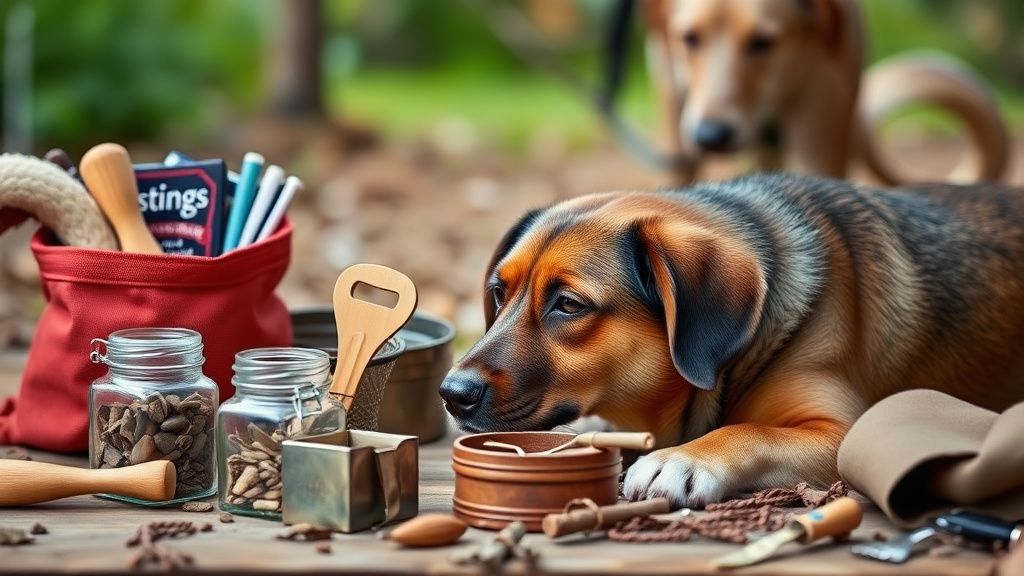
One of the joys of starting scent work is that you don't need expensive gear. You can create a highly effective setup with household items. Based on the expert advice from sources like the AKC and Daily Paws, here's what you'll want to have on hand.
Essential Starter Items:* Containers: Muffin tins, cardboard boxes (no deeper than about 6 inches, as suggested in a Reddit training thread), plastic cups, or small paper bags.
* Scent Vessels: Cotton swabs (Q-tips) are perfect. You can reuse them if your dog doesn't drool on them and they aren't contaminated with food.
* Target Scents: For true detection training, many people use essential oils like birch, anise, or clove. *Crucially, if using oils, always prioritize safety.* Use only dog-safe oils, heavily dilute them, and store them securely. A simpler and safer way to start is by using your dog's own food, a favorite toy, or a specific treat as the "target scent."
* Rewards: Have a generous supply of your dog's absolute favorite, high-value rewards. This could be tiny pieces of chicken, cheese, or a special treat you save just for training sessions. The reward must be more exciting than the distraction of the search itself.
* A "Hold": A small tin or container to hold the scent source. The AKC method suggests holding the tin in one hand and a treat in the other, about a foot apart, during initial introductions.
While you can certainly find all these items around your house, you can also purchase a pre-assembled scent training kit online. These kits are a great option for beginners as they take the guesswork out of gathering materials and often include safe, pre-diluted scents.
Foundational Steps to Start the Search
Now, let's get your dog's nose in the game. We'll begin with two foundational exercises that teach the core concept: "Find this smell, and you get an amazing prize."
Introducing the Scent
The goal here is to create a positive, clear association between a specific odor and a fantastic payoff. We'll use the AKC's reliable method.
1. Take a clean cotton swab. If you're using a food-based scent, you can just use the food itself. For an oil, put a drop or two on the swab.
2. Place this scent source in a small tin or container that you can hold. Have a handful of top quality treats ready in your other hand.
3. Sit with your dog. Present the tin with the scent in one hand, and a treat in your other hand, holding them about a foot apart.
4. The moment your dog investigates the tin with their nose, and they will, because it's interesting, mark that behavior with a "Yes!" or a clicker, and immediately give them the treat from your *other* hand.
5. Repeat this many times. You are not asking for anything yet. You are simply building the link: "Sniff that thing = good stuff happens." Keep sessions short, about 2-3 minutes.
The First Simple Search
Once your dog is eagerly nudging the tin, it's time to make the game a little more challenging. We'll use the cardboard box method noted by dog trainers online.
1. Take a shallow cardboard box. Tape the scented cotton swab to the bottom inside of the box. Leave the box open.
2. Place the box on the floor in a low-distraction area. Let your dog approach and investigate freely. The moment they put their nose in the box to sniff the swab, mark and reward lavishly. Toss the treat near the box so they return to the search area.
3. After several successful repetitions, add a second, identical but *unscented* box. Place it a few feet away from the first one. Send your dog to "Find it!" They will likely check both boxes. Only mark and reward when they sniff the one with the scent.
4. Gradually add more empty boxes, moving the scented one to different positions. You're teaching discrimination: find the *one* with the special smell.
Remember, the reward always comes from you, not from the box itself. This keeps the game going and prevents the dog from just grabbing and running off with the scent article.
Fun Scent Games to Play at Home
With the basics down, you can expand into endless creative games. These are perfect for rainy days or when you want to engage your pup's brain without leaving the house.
The Scent Trail: A fantastic game recommended by trainers at Tug-E-Nuff. Take a super motivating treat or your dog's favorite tug toy. Have your dog wait in a "stay" or have a helper hold them. Drag the food or toy along the ground in a straight line for a short distance, then hide it under a towel or behind a chair leg. Release your dog with an excited "Find it!" and let them follow the trail to the prize. As they get better, you can make trails longer and more complex. A pro tip from Sniffspot: when you walk back to your dog after laying the trail, try to follow your exact steps so you don't create a confusing second scent trail with your own footsteps. Toy Hide and Seek: This is a classic for a reason. Use a toy your dog is absolutely crazy about. Play with them for a minute to build value, then have them stay while you "hide" it in plain sight just around a corner. Ask them to find it. Celebrate wildly when they do. Slowly increase the difficulty by hiding it in another room, under a couch cushion, or on a low shelf. This game leverages their natural desire to hunt for their prized possession. Muffin Tin Puzzle: This is a brilliant discrimination game. Take a muffin tin and place a few treats in random cups. Cover every single cup with a tennis ball or a crumpled paper cup. Your dog has to use their nose to figure out which cups are worth investigating and how to get the reward. It combines scent work with a bit of problem-solving.These games turn your home into an adventure playground. They're more enriching than many store-bought puzzles and are tailored specifically to your dog's greatest strength.
Troubleshooting Common Challenges
Even with the best plan, you might hit a small snag. Here's how to handle some typical beginner hurdles.
My dog just stares at me instead of searching. This usually means the search concept isn't clear yet. Go back a step. Make the hides incredibly obvious, even placing the treat partially in view. Be more exciting with your body language when you set the hide. Use a higher value reward, something you know they can't resist, like a bit of hot dog or a special treat from that gourmet dog food delivery service you sometimes use. My dog gets frustrated and gives up. Keep early sessions very short and very successful. End on a win. If they are struggling, make the next hide so easy it's impossible to miss, reward them, and then end the session. Frustration often comes from the game being too hard, too fast. Build confidence with a string of easy successes. My dog just runs to all the boxes/containers randomly. They might be guessing with their eyes instead of using their nose. Try using identical containers that look exactly the same. Also, ensure you are only rewarding a deliberate *sniff* of the correct container, not just a passing glance. You can also try holding your dog back for a few seconds after you set the hides, so the visual memory fades and they must rely on scent. Contamination is key. Always wash your hands between handling the scent source and the empty containers. If you're using food, be careful not to drop crumbs in other search areas. The goal is for one, and only one, item to carry the target odor.Taking Scent Work Further
As you and your dog get hooked on the fun, you might want to explore more formal avenues. The world of organized canine scent work is vast and welcoming.
You can transition from food scents to specific essential oils used in competition, like birch or anise. Always do this with care, using proper dilution and storage. You can start searching different "environments" like vehicles, interior rooms, or exterior areas. Organizations like the American Kennel Club (AKC), United Kennel Club (UKC), and National Association of Canine Scent Work (NACSW) offer titling programs where you and your dog can work through progressively challenging levels, searching for multiple hides in complex environments.
This structured path isn't necessary for a happy, mentally stimulated dog, but it's a wonderful option for teams that really catch the bug. It provides clear goals and a fantastic community of people who are just as fascinated by their dogs' noses as you are.
Final Thoughts
Scent training is more than just a game or a way to kill ten minutes. It's a profound act of communication. We are asking our dogs to use their greatest natural gift, and we are rewarding them for sharing that world with us. I've seen it build unshakeable confidence in nervous rescues and provide a peaceful, focused outlet for dogs bursting with energy.
Start simple. Use what you have. Let your dog's curiosity be your guide, and celebrate every nose-to-target moment. The joy you'll see in your dog as they successfully complete a search, ears perked, tail wagging with purpose, is one of the most rewarding experiences in dog ownership. You're not just hiding treats; you're unlocking a doorway into how your dog truly sees, or rather, smells the world. So grab a muffin tin, a handful of your dog's best dog treats, and get ready to be amazed by the superpower that's been right under your nose, and theirs, all along.
Recommended Products


Find the Perfect Box for Your Dog
Compare top-rated dog subscription boxes and find the best fit for your pup.
Compare Boxes