Master Medical Alert Dog Scent Training
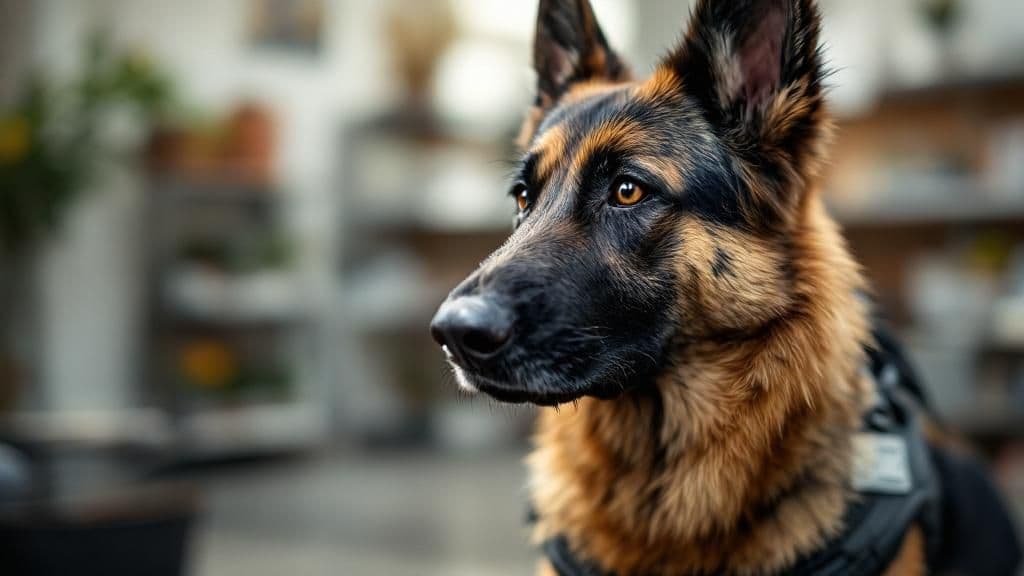
Master scent detection basics to build a reliable medical alert dog, ensuring they accurately signal health emergencies.
Scent training for medical alert dogs starts with imprinting the target scent on a cotton swab, pairing detection with a high-value reward, and gradually building the alert behavior chain. The foundation requires 4-6 months of consistent daily sessions before a dog can reliably detect medical conditions like low blood sugar or oncoming seizures.
Imagine a dog pausing mid walk, turning to nudge your hand, and staring up at you with unwavering focus. This isn’t a request for a treat from the best dog treats best dog subscription boxes, but a potentially life saving signal. For individuals with conditions like diabetes, POTS, or migraines, this is the reality a well trained medical alert dog can create. These canine partners are not psychic; they are masterful scent detectors, trained to recognize the subtle biochemical changes that precede a medical event. The foundation of this incredible ability is not magic, but a meticulous, science based training process rooted in scent detection principles. Building this skill correctly is what transforms a beloved pet into a legally recognized medical alert partner, a distinction that carries significant weight under laws like the ADA.
Understanding the Science and Legality of Scent Detection
Before you even order your first set of scent tins, it’s crucial to grasp what you’re asking of your dog and why the training must be impeccable. A dog’s nose is a biological marvel, capable of detecting odors in parts per trillion. For medical alerts, they are likely keying in on volatile organic compounds (VOCs) released through breath, sweat, or saliva during physiological changes. As Atlas Assistance Dogs notes, the process begins with learning to collect and store these biological samples from specific episodes, which become the target scent for training.
This precision directly ties to legal protection. The ADA guide from Outleash makes a critical point: without a trained, consistent, and observable alert behavior, ADA protections do not apply. Clarity in training protects your legal rights. This means an alert cannot be a vague feeling or an ambiguous behavior. It must be a specific, actionable signal the dog offers reliably. Furthermore, the temperament of the dog remains foundational. Not every dog, regardless of breed, possesses the focus, drive, and stability needed for reliable scent detection work. The pressure of this responsibility is immense, and the dog must be wired to handle it.
Laying the Groundwork: Selecting a Dog and a Training Plan
Success starts with the right candidate. As highlighted in resources like the Sweet Snoopers program from Atlas Assistance Dogs, selecting a dog with the right traits is a primary step. You’re looking for more than intelligence. A strong play or food drive, a resilient temperament that isn’t easily discouraged, and a natural curiosity are essential. Many successful medical alert dogs come from working line breeds, but individual personality is everything.
Once you have your candidate, you need a roadmap. Wingin’ it is a sure path to confusion and false alerts. A structured program is non negotiable. Organizations like Delta Tails offer online scent detection programs specifically for service dog handlers, teaching independence and accuracy. The *Super Sniffer Handbook* from Dogwise is cited as an invaluable resource for both professional trainers and owner trainers. I’ve seen handlers thrive by following a proven, step by step protocol that details everything from initial scent introduction to proofing against distractions. Your training plan should also define the exact alert behavior you want. Will it be a nose nudge, a paw, or a retrieved item? Decide early and be consistent.
The Step by Step Training Protocol

This is where theory meets practice. The core methodology is beautifully simple in concept, but requires patience in execution. The fundamental pattern, as outlined by Kelsie Iris, is this: smell, behavior, click, reward. You are building a powerful association between the target odor and a specific action.
Start with a Neutral Scent. A brilliant piece of advice from the Reddit community is to begin with a scent that *isn’t* your medical alert scent. Use something like a specific essential oil (lavender, birch). This allows you and your dog to learn the mechanics of detection and alerting without risking contamination or creating false associations with your own physiology during the clumsy early stages. It lets you make mistakes without consequences. Introduce the Target Odor. Using the collection and storage methods you’ve learned, you’ll present the target scent in a controlled setup, like a scent wheel with multiple identical tins, only one of which holds the target. The moment your dog investigates the correct tin, you mark the behavior (with a clicker or a verbal “yes!”) and reward lavishly. The reward must be something of extremely high value, perhaps a special treat only used for this work that’s even better than your regular dog food delivery. Shape the Alert. Once your dog reliably finds the scent tin, you begin to ask for more. You withhold the click until they offer a piece of the final alert behavior. If your alert is a nose nudge to your hand, you wait until their head turns toward your hand after sniffing the tin, then click and reward. Gradually, you require more of the sequence: sniff tin, turn to hand, make contact. Eventually, the presence of the scent alone should trigger the full, polished alert. Transition to Live Alerts. This is the most delicate phase. You move from using stored samples to recognizing the scent on your body in real time. This often means training during known episodes, if safe to do so. You’ll have samples ready to reinforce and reward the dog when they alert to the live change. Consistency during this transition is what builds true reliability.Avoiding Common Pitfalls and Proofing for Reliability
The road to a reliable alert dog is paved with potential missteps. Awareness of these pitfalls is your best defense.
* Scent Contamination: This is the arch nemesis of detection training. If you handle your target scent sample and then touch other training equipment without washing your hands, you’ve contaminated the entire setup. Your dog will be confused, learning to alert to the scent *everywhere*, which is useless. Dedicate specific equipment for scent work and practice meticulous hygiene.
* Inadvertent Cues: You must be aware of “clever Hans” effects, where the dog learns to read your unconscious body language instead of the scent. Do you lean forward when the correct tin is in play? Do your eyes flicker toward it? Work with a helper or use a double blind setup where even you don’t know which tin holds the scent. This proves the dog is working with its nose alone.
* Proofing for the Real World: A dog that alerts perfectly in a quiet kitchen must also alert at a busy park or in a grocery store. Slowly add distractions *after* the behavior is solid. Start with mild distractions, like a toy on the floor, and gradually work up to more challenging environments. Always set the dog up for success by managing the difficulty level.
Remember, the goal is a dog that offers the alert behavior *regardless of context*. This level of proofing is what organizations like PAWS With A Cause focus on when preparing dogs to provide early alerts that improve daily safety and confidence. Their work in specialized medical scent detection underscores the need for dogs to perform under real world conditions.
Essential Tools and Resources for Success
You wouldn’t build a house without the right tools, and the same goes for building a scent detection dog. Your toolkit should include:
* Scent Collection Kits: For gathering saliva, sweat, or breath samples during an event. Follow the guidelines from expert programs.
* Scent Wheels and Tins: These allow you to present multiple odor choices in a controlled, randomized fashion. You can start with simple muffin tins and film canisters.
* High Value Rewards: This is not the time for average kibble. Use something your dog is absolutely wild about. For many dogs, this is a special toy or a food reward like small pieces of real chicken, cheese, or liver. Some handlers even use a portion of their dog’s favorite fresh food from their dog subscription box as the ultimate jackpot.
* Professional Guidance: Consider an online course. The Fenzi Dog Sports Academy, as mentioned by Reddit users, offers scent work classes. The Delta Tails program and the Sweet Snoopers course through Atlas Assistance Dogs are specifically designed for medical alert training. These resources provide structure and expert feedback that can prevent costly errors.
Final Thoughts
Training a medical alert dog is a profound journey of partnership. It demands more than love; it requires a commitment to methodical, clean, and patient training practices. The reward, however, is beyond measure. It’s the gift of foresight, a furry early warning system that provides not just safety, but a profound sense of stability and independence. By starting with the right dog, following a proven plan, respecting the science of scent, and diligently proofing the behavior, you are doing more than teaching a trick. You are building a communicative bond rooted in trust and incredible canine capability. That partnership, built one careful “click” at a time, can truly change a life.
Recommended Products



Find the Perfect Box for Your Dog
Compare top-rated dog subscription boxes and find the best fit for your pup.
Compare Boxes