Master Scent Work For Medical Alert Dogs
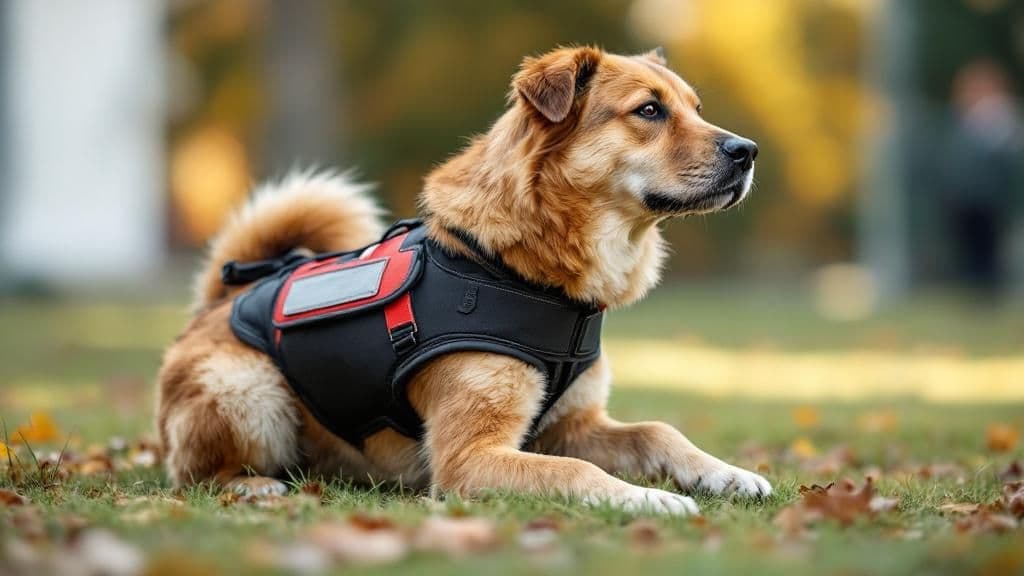
Unleash your dog's nose for life-saving medical alert work through simple scent games.
Starting scent work for medical alert training requires imprinting a target scent sample (collected during a medical episode) using cotton gauze, then rewarding your dog for investigating and alerting to that scent. Most dogs need 4-6 months of consistent daily training before achieving reliable medical alert behavior.
Imagine a world where your dog could let you know about a medical-training-foundations-for-medical-alert-dogs-1772906603205) event before you even feel the first symptom. For many people with conditions like diabetes, severe allergies, or PTSD, this isn't just a nice idea, it's a daily reality provided by a medical alert service dog. These incredible canines use their most powerful tool, their nose, to detect subtle biochemical changes in our bodies. The good news is that with patience, the right setup, and a methodical approach, you can start exploring this fascinating training path with your own dog. While training a fully reliable medical alert dog is a serious commitment often done with professional guidance, the foundational scent work can be built at home. This process strengthens your bond, provides excellent mental stimulation, and opens the door to a potentially life saving skill.
Understanding the Nose You're Working With
Before you place a single cotton ball in a jar, it's crucial to appreciate the instrument you're training. A dog's sense of smell is so profoundly different from our own that it's almost a separate sense entirely. Scent detection is a specialized skill where dogs are trained to identify and locate specific odors. It involves teaching dogs to recognize particular scents and alert their handlers when those scents are present.
This ability can be harnessed for everything from a fun backyard game of finding treats to the critical work of locating explosives, drugs, or, most relevant here, the unique scent of a medical event. The program is designed to take a puppy or adult dog from early scent recognition to final proofing, and the tools used have proven successful with hundreds of scent detection dogs worldwide. Your dog doesn't need to be a specific breed to start; they just need a nose and a motivation to work, usually driven by your very best dog treats or a favorite toy.
Gathering Your Toolkit and First Scents
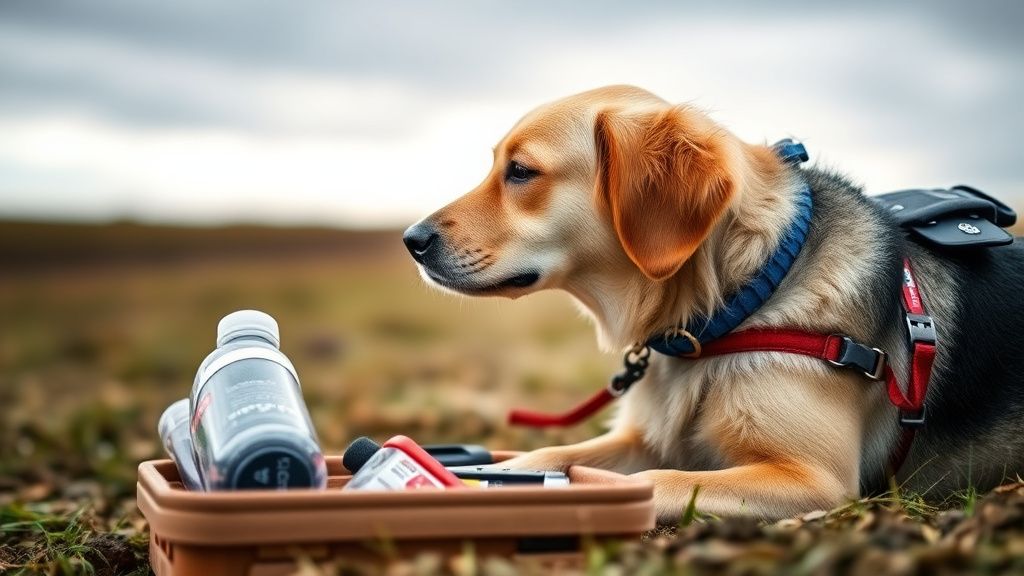
Jumping straight into training with your target medical scent is a common pitfall. As noted by experienced trainers, starting with a scent that isn't your medical alert scent while you're learning helps avoid creating false positives or negatives through poor setup and scent handling. This allows you to make mistakes without contaminating your crucial target odor.
Begin with a simple, distinct scent. Many programs, like the one outlined by Hunters Heart, suggest starting with something like a glove that smells like you. This makes the initial association easy and rewarding.
Here is what you'll need for your initial setup:
* Scent Vessels: Small, clean containers with holes, like a mint tin or a jar with a perforated lid. You'll need several.
* Scent Source Material: For early training, use a cotton ball, a cotton swab, or even a piece of an old t-shirt. For medical scent collection later, handlers often use items like unscented liner pads. As one handler shared, these are mostly just cotton and that way you can spare your clothes. Remember to collect multiple samples to ensure your dog alerts to the biochemical scent, not the smell of the pad itself.
* Handling Tools: Tweezers or hemostats for moving scent articles without contaminating them with your skin oils. As the AKC guide advises, place your tweezers in a plastic bag and seal it after use.
* Search Containers: Simple cardboard boxes, plastic cups, or even cones. Start with just 3 or 4.
* High Value Rewards: This is non negotiable. Use something your dog loves and *only* gets during scent work. This could be tiny pieces of fresh chicken, cheese, or a special treat from a monthly dog best dog subscription boxes that keeps things exciting.
* A Controlled Space: A quiet, low distraction area about 10 feet by 10 feet is perfect for beginning.
The Step by Step Foundation: Building the "Find It" Game
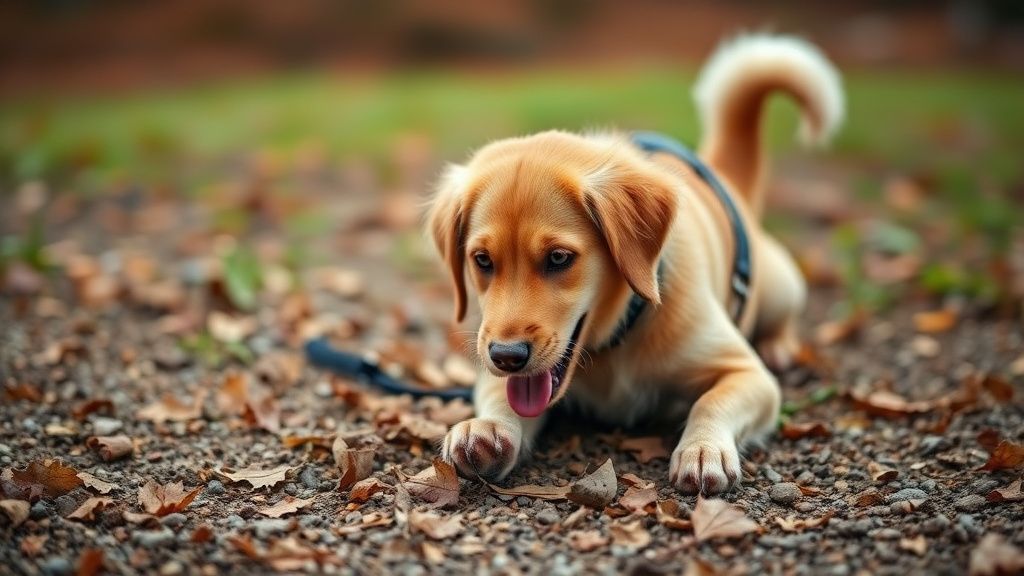
The core of all scent work is teaching your dog that locating a specific odor makes amazing things happen. We use a principle called errorless learning to build confidence. As the experts at Hunters Heart explain, don't start by offering 23 incorrect boxes in front of one correct one. Your dog's chance of failing is 96 percent. Instead, make sure your dog is watching from 1 foot away while you put food in a bowl and release him to find it.
Step 1: The Food AssociationPlace a single, open box in the middle of your space. With your dog watching, drop a high value treat into the box and give a release cue like "Find it!" Let your dog rush in and eat the treat. Repeat this several times until your dog is eagerly anticipating the search. You are building drive and a positive association with the box.
Step 2: Introducing the Scent VesselNow, take your chosen starter scent article, like a cotton ball with your scent on it, and place it in your scent vessel. With your dog watching, place the *empty* scent vessel in the box. Then, using your tweezers, drop the treat *right next to* the vessel. Say "Find it!" Your dog will go to the box, smell the vessel, and get the treat. The scent of the vessel is now part of the reward picture. Do this until your dog goes directly to the vessel.
Step 3: Moving the VesselBegin to make it slightly harder. Have your dog wait or turn around while you place the vessel in the box. Continue to place the treat right beside it. Then, start adding one or two more *empty* boxes to the area. Always place the treat only at the "hot" box with the scent vessel. This teaches the dog to search for the odor, not just run to any box.
Step 4: Removing the FoodThis is the critical shift. Place your scent vessel in a box without putting a treat in the box. Send your dog to search. The moment your dog's nose touches the vessel, mark with a "Yes!" or a click, and then deliver the reward *from your hand*. The treat is no longer in the field; it comes from you. This teaches the dog that finding the odor makes you produce the reward.
Shaping the Medical Alert Behavior
Once your dog is reliably finding and indicating (with its nose) on your starter scent, you can begin the careful transition to your target medical scent. This process requires meticulous hygiene to avoid contamination.
Collecting Your Scent SampleCollect samples during or immediately after a medical event, using clean, unscented materials like cotton pads or swabs. Store each sample in its own airtight glass jar. Label them clearly. It is wise to collect multiple samples from different events to ensure your dog generalizes the correct biochemical profile.
Transitioning the OdorSet up your training session with the new medical scent jar. Use fresh, clean tweezers and a brand new scent vessel. Follow the same errorless learning process you used at the very beginning. Start with one box, letting your dog see you place the vessel, and reward heavily at the source. You are teaching a new odor, so go back to kindergarten.
Choosing and Training the AlertAn alert is the specific behavior your dog does to tell you they've found the scent. Common alerts are a sustained stare, a nose nudge, or a sit. The key rule is this: indications should only happen on a hot box containing odor. Never practice the alert behavior on empty boxes; that's practicing false alerts.
To train it, wait at the hot box. The second your dog finds the scent and looks at you, lure them into your chosen alert position (like a sit) and reward instantly. With repetition, they will offer the sit automatically at the odor source, connecting the find with the specific alert behavior.
Avoiding Common Pitfalls and When to Seek Help
Scent training is a journey of patience. Moving too fast is the most common error. If your dog starts making mistakes, go back to an easier step where they can succeed. Always keep sessions short, positive, and fun. If you get frustrated, end the session with a simple game your dog knows.
Be incredibly careful with scent contamination. Have separate tools for your starter scent and your medical scent. Wash your hands thoroughly between handling different jars. As one trainer emphasizes, offer your pup an unscented cotton ball in a jar. If your dog does not react or hesitates to respond, reward them, but if your dog offers an alert behavior, ignore it and do not reward. This teaches them to only alert to the target odor.
While foundational work can be done at home, training a dog for a critical medical alert is a complex undertaking. Consider enrolling in a structured online program. Resources like the Delta Tails Scent Program teach service dog handlers to train their own detection dog to alert to allergens or medical events with independence and accuracy. Other options include courses from Fenzi Dog Sports Academy or local AKC club workshops. These provide the structured progression and professional feedback often needed for reliability.
Final Thoughts
Starting scent work for medical alert training is a profound way to connect with your dog and explore the incredible potential of their natural abilities. It begins with a simple game of "find it" and can, with dedication and proper guidance, develop into a deeply impactful skill. Remember to celebrate the small victories along the way, every correct find is a step forward. Keep your training sessions light, use the most motivating rewards you can find, maybe even from that new dog food delivery service you've been wanting to try, and always prioritize your dog's confidence. Whether your goal is to build a fully certified medical alert partner or simply to engage your dog's amazing mind, the journey of scent work will deepen your mutual understanding and trust in ways you never imagined.
Recommended Products


Find the Perfect Box for Your Dog
Compare top-rated dog subscription boxes and find the best fit for your pup.
Compare Boxes