Track Your Puppy's Growth by Breed Size

Track your pup's growth by breed size! Small dogs mature faster, while giant breeds may grow for up to two years.
Your puppy's growth timeline depends almost entirely on their breed size. Small breed dogs often finish growing by 8-12 months, while large breeds like Golden Retrievers may take 14-18 months. Giant breeds, such as Great Danes, can continue growing until they are 12 to 18 months old.
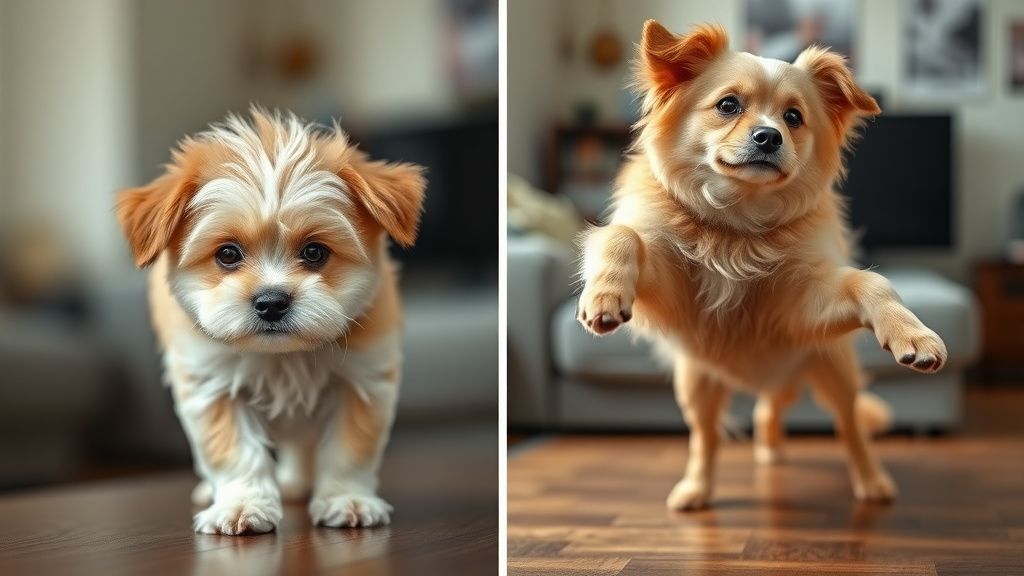
Watching your puppy grow is one of the most rewarding parts of being a dog parent. One day they're a tiny ball of fluff stumbling over their own paws, and seemingly the next, they're towering over the coffee table. It happens so fast, yet it also feels like a long journey filled with questions. "Is he supposed to be this lanky?" "Why are her paws still so huge?" "When will my dog stop growing?" I've asked these same questions with every puppy I've welcomed into my home. The truth is, there's no single answer, because a Chihuahua and a Mastiff follow completely different blueprints. Getting a good estimate of your puppy’s ideal adult size and growth rate can be tricky, as several factors influence each individual dog, including their breed or size, sex, and diet. This guide will walk you through puppy growth charts by breed size, using expert backed insights to help you understand what to expect every step of the way.
How Do Breed Sizes Influence Growth?
Dogs of different sizes don't just end up bigger or smaller, they grow on fundamentally different schedules. A larger dog takes more time than a smaller one to reach full adult size because those bigger bones need more time to develop. Think of it like building a house. A cottage can be finished much quicker than a mansion. The core framework simply requires more time and materials.
The general categories break down like this:
* Small Breeds (under 25 lbs adult weight): Think Dachshunds, Pomeranians, bulldog" class="text-yellow-600 hover:text-yellow-700 underline">French Bulldogs. These little dynamos experience rapid growth early on and tend to reach their full size surprisingly quickly.
* Medium Breeds (25-50 lbs adult weight): This group includes breeds like collie" class="text-yellow-600 hover:text-yellow-700 underline">Border Collies and Cocker Spaniels. They follow a middle of the road timeline, not as fast as the tiny breeds but quicker than the big ones.
* Large Breeds (50-100 lbs adult weight): If you have a large dog like a golden retriever or German shepherd, don't expect them to stop growing in less than a year. Many large breeds can take 14 to 18 months to reach their full adult weight.
* Giant Breeds (over 100 lbs adult weight): Great Danes, Newfoundlands, and Saint Bernards are in a league of their own. Giant breed puppies grow until they are 12 to 18 months old. Their prolonged growth period is why nutrition is so critical for them.
A Month-by-Month Puppy Growth Timeline
While every puppy is an individual, certain milestones are common across the board. This timeline gives you a general map of what to expect during that first transformative year.
Birth to 8 Weeks: The Neonatal and Socialization PhasePuppies grow fastest during their first eight weeks. They're completely dependent on their mother, but their senses are developing at an incredible rate. This period is less about your direct involvement in growth and more about ensuring they are with a responsible breeder or shelter that provides a healthy, stimulating start.
2 to 6 Months: The Rapid Growth Phase
This is when you'll see the most dramatic changes. Your puppy will seem to get bigger overnight. They still experience rapid growth until they're about six months old. By the 7th month, your puppy should have all 42 of their adult teeth and look very much like a miniature adult. This is also the classic "awkward teenager" phase for many breeds, where legs seem too long and coordination is optional. It's a crucial time for positive training and socialization.
6 to 12 Months: The Slowing Down PhaseAfter the six month mark, the growth rate slows and begins to taper off. For small breeds, this is the final stretch, and they will likely reach their adult size by their first birthday. Medium breeds are also wrapping up. Large and giant breeds, however, are just shifting gears. They're filling out, gaining muscle, and their chests are deepening, but they are still adding height and length.
12 to 18+ Months: The Filling Out PhaseSmall and medium dogs are fully grown by now. For large and giant breeds, this is the final chapter of development. A large breed like a Labrador might hit its adult height around 12 months but continue to add chest width and muscle mass for another several months. Giant breeds are finally completing their bone growth and maturing into their impressive adult frames. Their energy needs may start to stabilize, signaling a transition from puppy food to adult formulas.
How Can You Predict Your Puppy's Adult Size?
You can make an educated guess about your puppy's final size, which is helpful for planning everything from crate purchases to food budgets. Here are the most reliable methods.
For Purebred Puppies
Your best tool is the breed standard. Reputable breeders should be able to show you the size of the puppy's parents, which is a strong indicator. You can also reference breed specific growth charts. Research from the WALTHAM Petcare Science Institute provides excellent frameworks that show how, for example, a Labrador Retriever puppy might reach 76% of its mature weight by eight months, and 96% by 12 months.
For Mixed Breed Puppies
This is where detective work comes in. A DNA test can identify breed makeup, giving you a spectrum of sizes to consider. The "paw rule" is a fun old wives' tale, it suggests that oversized paws indicate a puppy has more growing to do. While not scientifically precise, it often holds a kernel of truth, especially for large breed mixes. The most practical method is to track their weight. Use a puppy weight calculator tool, which uses formulas based on growth rates at specific ages, to get an estimate.
What Factors Can Affect My Puppy's Growth?
Several key elements can influence how your puppy grows, sometimes causing them to deviate from the average chart.
* Nutrition: This is the foundation. A diet that is balanced and complete for your puppy's specific size is non negotiable. Large and giant breed puppies need carefully calibrated calcium and phosphorus levels to support steady bone growth without promoting issues. The rise of tailored options like fresh dog food delivery services makes it easier than ever to provide optimal nutrition that adapts as they grow.
* Neutering/Spaying: Early sterilization, especially before physical maturity, can affect growth plates and sometimes lead to slightly taller but less muscular stature. Discuss the ideal timing with your vet, considering your dog's breed size and health.
* Health and Environment: Illnesses, parasites, or even significant stress can temporarily stall growth. A safe, loving, and low stress home is part of good care. If your puppy seems unusually anxious during this developmental period, our dog anxiety guide offers supportive strategies.
* Genetics: Ultimately, your puppy's genetic code is the master plan. They will generally grow to fit the blueprint of their breed and lineage.
How to Support Healthy Growth at Every Stage
Your role is to be the supportive guide, providing the right resources at the right time.
Choose the Right FoodSelect a puppy food formulated for your dog's expected adult size. Feed measured meals rather than free feeding to maintain a proper growth curve. As they transition to adult food, usually between 9-16 months depending on size, do it gradually over 7-10 days.
Monitor Weight and Body ConditionWeigh your puppy regularly. More important than the number on the scale is their body condition. You should be able to feel their ribs with a slight fat covering, and see a waist when looking down from above. Your vet is your best partner in assessing this.
Practice Controlled ExerciseAvoid forced, repetitive exercise like long jogs on pavement, which can stress developing joints. Focus on multiple short, playful sessions and mental stimulation. Training games and puzzle toys are perfect.
Make Milestones PositiveUse growth milestones as training opportunities. Teething calls for durable chew toys. Increased size and strength mean reinforcing polite leash manners. Celebrate each phase with appropriate rewards, like training treats from a best dog subscription boxes service that introduces new, safe flavors.
Final Thoughts
The journey from wobbly puppy to confident adult dog is a finite, precious time. While charts and timelines are invaluable guides, remember that your dog is an individual. Some may sprint to the finish line, others amble. The most important thing isn't rushing the process, but providing a foundation of top quality nutrition, appropriate veterinary care, and lots of loving patience. Pay attention to the signals your dog gives you. When those puppy proportions finally even out and their energy levels stabilize from the puppy frenzy, you'll know they've settled into their wonderful adult self. Enjoy every step of the way.
Recommended Products


Find the Perfect Box for Your Dog
Compare top-rated dog subscription boxes and find the best fit for your pup.
Compare Boxes