Proactive Vet Care for a Healthier 2026
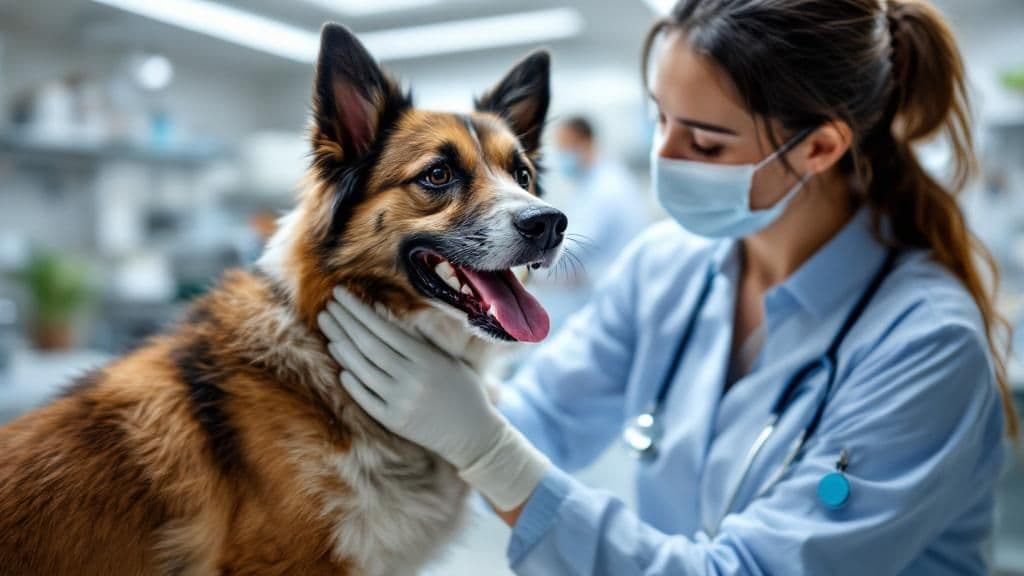
Unlock a healthier 2026 for your pet with proactive vet care that prevents problems before they start.
Proactive preventative vet care in 2026 means treating wellness exams and screenings as non-negotiable investments rather than optional expenses. Biannual checkups, annual bloodwork, dental cleanings, and breed-specific screenings catch 85% of health issues earlier, costing a fraction of emergency treatment.
As we look ahead to 2026, the future of dog care is bright, and it’s centered on one powerful idea: prevention. The old model of waiting for a problem to arise before visiting the vet is fading fast. Instead, a proactive approach focused on regular wellness and early detection is taking center stage. This isn’t just about adding years to your dog’s life, though that’s a wonderful benefit. It’s about adding vibrant, healthy life to those years. I’ve seen firsthand how dogs with owners who prioritize preventative care maintain their spark and vitality well into their senior years. This year, let’s make a collective resolution to shift from reactive to proactive. By partnering with your veterinarian and embracing some of the exciting trends on the horizon, you can set your best friend up for a healthier, happier 2026.
The Cornerstone of Prevention: Your Annual Vet Exam
Think of your dog’s annual veterinary exam as the most important appointment of the year. It’s the foundation upon which all other preventative care is built. The American Animal Hospital Association (AAHA) emphasizes that regular wellness exams are critical for maintaining optimal health. This visit is far more than just a quick checkup and a vaccine booster. It’s a dedicated time for a thorough physical assessment and an open dialogue about any concerns you might have.
During this exam, your veterinarian will perform a nose-to-tail assessment, checking your dog’s weight, listening to their heart and lungs, examining their teeth, eyes, and ears, and feeling their joints and abdomen. This hands-on evaluation can uncover subtle signs of issues long before they become serious problems. Perhaps they’ll notice a slight heart murmur, early signs of dental disease, or a small lump you hadn’t felt. These annual exams are vital because they allow your vet to establish a baseline for what’s normal for your individual dog. Any deviation from that baseline in future years becomes a significant clue.
To make the most of this visit, come prepared. Jot down any changes you’ve noticed in your dog’s behavior, appetite, water consumption, or energy levels. Even small shifts can be meaningful. Discuss your dog’s diet and exercise routine. Ask about which bloodwork or screenings your vet recommends based on your dog’s specific age and breed. This collaborative conversation is the heart of proactive care.
Building Your 2026 Preventative Care Checklist

An annual exam is the starting point, but true preventative care is a year round commitment. Let’s break down the essential elements into a practical checklist you can implement this coming year.
Parasite Prevention: Non Negotiable Protection
Parasites are more than a nuisance. They can transmit serious, even fatal, diseases. A core tenet of preventative vet care is staying current on parasite prevention. This includes monthly preventatives for heartworm, fleas, and ticks. As Shiloh Veterinary Hospital highlights, scheduling your parasite prevention refills should be a top priority. With changing climates and travel patterns, many parasites are active year round in various regions. Your veterinarian can advise on the best protocol for your area and your dog’s lifestyle.
Dental Health: Beyond Fresh Breath
Dental disease is one of the most common yet preventable issues in dogs. It doesn’t just cause bad breath and tooth pain. Bacteria from the mouth can enter the bloodstream and damage the heart, kidneys, and liver. Your vet will likely recommend a professional dental cleaning under anesthesia at least once a year. This allows for a complete cleaning below the gumline, where the most dangerous plaque hides. Between cleanings, daily tooth brushing is the gold standard. If that’s a challenge, consider dental chews approved by the Veterinary Oral Health Council (VOHC) or water additives. A dog best dog subscription boxes can be a great way to consistently receive vet approved dental treats and chews to support this effort.
Nutrition & Weight Management: Fuel for Health
What you feed your dog is a form of medicine. A balanced and complete diet appropriate for their life stage is fundamental. Obesity is a massive health risk for dogs, leading to arthritis, diabetes, and respiratory issues. Work with your vet to determine your dog’s ideal weight and create a plan to achieve it. This might involve measuring meals precisely, choosing a diet formulated for weight management, and increasing exercise. Dog food delivery services that offer pre portioned, fresh meals can be an excellent tool for managing dog calorie calculator intake with top quality ingredients. Remember, even a small weight reduction can make a huge difference in your dog’s comfort and mobility.
Vaccinations & Breed Specific Screenings
Vaccinations protect against contagious and dangerous diseases like parvovirus, distemper, and rabies. Your vet will tailor a vaccine schedule based on your dog’s age, health status, and local risks. Furthermore, many breeds are predisposed to certain conditions. Discuss with your vet which screenings are recommended. For example, a cardiac ultrasound for a Cavalier King Charles Spaniel or hip X-rays for a large breed dog. These screenings are a proactive way to catch and manage breed specific concerns early.
The 2026 Landscape: Tech, Trends, and Holistic Care

The field of veterinary medicine is evolving rapidly, and 2026 promises to bring even more tools to our preventative care toolkit. The future is about proactive wellness and early detection, and technology is key to helping vets work smarter and pet parents stay more connected.
Innovations are transforming how we prevent disease and manage chronic conditions. We’re seeing advances in areas like gene therapies and microbiome science. Imagine personalized nutrition plans based on your dog’s unique gut bacteria, or advanced screenings that can predict disease risk years in advance. Wearable tech for dogs is also becoming more sophisticated, monitoring everything from activity levels and sleep patterns to heart rate variability, providing a constant stream of data to spot trends. While these gadgets are impressive, their ultimate goal is simple: better health and happier pets.
Alongside high tech, a holistic, whole dog approach continues to gain momentum. This philosophy looks at your dog’s physical health, mental stimulation, emotional wellbeing, and environment as interconnected pieces. Annual holistic vet visits are becoming more common, focusing on nutrition, lifestyle, and natural support alongside conventional medicine. Some families use wellness journals to track their senior dog’s appetite, mood, and mobility, creating a valuable record for their vet.
Supplementation is a big part of this trend. Supplements are no longer reserved for senior dogs with visible health issues. They are now part of everyday routines designed to support digestion, mobility, skin health, and more before problems arise. When choosing supplements, always consult your veterinarian. They can recommend specific, research backed products that address your dog’s individual needs, whether it’s a probiotic for digestive support or glucosamine for joint health.
Making Proactive Care Affordable and Sustainable
I understand that the cost of care can be a concern. Advanced medical treatments can strain budgets. However, a proactive preventative plan is actually one of the most financially savvy decisions you can make. Catching a problem early, like a dental issue or early kidney disease, is almost always less expensive than treating the advanced, emergency stage of that same condition.
To manage costs, consider these options gaining traction. Pet health insurance can help cover unexpected illnesses and accidents. Perhaps more aligned with a preventative model are veterinary subscription health plans. These plans operate on a proactive, preventive care model. You pay a predictable, regular monthly fee that covers routine services like annual exams, vaccinations, and parasite prevention. This spreads the cost over time and removes financial barriers from keeping up with essential care.
You can also be proactive at home in cost effective ways. Consistent exercise, mental enrichment with puzzle toys, and maintaining a stable routine all contribute to overall health. Investing in a durable chew toy from a dog subscription box can save money on furniture repairs and provide hours of healthy stress relief for your pup. Remember, the best dog treats are often simple. Pieces of fresh apple, carrot, or plain cooked chicken can be perfect for training and bonding without extra cost or calories.
Final Thoughts
Committing to proactive preventative vet care for 2026 is one of the greatest gifts you can give your dog. It’s a commitment to partnership with your veterinarian, a commitment to observation and daily care, and a commitment to embracing the tools and knowledge available to us. Start by scheduling that annual exam if you haven’t already. Use that visit to build your personalized checklist for the year ahead. Explore the options, from tech wearables to subscription plans, that might work for your family. The goal is not to achieve perfection, but to create a consistent, loving framework of care that allows your dog to thrive. Here’s to a year filled with health, joy, and countless tail wags for you and your four legged family member.
Recommended Products


Find the Perfect Box for Your Dog
Compare top-rated dog subscription boxes and find the best fit for your pup.
Compare Boxes