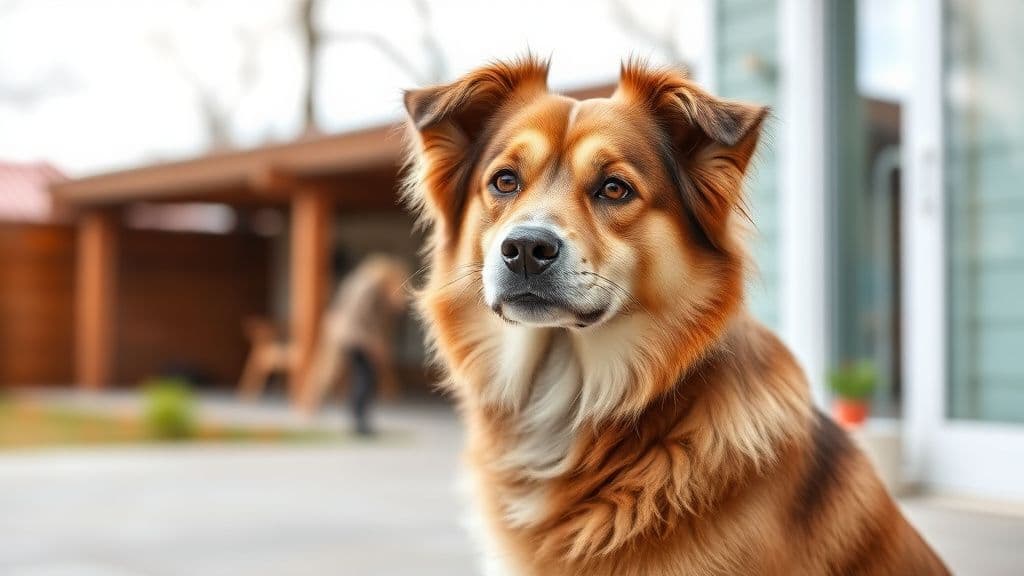
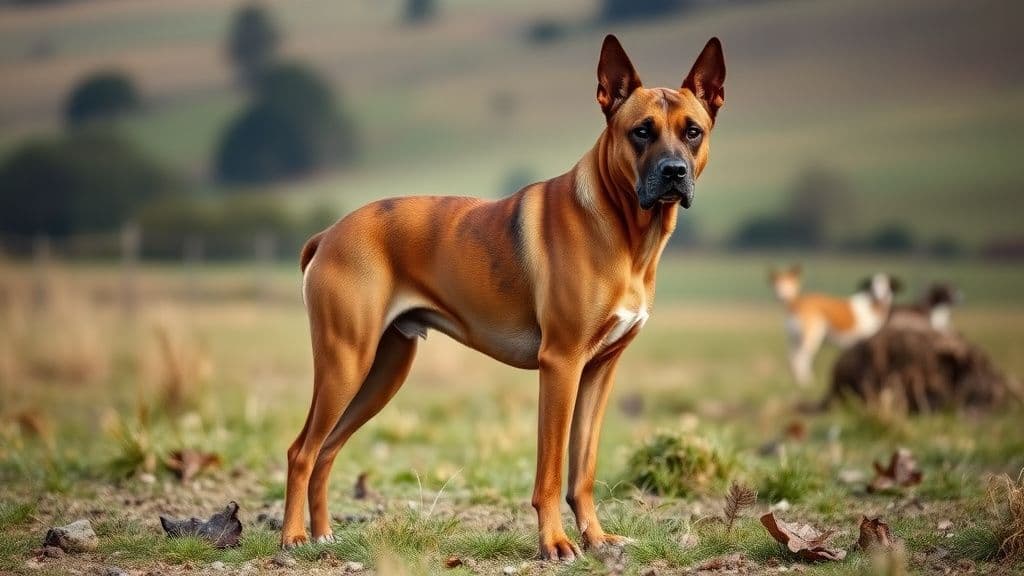
15 Dog Breeds That Live Past 15

Discover breeds like the Chihuahua and Australian Cattle Dog, living vibrant lives well beyond 15 years.
The longest living dog breeds are typically small to medium sized, with Chihuahuas, Dachshunds, Toy Poodles, and Pomeranians often living past 15 years. The record for the oldest dog ever is held by an Australian Cattle Dog named Bluey, who lived to 29 years, and a Portuguese Rafeiro do Alentejo named Bobi, who lived to be 31 years and 165 days old.
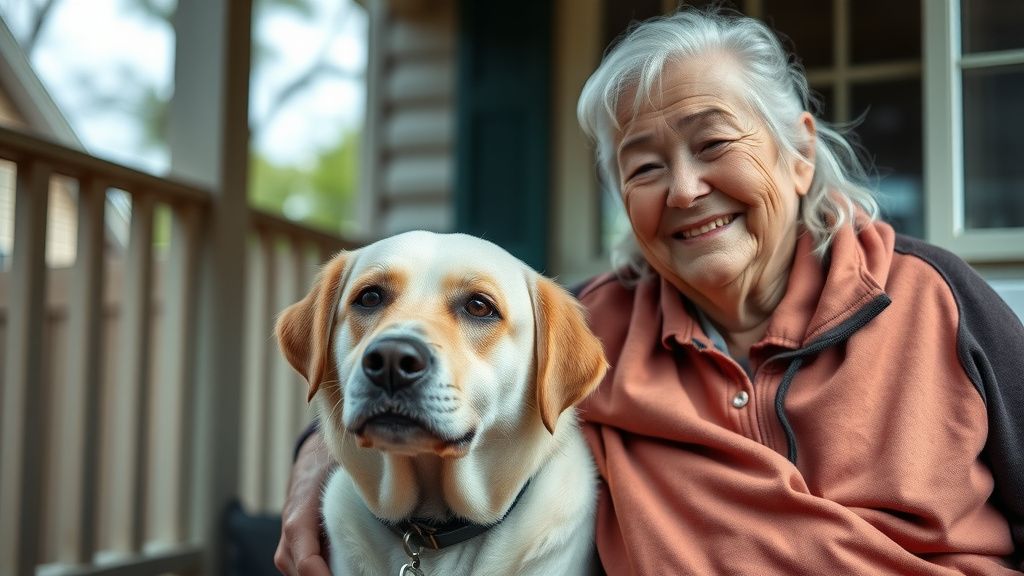
Imagine sharing over a decade and a half of your life with a loyal, furry friend. For many dog lovers, the dream isn't just about bringing home a puppy, it's about welcoming a companion for the long journey ahead. While genetics play a starring role, the length and quality of your dog's life is also a story you help write through daily care, nutrition, and love. I've seen firsthand how the right choices can help a dog thrive well into their senior years.
This guide explores 15 dog breeds celebrated for their impressive lifespans, often reaching 15 years and beyond. We'll also look at the practical, actionable steps you can take to support a long and healthy life for your dog, no matter their breed.
What Dog Breeds Live the Longest?
The quest for a long lived canine companion often leads to smaller packages. Generally, smaller dog breeds tend to outlive their larger counterparts. The research consistently highlights a group of breeds that are statistical standouts for longevity. Here are 15 dogs known for their potential to be longtime companions.
Chihuahua: Topping multiple lists, the Chihuahua is a longevity champion. Many live past 15 years, with some reaching 18 to 20. Their tiny size and generally low risk of genetic diseases contribute to this. Dachshund: These loving, distinctive dogs are noted for their long lifespans. With an average around 15 years, their spirited personality is a gift that keeps on giving for a long time. Toy Poodle & Miniature Poodle: Poodles are not just clever, they are built to last. The smaller varieties often enjoy lifespans of 14 to 16 years, thanks to their athletic build and overall good health. Pomeranian: Don't let the fluff fool you, Poms are tough little dogs with big lifespans. They frequently live well over 15 years, packing decades of lively spirit into a small frame. Shih Tzu: A beloved companion breed, the Shih Tzu has a very long lifespan, typically ranging from 10 to 16 years. Their longevity is linked to responsible breeding practices. Jack Russell Terrier: Bred for work and endurance, the Jack Russell's energy seems to fuel a long life. They are commonly part of the 15 plus year club. Lhasa Apso: Originally temple sentinels, these dogs are known for their longevity. With proper care, they regularly live into their mid to late teens. Maltese: The silky white coat of the Maltese is often seen for 15 years or more. They are another small breed with a historical reputation for a long life. Beagle: Generally medium sized, Beagles offer a great balance. Their average life expectancy is a solid 10 to 15 years, making them a durable family friend. Australian Cattle Dog: This breed holds a special place in the record books. An Australian Cattle Dog named Bluey holds the verified record, reaching an incredible 29 years of age. While that's extraordinary, the breed normally lives for a respectable 15 years or so. Miniature Schnauzer: These charismatic dogs with their distinctive eyebrows are known for their robustness. They commonly live 12 to 15 years. Yorkshire Terrier: The "Yorkie" is another tiny breed with a long potential lifespan. It's not unusual for them to live 14 to 16 years with good care. Papillon: Recognizable by their butterfly like ears, Papillons are agile and healthy dogs that often enjoy lifespans of 14 to 16 years. Pug: With their comical faces, Pugs live on average 12 to 15 years. Be ready for a long term relationship filled with snorts and cuddles. Rat Terrier: An energetic and hardy breed, the Rat Terrier is often celebrated for its health and longevity, frequently living 15 to 18 years.How Can You Help Your Dog Live a Long Life?
Choosing a breed prone to longevity is just the first step. Your daily actions are the most powerful factor in your dog's health span. Think of it as building a foundation of wellness, brick by brick, every single day.
Focus on Nutrition and Weight Management
What your dog eats is the fuel for their entire body. A balanced and complete diet appropriate for their age, size, and activity level is non negotiable.
* Avoid Overfeeding: This is critical. Veterinarians repeatedly cite obesity as a major threat to a dog's lifespan and quality of life. Breeds like Pugs are noted as eager eaters who can easily gain weight. Use a measured cup, follow feeding guidelines, and adjust based on your dog's actual condition, not just their appetite.
* Consider Quality Food Delivery: Consistency is key. Services that deliver pre portioned, top quality fresh dog food or freeze-dried dog food take the guesswork out of feeding. They ensure your dog gets the right nutrients without the temptation to overfeed from a giant bag. It’s a convenient way to commit to their nutritional health.
* Treats Are Part of the Diet: Those training treats and dental checks add up. Opt for healthy, low calorie options and always factor treats into their daily calorie intake. Subscribing to a service like best dog subscription boxes can be a fun way to discover new, wholesome treats in controlled quantities.
Prioritize Preventative Veterinary Care
Regular check ups are not just for when your dog is sick. They are the early warning system that can catch problems before they become serious.
* Stick to a Vaccination and Parasite Prevention Schedule.
* Discuss Breed Specific Screenings: Your vet can advise on any genetic conditions common to your breed that should be monitored.
* Don't Skip Dental Cleanings: Dental disease affects overall health, including the heart and kidneys. Professional cleanings and at home dental care are vital for long term wellness.
Commit to Mental & Physical Exercise
A bored dog is an unhappy dog, and stress can impact health. Physical and mental stimulation are both crucial.
* Tailor Exercise to Breed: A Jack Russell Terrier needs a lot more vigorous activity than a Shih Tzu. Match their exercise to their natural energy levels to keep them fit and satisfied.
* Engage Their Brain: Food puzzles, training sessions, and nose work games tire a dog out mentally, which is just as important as physical exercise. This is especially key for intelligent, long lived breeds that need to stay engaged as seniors.
* Manage Stress: A calm dog is a healthy dog. Changes in routine, loud noises, or being left alone can cause anxiety that affects their wellbeing. For dogs that struggle with separation, our dog anxiety guide offers helpful strategies to create a more peaceful home.
What Are the Common Traits of Long Lived Breeds?
Looking at our list of 15, some interesting patterns emerge. While every dog is an individual, these general characteristics are often shared by breeds with longer lifespans.
Smaller Size: This is the most consistent factor. Smaller bodies generally experience less strain on joints and organs and may have slower metabolic rates associated with longer life. Purpose Bred for Stamina: Many longer lived breeds were originally bred for active jobs like hunting vermin (Jack Russells, Dachshunds) or herding (Australian Cattle Dogs). This history selected for strong, resilient constitutions. Fewer Extreme Physical Traits: Breeds with very flat faces (brachycephalic breeds) like Pugs are an exception on the list and come with specific health caveats, like difficulty in heat. Generally, breeds with more moderate, functional anatomy face fewer inherent physical challenges.Are There Any Guarantees with a Long Lived Breed?
It is essential to understand that a breed's average lifespan is just that, an average. The research sources are careful to state this. The list is "by no means an all inclusive list, and there's no guarantee that your dog will live for this long, even if it's one of the breeds below."
The story of Bluey the 29 year old Australian Cattle Dog and Bobi the 31 year old Portuguese Rafeiro are extraordinary outliers. They show what is biologically possible, but they are not the standard. Your specific dog's life will be shaped by a unique combination of genetics, the care you provide, and a little bit of luck. The goal is not to chase a record, but to provide the best possible life for every single year you have together.
Final Thoughts
Bringing a dog into your life is a commitment measured in love and time. Opting for a breed known for its longevity increases the odds you'll have more of both. Whether it's the tiny Chihuahua, the lively Dachshund, or the hardy Jack Russell, these breeds offer the beautiful potential for a companionship that spans many chapters of your life.
Remember, that potential is nurtured by your choices. Providing a balanced diet, maintaining a healthy weight, keeping up with vet care, and offering plenty of love and stimulation are the real secrets to a long, happy life. It's about the daily walks, the careful meals, and the cozy cuddles on the couch. By focusing on these things, you're not just adding years to your dog's life, you're adding life to their years. And that is the most rewarding goal of all.
Recommended Products



Find the Perfect Box for Your Dog
Compare top-rated dog subscription boxes and find the best fit for your pup.
Compare Boxes