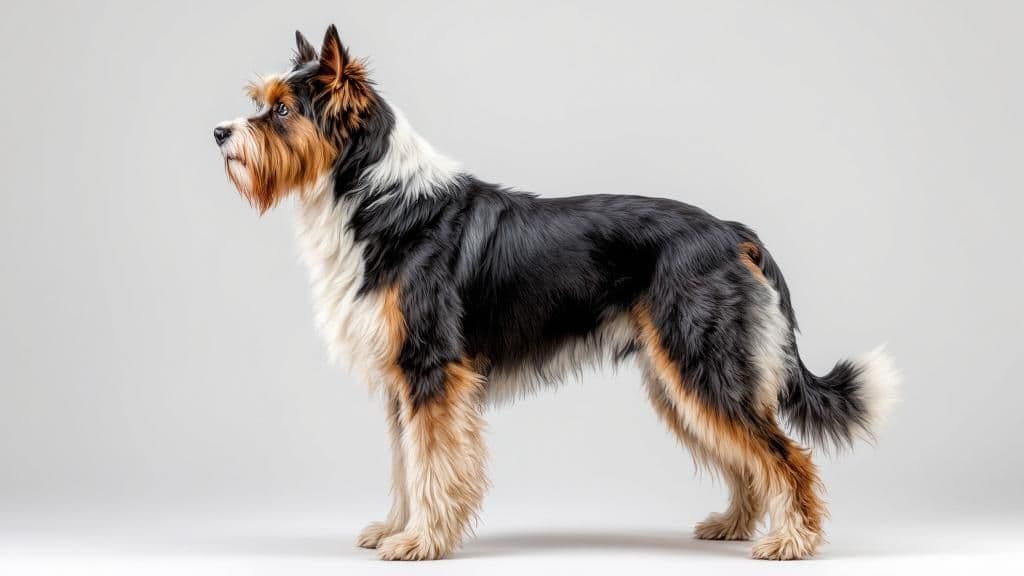
Top Apartment Dog Breeds For 2026
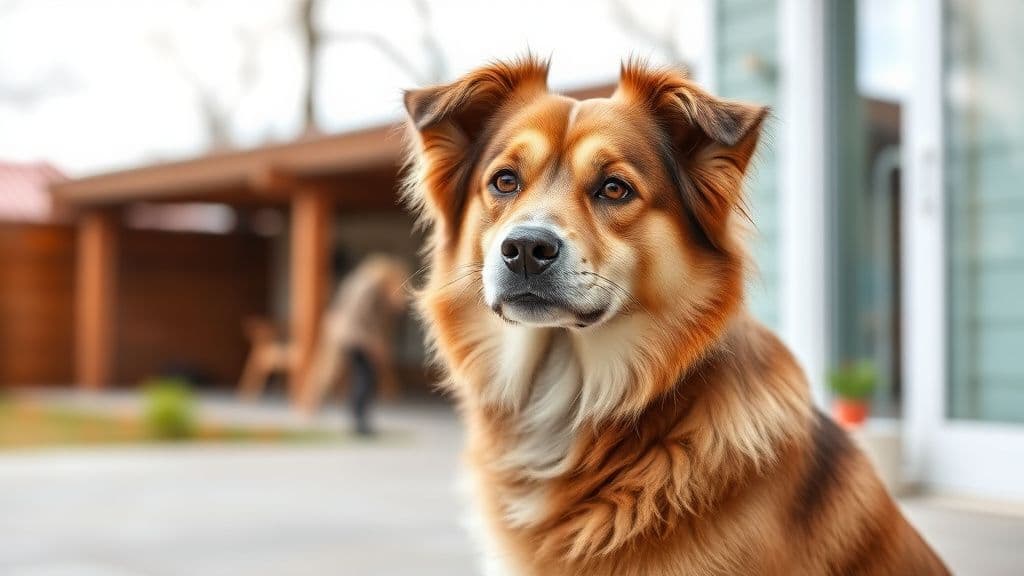
Discover the top apartment friendly dog breeds for 2026, where temperament and energy level are key, not size.
The best dog breeds for apartments in 2026 are not defined by size alone, but by temperament, energy level, and adaptability. Top contenders include calm large breeds like Greyhounds and Great Danes, as well as adaptable smaller breeds like French Bulldogs and Cavalier King Charles Spaniels. Success hinges more on meeting the dog's exercise and mental needs than on square footage.
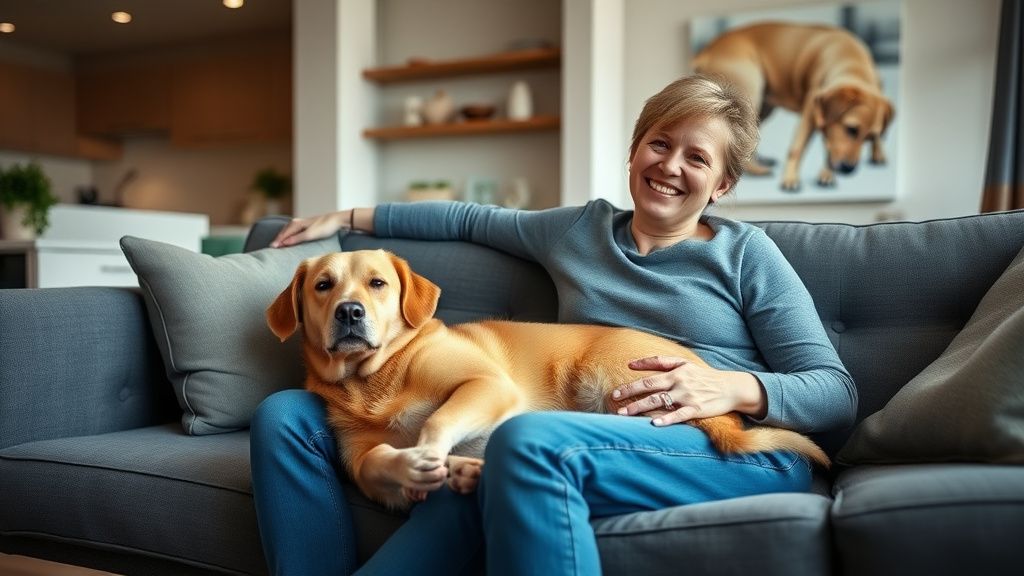
Finding a furry companion to share your apartment life can feel like a puzzle. You might have heard that only small dogs can thrive in compact spaces, but that's a myth we're happy to bust. The truth is, a dog's suitability for apartment living has less to do with their weight and more to do with their personality, energy level, and how well their needs align with your lifestyle. A tiny, high-strung terrier can be far more disruptive than a giant, couch-loving gentle giant. This guide is built on expert insights and real-world experiences to help you look beyond size and find the perfect four-legged roommate for your urban oasis.
What Really Makes a Dog "Apartment Friendly"?
Before we list specific breeds, let's define the key traits that make a dog a good fit for close quarters. These characteristics are what you should prioritize in your search.
* Temperament: A calm, adaptable, and easygoing disposition is golden. Dogs that are prone to anxiety or are easily startled by hallway noises may struggle.
* Energy Level: This is arguably the most critical factor. A dog with moderate to low exercise needs is often a better fit than a high-energy breed that requires miles of running daily. As the American Kennel Club notes, many large breed dogs have lower activity levels and are perfectly content lounging.
* Trainability: A dog that is eager to please and quick to learn basic commands and house rules will make your life much easier. Consistent training is non-negotiable in shared living spaces.
* Vocalization: While any dog can bark, breeds known for being less vocal or having a softer bark are generally better neighbors. A dog anxiety guide can be a great resource if barking stems from stress.
* Size Relative to Space: While a Great Dane can be an excellent apartment dog, you do need to be practical. Ensure you have enough floor space for them to stretch out and move around comfortably.
Which Dog Breeds Excel in Apartment Living?
Based on our research from sources like the Scotsman, AKC, and Highland Canine Training, here are standout breeds that consistently top the list for apartment dwellers. You'll notice a fascinating mix of small, medium, and surprisingly large dogs.
Surprising Large Breeds That Are Apartment Pros
Don't let their stature fool you. These big dogs are often the ultimate apartment couch potatoes.
* Greyhound: The poster child for "size does not matter." Reddit users and experts alike praise Greyhounds as gentle, quiet, low-shedding, and low-energy dogs. Many are happy to sleep 18-20 hours a day, making them ideal for someone who works regular hours. As one Redditor put it, their temperament means "it doesn't particularly matter what size they are."
* Great Dane: Known as the "heartbeat at your feet," Great Danes are incredibly gentle giants. They form strong bonds and are usually content to be near their humans. Their exercise needs are moderate, a couple of good walks and some playtime are often sufficient. Their calm nature can be a better fit than a small, yappy dog.
* Whippet: Featured in the Scotsman's 2026 list, Whippets are like smaller, slightly more energetic Greyhounds. They love a good sprint but are famously quiet and spend most of their time curled up in a cozy spot. Their short coat is also low maintenance.
Top Small & Medium Breeds for Compact Spaces
These breeds combine manageable size with the right temperament for city life.
* bulldog" class="text-yellow-600 hover:text-yellow-700 underline">French Bulldog: A perennial favorite, Frenchies are affectionate, have minimal exercise requirements, and are relatively quiet. Their sturdy build and charming personality make them wonderful companions. Just be mindful of their potential for breathing issues in very hot weather.
* Cavalier King Charles Spaniel: This breed is the definition of a lap dog. They are affectionate, gentle, and highly adaptable. A few walks and plenty of cuddle time will keep a Cavalier perfectly happy.
* Boston Terrier: The friendly and intelligent "American Gentleman" is another great choice. They are more energetic than a Frenchie but still have manageable needs and a generally quiet nature.
* Pug: Similar to French Bulldogs, Pugs are loving clowns who thrive on human companionship. Their main goal is to be with you, making them excellent for apartment bonding.
How Can You Successfully Raise Any Dog in an Apartment?
Breed gives you a head start, but your daily actions determine true success. As highlighted in a Reddit discussion, one user successfully kept a collie" class="text-yellow-600 hover:text-yellow-700 underline">Border Collie and an Australian Shepherd happy in an apartment through dedicated exercise and training. The breed matters less than how well you meet its needs.
Creating a Routine is Non-Negotiable
Dogs thrive on predictability. Establish and stick to a schedule for:
* Morning and evening walks: These are for exercise and crucial potty breaks.
* Designated meal times: This helps with potty training and overall digestion. Consider convenient options like fresh dog food delivery to ensure top quality nutrition without the grocery store trip.
* Play and training sessions: Even 15 minutes of focused mental work can tire a dog out more than a long walk.
Mastering the Art of Mental Stimulation
Physical space is limited, but mental space is infinite. A bored dog is a destructive dog.
* Use puzzle feeders and snuffle mats for meals.
* Practice short, positive reinforcement training sessions daily.
* Rotate a selection of chew toys and interactive toys to keep things interesting. A monthly best dog subscription boxes can be a fantastic way to automatically deliver new, engaging toys and treats right to your door.
Being a Considerate Neighbor
This is part of responsible pet ownership in shared buildings.
* Address barking promptly. Never let a barking episode go unchecked. Identify the trigger (boredom, alert, anxiety) and work on it.
* Use rugs or carpets to dampen the sound of footsteps, especially for larger dogs.
* Always clean up immediately in communal areas and use the designated pet relief zone if your building has one.
What Are the Common Pitfalls to Avoid?
Even with the best intentions, apartment dog owners can stumble. Here’s what to watch for.
* Underestimating Exercise Needs: Assuming a small dog or a lazy-looking breed needs no exercise is a mistake. Every dog needs daily activity tailored to its breed. A lack of it leads to weight gain and behavioral issues.
* Ignoring Socialization: Apartments mean elevators, lobbies, and close quarters with strangers and other dogs. Proper socialization from a young age is critical to prevent fear or aggression.
* Choosing the Wrong Breed for Your Lifestyle: Be brutally honest with yourself. If you love weekend hikes, a low-energy Bulldog might not be your match. If you work 12-hour days, even a calm Greyhound will be lonely. Use our dog breed selector tool to help match your lifestyle with breed traits.
* Skipping Crate Training: A crate provides a safe den for your dog and prevents mischief when you're not home. It’s a valuable tool for potty training and creating boundaries.
Final Thoughts
Choosing a dog for your apartment in 2026 is an exciting journey that requires you to look past the tape measure. Focus on the individual dog's heart and mind, their need for companionship, their capacity for calm, and their ability to adapt. Whether you find your perfect match in a serene Great Dane or a cheerful Cavalier King Charles Spaniel, remember that your commitment to their physical and mental well-being is the ultimate key to harmony. With the right preparation, routine, and plenty of love, your apartment can become the perfect home for a wonderful dog, no matter their size.
Recommended Products



Find the Perfect Box for Your Dog
Compare top-rated dog subscription boxes and find the best fit for your pup.
Compare Boxes