Ultimate Dog Bathing Frequency Breed Guide
Discover the ideal bathing frequency for your dog's breed to keep their coat healthy and shiny.
How often you should bathe your dog depends primarily on their breed and coat type, with a general rule being once a month for many dogs. Short haired or double coated breeds like Labradors may only need a bath every two to three months, while long haired or oily coated breeds may require bathing every four to six weeks, or even weekly with proper coat maintenance.
As a dog owner, you've probably asked yourself this question more than once, especially after a particularly muddy park adventure or a romp through some questionable backyard foliage. You want your pup to be clean and smell nice, but you've also heard that over-bathing can strip their skin of essential oils. It's a common grooming dilemma. I've seen countless well-meaning owners accidentally cause dry, itchy skin by washing their dogs too frequently, while others wonder why their pup always seems a bit... pungent. The truth is, there's no single universal schedule that fits every dog. The perfect bathing routine is a personalized blend of science, lifestyle, and a good understanding of what's happening beneath all that fur.
What Factors Determine Bathing Frequency?
While you might wish for a simple calendar alert, several key factors work together to create your dog's ideal bathing schedule. Think of it like a recipe where the main ingredient is your dog's unique biology, seasoned with their daily life.
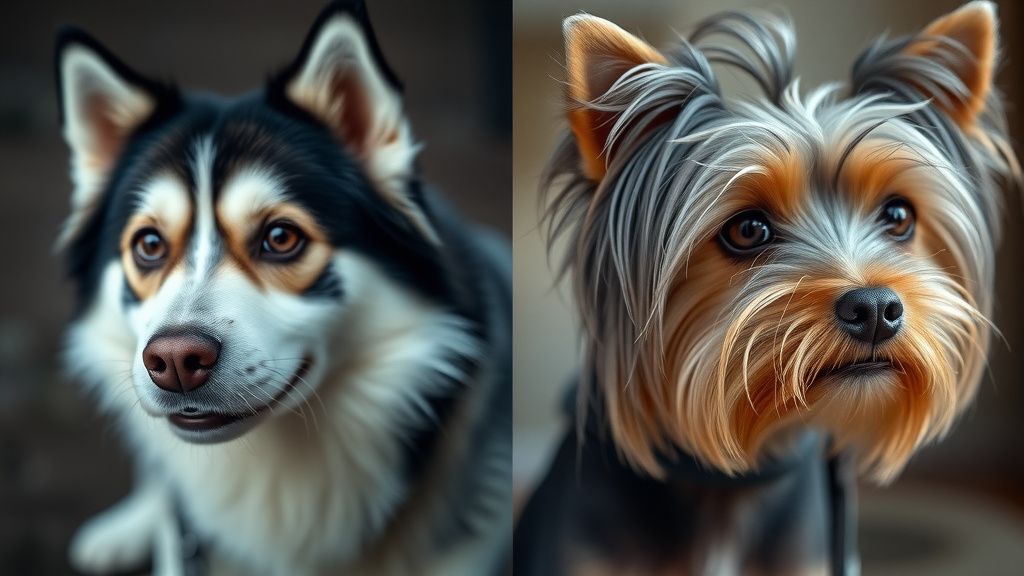 Siberian Husky's thick double coat on one side and a Yor" class="w-full rounded-xl shadow-sm" loading="lazy" />
A Complete Breed by Breed Bathing Guide
This is where we get into the practical details. Based on the consensus from veterinary and grooming experts in our research, here's a breakdown of general bathing guidelines by coat category. Remember, these are starting points. Your individual dog's lifestyle might adjust these timelines.
Short Haired and Smooth Coated Breeds
*Examples: Boxer, Doberman Pinscher, Beagle, Dachshound (smooth), Weimaraner*
These breeds have coats that lie close to the body and tend to shed dirt more easily. As noted by Spencer Springs Animal Hospital, their coats "typically shed less" and they often do well with "occasional baths every four to eight weeks." Purina aligns with this, stating shorthaired breeds may only need bathing "every one to three months." Their grooming needs are often more about regular brushing to remove loose hair and distribute skin oils than frequent washing. A good weekly brush and a bath when they're visibly dirty or start to develop a mild odor is usually sufficient.
Double Coated Breeds
*Examples: Siberian Husky, Alaskan Malamute, Golden Retriever, Labrador Retriever, German Shepherd, Australian Shepherd*
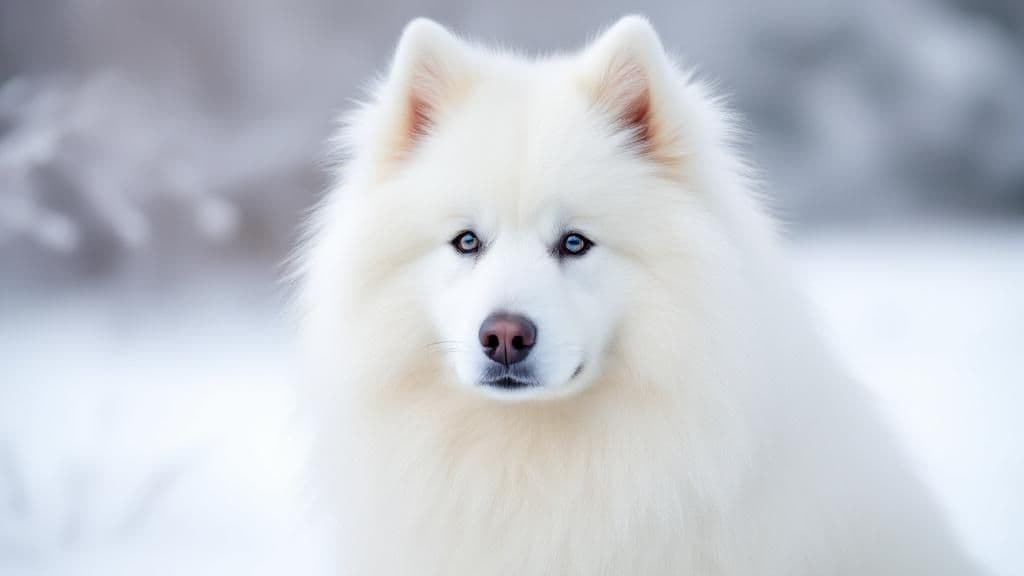
These dogs have a soft, dense undercoat beneath a tougher outer coat. This design is fantastic for insulation and, as Lancaster Puppies points out, it "shields the skin and repels dirt." Because of this, they generally require the least frequent bathing. Overwashing can damage the undercoat and strip essential oils, leading to dry skin. The research suggests baths "every two to three months" for many of these breeds, with some, like more sedentary dogs, stretching to every three to four months. Noble Vet Clinic places the range broadly at "1 to 12 weeks," emphasizing the importance of lifestyle. The critical maintenance for these dogs is *not* bathing, but frequent and thorough brushing, especially during shedding seasons, to prevent mats and remove dead undercoat.
Long Haired or Silky Coated Breeds
*Examples: Yorkshire Terrier, Maltese, Shih Tzu, Afghan Hound, Cocker Spaniel*
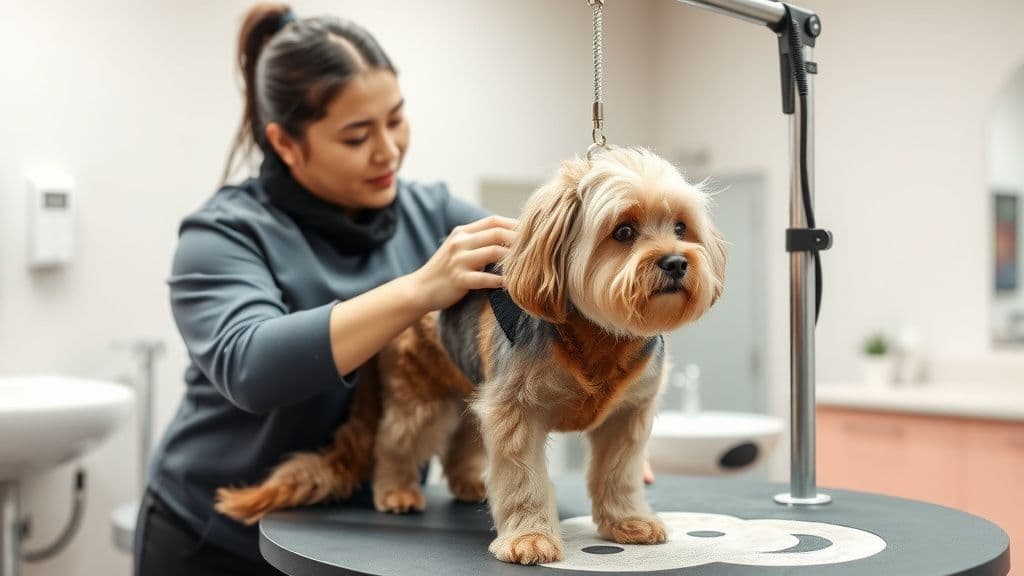
This category often requires the most attentive grooming routine. Their beautiful hair acts like a magnet for dirt, twigs, and tangles. As Forever Vets explains, "a dog with a medium-to-long coat of hair may require baths as often as every four to six weeks." The AKC expert adds that with proper coat maintenance between baths, some may even need weekly bathing. The key here is prevention. Daily brushing is non-negotiable to prevent painful mats, which can form close to the skin and become a breeding ground for infection. Bathing with a good conditioner after brushing helps keep the hair manageable. For owners of these breeds, investing in a dog subscription box that includes top quality brushes and de-tangling sprays can be a game saver for coat care between washes.
Wire Haired or Non-Shedding Breeds
*Examples: Poodle (all sizes), Schnauzer, Terrier (many types), Portuguese Water Dog*
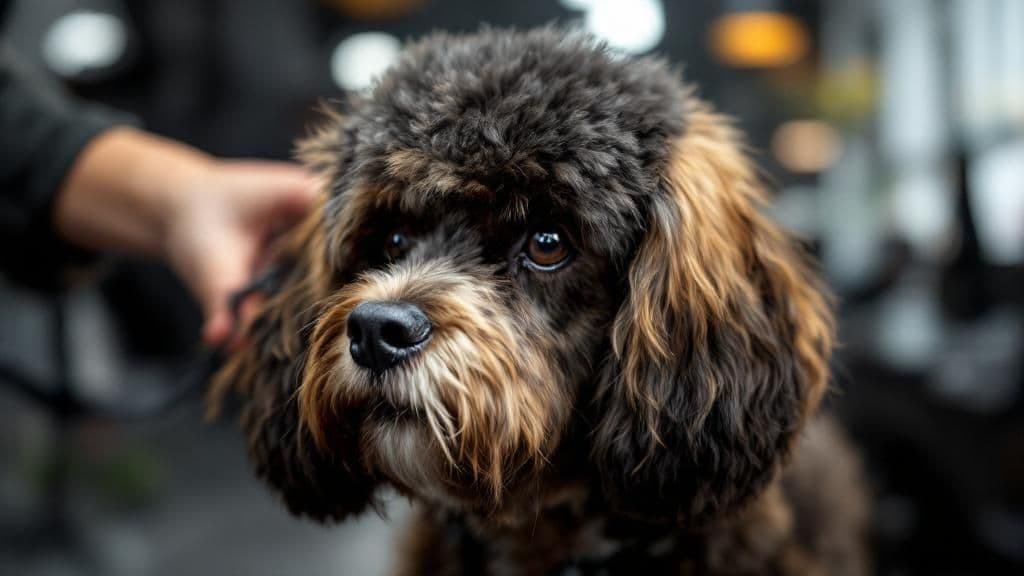
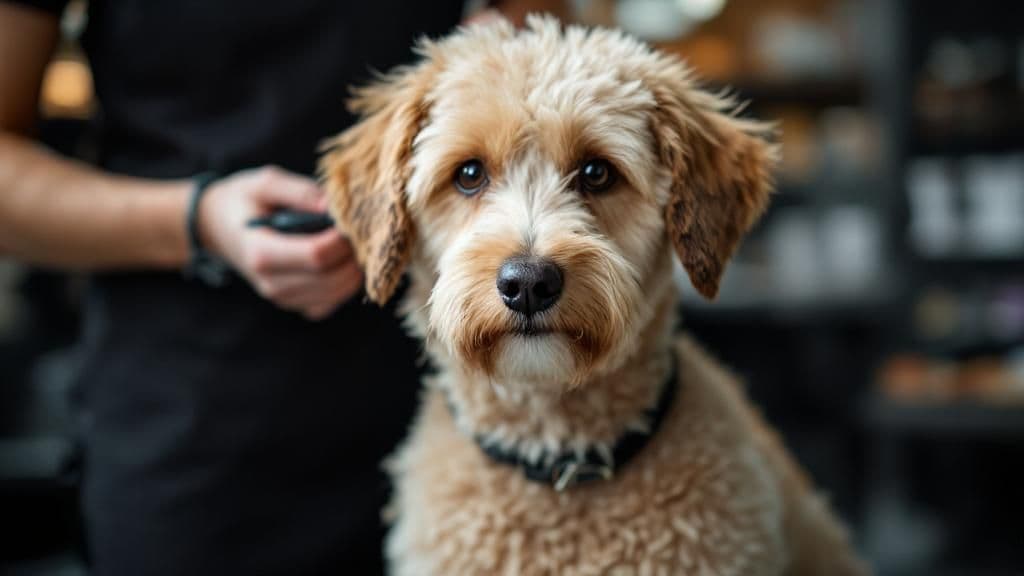
These breeds often have hair that grows continuously, similar to human hair, and they are frequently recommended for allergy sufferers because they shed less dander. However, their coats can become matted and need regular clipping and washing. Poodles and similar breeds benefit from a bath every four to six weeks, often coinciding with their professional grooming appointment for a haircut. Regular brushing at home several times a week is essential to keep their curly or wiry hair free from tangles.
Oily Coated Breeds
*Examples: Basset Hound, Bloodhound*
Breeds with a distinct, often "houndy" odor have a coat that produces more oils. This is a natural characteristic, not a sign of being dirty. While you don't want to over-bathe and trigger increased oil production, they may need more frequent cleaning than other short-haired dogs. A schedule of every three to four weeks, using a shampoo formulated to balance oils, can help manage the odor without compromising skin health.
Hairless Breeds
*Examples: Chinese Crested, Xoloitzcuintli*
These unique pups don't have fur to trap dirt, but their exposed skin requires dedicated care. As the research from Spencer Springs Animal Hospital indicates, they "still need regular cleaning with gentle wipes or a special shampoo to remove dirt and oils." They are prone to acne, dryness, and sunburn. Instead of traditional full baths, their routine often involves gentle wiping with pet-safe cleansing cloths and occasional baths with a very mild, moisturizing shampoo. Sunscreen and moisturizers made for dogs are also crucial parts of their care.
Signs Your Dog Needs a Bath (Or Doesn't!)
Sometimes, the calendar shouldn't dictate bath time, your dog should. Here are clear indicators it's time for a suds session.
It's Time for a Bath When:* The "Doggy Smell" is Strong: Every dog has a scent, but when it becomes overpowering in a room shortly after they enter, it's a good signal.
* Visible Dirt and Grime: Mud, sand, or unknown sticky substances on the coat are obvious reasons.
* Greasy or Grimy Coat: The fur looks dull, feels greasy to the touch, or you see a buildup of dirt close to the skin.
* Itching and Scratching: While this can indicate allergies or other issues, sometimes a bath with a soothing oatmeal or medicated shampoo can provide relief from environmental irritants like pollen. For persistent itching related to stress, our dog anxiety guide offers helpful tips.
* After Specific Events: Swimming in chlorinated or salt water, rolling in something foul, or applying flea/tick treatment often necessitates a bath.
Hold Off on the Bath If:* It's Only Been a Few Days: Stick to your schedule unless an emergency mess occurs.
* Their Skin is Dry or Flaky: Bathing too soon could worsen this. Focus on brushing and consult your vet about a skin supplement or a change in diet, perhaps to a fresh dog food option that might improve skin health from the inside.
* There Are Open Sores or Hot Spots: Consult your veterinarian before bathing, as some conditions require specific treatment first.
How to Bathe Your Dog Properly: A Step by Step Guide
Doing it right makes the experience better for both of you and maximizes the benefits.
1. Brush First: Always brush your dog thoroughly before the bath to remove loose hair and any mats. Wetting a mat will tighten it, making it impossible to remove without shaving.
2. Gather Supplies: Have dog-specific shampoo (and conditioner if needed), several towels, a non-slip mat for the tub, a pitcher or handheld sprayer, and cotton balls for ears (never insert them) ready before you begin.
3. Use Lukewarm Water: Water that is comfortable to your inner wrist is perfect. Avoid hot water.
4. Wet Thoroughly: Completely saturate the coat, right down to the skin, especially on double coated breeds.
5. Shampoo and Massage: Apply shampoo according to label directions, starting at the neck and working back. Avoid the eyes and ears. Massage it into a lather all over their body. Let it sit for a few minutes if it's medicated.
6. Rinse, Rinse, Rinse: Incomplete rinsing is a leading cause of skin irritation. Rinse until the water runs completely clear and you feel no slippery residue.
7. Dry Completely: Towel dry vigorously. For long-haired breeds or those prone to chill, you can use a blow dryer on a cool, low setting, constantly moving it to avoid heat concentration. Ensure your dog is fully dry, especially in skin folds, to prevent bacterial growth.
8. Reward: Make it positive! Offer praise and a favorite treat throughout and after the process.
Final Thoughts
Finding your dog's perfect bathing rhythm is a blend of respecting their breed's blueprint and adapting to their individual life. Start with the general guidelines for their coat type, then observe. Does their skin look healthy? Does their coat feel clean and look shiny a few weeks after a bath? Or do they start to smell and feel grimy sooner? Let your dog's condition be your ultimate guide, more so than a rigid date on the calendar.
Remember, grooming is more than just baths. Regular brushing is arguably more important for skin and coat health. Pairing a sensible bathing schedule with consistent brushing, a balanced diet, and plenty of love will keep your companion not only looking great but feeling their best. And when in doubt, your veterinarian or a professional groomer is an excellent resource for personalized advice tailored to your unique, wonderful dog.
Find the Perfect Box for Your Dog
Compare top-rated dog subscription boxes and find the best fit for your pup.
Compare Boxes