Stop Worrying About That Leash Pull and Start Connecting with Your High Energy Pup
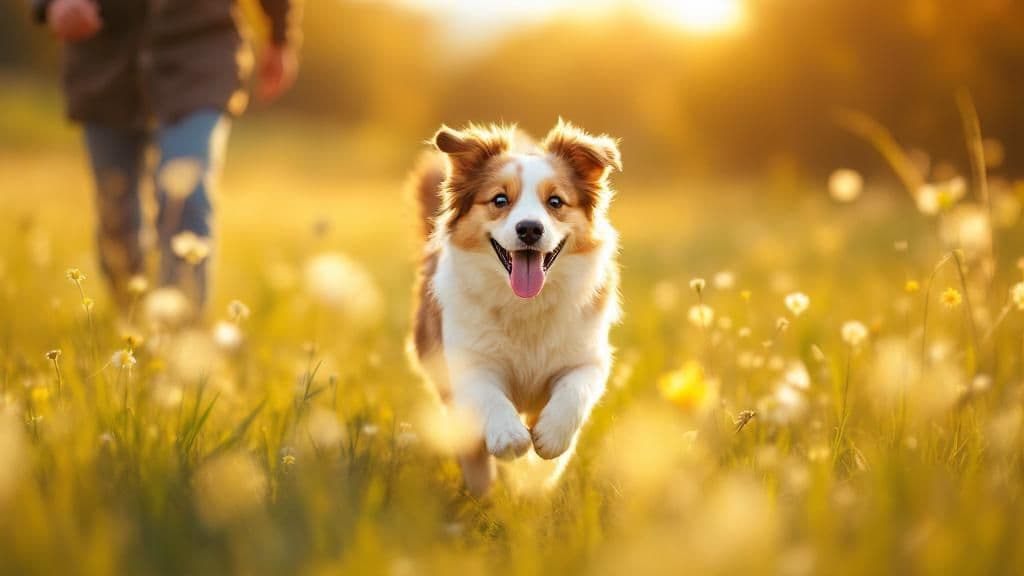
Most people think a dog pulling on a leash is a power struggle. In my experience, it is usually just a communication breakdown.
High-energy dogs don't need stricter discipline — they need more engagement and connection. Replace frustration with structured activities: channel their drive into fetch, tug, nosework, or agility training. Five minutes of focused training builds more obedience than an hour of leash corrections.
Stop Worrying About That Leash Pull And Start Connecting With Your High Energy Pup
I see it every single day down here in Texas. A frustrated owner at the end of a leash, red faced and physically exhausted, while their Labrador or German Shepherd tries to drag them across the park. We often refer to this as "leash tension," but in reality, it is a symptom of a deeper issue: a lack of genuine connection between the human and the dog. When a high energy pup is constantly pulling, they are not trying to be the "alpha" or dominate you. Instead, they are simply exhilarated by the environment and have not yet been given a compelling reason to check in with their handler. This comprehensive guide explores why dogs pull and provides a strategic, connection based approach to help you and your energetic companion walk in harmony.
The Myth Of Canine Dominance
For decades, the popular narrative suggested that a dog pulling ahead on a leash was an attempt to show dominance. However, modern canine behavior science has thoroughly debunked this idea. Dogs are simply naturally faster walkers than humans, and their excitement to reach a new scent or a friendly dog often overrides their training.
High energy breeds especially need a job to do. Without a specific task, their default "job" becomes pulling you toward every interesting thing they find. To fix this, you have to reposition the walk not as a physical struggle for control, but as a collaborative effort. "dog walking calculator nicely" is actually a very difficult mental job for an energetic dog, and it requires both patience and a clear communication system.
The Power Of The Check In
Instead of fighting the pull with constant yanking—which often triggers an involuntary "opposition reflex" in the dog, making them pull harder—I want you to try something completely different. The next time you feel the leash go taut, stop moving immediately. Do not say a word, do not jerk the leash, just become an anchor.
Wait for that split second when your dog wonders why the forward motion has stopped and looks back at you. That tiny moment of eye contact is your bridge to a better walk. When they look back, as if to ask, "Hey, why did we stop?" that is when you reward them. This teaches the dog that the only way to keep moving forward is to check in with you and maintain a loose leash. Training is not about physical restraint, it is about dynamic cooperation.
Understanding High Energy Breed Requirements
Breeds like collie" class="text-yellow-600 hover:text-yellow-700 underline">Border Collies, Vizslas, and Huskies were bred for endurance and intense focus. If you take one of these dogs out for a walk after they have been cooped up in the house all day, their pent up energy will inevitably manifest as pulling. To set your dog up for success on a walk, you must address their physical and mental needs beforehand.
Consider a five minute game of tug or fetch in the backyard before you even pick up the leash. This helps take the edge off their initial bursts of energy. Additionally, incorporate mental stimulation during the walk. Ask your dog for a "sit" or a "touch" at various intervals. This keeps their brain engaged with you, making it less likely that they will become hyper focused on a squirrel or a distant dog.
Essential Gear For Better Walking
The equipment you use can significantly impact your walking experience. While a standard flat collar is fine for many, a persistent puller can actually cause damage to their trachea if they constantly lunge against it.
A front clip harness is an excellent tool for many owners because it changes the leverage. When a dog pulls in a front clip harness, it gently steers them back toward you, making it physically more difficult for them to drag you forward. However, remember that no piece of equipment is a substitute for training. The goal is always to move toward a state where the dog chooses to walk nicely on their own, regardless of what they are wearing. Avoid retractable leashes, which actually teach dogs that pulling harder results in more freedom and makes it nearly impossible to maintain consistent communication.
The Tactical Stop And Start Method
The "red light, green light" game is one of the most effective ways to teach leash manners. When the leash is loose, you are at a green light—keep walking. The moment the leash goes tight, you are at a red light—stop and wait for slack.
In the beginning, your walks will be very slow and you might only cover half a block. That is perfectly okay. You are not just walking for exercise, you are walking for training. Be prepared to stop twenty times in a single minute if necessary. Eventually, the dog will realize that pulling is the least efficient way to get where they want to go. When they walk by your side, provide a steady stream of "active reinforcement" through verbal praise and occasional tiny treats to show them exactly where they should be.
Expert Tips For Successful Energy Management
Expert tip number one: utilize "sniffaris." Sometimes, the best way to burn a high energy dog's energy is to let them use their nose. Dedicate a portion of your walk to letting them lead the way and sniff whatever they want on a loose leash. Mental exhaustion through scent work is often more effective than physical exercise alone.
Expert tip number two: focus on your own body language. If you are tense and gripping the leash like it is a lifeline, your dog will feel that tension and reflect it. Relax your shoulders, breathe, and keep the leash draped in a soft "J" shape. Your calm energy will help set the tone for a more relaxed walk.
Expert tip number three: vary your route. Walking the same path every day can lead to boredom and a lack of focus. By changing directions or exploring a new neighborhood, you keep the environment interesting and encourage your dog to look to you for guidance on where to go next.
Frequently Asked Questions About Leash Training
Is it too late to train my older high energy dog?
It is never too late. While younger dogs might learn slightly faster, older dogs are often more focused and less easily distracted by the world. Consistency and patience will work for any dog, regardless of age.
Should I use a "pinch" or "choke" collar?
I strongly advise against these. Aversive tools focus on pain and fear rather than connection. While they might provide a temporary fix, they can lead to increased anxiety and aggression, and they do nothing to address the underlying reasons for the pulling.
Why does my dog only pull when they see another dog?
This is often "leash reactivity," which is usually rooted in either extreme excitement or fear. In these cases, it is best to work with a professional positive reinforcement trainer to help your dog learn how to remain calm in the presence of other animals.
How long should our training sessions be?
For high energy pups, shorter sessions of five to ten minutes are often more effective than one long, exhausting walk. Focus on high quality interactions rather than distance.
What happens if I forget my treats during a walk?
While treats are helpful, they are not the only reward. Your verbal praise, a quick pat, or the simple act of continuing the walk forward are all powerful motivators for your dog.
Final Summary Of Connection Based Walking
Next time you head out the door with your high energy companion, leave your frustration behind. Pack a pouch of high value rewards and focus on the conversation you are having through that leash. Training is not a battle of wills; it is a beautiful opportunity to build trust and understanding with your best friend. When you start focusing on the bond rather than the physical restraint, the leash will naturally go slack. You are not just two beings tethered together by a piece of nylon; you are a team moving through the world with shared purpose and mutual respect. Enjoy the journey, stay consistent, and take pride in every small victory toward a peaceful walk together.
Recommended Products


Find the Perfect Box for Your Dog
Compare top-rated dog subscription boxes and find the best fit for your pup.
Compare Boxes