Are High-Velocity Dog Dryers Safe at Home?
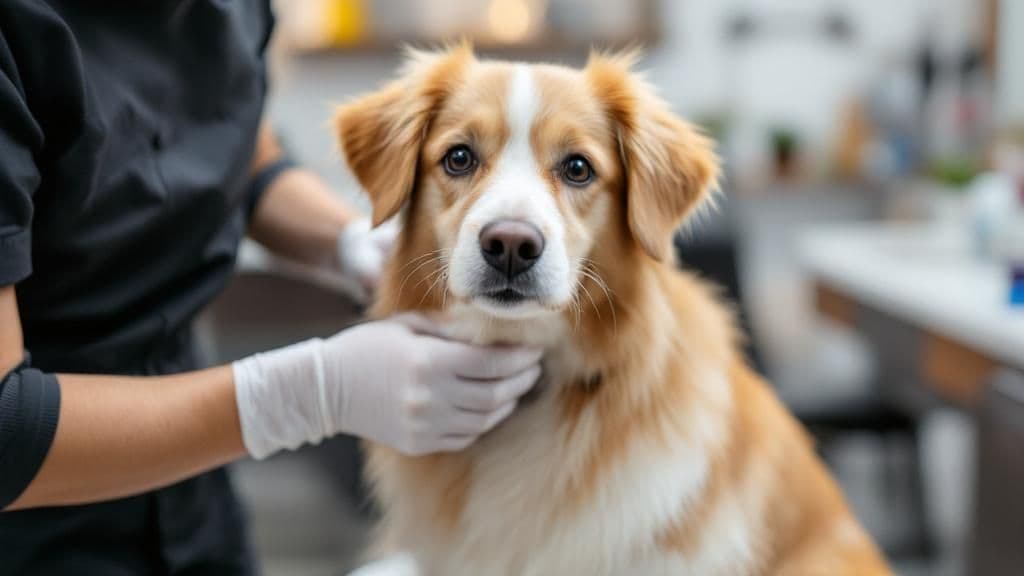
Are high-velocity dog dryers safe at home? Learn the essential safety measures to protect your pet during drying.
High-velocity dog dryers are safe for home use when operated correctly — maintain 6+ inches distance from the coat, use the lowest effective speed setting, avoid the face and ears, and never use heat. They dry dogs 5-10x faster than towels, prevent hot spots from trapped moisture, and are especially beneficial for double-coated breeds.
You've just given your dog a bath, and now you're facing a sopping wet, possibly shivering, and definitely impatient canine. You reach for your own hair dryer, but something stops you. You've heard about those powerful high velocity dryers that groomers use, and you're wondering if they're something you could and should use at home. Are they safe, or are they just another piece of professional gear that's best left to the experts? As someone who has spent years writing about dog care and trying every grooming tool imaginable, I can tell you this is one of the most common questions I get from dedicated pet parents.
The short answer is yes, high velocity dryers can be safe and incredibly beneficial for home use, but with some very important caveats. Safety isn't just about the machine itself; it's about how you use it. Think of it like the difference between a professional chef's knife and a kitchen knife. Both are sharp and effective, but one requires more knowledge and respect to use properly. Let's look at what the science and the grooming experts say, so you can make an informed decision for your furry family member.
Understanding How High Velocity Dryers Work
First, let's clear up a major point of confusion: a high velocity dryer is not just a supercharged version of your hair dryer. The core technology and purpose are fundamentally different.
A regular human hair dryer, even those marketed for pets, primarily uses heat to evaporate water. This is a slow process, especially on a dense double coat like a German Shepherd's or a Poodle's curly fleece. More critically, as noted in industry research, traditional human hair dryers are unsafe because they rely on extreme heat rather than air velocity, which can easily cause second degree burns on a dog's sensitive skin. Dogs have thinner skin than we do, and what feels warm to our hand can be dangerously hot for them.
A high velocity dryer, on the other hand, uses physics. It focuses on moving a massive volume of air (measured in Cubic Feet per Minute, or CFM) at a high speed. This air physically forces the water out of the coat, blowing it off the dog's body. It's more like using a squeegee on a window than waiting for the sun to dry it. One grooming resource explains the mechanism simply: "They work by in taking the air from a larger opening, then pushing it with a fan or turbine into a smaller output." This creates a concentrated, powerful stream of room-temperature or gently warmed air.
This distinction is crucial for safety. By prioritizing airflow over intense heat, a well designed high velocity dryer significantly reduces the risk of burns. The primary safety considerations then shift to other factors, which we'll explore next.
The Real Safety Considerations: Noise, Force, and Heat
While the risk of thermal burns is lower with a proper high velocity dryer, safety is a multi layered issue. Using one safely at home means understanding and managing these key factors.
The Decibel Dilemma
This is perhaps the most concrete safety data we have from research. A study published on noise impacts from professional dog grooming dryers provides critical insight. The study measured dryer noise levels and applied workplace safety standards.
Using the 90 dBA criterion set by the US Occupational Safety and Health Administration (OSHA), the research found that dog groomers and bathers are at risk if exposure to the lowest intensity dryer (94.8 dBA) exceeds 4 hours per day. For a more stringent standard of 85 dBA, safe exposure time drops to less than one hour.
What does this mean for you at home? Your dog's exposure will be much shorter, maybe 15 to 30 minutes. However, dogs have more sensitive hearing than humans. The noise, which is a loud, constant roar, can be frightening or stressful for many dogs. It's not just about hearing damage; it's about anxiety. Look for dryers that advertise quieter operation. Introducing the sound gradually, from a distance, and pairing it with high value treats (like those you might get in a monthly dog best dog subscription boxes) is essential for creating a positive association.
The Power of the Blast
"High velocity" means exactly that. The airflow is powerful. If directed improperly, it can be uncomfortable for the dog. You should never aim the nozzle directly into sensitive areas like the eyes, ears, nose, or genitals. The force of the air can also startle a dog, especially if they are not accustomed to it. This is why proper handling and a calm introduction are non negotiable. A grooming magazine article plainly states that while these dryers are a gift to groomers, they offer some safety concerns that must be respected.
The Role of Heat
Most high velocity dryers for home use offer a heating element, but it's usually for taking the chill off the air, not for superheating it. The safety advice from experts is clear: it's important to use them safely avoiding excessive heat or high velocity that could potentially harm your pet's skin. Always use the lowest heat setting necessary, and constantly move the dryer to prevent concentrating heat on one spot. Your hand is not a reliable gauge; test the air on your inner wrist, which is more sensitive.
Benefits That Make a Difference for Home Groomers
So why would you consider bringing this powerful tool into your home? The benefits, when the dryer is used correctly, are substantial and go far beyond just getting your dog dry.
Superior Coat Health: Blowing out the coat thoroughly prevents moisture from being trapped against the skin, which is a primary cause of hot spots and fungal or bacterial infections. It also fluffs up the undercoat and straightens the guard hairs, leaving the coat healthier and shinier than towel drying alone. Revolutionary Deshedding: This is a game changing benefit for owners of shedding breeds. The pressure blasts the loose undercoat right off the dog, making deshedding for a Husky or German Shepherd much faster and more effective than brushing alone. You'll be amazed at the clouds of dead hair that come out, significantly reducing the amount of fur on your furniture and in your dog food delivery boxes. Doing this outdoors or in an easy to clean area like a garage is highly recommended. Mat and Tangle Prevention: For Poodles, Doodles, and other curly coated dogs, letting the coat air dry is an invitation for mats to form. The high velocity air helps separate the curls as it dries, preventing those painful, tight knots that often need to be shaved out. Time and Stress Savings: Drying a large, thick coated dog with towels and a human dryer can take well over an hour and be a stressful wrestling match for both of you. A high velocity dryer can cut that time down to 20 or 30 minutes. A calm, efficient process is less stressful for everyone involved.Choosing a Safe Dryer for Your Home
If you've decided a high velocity dryer is right for your home dog grooming schedule, selecting the right model is your next critical safety step. Not all dryers are created equal, and the right choice depends on your dog.
* Prioritize Safety Features: Reputable brands now build in important safeguards. Look for dryers that include overheating protection, which automatically shuts off the heating element if the unit gets too hot. This is a fundamental feature for preventing accidents.
* Match the Motor to Your Dog: A manufacturer's blog post wisely advises, "A Yorkie needs a different level of power than a Great Pyrenees." You don't need the most powerful commercial-grade turbine for a small dog; a model with adjustable speed settings gives you the flexibility to start gently.
* Consider Noise Levels: Since we know noise is a major factor, seek out models that advertise quieter operation. Your dog (and your own ears) will thank you.
* Look for Home Use Design: Some dryers are now explicitly marketed as being reliable for both professional salons and home use. These often have features like lighter weight, easier-to-handle hoses, and simpler controls that are more suited to a pet parent than a full-time groomer.
* Check the Attachments: A good set of attachments is key to safe use. A concentrator nozzle focuses the airflow for efficient drying, while a wider diffuser or "paw dryer" attachment can soften the airflow for more sensitive areas or smaller dogs.
Your Step by Step Guide to Safe Home Drying
Having the right tool is only half the battle. Using it correctly is what truly ensures safety. Follow this actionable guide every time.
1. Prepare Your Space and Your Dog: Set up in a warm, enclosed area like a bathroom or a section of your garage. Have your dog standing on a non slip mat. Brush out any major tangles before the bath. Ensure your dog is as calm as possible; a post bath treat can work wonders here.
2. Towel Dry First: Always remove as much water as possible with absorbent towels before you even turn on the dryer. This reduces drying time and the dog's exposure to noise and force.
3. Introduce the Dryer Gradually: For the first few sessions, don't even turn it on with the dog in the room. Let them see it, sniff it, and reward them. Then, turn it on in another room, let them hear it, and reward. Finally, have it on at a low setting at a distance, rewarding calm behavior.
4. Master Your Technique: Start on the lowest speed and heat settings. Always keep the nozzle moving in a sweeping motion, never holding it in one spot. Dry the body first, starting from the back and working down the sides. Keep the nozzle several inches away from the skin. Avoid the face, ears, and private areas directly. Use your hand to ruffle the coat in the opposite direction of growth to ensure you're reaching the undercoat.
5. Watch for Signs of Stress: If your dog is panting excessively, trembling, trying to escape, or showing whale eye (seeing the whites of their eyes), stop immediately. This is supposed to be a positive part of grooming, not a trauma. End on a good note with praise and a special treat.
6. Post Drying Care: Once your dog is completely dry, give them a final brush to distribute natural oils. This is also a perfect time to do a quick overall health check, feeling for any new lumps or bumps. Then, let them enjoy a well earned rest, perhaps with a favorite chew from that box of best dog treats you have stashed away.
Final Thoughts
Bringing a high velocity dryer into your home grooming toolkit can feel like a big step. It's an investment, not just in a piece of equipment, but in your dog's comfort and coat health. The research and expert opinions are clear: these tools are safe for dogs and people when used properly. The key is shifting your mindset from "heat drying" to "airflow drying" and respecting the power of the machine.
Remember, safety isn't a single feature you buy; it's a practice you follow. It's in choosing a dryer with built in overheating protection and quieter operation. It's in the patience you show during the introduction period. It's in your technique, keeping that nozzle moving and avoiding sensitive spots. And it's in knowing your dog, understanding their tolerance for noise and new experiences.
For many dogs, once they acclimate, the drying process can become a pleasant, massaging experience that leaves them fluffy, clean, and mat free. It empowers you to provide a level of care between professional grooming visits that maintains coat health and deepens your bond. Just like finding the right balanced and complete dog food or the perfect dog subscription box toys, it's about making informed choices that enhance your dog's well being. Do your research, start slow, and you might just find that bath time becomes a more efficient, effective, and enjoyable ritual for you both.
Find the Perfect Box for Your Dog
Compare top-rated dog subscription boxes and find the best fit for your pup.
Compare Boxes