Advanced Pet Health Tracking Solutions 2026

Discover cutting-edge pet wearables and AI apps that predict health issues years ahead.
Advanced pet health tracking in 2026 is defined by AI-powered wearables like smart collars that monitor vital signs, and integrated platforms that connect this data directly to veterinary professionals. The technology focuses on proactive, preventative care through real-time alerts and telemedicine.
---
Keeping our dogs healthy isn't just about annual checkups anymore. As a dog care writer, I've watched the conversation shift from reactive treatment to proactive, preventative wellness. We all want that extra layer of insight, that early warning system that tells us something might be off with our best friend before it becomes a crisis. The good news is that 2026 has delivered a suite of advanced health tracking solutions that feel less like sci fi and more like essential, accessible tools for the modern pet parent. This year's innovations are smart, connected, and surprisingly intuitive, transforming raw data into actionable care.
What Does Advanced Health Tracking Look Like in 2026?
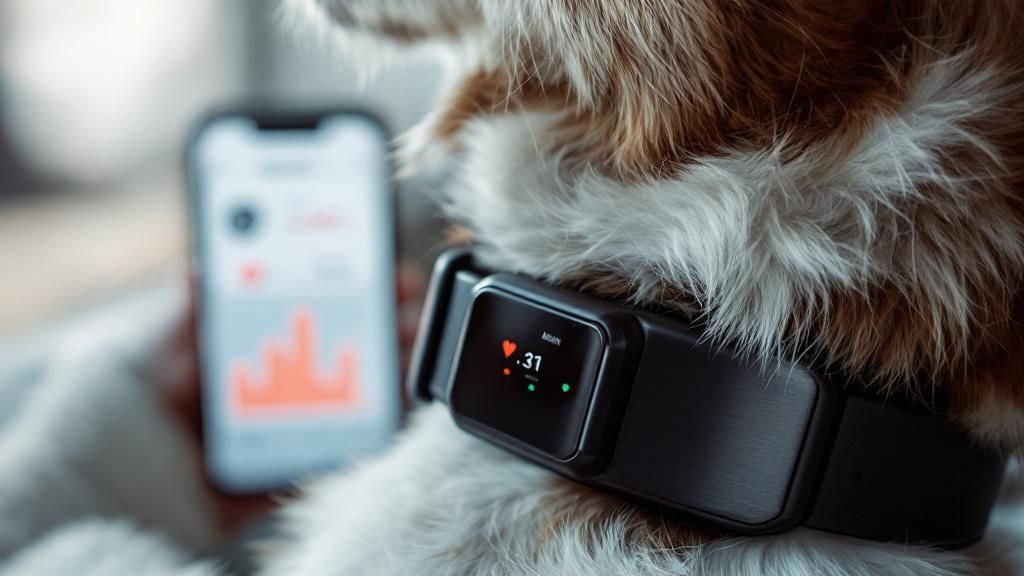
Gone are the days when a pet tracker simply told you your dog's location or how many steps they took. The frontier of pet tech in 2026 is about deep, continuous health monitoring. Think of it as having a veterinary nurse quietly observing your dog 24 hours a day, seven days a week.
The core of this revolution is the smart wearable, particularly the collar. Companies like PetPace have set a high standard with collars that monitor vital signs like heart rate, respiratory rate, and temperature around the clock. This strong health data is then processed by artificial intelligence to establish your dog's personal baseline. The system learns what's normal for *your* pup, so it can detect subtle anomalies that might indicate pain, stress, or the onset of illness. You get near real time alerts sent straight to your phone, allowing for incredibly early intervention.
But the hardware is only half the story. The real magic happens in the integration. These devices connect to remote monitoring platforms that often include direct access to veterinary telemedicine. Brands like Felcana, created by vets, are delivering complete digital pet care by combining remote monitoring devices with immediate access to veterinary advice. This creates a continuous care loop: the device collects data, the AI analyzes it, and if something is flagged, you can consult a vet without leaving your home. It's a powerful shift from guessing to knowing.
Which Devices and Apps Are Leading the Pack?
The market is bustling with options, but a few key players and product categories are defining 2026. Based on industry analysis and standout presentations at events like CES 2026, here’s where the technology is shining.

First, the AI monitoring collar is the undisputed star. PetPace remains a leader in this clinical grade space. Meanwhile, companies like Garmin International continue to dominate the broader pet wearables market by blending advanced activity and location tracking with growing health metrics. The recent CES 2026 lineup also highlighted a surge in smart home integration. We now see smart feeders and water fountains equipped with cameras and sensors that meticulously track eating and drinking habits. This is crucial because changes in appetite or water consumption are often the first sign of many health issues.
For pet parents managing specific conditions, specialized apps are a game saver. The RVC Pet Diabetes app, for example, is a perfect tool for owners of diabetic dogs. It allows you to log blood sugar levels, weight, and changes in thirst or urination. You can set medication reminders and access instructional videos, all in one place. This turns overwhelming daily management into a structured, manageable routine.
On the veterinary practice side, mobile apps from providers like IDEXX are becoming indispensable hubs. These apps give you centralized access to your pet’s full medical records, dog vaccination schedule history, and upcoming appointments. Need to share vaccine records for a boarding stay? It’s done in a few taps. This smooth connection between your home data and your vet’s records is the glue that holds a modern health strategy together.
How Is This Technology Changing Veterinary Care?
The impact on veterinary medicine is profound. This isn't just about convenience for pet owners, it's about providing vets with a depth of information they've never had before.
The most significant change is the move from episodic to continuous care. Instead of a snapshot from a 15 minute annual exam, your vet can now review weeks or months of continuous vital sign and activity data. This trend is backed by data, as remote monitoring platforms are specifically designed to connect wearable devices with veterinary professionals for this exact purpose. When you bring your dog in for a concern, you're not just describing symptoms, you're showing a graph of their resting heart rate over the last three days. That context is invaluable.
Artificial intelligence is also becoming a powerful diagnostic ally within clinics. AI powered software can now analyze lab results, X rays, and ultrasounds with lightning speed. This helps veterinarians spot concerns earlier and can even provide predictive analytics about potential future health problems. It augments their expertise, leading to more accurate and timely diagnoses.
Furthermore, telemedicine has matured. As noted by Shiloh Veterinary Hospital, 2026's tools are more advanced and user friendly. Mobile apps now offer real time video calls that are integrated directly with your pet’s health records stored in the cloud. This means you can have a meaningful, productive consultation with your vet, who can view the data from your dog's smart collar during the call. It transforms a simple video chat into a potent virtual house call.
What Should You Consider Before Buying a Health Tracker?
With so many exciting options, choosing the right system can feel overwhelming. As someone who tests a lot of dog gear, I recommend focusing on a few key aspects to match the technology to your and your dog's specific needs.
Identify Your Primary Goal. Are you looking for general wellness monitoring and activity tracking, or do you need to manage a specific condition like diabetes, arthritis, or anxiety? For general wellness, a multi function smart collar from a brand like Garmin or DocuPet’s Ultimate Pet Tracker, which combines GPS with activity monitoring, might be perfect. For clinical monitoring of vital signs, a dedicated health collar like PetPace is the better path. For condition management, an app like the RVC Pet Diabetes app could be the most critical tool. Examine the Ecosystem. The best data is useless if it's trapped in a silo. Look for devices that integrate their data into a clear, intuitive app. Better yet, see if the platform offers a connection to telemedicine services or allows for easy sharing of reports with your primary vet. Systems like Felcana are built on this integrated care model from the start. Think About Your Dog's Lifestyle. A bulky collar might not suit a tiny Chihuahua, and a dog that lives for swimming needs a waterproof device with a long battery life. The good news is that 2026's devices are more durable and pet proof than ever. Also, consider your own tech comfort level. Some systems require more manual data entry than others. If you're already using a dog food delivery service or a dog best dog subscription boxes for treats and toys, you know the value of convenience. Your health tracker should feel just as effortless to use. Understand the Costs. Beyond the initial hardware purchase, many advanced services operate on a subscription model for data analysis, cellular connectivity for GPS, or telemedicine access. Factor this into your long term pet care budget.How Can You Integrate This Tech Into Your Daily Routine?
Adopting this technology isn't about creating more work, it's about working smarter. The goal is to make health monitoring a passive, background part of your life that provides peace of mind.
Start by letting the device learn. When you first put on a smart collar, give it at least a week to establish a baseline for your dog's normal vitals and activity levels. Resist the urge to overanalyze the first few days of data. Consistency is key, so make putting the collar on part of your daily routine, like filling up their water bowl from a smart fountain that tracks their intake.
Use the app's alert and reminder features wisely. Set up medication reminders if needed, or alerts for when your dog's water bowl is running low. Schedule monthly check ins with yourself to review the long term trends in the app. Is there a gradual decrease in activity that might correspond with a new bag of food from your dog food delivery service? Are they sleeping more? This macro view can reveal subtle shifts.
Most importantly, use the data to start better conversations. Before your next vet visit, pull up a report showing your dog's weekly activity or any unusual heart rate spikes. This concrete information helps your vet provide more personalized care. If you use a telemedicine service, have the app open during the call so you can reference the data in real time.
And remember, technology complements, but does not replace, your own observation. Notice your dog isn't excited for their best dog treats? That behavioral cue, combined with data from their smart feeder showing reduced food intake, creates a powerful picture to share with your vet.
Final Thoughts
The world of advanced pet health tracking in 2026 is empowering. It gives us the tools to be truly proactive partners in our dogs' healthcare. We're no longer limited to what we can see with our eyes during waking hours, we have a window into their wellbeing 24/7. From AI collars that spot illness before symptoms appear, to integrated apps that put a virtual vet in your pocket, this technology is fundamentally changing the care relationship.
It's not about fostering paranoia or becoming overly dependent on data. It's about gaining knowledge that leads to calmer, more confident caregiving. By choosing the right tools and integrating them smoothly into your life, you're building a comprehensive safety net for your dog. You're extending your ability to care for them, ensuring those joyful walks, playful tug of war sessions, and cozy couch cuddles continue for as many healthy years as possible. That, to me, is the real promise of this technological leap.
Recommended Products



Find the Perfect Box for Your Dog
Compare top-rated dog subscription boxes and find the best fit for your pup.
Compare Boxes