Advanced Pet Health Tracking In 2026

Discover the future of pet care with 2026's cutting-edge health trackers and smart apps for proactive wellness.
In 2026, advanced pet health tracking is defined by AI powered wearable collars like those from PetPace and Garmin that monitor vital signs 24/7, integrated telemedicine platforms such as Felcana that connect data directly to vets, and smart home devices that track eating and drinking habits. These tools focus on proactive, preventative care through continuous data collection and real time alerts.
Keeping our dogs healthy has always been a mix of keen observation, regular vet visits, and a lot of love. We notice the subtle changes: a slight dip in energy, a change in how much they drink, a hesitation before jumping onto the couch. But what if we could have a constant, data driven companion in our caregiving, one that never sleeps and can detect issues long before they become visible? That's the promise of the advanced pet health tracking solutions arriving in 2026. I've been testing and writing about dog care tech for years, and the shift happening now is genuinely remarkable. We're moving from simple activity trackers to integrated health ecosystems designed for early intervention and peace of mind. This isn't just about counting steps; it's about creating a continuous dialogue between you, your pet, and veterinary professionals, all powered by smart sensors and artificial intelligence.
The Core of Modern Tracking: AI Wearables and Smart Collars
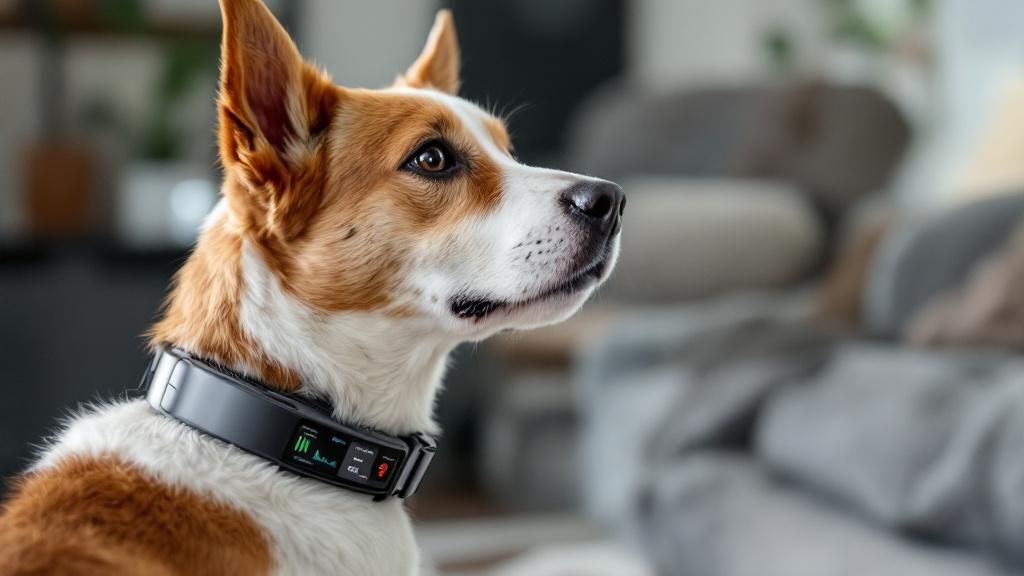
The most significant piece of the pet health puzzle in 2026 is undoubtedly the advanced wearable. These are no longer just GPS locators, though that remains a vital feature as seen with devices like the DocuPet Ultimate Pet Tracker. Today's smart collars are sophisticated health monitors worn on your dog 24/7. Companies like PetPace are leading this charge with collars that monitor vital signs including respiratory rate, heart rate, temperature, and activity levels. This strong health data is then transformed by AI into actionable insights.
The real power lies in the analysis and alerts. Instead of just showing you a graph, these systems learn your dog's normal, healthy baselines. The AI then scans for anomalies deviations that could signal pain, stress, illness, or the onset of conditions like arthritis. You might receive a near real time alert on your phone if your dog's resting respiratory rate spikes while they're sleeping, a potential early sign of heart or lung issues. Research indicates the pet wearables segment commanded a 45.3% market share in 2025, driven largely by these advanced smart collars. Industry leaders like Garmin International continue to push the boundaries, offering comprehensive tracking that blends location safety with deep health analytics. For the proactive pet parent, this means moving from an annual checkup model to a model of continuous, preventative care.
Beyond the Collar: Smart Home Hubs and Environmental Monitors
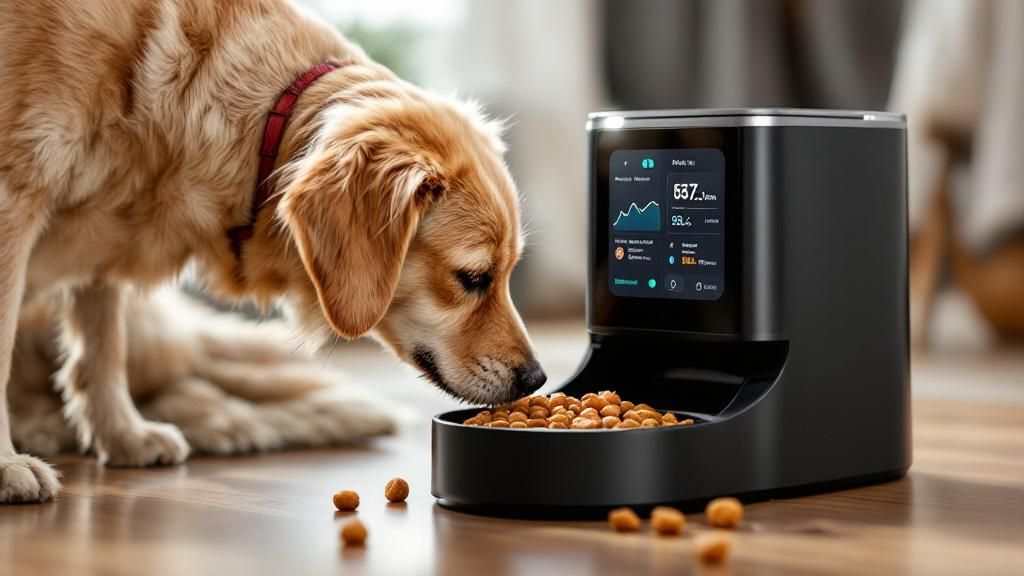
While the collar handles the metrics from your dog's body, the next wave of innovation monitors their environment and daily rituals. CES 2026 highlighted this trend with smart feeders and water fountains equipped with cameras and sensors. These devices do more than dispense food on a schedule; they meticulously track eating and drinking habits, measuring the exact volume consumed at each visit.
Why does this matter? Changes in appetite and dog water calculator are often the very first indicators of health problems. A smart feeder can notify you if your dog only ate half their usual breakfast, or if they're making unusual, frequent trips to the water bowl. This objective data is invaluable. It removes guesswork and helps you spot trends that are easy to miss when life gets busy. When combined with the vital sign data from a smart collar, you get a nearly complete picture of your dog's daily well being. It's like having a dedicated health assistant quietly observing their routine, freeing you to enjoy more quality playtime and less time worrying.
The Telemedicine Connection: Apps That Link Data to Vets
Hardware is only half the story. The true transformation in 2026 comes from software platforms that connect all this data directly to veterinary professionals. This is the remote monitoring platform trend highlighted by industry analysts. Companies like Felcana are built on this premise, delivering digital pet care by creating a direct line between the data from your home devices and veterinary advice.
Imagine this scenario: Your dog's smart collar detects three nights of elevated temperature and restlessness. Instead of just sending you an alert, the platform can securely share this data trend with your veterinarian's practice app. You can then use an integrated telemedicine tool, like those described by Shiloh Veterinary Hospital, for a real time video consult. Your vet can review the compiled data from the past week eating logs from the smart feeder, hydration stats from the water fountain, and vital sign history from the collar before you even say hello. This leads to more efficient, informed consultations. Apps like PetsApp are making this smooth by allowing appointment booking and tele triage within the same interface used for communication. Furthermore, AI is assisting vets directly by analyzing lab results, X rays, and ultrasounds with great speed to help spot concerns early.
Specialized Health Management Apps
For pets managing chronic conditions, 2026 brings a new level of support through specialized applications. These apps turn your smartphone into a powerful health management tool. A prime example is the RVC Pet Diabetes app. It allows owners to systematically record blood sugar levels, weight, and changes in appetite, thirst, and urination output. The ability to set medication alerts and access a library of instructional videos empowers owners to provide consistent, informed care.
This trend towards specialization and organization extends to general wellness, too. Many veterinary practices now offer their own mobile apps that act as a central hub for all your pet's information. As noted by IDEXX Software, these apps provide easy access to medical records, vaccination history, and health reminders. Need to share vaccine records for a doggy daycare or a grooming appointment? It's done in a few taps. This consolidation of information simplifies pet parenting and ensures you're never searching for a lost piece of paper before an important visit.
Choosing the Right Tech for Your Dog
With so many options, selecting the right tools can feel overwhelming. My advice is to start with the core concern you want to address.
* For comprehensive health monitoring and early illness detection: Invest in a top quality AI smart collar like PetPace. This should be your first priority if your budget allows for one major tech upgrade. It's the closest thing to having a vet monitor your dog around the clock.
* For managing specific conditions or meticulous daily logs: Look into specialized management apps like the diabetes tracker, or utilize your own vet's practice app to its full potential. These are often low cost or free but provide immense organizational value.
* For insight into daily habits and multi pet households: Consider a smart feeder or water fountain. These are fantastic for spotting behavioral or health shifts, especially if you have more than one pet and need to track individual consumption.
* For safety combined with activity tracking: A reliable GPS tracker like the DocuPet model is essential for adventurous dogs, providing peace of mind alongside basic activity data.
Remember, even the most advanced tech complements, but does not replace, your relationship with your veterinarian. Use these tools to start more informed conversations. Also, consider how these devices fit into a full picture of care that includes balanced nutrition from your dog food delivery service, engaging treats for training and mental stimulation, and the joy of unboxing a new toy from a dog best dog subscription boxes. Technology manages health, but we provide the love.
Final Thoughts
The pet health technology of 2026 is closing the gap between our instincts and actionable knowledge. We are transitioning from reactive care, driven by visible symptoms, to a proactive model powered by continuous data. This means potential problems can be identified in their earliest stages, often leading to simpler, more effective, and less stressful interventions. While the array of devices and apps might seem futuristic, their goal is beautifully simple: to give us more years of health and happiness with our dogs. By thoughtfully integrating these tools, we can spend less time worrying about the unknowns and more time enjoying the tail wags, the playful runs, and the quiet moments of companionship that make every day with our dogs so special.
Recommended Products



Find the Perfect Box for Your Dog
Compare top-rated dog subscription boxes and find the best fit for your pup.
Compare Boxes