Advanced Pet Health Tracking Tech For 2026

Revolutionize your pet's wellness with AI-powered 2026 trackers and smart apps for proactive health insights.
In 2026, advanced pet health tracking is defined by AI driven wearables like the PetPace collar for 24/7 vital sign monitoring and smart feeders with sensors that track consumption. These devices connect to integrated telemedicine platforms, allowing for real time video consults and centralized health records, enabling truly proactive and preventative veterinary care.
Keeping our dogs healthy is a top priority, but sometimes the signs they give us are subtle. A slight decrease in dog water calculator, a change in sleep patterns, or a dip in activity can be easy to miss in the busy flow of daily life. For years, we've relied on our observations and annual check ups, often wishing we had a clearer window into our pet's wellbeing. I've seen firsthand how a small change, noticed too late, can become a big problem. The good news is that 2026 has brought a wave of technology designed to close that gap, turning guesswork into data and reaction into prevention.
This isn't about gimmicks or toys. The latest devices and apps are sophisticated health tools, many developed in partnership with veterinarians. They give us the power to monitor our pets with a level of detail that was once only possible in a clinical setting. From collars that act as a constant health sentinel to apps that seamlessly connect you with veterinary advice, the future of proactive pet care is already here. Let's explore the tools that are transforming how we care for our furry family members.
What Are the Core Technologies Powering 2026's Pet Health Trackers?
The pet tech market is booming, with the wearables segment alone holding a significant 45.3% share of the market as of 2025. This growth is fueled by a convergence of several key technologies that make advanced monitoring possible, affordable, and user friendly.
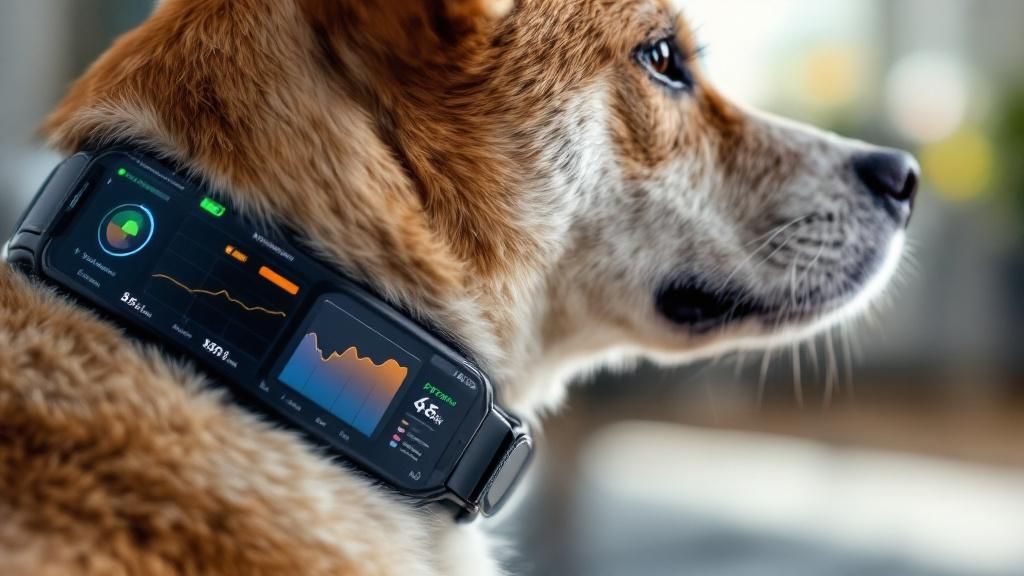
First and foremost is the rise of AI and machine learning. As noted in coverage of CES 2026 and by industry analysts, these aren't just simple activity counters anymore. Devices now utilize machine learning to establish a baseline for your individual dog's behavior, activity, and sleep. This allows them to detect subtle anomalies that could signal stress, pain, or the onset of illness long before you might notice anything wrong. Companies like PetPace are at the forefront, transforming raw data from sensors into AI driven insights and near real time alerts for proactive care.
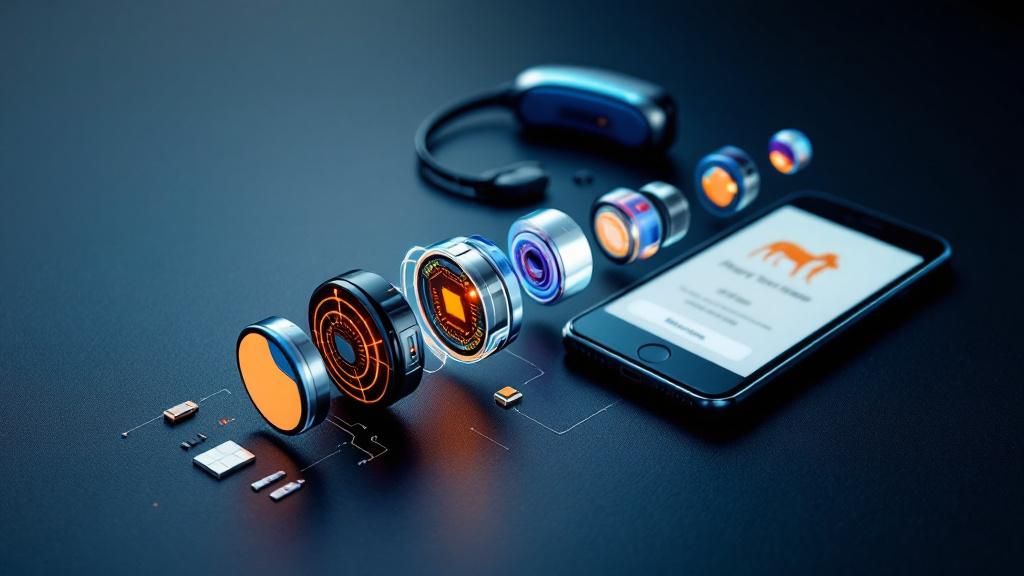
The hardware itself has also evolved. Modern systems, as outlined by tech developers, consist of two main parts: the physical device (a collar, tag, or home station) and the companion software app on your smartphone. Sensors have become smaller, more accurate, and more power efficient. We're seeing a move beyond just GPS and step counts to include sensors for monitoring vital signs like heart rate, respiratory rate, and skin temperature. Furthermore, RFID (radio frequency identification) technology is projected to account for over 42% of the market share in 2026. This tech is crucial for identification and basic monitoring, helping vets, shelters, and owners reliably recognize and track animals.
Finally, connectivity and integration are key. These devices don't operate in a vacuum. They sync seamlessly with cloud platforms and mobile apps, creating a continuous stream of data. This data then feeds into the larger ecosystem of pet care, including telemedicine platforms and veterinary practice apps, creating a comprehensive digital health profile for your pet.
Which Smart Devices Offer the Most Comprehensive Health Monitoring?
When we talk about devices, the landscape in 2026 is diverse, offering solutions for different needs and concerns. Based on expert reviews and market trends, here are the standout categories.
AI Powered Smart Collars and WearablesAs highlighted by the Los Angeles Times, smart collars and wearables represent the most advanced category. The PetPace collar is a prime example, offering 24/7 monitoring of vital signs and providing telemedicine access. These collars go far beyond fitness tracking. They monitor parameters like heart rate variability, resting posture, and calories burned, feeding this data into algorithms that can alert you to potential issues like arrhythmias, pain, or anxiety episodes. Leaders in this space, like Garmin International, continue to push the boundaries of what a wearable can do, combining location tracking with deep health analytics.
Smart Home Hubs: Feeders, Fountains, and CamerasThe home environment is a treasure trove of health data. CES 2026 showcased smart feeders and water fountains equipped with cameras and sensors that meticulously track eating and drinking habits. A sudden decrease in water consumption logged by a smart fountain could be an early indicator of kidney issues or diabetes. Similarly, a smart feeder can notify you if your dog skips a meal, a potential sign of dental pain or gastrointestinal upset. When paired with a smart camera that offers features like geofencing, multi camera support, and AI powered behavior analysis, you get a complete picture of your pet's daily routine and any deviations from it.
Integrated GPS Trackers with Health FeaturesFor the adventurous dog, safety and health are intertwined. Devices like the Ultimate Pet Tracker from DocuPet combine real time location tracking with activity monitoring. Knowing your dog's location provides immense peace of mind, but understanding their activity levels while on a long hike or at the dog park adds a health dimension. These waterproof devices with long battery life ensure you can monitor your pet's exertion and rest patterns even during outdoor adventures, which is useful data to have on hand for your vet.
How Are Mobile Apps and Telemedicine Transforming Veterinary Care?
The true power of these devices is unlocked through their accompanying software. The app ecosystem in 2026 is what turns data into actionable care, fundamentally changing the client veterinarian relationship.
Centralized Health Records and CommunicationVeterinary practice mobile apps, such as those offered by platforms like IDEXX, have evolved into essential patient information hubs. With a few taps, you can access your pet's complete medical records, vaccination history, and upcoming appointment reminders. Need to share vaccine records for a boarding stay? It's instant. These apps enhance communication, allowing you to request prescription refills, ask non urgent questions, and receive post operative care instructions directly, reducing phone tag and keeping everyone on the same page.
Specialized Condition Management AppsFor pets with chronic conditions, specialized apps are a game changer. Take the RVC Pet Diabetes app, for instance. It allows owners to diligently record blood sugar levels, weight, and changes in appetite, thirst, and urination output. You can set medication and feeding alerts, and access a library of instructional videos. This kind of precise, organized data logging empowers owners to manage complex conditions more effectively and provides veterinarians with a clear, chronological record for making informed treatment adjustments.
The Rise of Integrated Telemedicine PlatformsThis is perhaps the most significant shift. Companies like Felcana are delivering "digital pet care" by combining remote monitoring devices with direct access to veterinary advice. As Shiloh Veterinary Hospital's blog points out, 2026's telemedicine tools are more advanced and user friendly than ever. Imagine your dog's smart collar detects an elevated respiratory rate. Instead of just sending you an alert, the platform could facilitate a real time video consult with a veterinarian who already has access to the past 72 hours of your dog's vital sign data. This integration of live video, instant data sharing, and remote expert analysis creates a powerful tool for early intervention and peace of mind.
What Should You Look for When Choosing a Health Tracker for Your Dog?
With so many options, selecting the right system can feel overwhelming. Your choice should be guided by your dog's specific needs, your lifestyle, and what you want to achieve. Here are some practical considerations.
* Identify Your Primary Goal. Is your main concern overall wellness and activity? A strong GPS activity tracker might suffice. Do you have a senior dog or a breed prone to specific health issues? An AI powered vital signs monitor like PetPace would be more appropriate. For managing a condition like diabetes, a dedicated management app is essential.
* Evaluate Data Integration and Sharing. The best device is one that shares data easily. Look for systems that allow you to export reports or grant direct access to your veterinarian. smooth integration with your vet's existing practice management software is a huge plus, as noted in trends from Sky Canyon Animal Hospital, where AI is also being used to analyze lab results and imaging.
* Consider Battery Life and Durability. A health tracker is only useful if it's on your dog. For active dogs, waterproofing and a long battery life (like the week long battery mentioned by some trackers) are non negotiable. A collar that needs daily charging is often forgotten.
* Review App Usability and Alerts. Download the app store previews and read reviews. The interface should be intuitive. Pay attention to how alerts are configured; you want them to be informative but not overwhelming. User reviews for camera apps, for example, emphasize reliable notifications and AI accuracy over flashy features.
* Think About the Total Ecosystem. Your dog's health is managed through more than just a tracker. Consider how this technology fits with other services you use. Does the brand offer partnerships with telemedicine services? Can the data inform choices you make about your dog best dog subscription boxes, ensuring the treats and toys are appropriate for your dog's age and activity level? Could activity data help you tailor portions if you use a dog food delivery service? The most effective tech integrates smoothly into your entire care routine.
Final Thoughts
The world of advanced pet health tracking in 2026 is incredibly exciting. It's moving us from a model of reactive care to one of proactive partnership. These tools give us a voice for our pets, translating their silent signals into clear data we can act upon. They empower us to have more informed conversations with our veterinarians and catch potential health issues at their earliest, most treatable stages.
Remember, technology is a powerful ally, but it doesn't replace the irreplaceable: your own bond and observation, and the essential role of your veterinarian. These devices are best used as an extension of your care, providing a continuous stream of objective information to complement your subjective love and attention. Whether you opt for a sophisticated AI collar, a smart feeder to track nutrition, or a simple app to manage a health condition, you're taking a meaningful step toward a longer, healthier, and happier life for your dog. And that, after all, is what every pet parent wants.
Recommended Products



Find the Perfect Box for Your Dog
Compare top-rated dog subscription boxes and find the best fit for your pup.
Compare Boxes