High Performance Dog Gear Hype Uncovered
Discover if the latest outdoor dog gear innovations truly enhance adventures or are just stylish overkill.
Yes, high-performance outdoor dog gear trends are largely worth the hype, but with important context. The innovation in materials like waterproof, recycled fabrics and designs that prevent pulling without restricting movement directly addresses real-world safety and comfort needs for active dogs. However, the key is to match the gear's performance level to your actual lifestyle; a casual walker likely doesn't need the same technical harness as a backcountry hiker.
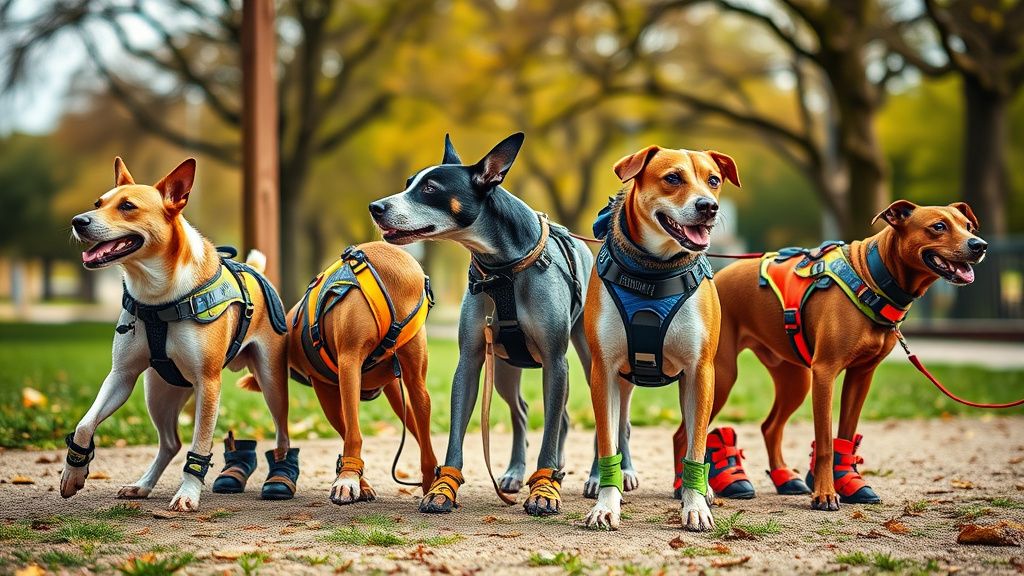
If you've spent any time scrolling through pet product launches or walking in a popular park lately, you've seen it: the sleek harnesses, the rugged little boots, the high-visibility vests that look ready for a mountain expedition. The market for high-performance outdoor dog gear is booming, with brands like Ruffwear leading a charge into 2026 with technical fabrics and expanded size ranges. It's easy to wonder if this is all just clever marketing, or if there's genuine substance behind the sleek designs. Having tested my fair share of gear with my own active dogs, I've found that the best of these trends are driven by a powerful blend of necessity, heightened awareness of canine well-being, and genuine innovation. This isn't just about looking the part; it's about solving real problems that arise when we take our adventures off the sidewalk and into the elements.
What's Driving the High-Performance Gear Trend?
The surge in advanced dog gear isn't born from a vacuum. Several key factors are converging to make owners more discerning and willing to invest.
First, there's a growing, research-backed awareness of our dogs' physical limits and the environmental risks they face. As noted in industry guides, owners now understand that hot pavement can burn paw pads, cold wind can chill small or short-haired breeds, and low-light conditions significantly increase accident risk. This knowledge shifts gear from a "nice-to-have" accessory to a thoughtful, preventative solution. We're moving past improvising with old sweaters or skipping hikes because of weather, and towards purpose-built equipment that expands our shared adventures safely.
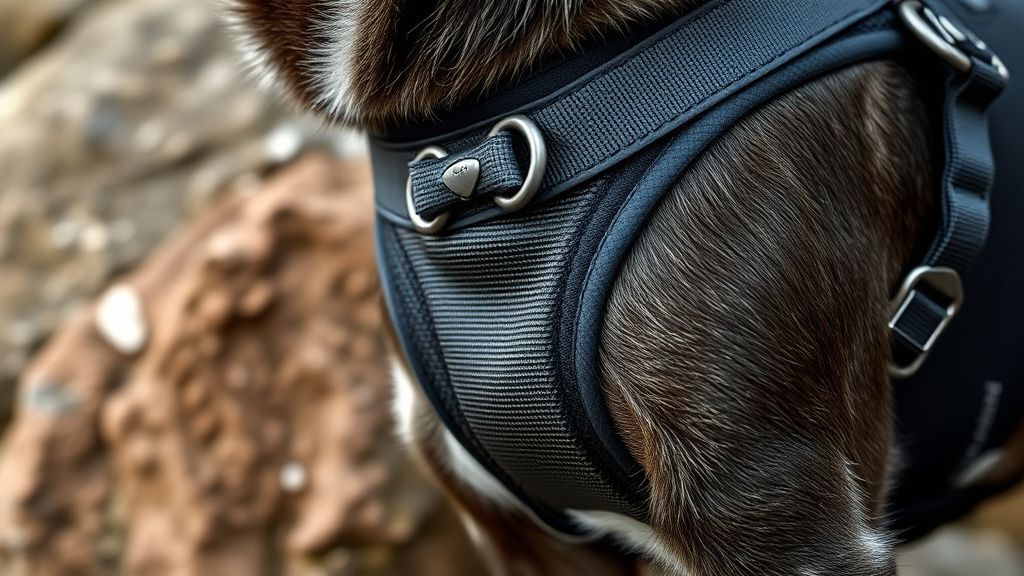
Second, the materials technology has genuinely evolved. The same technical fabrics found in high-end human outdoor apparel are now being adapted for dogs. For example, Ruffwear's 2026 Ridgeline harness features an X-Pac Shell Fabric that is ultra durable, lightweight, 100 percent waterproof, and made from recycled materials. This isn't just a marketing bullet point; it translates to a harness that can withstand abrasive rock, sudden downpours, and miles of trail use while aligning with the values of environmentally conscious owners. The performance is tangible.
Finally, our lifestyles have changed. More people are integrating their dogs into activities like hiking, camping, paddleboarding, and running. A simple nylon buckle collar and a retractable leash aren't just inadequate for these activities; they can be dangerous. The gear trend is a direct response to this new demand for professional grade reliability from a community that expects their equipment to perform as well as their own.
Key 2026 Trends: Hype vs. Helpful
Let's break down some of the most talked about trends and evaluate their real world utility.
Harnesses and Wide Collars Designed for BiomechanicsThis is arguably the most significant and worthwhile trend. The old model of a thin collar that puts pressure on a dog's trachea is being rightfully replaced by gear engineered for comfort and control. Experts emphasize that high quality gear must include harnesses and wide collars that prevent pulling without restricting movement. Modern no-pull harnesses often use a front-clip design to gently steer a dog, while Y-shaped chest plates avoid shoulder interference. Wide, padded collars distribute pressure more evenly if you do use a collar. This trend is pure benefit, addressing both training and physical well-being. It's a cornerstone of responsible gear, and worth every bit of attention it gets.
Technical, Sustainable FabricsAs mentioned, the use of fabrics like Ruffwear's X-Pac or similar materials from other brands represents a major leap. The hype around "ultra durable, lightweight, 100 percent waterproof" construction is real. For a dog that swims, scrambles over rocks, or adventures in wet climates, this durability translates to a longer product life and better protection. The integration of recycled materials is another layer that resonates deeply with today's pet parents, making the performance feel ethical as well as functional.
Integrated Systems and StyleThe line between pure function and style is blurring in a positive way. Brands are creating matching leash and harness sets, and designs that consider aesthetics alongside performance. As 2026 trend reports highlight, accessories are becoming a reflection of style and modern living. Is this hype? Partly, but it also speaks to gear becoming a smooth part of your and your dog's daily life. A well-designed, good-looking harness is one you'll use every day, not just on big adventures, ensuring your dog's comfort and safety consistently. It also means you're less likely to compromise on a poorly fitting "fashion" item because you can now find gear that offers both.
Specialized Adventure AccessoriesThis category includes items like portable collapsible water bowls, dog backpacks for carrying their own supplies, and high-performance life jackets with built-in harness handles like the acclaimed Ruffwear Confluence. The hype here is lifestyle-dependent. For the weekend warrior hitting the trails, a hands-free leash system and collapsible bowl are transformative. For the urban dweller, they might gather dust. The key is honest assessment: does this product solve a problem you actually encounter?
When Is High-Performance Gear Overkill?
With all this exciting innovation, it's tempting to gear up like you're preparing your dog for a summit attempt on Everest. But discernment is crucial. High performance gear can be overkill in several scenarios.
The most common is mismatch between activity level and product. A technically complex, heavy-duty harness designed for canyoneering and load-bearing is likely over-engineered, overly bulky, and unnecessarily expensive for a senior dog who enjoys gentle neighborhood strolls. Their needs are better met by a simple, comfortable, easy-on harness focused on joint support.
Another instance is over-accessorizing. Does your dog really need a full set of hiking boots, a cooling vest, a backpack, and a high-vis raincoat for a 30-minute walk in a suburban park? Probably not. This not only stresses your budget but can overwhelm your dog with unfamiliar sensations and gear. Start with the core item that addresses your primary need, often a good harness, and add only what proves necessary.
Finally, be wary of assuming gear replaces training. The most advanced no-pull harness is a tool, not a magic solution. It should be used in conjunction with positive reinforcement training to teach loose-leash walking. Similarly, a life jacket doesn't teach a dog to swim; it provides safety and buoyancy. Gear enhances safety and comfort, but it doesn't replace the foundation of a well-trained, confident dog. If your dog shows anxiety in new environments or with new equipment, our dog anxiety guide offers helpful strategies.
How to Choose the Right Gear for YOUR Dog
Navigating this landscape requires a shift in thinking: from "what's the best gear?" to "what's the best gear *for my dog and our life*?" Here's a practical approach.
1. Audit Your Actual Activities. Write down what you really do with your dog in a typical month. Is it 90% pavement walks, 5% park visits, and 5% easy trails? Your gear should be optimized for that 90%. A durable, comfortable everyday harness is a better investment than an ultra-technical one if you rarely hike.
2. Prioritize Fit and Function Over Features. A perfectly marketed harness with 10 adjustment points is useless if it doesn't fit your dog's unique shape. Look for gear reviewed by real owners with similar breed types. Websites dedicated to dog gear reviews tested by real dogs are invaluable here. The function should match your top need: control, comfort, visibility, or carrying capacity.
3. Start with the Foundation. Your foundational items are a well-fitted collar (or harness) ID tag, a sturdy leash, and perhaps a simple dog bed. Build outwards from there based on proven need. After mastering the foundation, you might add a dog subscription box for monthly treats and toys to keep things fun, but the core gear comes first.
4. Consider the Climate and Season. A dog coat is high-performance gear for a short-haired breed in winter, turning a "freezing, miserable hike into a crisp, invigorating adventure," as outdoor experts note. Cooling vests are performance gear for brachycephalic breeds in summer. These are targeted, high-utility purchases, not generic hype.
5. Think of Nutrition as Foundational Gear. The highest-performance external gear is supported by top quality internal fuel. A dog fueled by a diet rich in digestible protein and healthy fats will have better endurance and recovery. Whether you choose fresh dog food, raw dog food, or a premium kibble, proper nutrition is the ultimate performance enhancer, just like it is for human athletes.
The Verdict on Value and Investment
So, does this gear justify its often higher price tag? The answer is a conditional yes. The value lies in durability, safety, and enhanced experience.
A $70 harness made with cut-and-sew webbing and waterproof, abrasion-resistant fabric will almost certainly outlast three $25 harnesses from a big-box store. It will also perform better under stress, keeping your dog secure. That's a long-term savings. The safety payoff is incalculable: a visible vest prevents an accident, a life jacket keeps a tired swimmer afloat, boots protect against salt and hot asphalt.
The investment also enhances the quality of your shared life. The right gear removes barriers to adventure. It means you can hike further because your dog can carry their own water and food in a backpack. It means you can enjoy the winter together because a warm coat makes your dog comfortable. It means peaceful walks because a no-pull harness gives you kind, effective control. This isn't hype; it's the tangible joy of a deeper, more expansive relationship with your dog.
Final Thoughts
The world of high-performance dog gear in 2026 is exciting and full of genuine innovation. The hype is rooted in real advances in material science, a deeper understanding of canine physiology, and a cultural shift towards inclusive, active pet parenthood. The trend is worth buying into when it solves a specific, real problem for you and your dog.
Avoid the trap of acquiring gear for a lifestyle you aspire to but don't live. Instead, let your actual adventures, whether they're urban explorations or backcountry treks, guide your purchases. Invest first in the items that will see daily or weekly use, like a top quality harness. For more specialized items, consider borrowing from a friend or trying a more affordable version first to see if your dog tolerates it and you actually use it.
Remember, the goal isn't to have the most technically advanced closet for your dog. The goal is to use thoughtfully chosen tools to safely unlock more shared miles, more sunsets, more trails, and more memories. When gear does that, it's never just hype. It's a gateway to a better life together, and that is always worth the investment.
Find the Perfect Box for Your Dog
Compare top-rated dog subscription boxes and find the best fit for your pup.
Compare Boxes