Prepare For Your Puppy's First Vet Visit

Prepare for your puppy's first vet visit with our essential checklist for a smooth, successful appointment.
Your puppy's first vet visit should happen within 48-72 hours of bringing them home and includes a full physical exam, fecal parasite test, first vaccinations (DHPP), and deworming. Bring your breeder or shelter health records, a fresh stool sample, and a list of questions about feeding, socialization, and spay/neuter timing.
Bringing your new puppy home is a whirlwind of joy, chewed slippers, and adorable antics. In the middle of all that excitement, one appointment stands out as the cornerstone for their future health and happiness: the first visit to the veterinarian. This initial checkup sets the stage for a lifetime of well being. It’s more than just a quick look over; it’s a comprehensive health baseline and a chance for you to build a partnership with the professional who will help you raise your dog. Feeling a little nervous is completely normal, but with the right preparation, you can transform this visit into a positive and empowering experience for both you and your pup. Let’s walk through exactly what you need to do to get ready.
What to Bring to the Appointment
Think of your puppy’s first vet visit like a parent-teacher conference, but for your dog’s health. Having the right items with you will make the process smoother, reduce stress, and ensure your veterinarian gets the full picture. Here’s your essential packing list.
The Paperwork: Your Puppy’s Health History
Any veterinary records you received from the breeder or shelter are the most critical documents to bring. These often include proof of a first examination, notes on any early deworming treatments, and details about the initial vaccinations they may have already received. The American Kennel Club notes that reputable breeders generally include a veterinary examination, usually within three days of birth, in their contracts. This paperwork allows your new vet to pick up right where the previous care left off, avoiding any redundant treatments and creating a continuous health timeline.
A Stool Sample and Food Information
It might not be glamorous, but a fresh stool sample (ideally from that morning) is a valuable diagnostic tool. Your vet will use it to check for intestinal parasites, which are very common in puppies. Also, bring the bag or a note with the name of the puppy food you’re using, and how much you’re feeding at each meal. This helps your vet assess if the diet is appropriate for your puppy’s breed and age.
Your Questions and Observations
Come prepared with a written list of important questions or concerns. In the excitement of the visit, it’s easy to forget what you wanted to ask. Jot down everything, from “Is this chewing behavior normal?” to “How do I introduce my puppy to our cat?” Your vet is your best resource for these early parenting dilemmas. Also, bring notes on your puppy’s habits at home, like their energy levels, appetite, and bathroom routine. These everyday details can provide crucial clues about their health.
Safe Transportation
Your puppy’s safety is paramount. Small puppies will be more comfortable and safer if they travel in a crate. Do not assume that you will be able to hold your puppy in your arms when they experience all the new sights, sounds, and smells of the clinic; a sudden scare could lead to a dangerous jump. For very young pups, a secure carrier is ideal. For older puppies, a well fitted harness that attaches to a seatbelt is a good option. And don’t forget a leash for navigating the parking lot and clinic.
What to Expect During the Exam
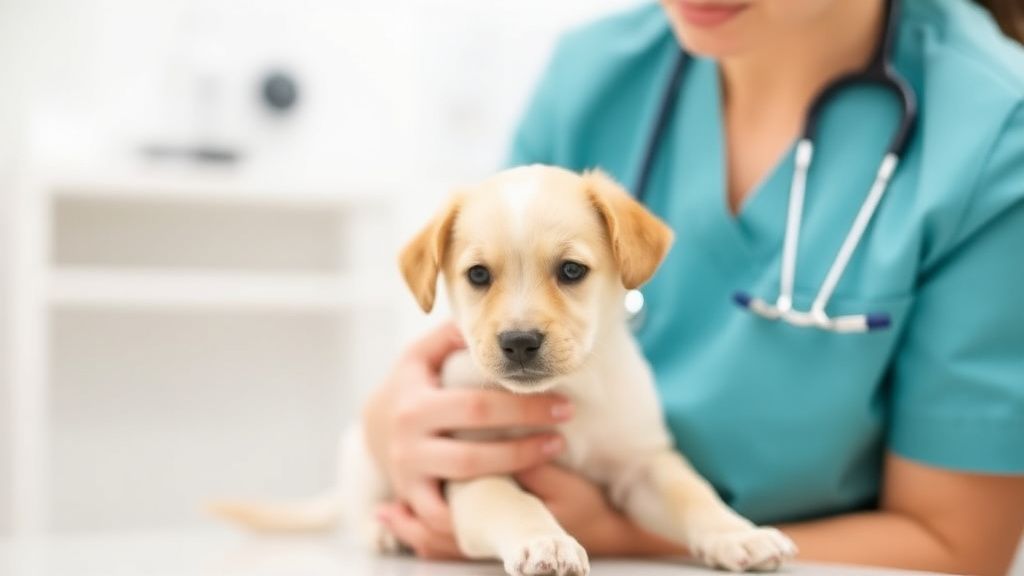
The Comprehensive Nose-to-Tail Physical
The cornerstone of the visit is a detailed physical examination. Your veterinarian will do a comprehensive head to toe exam to identify any concerns and rule out congenital abnormalities, such as a heart murmur or hip dysplasia. They will check your puppy’s eyes, ears, mouth, and teeth, listen to their heart and lungs with a stethoscope, palpate their abdomen, and examine their skin, coat, joints, and paws. This exam establishes a baseline for what is normal for your individual dog.
Weight and Measurements
One of the first things the veterinary team will do is get an accurate weight on your pup. This number is vital for calculating medication doses, including preventatives, and for tracking their growth trajectory over the coming months. They will also take their temperature. This process is often paired with lots of treats and gentle handling to make it a positive experience.
Discussion of Findings and Immediate Care
After the exam, your vet will discuss their findings with you. If they note anything of concern, like signs of a skin condition or an umbilical hernia, they will explain what it means and the recommended next steps. This is also when they will review your puppy’s records from the breeder or shelter and plan what vaccines are needed. Your pup may receive their first vaccination for DAP (distemper, adenovirus, and canine parvovirus), a rabies vaccine, and a Bordetella (kennel cough) vaccine. Your vet may recommend additional vaccinations based on geography, lifestyle, and exposure to other dogs.
Key Topics to Discuss With Your Veterinarian

This first visit is your prime opportunity to pick your vet’s brain. They are there to guide you through these first crucial months. I’ve found that coming with specific topics in mind helps new owners feel more confident and leaves with a clear action plan.
Creating a Vaccination and Deworming Schedule
Your vet will outline a complete vaccination schedule, usually spanning several months, to ensure your puppy is fully protected against common and dangerous diseases. They will also discuss parasite prevention strategies to avoid dangerous fleas, ticks, and heartworms. Your puppy may start with a deworming medication that will help them develop greater resistance. Preventative parasite treatments will be a regular part of your puppy’s ongoing treatments at home and later check ups. Be sure to ask about the prevalence of specific parasites in your local area.
Nutrition and Diet Planning
Puppy nutrition is a hot topic, and your vet is the perfect person to cut through the noise. Bring up the food you’re currently using and ask if it meets all the requirements for your puppy’s specific breed size and age. Discuss how often to feed, portion sizes, and when to transition to adult food. This is a great time to ask about using high value treats for training and whether a dog food delivery service or a curated dog best dog subscription boxes for toys and chews might be a good fit for your lifestyle. Your vet can help you balance a complete diet with safe, rewarding extras.
Socialization and Behavior Foundations
Early socialization is about more than just playdates. Ask your vet about the safest ways to expose your puppy to new people, places, and experiences before they are fully vaccinated. They can offer advice on puppy classes, which are often held in controlled, clean environments. Also, bring up any specific behaviors you’ve noticed, like nipping, barking, or house training challenges. Getting professional advice early can prevent small issues from becoming ingrained habits.
Long Term Health Planning
This conversation looks toward the future. Key topics include the benefits and timing of spaying or neutering, the importance of dental care, and considering microchipping. Microchipping is a simple and effective way to make sure your dog can be readily identified if they ever get lost. Many clinics offer this service during a puppy visit. Discussing these topics now helps you make informed decisions when the time comes.
How to Prepare Your Puppy for a Positive Experience
A puppy’s first impression of the vet clinic can shape their attitude toward veterinary care for life. Your role is to make this adventure as stress free and positive as possible. A little preparation at home goes a very long way.
Acclimate Them to Handling
In the days before the appointment, gently get your puppy used to being touched all over. Practice looking in their ears, lifting their lips to see their teeth, and handling their paws. Pair every touch with a delicious treat and plenty of praise. This makes the vet’s examination feel less invasive and strange. In my experience, puppies who are accustomed to this handling are noticeably calmer on the exam table.
Make the Carrier or Car Ride a Happy Place
If you’re using a carrier, don’t just bring it out for vet visits. Leave it out with the door open, place cozy blankets and their favorite toys inside, and feed them meals near it. Toss treats into the carrier so they learn to go in voluntarily. For car rides, start with short, fun trips that end somewhere enjoyable, like a quiet park for a little exploration. You want them to think, “Yay, we’re going somewhere!” not “Oh no, the scary box!”
Bring Comfort and High Value Rewards
On the day of the visit, bring a familiar blanket or a small toy that smells like home. This can provide comfort in the waiting room. Most importantly, bring the good stuff: the best dog treats you have. Small, soft, and smelly treats are perfect for rewarding calm behavior and for the vet team to use during the exam. Let the staff know you have treats so they can use them to build a positive association. A hungry, treat motivated puppy is often a cooperative puppy.
Final Thoughts
Your puppy’s first vet visit is a foundational moment in your journey together. It’s the day you move from being just a pet owner to being an informed and proactive healthcare advocate for your dog. By bringing the right items, understanding what will happen, having those important conversations, and preparing your puppy for the experience, you set the stage for a lifetime of good health and a positive relationship with veterinary care. Remember, your vet is your partner. No question is too small, and no concern is silly. This visit is about building a team around your new family member. Take a deep breath, pack those treats, and celebrate this step. You’re doing a great job giving your puppy the best possible start.
Recommended Products



Find the Perfect Box for Your Dog
Compare top-rated dog subscription boxes and find the best fit for your pup.
Compare Boxes