Your Puppys First 72 Hour Guide

Navigate your puppy's critical first 72 hours with this hour-by-hour setup guide for a smooth and confident start together.
Your puppy's first 72 hours at home are a critical adjustment period focused on safety, rest, and gentle bonding. Expect some whining, frequent potty breaks, and erratic sleep as your pup settles in. The key is to establish a quiet routine, offer a consistent feeding schedule, and schedule a vet visit within the first few days to ensure a healthy start.
Bringing home a new puppy is one of life's great joys. That first wiggly, curious, and utterly adorable bundle of fur represents the start of a wonderful journey. But let's be honest, it can also feel overwhelming. You're suddenly responsible for a tiny, vulnerable creature who doesn't know your rules, your home, or you. The first three days are a monumental shift for everyone involved, puppy and human alike. This hour by hour guide is designed to take the guesswork out of those initial 72 hours. We'll walk through what to realistically expect, how to minimize stress, and how to lay the foundation for a happy, well adjusted companion. Think of it as your roadmap for navigating the exciting, sometimes messy, and completely rewarding first days of puppy parenthood.
Hours 0-24: The Settling-In Period

The car ride home is your first shared experience. For the puppy, it's likely strange and frightening. Have a helper hold the puppy in a crate or secure carrier with a soft blanket, ideally one that smells like their littermates or mother. Speak in calm, soothing tones. Once you arrive, carry your puppy to their designated potty spot before even going inside. This immediately starts the association you want. They likely won't go, but the ritual is important.
Inside, keep things quiet. Limit the welcome party to just the immediate household. This isn't the time for a neighborhood meet and greet. Show your puppy their safe spaces: the crate with the door open, a puppy proofed playpen area, and their water bowl. Let them explore these core areas at their own pace. Don't force interaction if they seem hesitant.
The First Night: Expect Some Whining
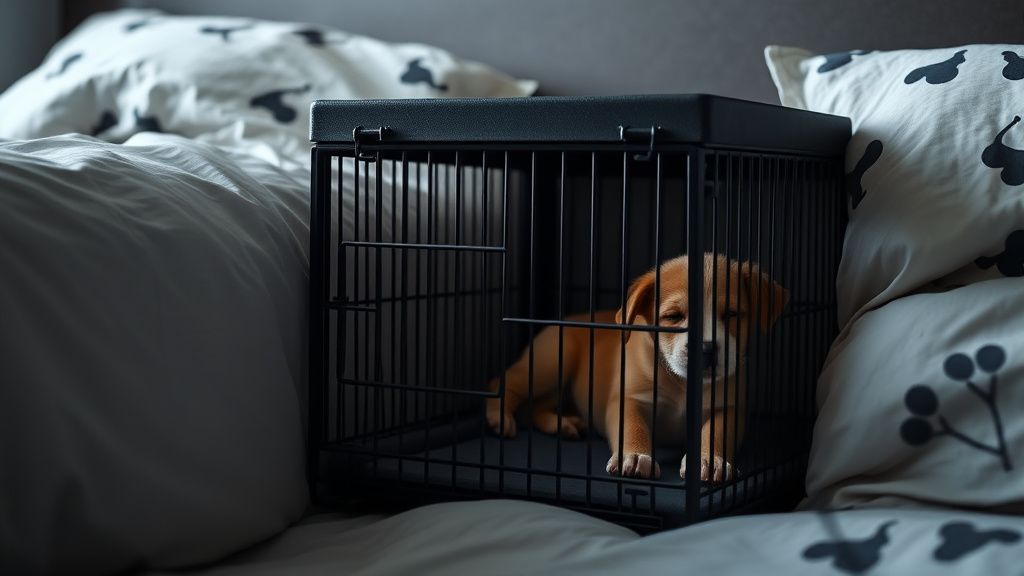
Sleep will be fragmented, for both of you. Your puppy is in a brand new environment, away from the warmth and noise of their siblings for the first time. It's normal and expected for them to whine, cry, or bark during the night. Experts from Good Dog People™ confirm that surviving the first night is a common challenge. Place the crate right next to your bed so they can hear and smell you. Reach down and offer a quiet word of reassurance if the crying escalates, but avoid taking them out for cuddles unless it's a scheduled potty break. This teaches them that whining doesn't earn playtime, but does earn a quick, boring trip outside.
Feeding should follow the schedule provided by the breeder or shelter to avoid stomach upset. Offer small amounts of the same food they're used to, with fresh water always available. Remember the AKC's crucial house training advice: take your puppy outside at least every two to four hours and immediately after every nap, meal, and play session. This first day is about observation, patience, and creating a sense of security.
Hours 25-48: Establishing Gentle Routines
By the second day, the initial shock may wear off, and your puppy's true personality might start to peek through. They may be a bit more adventurous or, conversely, a bit more clingy. Both are normal. This is the time to very gently introduce the concept of a routine, which the AKC emphasizes is vital for a puppy's sense of security.
Stick to the same wake up, potty, feed, play, potty, nap cycle. Consistency is your best friend. Use mealtimes as a bonding and training opportunity. Hand feed a few kibbles to build trust, or place their food in the crate with the door open to create positive associations. Begin using their name and simple, happy praise when they come to you or succeed at going potty outside.
Limit the environment. It's tempting to give them free run of the house, but this can be terrifying and lead to accidents or chewing. Use baby gates or a playpen to keep them in the room with you. Supervise all interactions with children and other pets closely. This period is also ideal for introducing a single, short, positive grooming session like gently brushing them or handling their paws.
If you're considering a change in diet, perhaps to a fresh dog food delivery service or another premium option, do not start yet. Wait until after the first vet visit and then transition very slowly over 7 10 days to avoid digestive issues. For now, consistency in diet is key to managing stress.
Hours 49-72: Building Confidence and the First Vet Visit
By the third day, you'll start to see more of a rhythm. You're learning your puppy's "I need to go" signals, and they're learning the layout of their new world. This is a good time to introduce one or two new, mild experiences, like a different textured surface in the house or a quiet, short sit on the front porch to watch the world.
The most critical task in this window is scheduling and attending your puppy's first veterinary appointment. As highlighted by Double U Doodles, you should plan this visit within the first few days after bringing your puppy home. This is not just a formality. It's a comprehensive health check to ensure your puppy is free from parasites, to discuss a vaccination schedule, and to establish a relationship with your vet.
What to Bring to the Vet
* Any medical or vaccination records from the breeder or shelter.
* A fresh stool sample (usually from that morning).
* A list of questions about feeding, parasite prevention, and socialization.
* Your puppy in a secure carrier or on a leash.
The vet will perform a physical exam, possibly administer vaccines or deworming medication, and talk about future care. It's a lot of information, so don't hesitate to take notes. This visit sets the stage for your puppy's long term health, so view it as an essential investment.
After the vet, keep the day calm. Your puppy may be tired or a little sore from shots. Offer a quiet place to rest, plenty of water, and some gentle affection. You can begin to introduce a few basic training concepts like "sit" for a treat, using some of the best dog treats as high value rewards. Keep sessions incredibly short, about 2 3 minutes, and always end on a positive note.
Common Challenges in the First 72 Hours
Even with perfect planning, you'll face hurdles. Knowing they're normal can help you stay calm and responsive.
Whining and Crying: This is the most common issue, especially at night. It's a sign of fear and loneliness, not manipulation. Provide comfort through proximity (the crate by your bed) and a piece of your worn t-shirt in the crate for your scent, but resist the urge to reward the noise with play. Potty Accidents: They will happen. The key is to not get angry. Clean accidents thoroughly with an enzymatic cleaner to remove the scent. If you catch them in the act, interrupt with a gentle "Oops!" and immediately carry them to the correct spot. Praise them lavishly if they finish there. Remember, their bladder is tiny and their control is minimal. Adhering to that every two hour potty schedule is your best defense. Lack of Appetite: Some puppies may be too stressed to eat much at first. Offer their regular food at scheduled times. If they skip a meal, don't panic. Ensure they are drinking water. If appetite doesn't pick up in 24 hours, mention it to your vet. To encourage eating later on, you might explore a dog subscription box that sends curated, novel treats and toys each month to add excitement. Mouthing and Nipping: Puppies explore the world with their mouths. When those needle sharp teeth grab your hand, let out a high pitched "Yip!" to mimic a littermate, immediately stop play, and redirect them to an appropriate chew toy. Consistency from every family member is crucial.Setting Up for Long Term Success
The first 72 hours aren't about perfect obedience. They're about trust. You are building the foundation of your relationship. The routines you gently introduce now the crate as a safe den, the predictable potty breaks, the calm handling will pay dividends for years.
Start thinking about your long term plans. What training philosophy will you use? How will you socialize them safely after they are fully vaccinated? What does their ideal adult diet look like? Having a vision helps you make consistent daily choices. For instance, if you want to feed a specialized diet, researching raw dog food or freeze-dried dog food options now gives you time to discuss them with your vet.
Most importantly, take a breath. Take pictures. Soak in the puppy smell. The chaos is temporary, but the bond you're forming is the beginning of something truly special. For more guidance on helping your pup through stressful transitions, our dog anxiety guide offers deeper strategies for the weeks and months ahead.
Final Thoughts
Welcoming a puppy is a marathon, not a sprint. These first 72 hours are the starting line, a time of profound adjustment filled with small victories and inevitable challenges. You might feel exhausted, and your puppy might seem confused. That's all part of the process. Success isn't measured by a perfectly quiet night on day one or zero accidents. It's measured by the gradual softening of your puppy's anxiety, the first time they willingly trot into their crate, or the moment they look to you for guidance.
Your patience, consistency, and calm presence are the greatest gifts you can give your new family member right now. You are their entire world. By providing safety, meeting their basic needs, and introducing gentle structure, you are speaking a language they understand: the language of security and care. Trust that you are building the groundwork for a confident, happy dog. Enjoy the journey, even the messy parts. Before you know it, you'll be looking back on these first three days, wondering how that tiny ball of fluff grew into your beloved, loyal companion.
Find the Perfect Box for Your Dog
Compare top-rated dog subscription boxes and find the best fit for your pup.
Compare Boxes