Decode Your Puppy's Emergency Crate Bark

Decode your puppy's crate barks: urgent potty signal or just anxiety? Learn the difference to respond right.
The key difference lies in the behavior that precedes the bark. A potty plea typically starts with restless pacing in the crate before any vocalization. A panic bark is more intense and sustained, often accompanied by drooling, destructive chewing, or accidents in the crate itself. Attention whining often involves a pattern of barking that eventually tapers into frustrated grumbles.
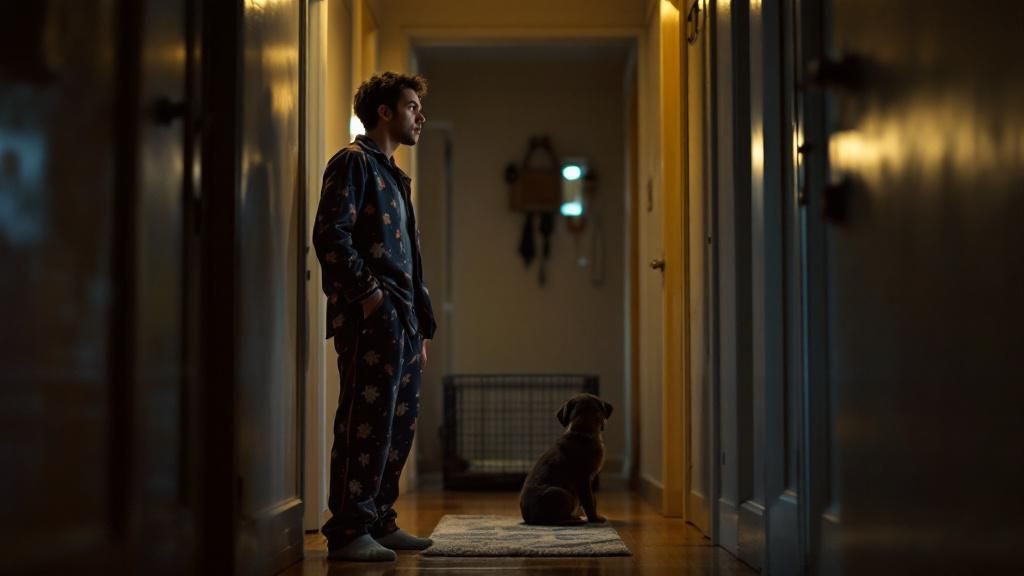
Hearing your puppy bark or whine from their crate in the middle of the night can send any new pet parent into a spiral of worry and doubt. Is it an emergency? Do they need to go out right now, or are they just lonely? That urgent sound cuts right through you, and the fear of making the wrong call, either reinforcing bad habits or causing an accident, is real. I've been there, pacing the hallway just as anxiously as the puppy. The good news is that our puppies communicate with us through more than just sound. By learning to read their entire body language and the context of the situation, you can start to decode those midnight messages with confidence. This guide will walk you through the subtle and not so subtle signs that separate a genuine potty plea from a case of panic or a simple desire for company.
The Three Types of Crate Vocalization
First, let's break down what your puppy might actually be trying to tell you. Based on expert observations and trainer insights, crate noises generally fall into three categories.
The "I Can't Hold It" Potty PleaThis is the legitimate emergency call. Puppies have tiny bladders and limited control. As noted by PetMD, they often cry when they genuinely need to urinate or defecate. The research from Family Pupz highlights a crucial behavioral clue: this whine is usually *preceded* by physical restlessness. Your puppy will likely be pacing, circling, or sniffing intently in the crate, trying to find an appropriate spot, *before* they start to vocalize. The bark or whine that follows is their final alert. It’s often more urgent and singular in purpose compared to other types of whining.
The "I Want You" Attention WhineThis is the most common nighttime sound for many new puppies. As FidoSavvy explains, this general complaining is just your puppy's way of saying they'd prefer to be right next to you at all times. They are pack animals, and being alone is an unnatural state they need to learn to tolerate. On Reddit, one user described a clear pattern for attention whining: their puppy would do a "bark-whine" and bark for several minutes, but when it died down, they'd hear a little frustrated grumble or cry. This pattern of escalation and then resignation is a classic sign of protest, not physical need.
The "I'm Scared" Panic Bark
This is the most serious vocalization and requires a different approach. True crate panic, as described by SongDog Kennels, goes beyond simple complaining. The dog may bark excessively, drool, chew on the crate bars so violently they risk breaking teeth, or urinate and defecate out of sheer fear. The team at the Blue Ridge Humane Society makes a vital distinction: there is a clear difference between some whining to be let out and a dog that is having a genuine panic attack. Panic is a state of heightened distress, not a manipulative behavior.
Decoding the Signs: A Side-by-Side Comparison
To make it easier in the moment, here’s a quick reference guide. Look for these clusters of behaviors.
| Sign | Potty Plea | Attention Whine | Panic Attack |
|---|---|---|---|
| Pre-Bark Behavior | Restless pacing, circling, sniffing. | May start barking immediately upon being left. | Intense, immediate distress upon crate closure. |
| Type of Vocalization | Urgent, singular whine or bark after restlessness. | Patterned: may bark, pause, then give a frustrated grumble. | Relentless, high-pitched barking, crying, or howling. |
| Physical Signs | Squatting posture, sniffing rear end. | Lying down, then popping up to bark. May paw at door. | Drooling, destructive chewing on crate, frantic scrambling. |
| Elimination | Will likely go immediately when taken out. | Unlikely to go if taken out; may just want to play. | May urinate/defecate in the crate *despite* themselves. |
| Response to You | Focused on getting to the potty spot. | Excited to see you; seeks interaction. | May seem frantic or overly submissive; not easily calmed. |
Your Action Plan: How to Respond Correctly to Each
How you respond in the first few seconds is critical. Your reaction teaches your puppy what their barking can achieve.
Responding to a Potty PleaThis is the only time you should let them out of the crate immediately *while they are actively vocalizing*. Why? Because you are rewarding the alert for a biological need. However, keep it supremely boring.
* Take them directly to their potty spot. Use a leash if needed.
* No talking, no petting, minimal eye contact. This is a business trip.
* If they eliminate, offer calm, quiet praise and a tiny, boring treat. Then return straight to the crate.
* If they do *not* go within 3-4 minutes, assume it was not a potty plea. Calmly return them to the crate. This helps them learn that barking only results in a boring potty break, not a party.
Responding to an Attention WhineThis is where consistency is everything. The Humane Society of Western Montana warns that letting your puppy out while they are whining teaches them that whining works, and they'll just do it louder and longer next time. The key is to wait for silence.
* Do not respond immediately. Let the bark-whine cycle play out. As the Reddit user noted, it may die down into a grumble.
* The instant there is a pause of even a few seconds, that's your window. The Blue Ridge Humane Society notes that dogs have an association period of about one second, so reward the quiet, not the noise.
* You can choose to quietly approach and drop a small treat into the crate for being calm, or you can open the crate after a sustained quiet period. The goal is to never open the door while barking is happening.
Responding to a Panic AttackTrue panic is a welfare issue and cannot be ignored. You cannot reinforce a fear response in the same way you reinforce a demand. Your goal is to help your puppy feel safe, not to train them in that moment.
* If your puppy is drooling, hurting themselves, or losing control of their bladder/bowels, they need your help.
* Do not reward the panic with a fun play session, but do intervene. This might mean sitting by the crate until they calm, using a calming pheromone spray like ThunderEase (as suggested by PetMD), or even letting them out and trying a different confinement method (like a puppy-proofed bathroom) for that night.
* The next day, seek professional help. Contact a Certified Professional Dog Trainer (like those referenced by the Humane Society of Western Montana) to develop a gradual desensitization plan for the crate. This is beyond typical training and requires expertise.
Setting the Stage for Fewer Emergencies: Proactive Crate Training
The best way to handle nighttime barking is to prevent as much of it as possible through smart setup and routine.
Master the Pre-Bedtime Routine* Cut Off Food and Water: The JustAnswer veterinary expert advises ensuring your puppy does not eat or drink for two hours prior to bedtime. This dramatically reduces the biological need for a middle-of-the-night trip.
* Last Call Potty Break: Always take your puppy for a final, calm potty break right before crating them for the night. Make sure they fully empty their bladder.
* Crate Location Matters: Having the crate in your bedroom, at least initially, solves many loneliness issues. Your presence is incredibly reassuring.
Build Positive Crate AssociationsMake the crate the best place to be, all day long.
* Feed meals in the crate with the door open.
* Offer special, long lasting treats only in the crate, like a stuffed Kong. This turns crate time into a treasure trove.
* Practice short, positive crating sessions during the day while you're home. This builds the "crate = calm" association outside of the stressful nighttime context.
Utilize Calming AidsDon't underestimate the power of creating a soothing environment.
* Calming Music: As PetMD suggests, playing soft, calming music or white noise near the crate can muffle startling household sounds and promote relaxation.
* Comfort Items: A piece of your worn clothing (with your scent) or a safe, warm snuggle toy can help.
* Pheromone Diffusers: Products like ThunderEase mimic the comforting pheromones a mother dog produces and can signal safety to a anxious pup.
When to Seek Professional Help
Most crate whining improves within a week or two with a consistent, patient routine. However, some signs indicate you need backup.
* Escalation to Panic: Any signs of self injury (broken teeth, raw paws) or extreme, inconsolable distress.
* No Improvement: If, after two weeks of flawless routine and consistent responses, the barking is unchanged or worse.
* You're Feeling Overwhelmed: A good trainer is a coach for *you* as much as for your puppy. They can provide moral support and tailored strategies. The investment in a session or two can save months of sleepless frustration.
Final Thoughts
Learning to distinguish your puppy's emergency crate bark from a simple plea for attention is a fundamental skill of early dog parenting. It starts with observation: watch for that restless pacing that signals a real need, listen for the patterned bark-whine of protest, and take seriously the frantic signs of true panic. Remember, your response in those dark, quiet moments teaches your puppy what to expect from their world. By responding to true needs with boring efficiency and to demands with calm indifference, you build trust and understanding. The crate should ultimately become a safe den, a place where your puppy chooses to retreat with a favorite chew from their dog best dog subscription boxes or to nap after a meal from their reliable dog food delivery service. It takes patience, but with these guidelines, you'll both be sleeping through the night before you know it.
Recommended Products



Find the Perfect Box for Your Dog
Compare top-rated dog subscription boxes and find the best fit for your pup.
Compare Boxes