Calm Your Anxious Rescue Dog Now

Rescue dogs often have anxiety from past trauma. Learn gentle ways to help them feel safe and secure.
Rescue dogs often have anxiety due to traumatic past experiences like abandonment, neglect, or shelter life, which can lead to separation anxiety, fear, and stress. You can help by providing a consistent routine, using positive reinforcement training, and consulting a veterinarian to rule out medical issues and discuss a treatment plan that may include training, supplements, or medication.
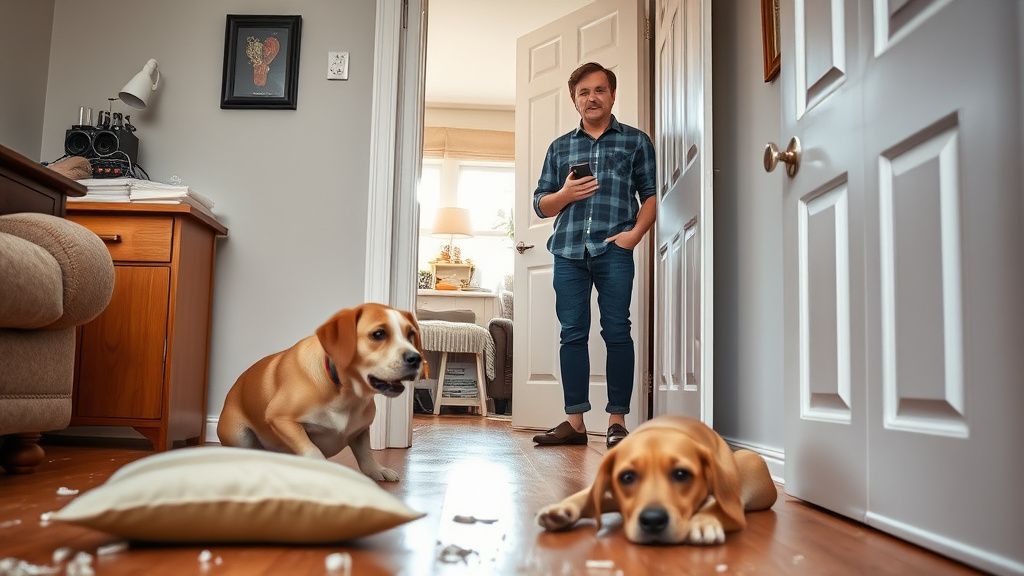
You open the door after a quick errand, and your heart sinks. There’s that familiar scene: the chewed-up pillow, the anxious pacing, the drool puddle by the door. Your rescue dog isn’t being “bad.” They’re terrified. If you’re reading this, you’re likely navigating the challenging but incredibly rewarding journey of helping a dog with a troubled past find peace. I’ve been there, and I want you to know you’re not alone. Understanding the "why" behind your dog's anxiety is the first, most crucial step toward building their confidence and creating a happier home for both of you.
The truth is, anxiety in rescue dogs is incredibly common and absolutely understandable. As experts note, these dogs have often experienced their fair share of hard times, including abandonment, neglect, or life in a shelter. These events can leave deep emotional scars that manifest as separation anxiety, fear of crates, or heightened stress in new situations. The good news? With patience, consistency, and the right approach, you can guide your dog toward a more confident and calm life.
What Causes Anxiety in Rescue Dogs?
To effectively help your dog, we need to look at the roots of their fear. It’s rarely about one single event but rather a combination of factors from their past and present.
Past Trauma and Instability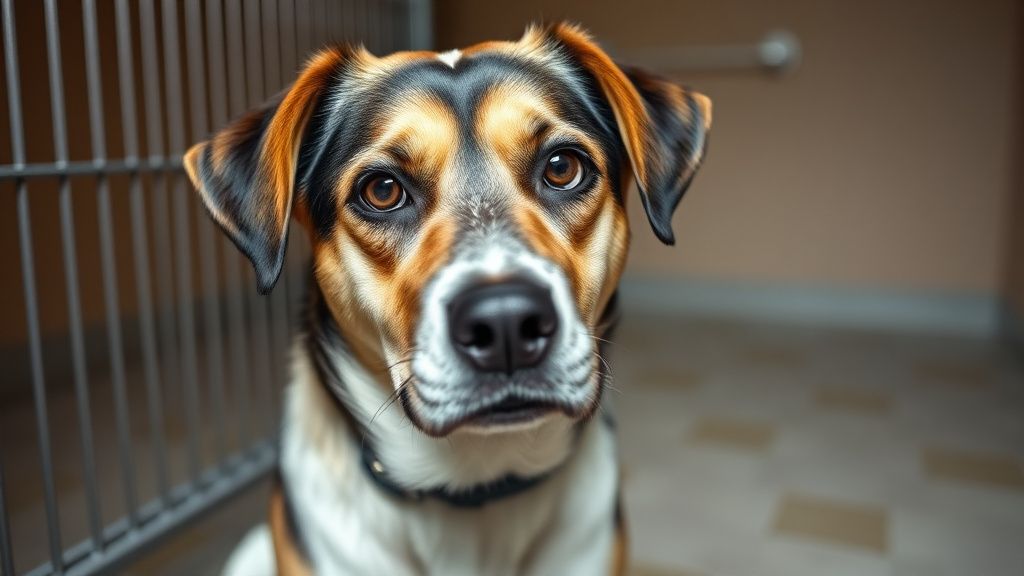
For many rescue dogs, their anxiety is a direct result of their history. Perhaps they were surrendered by a family they loved, abandoned on the street, or worse, victims of abuse. The ASPCA and other behavior experts confirm that such experiences are major contributors to behavioral issues. Life in a shelter, while a safe haven, can also be incredibly stressful with its constant noise, confinement, and unpredictability. This history means your dog’s world has fundamentally been unstable. They’ve learned that good things, like a safe home and loving people, can disappear without warning.
Lack of Socialization and RoutineMany rescue dogs missed out on critical socialization periods as puppies. They might never have learned that vacuum cleaners are harmless, that strangers can be friendly, or that being alone is temporary. Furthermore, their lives before you likely lacked any predictable structure. When a dog doesn’t know what to expect next, their baseline stress level remains high. As dog behaviorist Adem Fehmi points out, a set structure is vital for helping a new dog settle in, providing the mental security they desperately need.
Underlying Medical IssuesThis is a critical point that’s often overlooked. Before assuming a behavior is purely psychological, a veterinary check up is essential. Pain from arthritis, discomfort from an infection, or the cognitive decline associated with aging can all mimic or exacerbate anxiety symptoms. A dog that suddenly becomes fearful or destructive might be trying to tell you they hurt. The AKC and Cornell University College of Veterinary Medicine emphasize that ruling out medical causes is a fundamental first step in any treatment plan.
Recognizing the Signs of Anxiety
Anxiety doesn’t always look like a trembling, cowering dog. It can wear many disguises. Learning to read your dog’s unique signals is key.
Common Behavioral Signs* Destructive Behavior: Chewing door frames, scratching walls, or destroying household items when left alone is a classic sign of separation distress.
* Excessive Vocalization: Non-stop barking, whining, or howling, especially when you prepare to leave or are gone.
* Pacing and Restlessness: An inability to settle, often following a specific path or pattern.
* Potty Accidents: Urinating or defecating indoors, particularly when a previously house trained dog does so in your absence or during stressful events.
* Escape Attempts: Frantic efforts to break out of crates or through windows and doors, which can lead to serious injury.
More Subtle Physical CluesSometimes the signs are quieter. Look for:
* Panting, drooling, or yawning when not hot or tired.
* Whale eye (showing the whites of their eyes).
* Pinned back ears and a low, tucked tail.
* Lip licking or avoiding eye contact.
* Shaking or hiding.
If you notice these signs, our detailed dog anxiety guide can help you identify specific triggers and types of anxiety.
Building a Foundation of Safety and Trust
Helping an anxious dog isn’t about a quick fix. It’s about building a new, positive association with the world from the ground up. Consistency and predictability are your most powerful tools.
Create an Ironclad RoutineDogs thrive on knowing what comes next. Feed them at the same times, walk them on a consistent schedule, and establish regular potty and play times. This routine tells your dog, “You are safe here. Your needs will be met.” It reduces the background stress of uncertainty and allows them to relax.
Provide a Safe SanctuaryEvery anxious dog needs a designated safe space. This could be a cozy crate (if they are crate trained positively), a specific room, or a bed in a quiet corner. Make this area incredibly positive. Feed them special meals there, offer their favorite chews, and never use it for punishment. This gives them a place to retreat when the world feels overwhelming.
Use Calming Aids StrategicallyWhile not a substitute for training, tools like calming supplements, adaptogenic chews, or pheromone diffusers (like Adaptil) can take the edge off while you work on behavioral changes. PetMD notes that treatment often involves a combination of behavioral training and natural calming supports. Introducing novel, high value treats from a dog food delivery service during calm moments can also help build positive associations.
Practical Training Techniques to Reduce Anxiety
With your foundation of safety set, you can begin implementing specific training methods to change your dog’s emotional response to stressors.
Desensitization and Counter-ConditioningThis is the gold standard for treating fear based anxiety. It involves exposing your dog to a very mild version of their trigger (like you picking up your keys from across the room) and immediately rewarding calm behavior with an incredible treat. You very gradually increase the intensity (moving closer to the door) as long as your dog remains relaxed. The goal is to change their association from “Keys mean mom is leaving and I’ll panic!” to “Keys mean I get this amazing chicken!”
Mastering “Alone Time” TrainingFor separation anxiety, you must teach your dog that being alone is safe and even rewarding. Start with micro absences.
1. Practice your departure routine (putting on shoes, grabbing keys) and then don’t leave. Just sit down.
2. Step out the door for one second, then immediately come back in. Be boring.
3. Very slowly, over days and weeks, increase the duration you are gone. Always ensure your dog is calm and relaxed before you increase the time.
The key is to never push them past their threshold into panic. Resources like Black Paw Dog Training offer excellent, step by step guides for this process.
Mental and Physical EnrichmentA tired dog is often a calmer dog, but mental stimulation is just as crucial as physical exercise. Boredom can absolutely exacerbate anxiety. Incorporate puzzle feeders, scent work games, short training sessions, and structured walks where they can sniff. A monthly dog subscription box can be a fantastic way to regularly introduce new, engaging puzzles and toys that challenge their brain in a positive way.
When to Seek Professional Help
There is no shame in asking for help. In fact, it’s a sign of excellent, committed pet parenting.
Consult Your VeterinarianYour vet is your first and most important partner. They can perform a full exam to rule out pain or illness, discuss the role of diet, and talk about all treatment options. For some dogs with severe anxiety, medication may be recommended. As noted by South Seattle Veterinary, medication can correct a chemical imbalance and make your dog more receptive to training, much like it does for people. It’s a tool, not a failure.
Work with a Certified ProfessionalA certified dog behavior consultant or a veterinary behaviorist can create a customized behavior modification plan for you. They can observe your dog’s specific triggers and body language and provide hands on coaching. Look for professionals who use force free, positive reinforcement methods, as fear based training will only make an anxious dog’s problems worse.
Final Thoughts
Walking the path with an anxious rescue dog requires immense patience. There will be setbacks. There will be days you feel frustrated. But please remember this: every small sign of progress, every moment your dog chooses to lie down calmly instead of pace, is a monumental victory. It’s a testament to their resilience and your loving commitment.
You are not just managing symptoms. You are actively healing a heart that has been hurt. You are rewriting a story of fear into one of security. By providing consistency, seeking professional guidance when needed, and celebrating the tiny wins, you are giving your dog the greatest gift: the chance to finally feel safe. The journey may be long, but the destination a confident, trusting companion is worth every single step. For more tips on creating a happy home, explore our guide on helping your new dog adjust.
Find the Perfect Box for Your Dog
Compare top-rated dog subscription boxes and find the best fit for your pup.
Compare Boxes