Hidden Signs Of Dog Anxiety
Spot subtle canine anxiety signs like yawning, lip licking, or whale eye to help your stressed pup.
Dog anxiety often shows through unexpected changes in behavior. Your dog might become aggressive, hide, or whine. They could also exhibit subtle signs like yawning when not tired, snatching treats roughly, or being easily startled by everyday objects.
As a dog owner, you know your furry friend better than anyone. You recognize their happy tail wags, their content sighs after a meal, and the excited dance they do when you grab the leash. But sometimes, our dogs communicate distress in ways that are easy to overlook or misinterpret. We might chalk up a new behavior to stubbornness, aging, or just a "quirky" personality, when it's actually a cry for help. Anxiety in dogs is more common than many people realize, and it manifests in a spectrum of signs, from obvious to incredibly subtle.
Understanding these signals is the first and most crucial step in providing relief. An anxious dog isn't being "bad"; they are struggling. By learning to read the hidden signs, you can transform your dog's world from one of worry to one of comfort and security. Let's explore five of the most commonly missed indicators that your dog may be dealing with anxiety.
What Does Anxiety Look Like in Dogs?
Anxiety isn't a one size fits all condition. According to experts from Tufts University, anxious dogs can show a wide range of physical and behavioral signs. They may pant, pace, tremble, drool, withdraw from their owner, or hide. On the other end of the spectrum, the same anxious feeling can surface as irritability or aggression, including barking or growling.
The triggers can be just as varied. Some make immediate sense to us, like loud noises, car rides, or a big barking dog at the park. Other triggers, as noted by PetHub, might seem irrational to us, such as people wearing hats or glasses, or inanimate objects like a lamp. This unpredictability is why observing your dog's specific reactions in different contexts is so vital. It's not about the object itself, but the association of fear or uncertainty your dog has formed with it.
The 5 Subtle Signs of Dog Anxiety You're Probably Missing
We all know a trembling dog during a thunderstorm is scared. But anxiety often whispers before it screams. Here are five quieter, frequently missed signs that your dog might be feeling chronically stressed or anxious.
1. Changes in How They Take Treats or Food
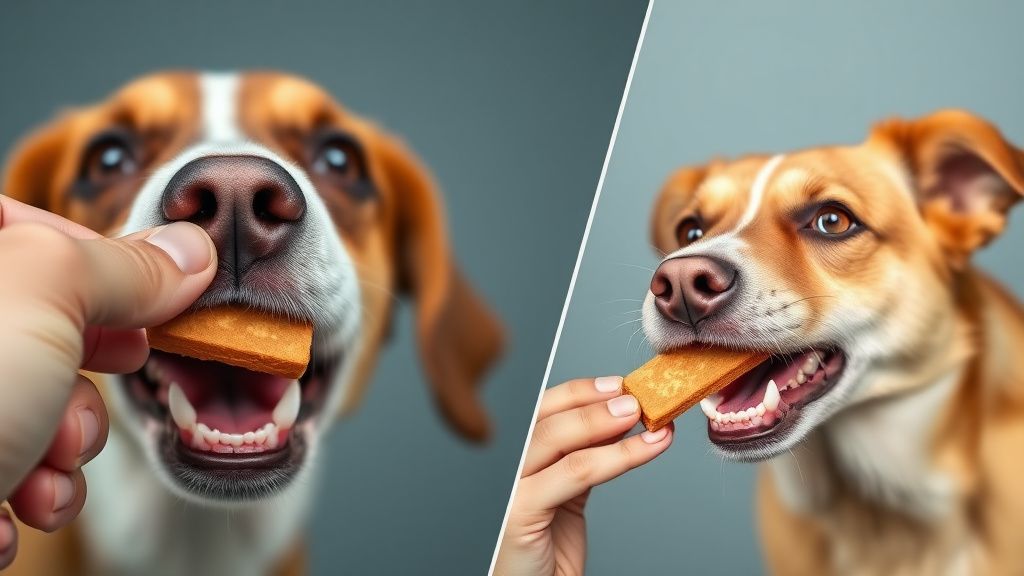
This is a brilliant observation highlighted by Dogs Trust and one I've seen countless times. Pay close attention to your dog's manners during treat time or meals. A calm, happy dog will usually take a treat gently from your hand. An anxious dog, however, might grab a treat from your hand when they would usually take it gently. In some cases, they might even refuse to take it at all.
This shift can signal that your dog is in a heightened state of arousal or frustration, which is closely tied to anxiety. Their brain is too preoccupied with stress to focus on polite behavior. It's as if the treat becomes a secondary concern to whatever is making them feel uneasy. If your typically gentle eater starts snatching or shows disinterest in high value food in certain situations, view it as a red flag.
2. "Sleepy" Signals When They're Wide Awake
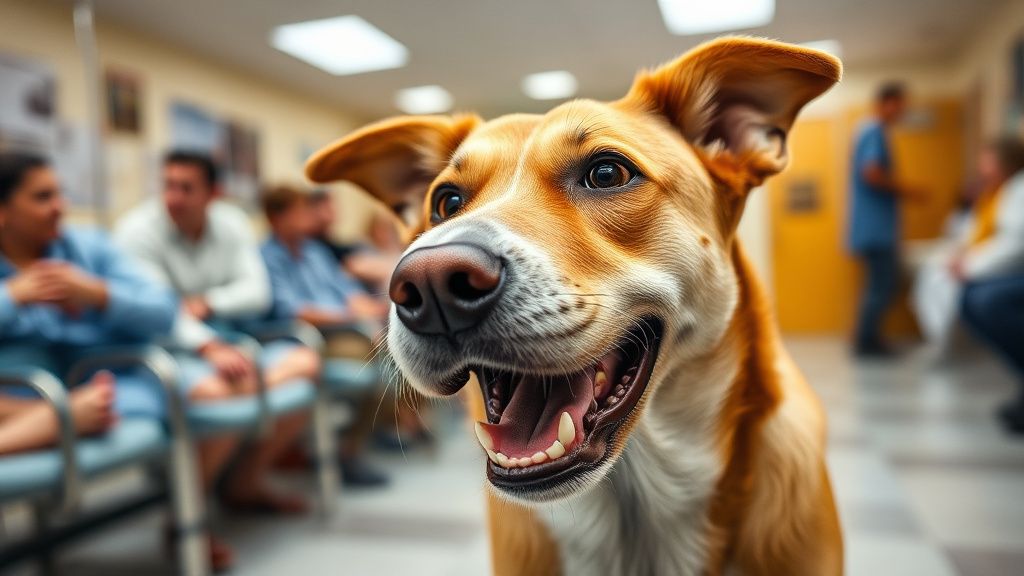
Yawning, lip licking, and slow blinking are classic canine calming signals. They are a dog's way of trying to diffuse stress in a situation. While a yawn can certainly mean tiredness, an anxious dog will yawn repeatedly in environments where sleepiness isn't the cause. The Alliance of Therapy Dogs confirms that yawning can indeed be a sign of anxiety, especially in unfamiliar settings.
Watch for these signals during vet visits, when guests arrive, or in busy environments. If your dog is yawning frequently but their body is stiff, their ears are back, and they won't settle, they're not bored. They are communicating, "This situation is making me uncomfortable, and I am trying to calm myself down." Acknowledging this can help you remove them from the stressor or provide comfort.
3. Whining or Whimpering Without an Obvious Cause
We often associate whining with a need to go outside or a desire for play. However, Chewy's experts compare it to a child crying when forced into a nervous situation. Anxious dogs whine or whimper to communicate their feelings of distress, fear, or uncertainty.
This is distinct from an "I want something" whine. It often has a more plaintive, repetitive quality and occurs in contexts you know are challenging for your dog. You might hear it during a car ride, when you're preparing to leave the house (a sign of separation anxiety), or when they are confronted with a trigger, like a vacuum cleaner. It's a vocalization of pure emotional discomfort.
4. Uncharacteristic Aggression or Irritability
One of the most heartbreaking ways anxiety manifests is through a change in temperament. Central Pet AZ notes that an anxious dog may become aggressive, bark a lot, growl, or even bite. This can be shocking for an owner whose dog has never shown aggression before. It's crucial to understand this is often a fear based reaction. The dog feels threatened and trapped, so they resort to "telling" the threat to go away in the only way they know how.
This aggression might be directed at other dogs, strangers, or even family members during specific triggers, like being approached while eating or resting. Alternatively, as Tufts experts point out, anxiety can simply make a dog appear generally irritable or aggressive. They have a lower threshold for frustration because their nervous system is constantly on alert. This is not a dog being "dominant" or "bad." It is a dog in profound distress who needs help, not punishment.
5. Destructive Behavior or House Soiling Only When Alone
Separation anxiety is a specific and common form of distress. Cornell University's College of Veterinary Medicine lists behaviors like whining, howling, barking, pacing, house soiling or destroying household items after their owner leaves. The key phrase is "after their owner leaves." If your dog is perfectly house trained and only has accidents when you're gone, or if they shred your couch pillows specifically in your absence, it's a strong indicator of separation anxiety.
This destruction isn't revenge. It's a panicked outlet for extreme stress and an attempt to cope with the fear of being alone. The damage often occurs around exit points like doors or windows. Recognizing this pattern is essential because it requires a specific management and training approach focused on building your dog's confidence when alone.
How Can You Help Your Anxious Dog?
Spotting the signs is step one. Step two is taking compassionate, effective action. Your first stop should always be your veterinarian. Rule out any medical conditions that could be causing pain or discomfort and manifesting as anxiety. Once you have a clean bill of health, you can work on behavioral strategies.
* Create a Safe Haven: Provide a quiet, cozy crate or bed in a low traffic area where your dog can retreat. Make this space incredibly positive with special treats and chews.
* Manage Their Environment: If you know a trigger is coming (like fireworks), close the curtains, turn on calming music or white noise, and engage them in a quiet activity like a food puzzle.
* Consider Calming Aids: Products like pressure wraps (ThunderShirts), pheromone diffusers (Adaptil), or veterinarian recommended supplements can take the edge off in stressful situations. For long term management, your vet may discuss medication options.
* Build Positive Associations: Use counter conditioning. If your dog is afraid of strangers, have strangers toss amazing treats to them from a distance. The goal is to change the emotional response from "Scary!" to "Yay, treats!"
* Routine is Reassuring: Anxious dogs thrive on predictability. Consistent feeding times, walk schedules, and bedtime rituals provide a framework of security.
* Mental and Physical Exercise: A tired dog is often a calmer dog. Ensure your dog gets adequate physical exercise, but don't underestimate the power of mental stimulation. Nose work games, training sessions, and puzzle toys can exhaust them in a good way. Using a dog subscription box can be a fantastic way to regularly introduce new, engaging puzzles and toys that keep their mind occupied.
Nutrition also plays a supporting role. Just as we might feel jittery after too much sugar, a dog's diet can affect their nervous system. Feeding a complete and balanced diet with consistent energy release is key. Some owners find that switching to a highly digestible, simple ingredient diet like fresh dog food or freeze-dried dog food helps reduce general inflammation and promotes a calmer demeanor. Always consult your vet before making any major dietary changes.
For a deep dive on strategies, our dog anxiety guide offers a complete step by step plan.
When Should You Seek Professional Help?
While mild anxiety can often be managed at home, some situations require expert intervention. Seek help from a certified professional dog trainer or a veterinary behaviorist if:
* Your dog's anxiety is escalating in intensity or frequency.
* They are showing signs of aggression, including growling, snapping, or biting.
* Their quality of life (or yours) is significantly impacted. They can't enjoy walks, visitors, or normal daily activities.
* Your own management attempts aren't making a noticeable difference.
A professional can create a tailored behavior modification plan, ensure you're implementing techniques correctly, and work with your vet on a potential medication plan if needed. There is no shame in asking for help. It's the ultimate act of love for your struggling companion.
Final Thoughts
Living with an anxious dog requires patience, empathy, and a detective's eye for detail. The signs aren't always the dramatic cowering we expect. Sometimes, it's a hastily snatched treat, a yawn in a crowded room, or a new gruffness in their greeting. By learning this hidden language of anxiety, you empower yourself to be your dog's greatest advocate.
Remember, your goal isn't to create a dog that never feels fear. That's impossible. Your goal is to build their confidence, give them coping tools, and ensure they feel safe and understood by you. With consistent support, many anxious dogs learn to navigate the world with much more ease and joy. Start by observing, consult your vet, and take it one calming step at a time. Your dog is counting on you, and your attentive care can make all the difference.
Find the Perfect Box for Your Dog
Compare top-rated dog subscription boxes and find the best fit for your pup.
Compare Boxes