Master Separation Anxiety in Seconds

Ease separation anxiety with a quick, powerful technique that builds confidence through brief departures.
The one second departure training method is a systematic desensitization approach that builds a dog's tolerance to being alone by starting with absences as short as one second and gradually increasing the duration only when the dog remains calm. It focuses on changing the dog's emotional response to solitude itself, rather than just desensitizing them to pre departure cues like picking up keys. This evidence based method, supported by experts like Malena DeMartini, is considered the most effective way to permanently address separation anxiety.
If your dog panics when you leave, turning your home into a symphony of distressed barking or a scene of destruction, you are not alone. Separation anxiety is a profound and stressful experience for both dogs and their people. For years, the standard advice was to desensitize your dog to the "cues" of leaving, jingle your keys, put on your coat, and then don't go anywhere. While this has its place, modern experts like certified separation anxiety trainers Malena DeMartini and Sara Scott point out a critical flaw. This approach often fails because it doesn't address the core issue: the dog's overwhelming fear of being alone, regardless of what signals preceded it. The true solution lies in a more foundational method, one that rebuilds your dog's confidence from the ground up, one single second at a time.
What is the One Second Departure Method?
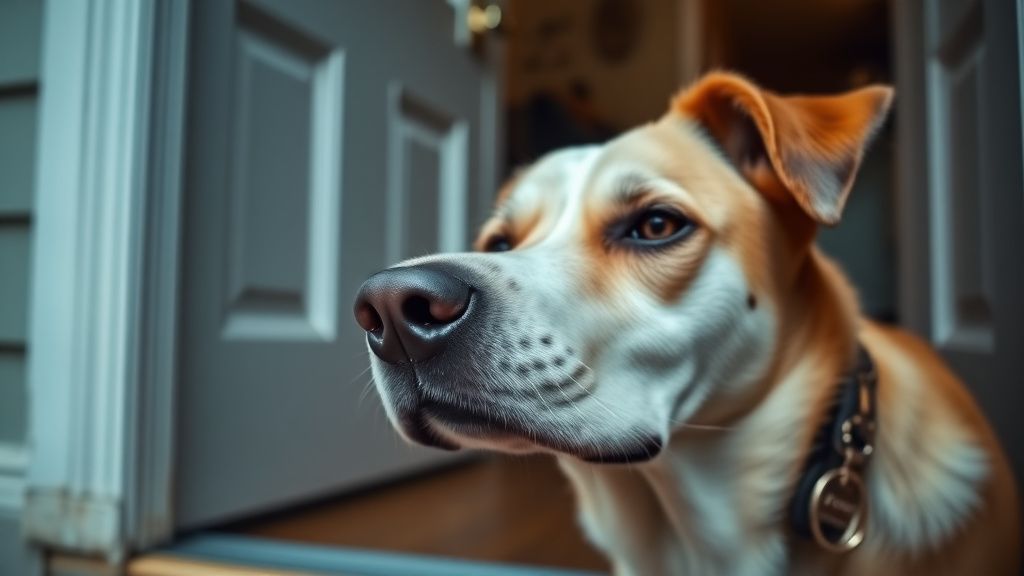
At its heart, the one second departure method is a structured form of systematic desensitization. It operates on a simple but powerful principle. You start with an absence so brief that it does not trigger your dog's anxiety, sometimes literally one second of you stepping out the door and immediately returning. The goal is not to "trick" your dog, but to provide countless repetitions of a new, positive experience: you leave, and nothing bad happens. You return, and the world is still safe.
This method stands in contrast to older ideas that focused heavily on "pre departure cues." The research, including insights from veterinary behaviorists, shows that while desensitizing to cues like grabbing your wallet or putting on shoes is a helpful component, it is not the cure. As discussed in resources from Your Dog's Friend, the root cause is the isolation distress itself. The one second method tackles that distress directly by making the absence itself neutral, even boring, before it ever becomes scary. It is about permanently changing your dog's perception of what being alone means, as noted by PetMD, by building positive associations through incremental, successful experiences.
Why Traditional "Cue Training" Often Falls Short
Many well meaning veterinarians and trainers have long recommended cue desensitization. The logic seems sound. You pick up your car keys, then go sit on the couch. You put on your boots, then watch television. The ASPCA and AKC both suggest these techniques to reduce the predictive power of these actions. The idea is to break the chain in your dog's mind that says "keys equal panic."
However, certified separation anxiety consultant Sara Scott calls this the "departure cue myth." The problem is that for a dog with true separation anxiety, the ultimate trigger is not the jingle of metal. It is the crushing reality of solitude. A dog might learn that keys don't always mean you're leaving for hours, but the moment you actually walk out that door, the core fear remains untouched. The training fails to address the actual stressful event: the absence. This is why many guardians feel frustrated, reporting, "I did all the cue training, but he still cries the moment I leave." The one second method shifts the focus from the precursors of leaving to the act of being alone itself, which is the actual source of the distress.
How to Implement the One Second Departure Training
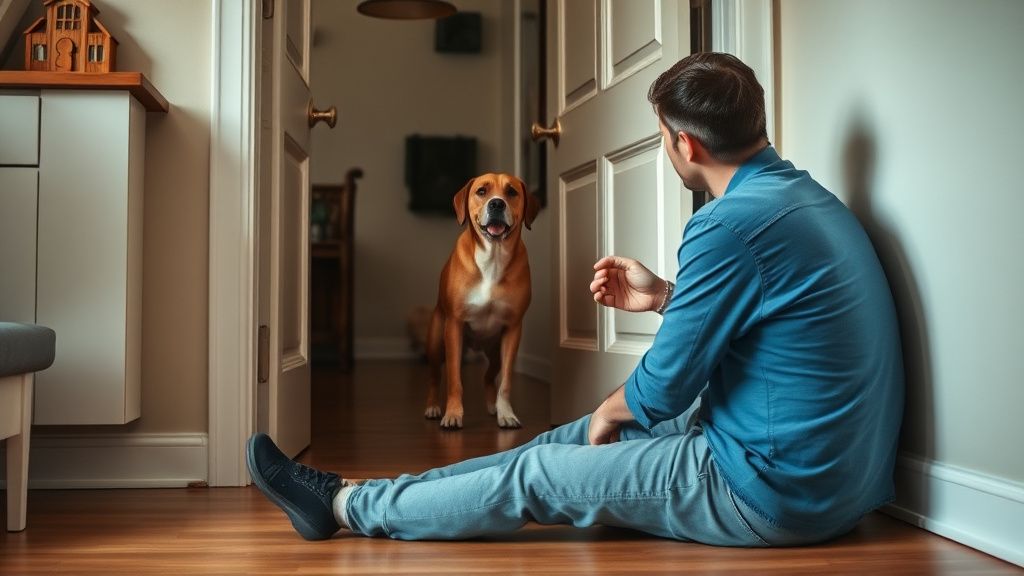
Implementing this method requires patience, observation, and a strict commitment to your dog's comfort zone. Rushing this process is the most common mistake and can undo weeks of progress.
Step 1: Establish a Baseline
Before you train, you must know your dog's current threshold. Using a camera or baby monitor, record your dog when you leave. Note the exact moment signs of anxiety begin: pacing, whining, barking, panting. Is it 10 seconds? Two minutes? Five minutes? This time is your baseline. Your entire training plan starts at a duration *well below* this point, often just one to five seconds.
Step 2: Plan and Execute Micro Departures
With your baseline known, plan a short training session of 3 5 repetitions. For a dog who panics at 30 seconds, you might start with 3 second departures.
* The Routine: Calmly go through your normal departure routine. You can even incorporate cue desensitization here by doing it consistently.
* The Departure: Leave quietly without fanfare. Close the door, wait for your predetermined time (e.g., 2 seconds), and open it.
* The Return: Come back in calmly and quietly. Do not greet your dog excitedly. Ignore them for a minute or two, then interact normally. The message should be that comings and goings are no big deal.
The key is that your dog must remain completely calm during the entire absence. If you see any sign of anxiety, you have gone too far. The next repetition must be shorter.
Step 3: The Gradual, Dog-Led Increase
Progress is measured in tiny increments, and your dog sets the pace. Only increase the duration of your absence when your dog has successfully handled the current time for multiple sessions in a row. An increase might be moving from 5 seconds to 7 seconds, or from 30 seconds to 35 seconds. This is not linear. Some days you may need to decrease the time. The program outlined by experts like those at K9 of Mine emphasizes that the dog must never be alone for longer than they can handle during this training period, which means arranging pet sitters, daycare, or working from home.
Essential Tools and Support for Success
This training can be emotionally demanding. Having the right support system makes it sustainable.
Video Monitoring: A camera is non negotiable. You cannot rely on listening at the door, as some dogs react the moment the door closes. You need visual confirmation of relaxed body language. High Value Rewards: Use the absolute best treats your dog loves, reserved only for training. This could be a special fresh dog food topper, a dab of peanut butter, or a commercial high value treat. The goal is to create a positive association. Some trainers recommend giving this treat *as you leave*, so the dog is focused on the amazing snack, not your exit. Management for Necessary Absences: You cannot train 24/7. For work, appointments, or grocery runs, you must manage the situation to prevent panic. This could mean doggy daycare, a trusted pet sitter, or asking a neighbor to pop in. Using a dog subscription box can provide novel puzzles and chews to keep your dog occupied during these managed times, though they are not a substitute for training. Professional and Veterinary Support: Do not hesitate to seek help. A certified separation anxiety trainer (CSAT) provides structured guidance and moral support. Furthermore, consult your veterinarian. As the Los Angeles Times article notes, medications like Trazodone or Clonidine can be prescribed for situational use to prevent panic during unavoidable absences. More importantly, longer acting anti anxiety medications can be a crucial tool. They help lower your dog's overall anxiety floor, making them more receptive to learning during training, as referenced by Your Dog's Friend. Think of medication as putting on glasses to see the training more clearly; it is a legitimate and often necessary part of a treatment plan.Common Pitfalls and How to Avoid Them
Even with the best intentions, it is easy to stumble. Here are the major pitfalls I have seen derail progress.
Moving Too Fast: This is the number one error. Excitement over a few good days leads to a big jump in time, which triggers anxiety and erodes trust. If your dog was calm at 2 minutes, do not jump to 5 minutes. Try 2 minutes and 10 seconds. Ignoring Subtle Stress Signals: Anxiety is not just barking. Lip licking, yawning, pinned ears, a stiff body, and frozen posture are all early signs. If you see these, your departure was too long. Making a Big Deal of Returns: An exuberant, emotional greeting reinforces the idea that your return is a monumental event, which conversely makes your absence a monumental crisis. Keep comings and goings low key. Neglecting Overall Enrichment: A bored, under stimulated dog has a higher baseline of anxiety. Incorporate plenty of physical exercise, sniffing walks, and mental enrichment. A balanced diet from a good dog food delivery service and engaging toys are foundational to a calm state of mind. Trying to "Test" Your Dog: Leaving for a "quick errand" to see if they are "cured" is almost guaranteed to cause a setback. Trust the process and the data from your training sessions.Final Thoughts
Overcoming separation anxiety with the one second departure method is a journey of empathy and consistency. It is not a quick fix, but it is a permanent one. It asks you to see the world from your dog's perspective, to understand that their destruction or noise is not spite, but a frantic response to sheer terror. By committing to this incremental, evidence based approach, you are doing more than teaching your dog to be alone. You are building their confidence, strengthening your bond through trust, and giving them the gift of feeling safe. For more strategies on supporting an anxious dog, explore our dog anxiety guide. Remember, every dog can learn to feel secure. Start with one calm second, and build from there.
Find the Perfect Box for Your Dog
Compare top-rated dog subscription boxes and find the best fit for your pup.
Compare Boxes