Soothe Dog Anxiety With Routine
Establish a calming pre-work ritual to soothe your dog's separation anxiety and create a peaceful start to the day.
Yes, a consistent pre work routine can significantly calm your anxious dog. Research shows that dogs thrive on predictability and structure, and a stable routine builds confidence by helping your pet know what to expect each day, reducing stress and confusion. This consistency is a cornerstone of managing anxiety, often working alongside other calming strategies.
If you're preparing to leave for the office and your dog starts pacing, whining, or showing other signs of distress, you're facing a common but heartbreaking scenario. Separation anxiety and general nervousness can turn your departure into a daily ordeal for both of you. I've seen many clients struggle with this, feeling guilty as they head out the door. But there's a powerful, often overlooked tool that can transform this experience: the simple, deliberate power of a routine.
The American Kennel Club notes that confidence is key to soothing anxiety, and one primary way to build that confidence is by providing a consistent routine. This allows your dog to predict their day. Experts from Cornell University's College of Veterinary Medicine put it plainly: "What seems to work best is predictability." It sounds simple, but when a dog knows that after their morning walk comes breakfast, and after breakfast comes a calming treat in their crate, they gain a sense of control. This article will explore how a structured pre work ritual can become your most effective strategy for a calmer, happier pet.
Why Routine is a Dog's Anxiety Antidote
Dogs are creatures of habit. The PetMD article emphasizes that they thrive on predictability and structure in feeding, exercise, play, and sleep. Think about it from their perspective. Their world is largely dictated by us. Without a schedule, their day is a series of unpredictable events, which can be inherently stressful. An inconsistent schedule, as noted in a blog about managing separation anxiety, can directly lead to anxious feelings and unwanted behaviors.
A routine acts as a map. It tells your dog, "First we do this, then we do that, and then you relax here." This predictability reduces the mental energy they spend on worry. The Dog Owners Academy states plainly that routine helps dogs feel secure, reduces anxiety, and creates a foundation for better behavior. It's not about rigid military precision, but about reliable patterns that build trust. Your dog learns that even when you leave, certain comforting things have already happened and will happen again when you return. This stability is the bedrock of their emotional well-being.
Building Your Calming Pre Work Routine: A Step by Step Guide
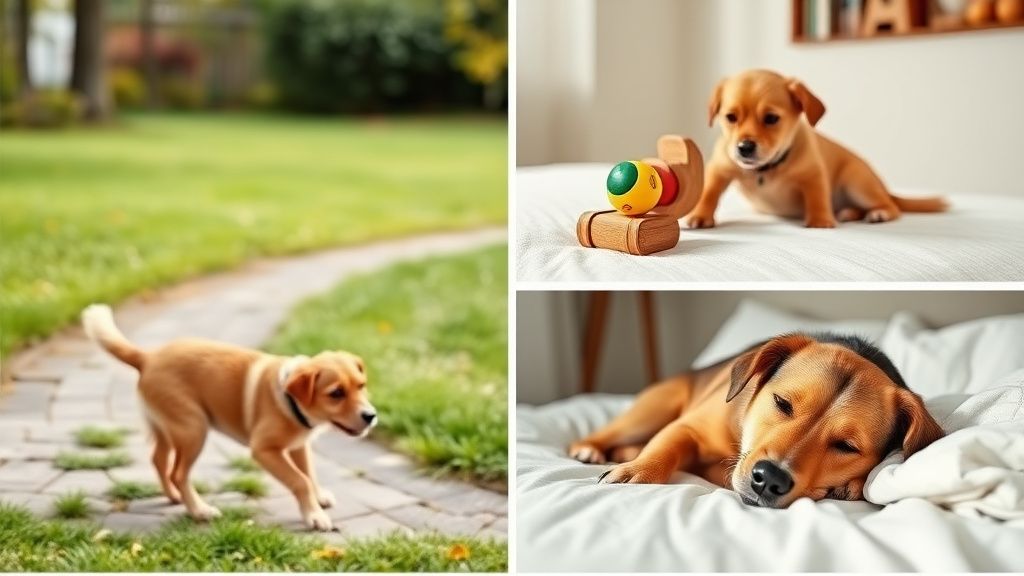
Your routine should be a cascade of calming activities, moving from higher energy to lower energy, ending with you departing as a non event. Here's how to construct one.
Start with Physical SatisfactionBegin with a morning walk or vigorous play session. This isn't just about bathroom needs. Exercise helps burn off nervous energy and provides mental stimulation. It's a positive, predictable start to the day. The key is consistency in timing and duration as much as your schedule allows.
Follow with Mental EngagementAfter physical activity, shift to a quieter mental task. This could be a short training session using positive reinforcement techniques, which the 2026 training blog confirms work consistently across all breeds. Ask for a simple "sit" or "paw," rewarding with a small, high value treat. Or, provide a food dispensing toy or puzzle. This engages their brain in a positive way and continues the pattern of predictable, rewarding interaction.
Create a Predictable "Wind Down" SequenceThis is the core of your pre departure calm. Establish a clear sequence your dog recognizes as the "you are about to leave, but all is well" signal.
1. Final Potty Break: A quick, calm last chance outside.
2. Settling Treat: Offer a special treat only given at this time. This could be a longer lasting chew or a treat placed inside a dog subscription box that arrives monthly, making it a novel and exciting reward.
3. Secure Retreat: Guide your dog to their safe space, a crate, a cozy corner with a bed, or a designated room. The Broadlands Veterinary Clinic and Fullwood Animal Hospital both recommend providing this quiet area where your dog can retreat when overwhelmed. Place the treat there.
4. Calm Departure: Do not make a dramatic goodbye. Say a quiet, cheerful phrase like "See you later!" and leave without fuss. Your departure becomes just another step in the predictable sequence.
The Importance of the "Settling Treat"The treat given at the final step is crucial. It should be something your dog loves and associates only with this calming period. Using a special treat from a trusted dog food delivery service for this moment creates a strong, positive anchor. The act of chewing also has a natural calming effect, releasing endorphins. This turns your departure into a positive event centered on a reward, not a loss.
What to Include in Your Routine (and What to Avoid)
Do Include:* Consistent Timing: Aim to start your routine at the same time each day. The Elanco article advises keeping meal and walk times consistent, and planning ahead if your schedule must change.
* Calming Signals: Use the same words and actions each time. For example, always using the phrase "go to your spot" when guiding them to their safe space.
* Positive Associations: Incorporate things your dog genuinely enjoys. If they love a particular best dog treats for chewing, use that as the settling treat.
* Physical Touch: If your dog is comforted by touch, include a good long petting session as part of the wind down. The Central California SPCA notes that an owner's touch can be profoundly soothing.
Do Avoid:* Last Minute Chaos: Avoid rushing, loud noises, or your own stressed energy during the routine. Your calmness is contagious.
* Emotional Goodbyes: Lengthy, emotional farewells reinforce the idea that leaving is a big, sad event. Keep it brief and neutral.
* Changing the Order: Once established, try to keep the sequence of events the same. Changing the steps can reintroduce confusion.
* Skipping Steps: If you're in a hurry, it's better to shorten a step (a five minute walk instead of ten) than to skip it entirely. The pattern itself is reassuring.
When Routine Needs a Helping Hand
While a routine is profoundly effective, some dogs have anxiety levels that require additional support. The research is clear that routine is essential, but it can be part of a broader management plan.
Signs You Might Need More SupportIf your dog shows extreme signs like prolonged trembling, destructive behavior near exits, or inability to settle even with a routine, consult your veterinarian. As the Animal Medical Center of Bel Air points out, chronic anxiety typically needs intervention beyond environmental management.
Combining Routine with Other StrategiesYour vet or a behaviorist might recommend:
* Calming Aids: Products like pheromone diffusers or sprays can be used in your dog's safe space to enhance the calming effect of the routine.
* Training Protocols: Systematic desensitization to your departure cues can be layered onto your routine.
* Dietary Considerations: For some dogs, dietary changes can support calmness. Discuss options like freeze dried dog food or other balanced diets with your vet.
* Medication: In some cases, as the Elanco article mentions, your vet might prescribe an as needed or long term medication to help your dog succeed within their routine. Medication is not a replacement for routine, but a tool to help them benefit from it.
Remember, the goal is to use a consistent routine as your primary framework, and then add other tools as needed. You can learn more about this integrated approach in our dog anxiety guide.
Troubleshooting Common Routine Challenges
"My Schedule is Irregular"Many people have variable work hours. The key is to create a routine that is sequence based rather than strictly time based. If you leave at 7 AM one day and 9 AM the next, the routine should start a set period before departure (e.g., 45 minutes before you leave). This way, the predictable sequence of events still happens, anchoring their experience even if the clock time shifts.
"My Dog Still Seems Anxious After I Leave"First, ensure you are not inadvertently creating anxiety. Watch for subtle signs like lip licking, yawning, or avoiding you during the routine. These can indicate stress. Also, consider enriching their alone time. Leave safe toys or a puzzle feeder with part of their breakfast inside. The predictability of "after you leave, I find this fun thing" can extend the routine's comfort.
"The Routine Works, But Big Events Still Trigger Panic"For known triggers like thunderstorms or fireworks, your routine is your baseline. On those days, you can augment it. As your vet may advise, use an as needed calming option, and perhaps start the wind down sequence earlier in a more secure location, like a basement room. The routine provides the familiar foundation, and you build extra protection on top of it.
Final Thoughts
Creating a consistent pre work routine is less about adding tasks to your morning and more about crafting a story of predictability for your dog. It tells them, "Your world is safe and knowable." From the morning walk to the final settling treat, each step builds a fortress of confidence against anxiety.
I've seen the transformation this can bring. A dog that once trembled at the sight of a work bag can learn to see it as the precursor to a favorite chew. It requires commitment and observation, but the reward is a peaceful departure and a calmer pet waiting for your return.
Start small. Pick one or two elements to implement consistently tomorrow, perhaps the morning walk at the same time and a special treat in their crate. Observe your dog's response. Build from there. Your consistency is the most powerful message you can send: that you provide a stable, loving world, even when you're not physically in it. That security is the ultimate cure for anxiety.
Find the Perfect Box for Your Dog
Compare top-rated dog subscription boxes and find the best fit for your pup.
Compare Boxes